
The Meta-Horror Paradox: Why 2026’s Scary Movie Ghostface Reveal Outshines Scream 7
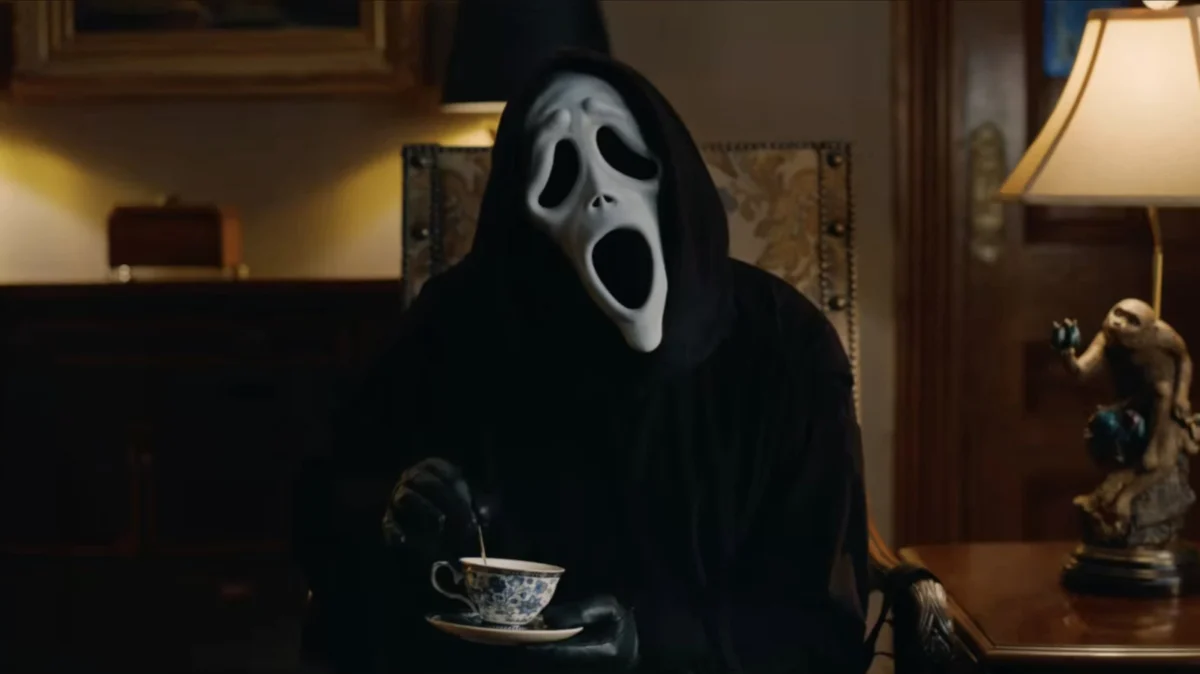
The relationship between the Scream franchise and its parodic shadow, Scary Movie, has always been one of symbiotic subversion. When Wes Craven and Kevin Williamson reinvented the slasher genre in 1996 with Scream, they did so by leaning into the "rules" of horror. When the Wayans brothers launched Scary Movie in 2000, they didn’t just mock those rules; they dismantled the very framework of cinematic tension.
For decades, the two franchises operated in parallel—one as the gold standard of the "whodunit" slasher, the other as the bastion of low-brow, high-concept satire. However, with the recent release of Scream 7 and the upcoming 2026 revival of Scary Movie, a strange inversion has occurred. Critics and industry analysts are noting a surprising trend: the parody has managed to deliver a more narratively satisfying and intellectually resonant "Ghostface" reveal than the franchise it was designed to lampoon.
Main Facts: A Tale of Two Reveals
The crux of the current cinematic debate lies in the climax of both films. Scream 7, directed by Kevin Williamson (returning to the director’s chair in a move aimed at stabilizing the franchise), attempted to bridge the gap between legacy nostalgia and modern technology. The film centers heavily on Sidney Prescott (Neve Campbell), following the high-profile departures of Melissa Barrera and Jenna Ortega. To compensate for the loss of its "Core Four" protagonists, the film leans into an AI-driven gimmick where Ghostface uses deepfake technology to haunt Sidney with the faces of past killers like Matthew Lillard’s Stu Macher and Laurie Metcalf’s Mrs. Loomis.
However, the ultimate reveal in Scream 7 fell flat for many. The killers were revealed to be Sidney’s seemingly innocuous neighbor, Jessica (Anna Camp), and a supervisor from a mental institution (Ethan Embry). Their motivations—rooted in a convoluted desire to "perfect" the slasher narrative through real-world trauma—were criticized as flimsy and derivative of earlier, better-executed motives in the series.
In contrast, the 2026 Scary Movie revival—which uses the 2022 Scream "requel" as its primary target—utilizes its reveal to execute a complex, four-tier meta-commentary. By revealing legacy actors Shawn Wayans, Marlon Wayans, Anthony Anderson, and even Shaquille O’Neal as the killers, the film transcends mere slapstick. It addresses the internal politics of the franchise itself, turning the "whodunit" into a referendum on Hollywood’s treatment of legacy casts and minority characters.
Chronology: The Evolution of the Parody
To understand why Scary Movie (2026) feels more "honest" than Scream 7, one must look at the timeline of both franchises:
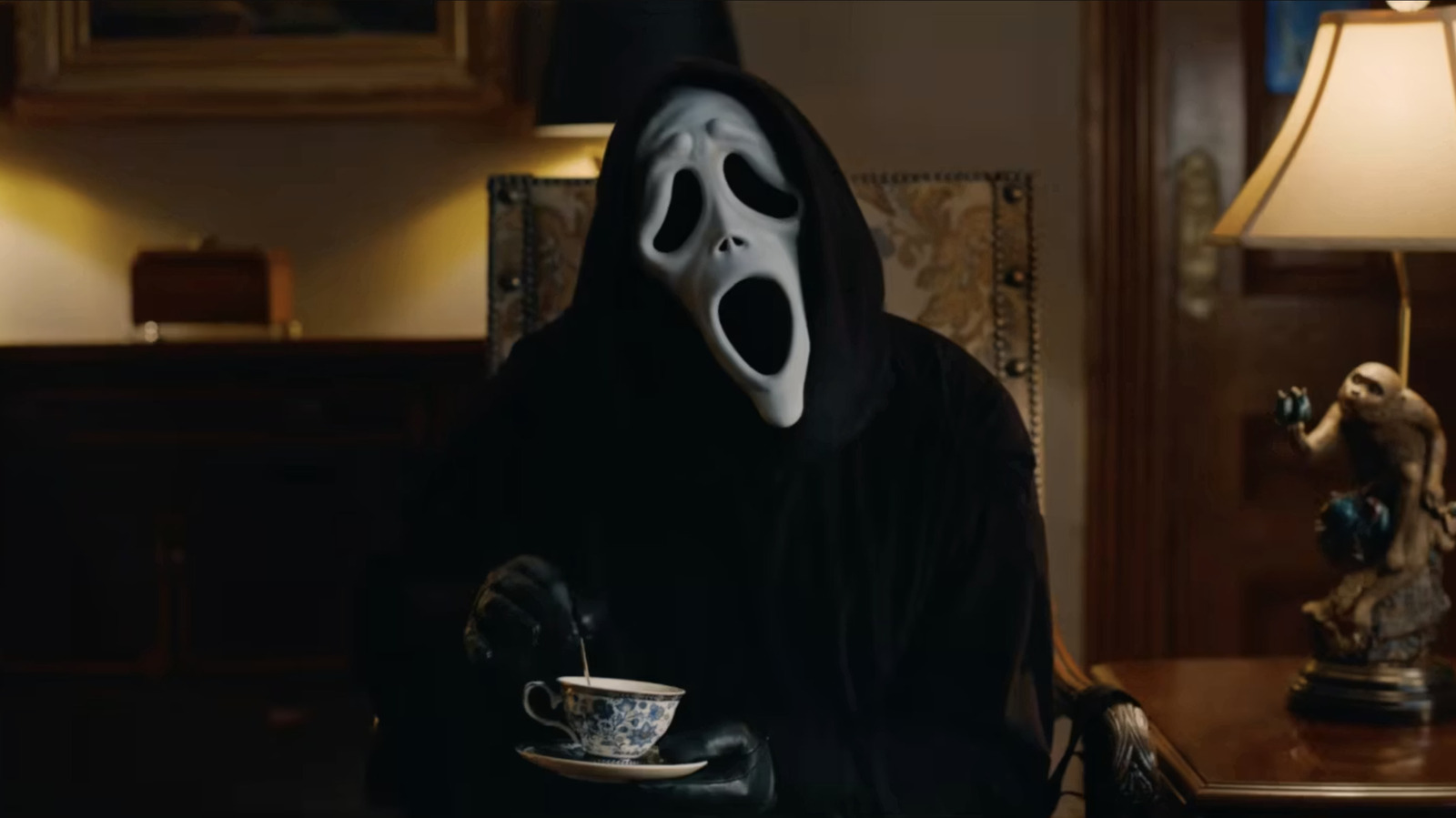
1. The Foundation (1996–2000)
Scream (1996) established the self-aware slasher. Scary Movie (2000) responded by turning that self-awareness into absurdity. The original Scary Movie was a massive commercial success, but the Wayans brothers famously departed the franchise after the second installment due to creative and contractual disputes with Miramax (then under the Weinsteins).
2. The Divergence (2003–2011)
While the Scream franchise lay dormant after Scream 3, Scary Movie continued under the direction of David Zucker (Airplane!). Scary Movie 3 and 4 shifted away from the Wayans’ urban-slapstick style toward a more broad, "everything-is-a-spoof" approach. This era saw Anthony Anderson and Kevin Hart become staples of the series, effectively replacing the original creative core.
3. The "Requel" Era (2022–2024)
The Scream franchise saw a massive resurgence with 2022’s Scream and 2023’s Scream VI, introducing a new generation of stars. However, behind-the-scenes turmoil—including the firing of Melissa Barrera over social media posts and Jenna Ortega’s exit due to scheduling conflicts—forced Scream 7 to pivot back to Neve Campbell. This pivot felt, to many, like a regression rather than an evolution.
4. The 2026 Convergence
Paramount Pictures’ decision to bring back the Wayans brothers for a 2026 Scary Movie reboot was designed to capitalize on the same nostalgia Scream was mining. By doing so, they created a scenario where the parody could comment directly on the "messiness" of the Scream production history.
Supporting Data: Narrative Satisfaction and Meta-Context
The "satisfaction" of a reveal in a whodunit often depends on how well the "why" justifies the "who."
In Scream 7, the choice of Anna Camp and Ethan Embry felt like a "safe" casting move that lacked the personal stakes required for a Sidney Prescott finale. The film’s reliance on AI cameos of past killers was seen as a hollow substitute for actual character development. According to early audience polling and critical reviews, the "AI Ghostface" felt more like a corporate mandate to include legacy actors without paying for their full participation, rather than a genuine narrative choice.
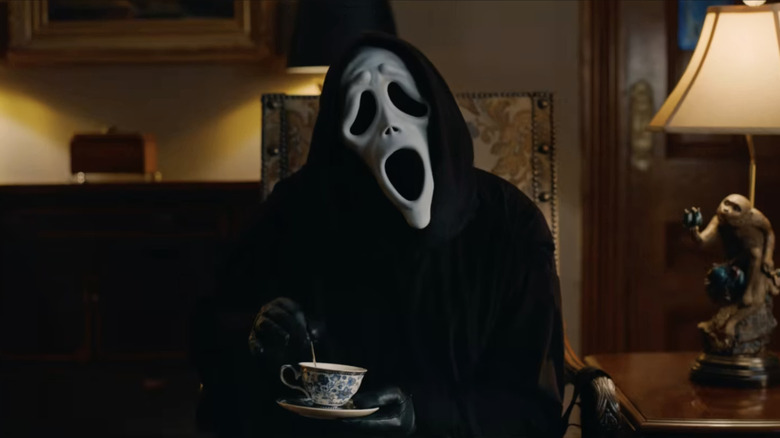
Scary Movie (2026), however, leans into the "Who" with surgical precision. The reveal functions on three distinct levels:
- Level 1: The Genre Parody. It mocks the "boyfriend and best friend" trope of the 2022 Scream.
- Level 2: The Social Commentary. By having the Black sidekick characters (Shorty, Ray, etc.) reveal themselves as the killers, the film satirizes the "disposable minority" trope in horror, claiming they are "killing the system" that marginalized them.
- Level 3: The Franchise History. The twist where Shawn and Marlon Wayans "kill" Anthony Anderson and Shaq because they "stole their jobs" in Scary Movie 3 is a level of meta-honesty rarely seen in studio filmmaking. It acknowledges the real-world friction between the actors and the studio.
Official Responses and Production Context
The production of Scream 7 was marred by public relations challenges. Following the departure of director Christopher Landon and the lead actresses, Spyglass Media Group faced intense scrutiny from fans. In a statement following the casting of Neve Campbell, the studio emphasized a "return to roots," but industry insiders suggested the film was "scrambling for a soul."
Conversely, the Scary Movie revival has been marketed as a "homecoming." Marlon Wayans stated in a recent press junket, "We aren’t just making fun of movies anymore; we’re making fun of the business of movies. The industry has become its own horror show."
Paramount Pictures has leaned into this "anti-corporate" branding, despite being a major corporation itself. This positioning has allowed Scary Movie to feel like an underdog, even while operating with a massive budget.
Implications: The Future of the "Meta" Slasher
The success of the Scary Movie reveal over the Scream 7 climax suggests a shift in how audiences consume meta-narratives.
The Death of the "Safe" Twist
Audience members are increasingly savvy regarding studio interference. When a movie like Scream 7 feels like it was written by a committee to avoid controversy, the "twist" feels like a product rather than a plot point. Scary Movie’s willingness to be "messy"—to name-drop Kevin Hart turning down a role or to mock the firing of modern stars—creates a sense of authenticity that Scream 7 lacked.
The Power of the Legacy Cast
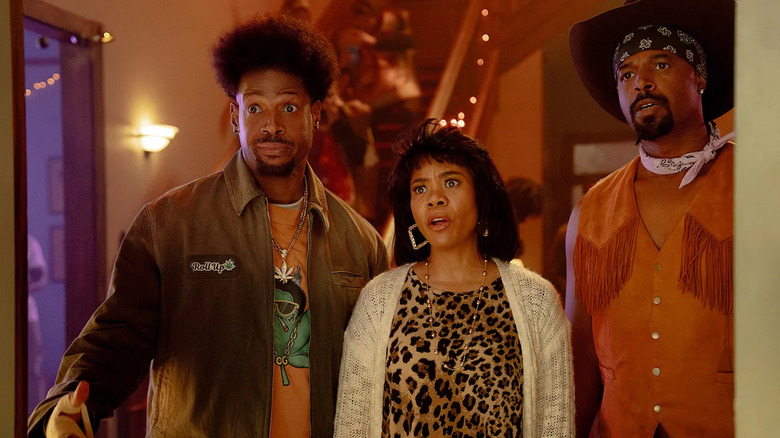
Both films relied on legacy actors, but they used them differently. Scream 7 used Sidney Prescott as a shield to protect the franchise from its recent controversies. Scary Movie used Anna Faris, Regina Hall, and the Wayans brothers as a sword to attack the very concept of "franchise fatigue."
Can Satire Outlast the Source?
We are entering an era where the parody may become the definitive text. If Scream continues to struggle with its identity and cast retention, Scary Movie is positioned to become the primary vehicle for horror commentary. The 2026 reveal—where the legacy cast kills the "new generation" to secure their jobs—isn’t just a joke; it’s a chillingly accurate depiction of how Hollywood currently functions.
Conclusion
While Scream 7 remains a technically proficient thriller, its Ghostface reveal suffered from the weight of its own franchise baggage. By trying to be everything to everyone, it ended up being a "whodunit" where the answer didn’t matter.
Scary Movie (2026), by contrast, realized that in the modern age, the most terrifying (and hilarious) thing isn’t a man in a mask—it’s the actor behind the mask fighting for their royalties and their relevance. In doing so, the parody didn’t just mock the horror; it mastered it. As the credits roll on both films, the irony is inescapable: the movie that was supposed to be a joke is the one that gave the audience something real to think about.


Leave a Comment