Amazon Ignites Early Prime Day Momentum with Record-Low Kindle Pricing: A Strategic Deep Dive
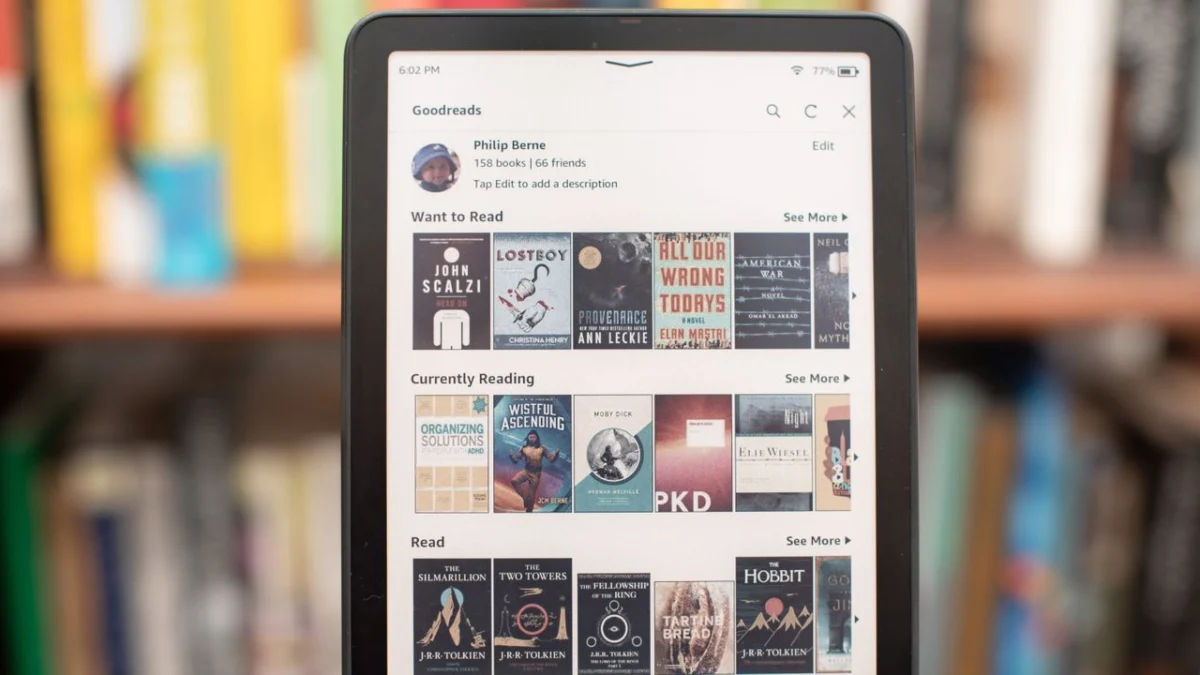
The retail landscape is currently witnessing the first tremors of Amazon’s massive annual Prime Day event. While the official festivities are not scheduled to commence until next Tuesday, the e-commerce titan has followed its established playbook by initiating a "warm-up" phase. This year, the spotlight is shining brightest on the Kindle ecosystem. In a move that has caught the attention of tech analysts and bargain hunters alike, Amazon has slashed prices on its latest Kindle models to record-breaking lows. However, the most significant opportunities currently lie within a specific niche: the Kindle "Kids" editions.
Main Facts: The "Kids" Edition Loophole and Current Offers
The headline news for this pre-Prime Day window is the substantial discount applied to the Kindle Kids, Kindle Paperwhite Kids, and the newly released Kindle Colorsoft Kids. While marketed toward a younger demographic, these devices represent the most cost-effective entry point for adult readers looking for premium hardware at a fraction of the standard retail price.
The Pricing Breakdown
As of the current promotional window, the following deals are live:
- Kindle Kids (Standard): Now retailing for $99, down from its MSRP of $129. This represents a significant saving for a device that offers the core e-ink experience.
- Kindle Paperwhite Kids: Currently priced at $139, reduced from $179. This model is widely considered the "sweet spot" of the lineup due to its larger screen and adjustable warm light.
- Kindle Colorsoft Kids: The most surprising inclusion is the newly minted color e-reader, now available for $179, a steep drop from its $269 launch price.
The Value Proposition
The strategic "hack" for consumers lies in the hardware parity between the Kids and standard editions. Underneath the vibrant, themed covers (which are removable), the hardware is identical to the adult versions. However, the Kids editions include several value-added features that the standard models lack:
- A Two-Year "Worry-Free" Guarantee: Unlike the standard one-year limited warranty, Amazon will replace the Kids edition if it breaks, no questions asked.
- Included Cover: Each device comes with a protective folio cover, which usually costs between $20 and $40 when purchased separately.
- Amazon Kids+ Subscription: A one-year subscription to a library of thousands of books and audiobooks is included, though this is easily cancelled or ignored by adult users.
- Ad-Free Experience: Historically, Kids Kindles do not feature the "Special Offers" (lock-screen ads) that require a $20 premium to remove on standard models.
Chronology: The Evolution of the Early Prime Sale
To understand why Amazon launches these deals early, one must look at the historical trajectory of Prime Day. Originally conceived in 2015 to celebrate Amazon’s 20th anniversary, the event has mutated from a single day of deals into a multi-week "season" of consumer spending.
2015–2018: The Single-Day Era
In its infancy, Prime Day was a 24-hour sprint. Kindle deals were often reserved for the day itself, leading to massive traffic spikes that occasionally overwhelmed the site’s infrastructure.
2019–2021: The Expansion Phase
Amazon began experimenting with "Early Access" deals. By offering its own first-party hardware (Echo, Kindle, Fire Tablets) a week in advance, Amazon managed to spread the logistical load on its warehouses and delivery networks. This period saw the Kindle Paperwhite emerge as the perennial best-seller of the event.
2022–Present: The Ecosystem Lock-in Strategy
In recent years, the strategy has shifted toward ecosystem integration. Amazon no longer just sells a device; it sells a gateway to Kindle Unlimited and Audible. By launching Kindle deals early, Amazon ensures that by the time Prime Day officially arrives, new owners are already browsing the Kindle Store for content to fill their new devices, doubling the revenue opportunity.
Supporting Data: Technical Specifications and Market Context
The decision to purchase a Kindle during this sale often comes down to the technical nuances between the three discounted models. The following data highlights why these record-low prices are so impactful.
Kindle (Standard) Kids vs. Kindle Paperwhite Kids
The standard Kindle features a 6-inch, 300 ppi (pixels per inch) glare-free display. It is the most portable of the bunch, fitting easily into a jacket pocket. However, the Paperwhite Kids offers a 6.8-inch display, which provides roughly 13% more screen real estate. More importantly, the Paperwhite includes an IPX8 waterproof rating and an adjustable warm light, allowing readers to shift the screen tint from white to amber to reduce eye strain during nighttime reading.
The Colorsoft Revolution
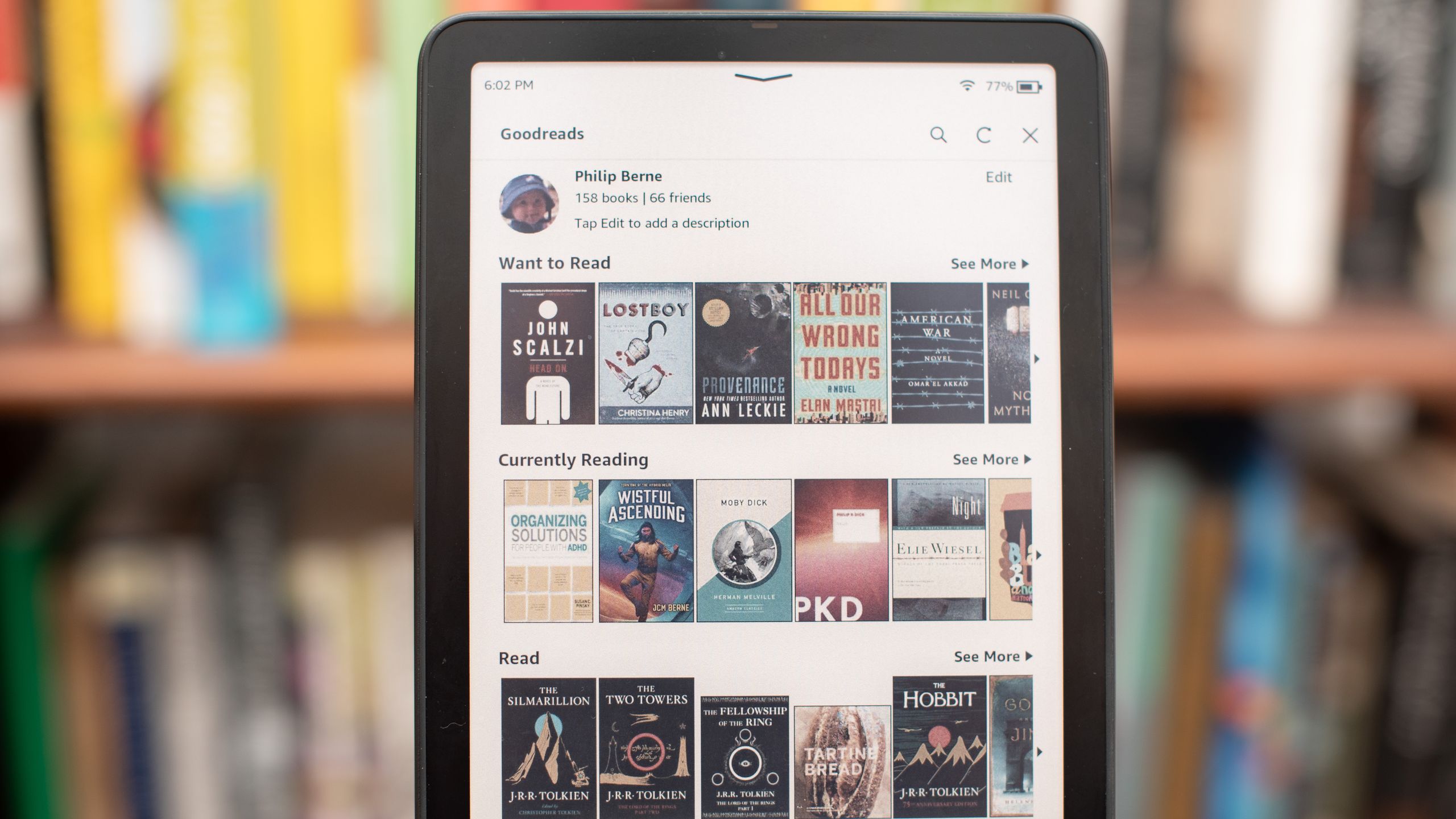
The Kindle Colorsoft is Amazon’s first foray into color e-ink technology. Utilizing a specialized light guide and an advanced oxide backplane, the Colorsoft maintains the high contrast of black-and-white text while adding soft, pastel-like colors for book covers, highlighted passages, and graphic novels. At the $179 sale price, it is positioned aggressively against competitors like the Kobo Libra Colour, which has recently gained significant market share.
Comparative Savings Table
| Model | MSRP | Sale Price | Total Savings (w/ Case & Warranty Value) |
|---|---|---|---|
| Kindle Kids | $129 | $99 | ~$60 |
| Paperwhite Kids | $179 | $139 | ~$80 |
| Colorsoft Kids | $269 | $179 | ~$130 |
Official Responses and Strategic Positioning
While Amazon rarely issues detailed press releases regarding its pricing algorithms, the company’s public statements during earnings calls provide context for these aggressive discounts. Amazon executives have frequently noted that "first-party device sales are a primary driver for Prime membership retention."
Industry analysts from firms like Gartner and Forrester suggest that the early Kindle sale is a defensive maneuver. "Amazon is facing unprecedented competition in the e-reader space from companies like Remarkable and Onyx Boox, which offer note-taking capabilities, and Kobo, which beat Amazon to the color e-ink market," says one retail analyst. "By slashing the price of the Colorsoft Kids just months after its release, Amazon is attempting to reclaim the narrative and dominate the holiday gift-giving conversation before its rivals can gain more ground."
Furthermore, the emphasis on "Kids" versions allows Amazon to clear inventory of specific SKUs while appearing to cater to the "back-to-school" or "educational" market, even though they are well aware of the "adult-buyer" phenomenon.
Implications: The Future of E-Reading and Consumer Behavior
The implications of these early deals extend beyond a simple discount. They signal a shift in how e-readers are perceived in the broader tech hardware market.
1. The Normalization of Color E-Ink
For years, color e-ink was a niche product plagued by ghosting and low resolution. Amazon’s aggressive pricing of the Colorsoft indicates that the technology has finally reached "prime time." As more users adopt color Kindles, we can expect a surge in the digital sales of comics, cookbooks, and children’s literature—genres that were previously better served by tablets like the iPad.
2. The Subscription-First Model
The inclusion of Kindle Unlimited and Audible trials with these deals highlights Amazon’s long-term goal. The hardware is a "loss leader" or sold at near-cost to secure a recurring revenue stream. For consumers, this means cheaper devices, but for the publishing industry, it means further consolidation of Amazon’s power over how books are distributed and compensated.
3. Sustainability and Longevity
Kindles are famously durable. Unlike smartphones, which many consumers replace every 2–3 years, Kindles often last 6–8 years. By offering a 2-year worry-free guarantee on the Kids models, Amazon is essentially betting on the longevity of its hardware to keep users in the store for the better part of a decade.
Conclusion: Is Now the Time to Buy?
For the savvy consumer, the current pre-Prime Day window offers a rare alignment of value and performance. The "Kids edition" strategy remains one of the most effective ways to secure a premium Kindle experience—complete with a case and an industry-leading warranty—at a price point that the standard versions rarely match.
Whether you are a minimalist reader opting for the $99 standard Kindle or a graphic novel enthusiast eyeing the $179 Colorsoft, these deals represent the floor for Kindle pricing in 2024. As the official Prime Day approaches, stock levels on these specific bundles are expected to fluctuate, making the "early bird" window the most reliable time to upgrade your digital library. In the high-stakes game of retail chicken, Amazon has blinked first, and the readers are the ones who stand to win.