"Jaadugar: A Witch in Mongolia" Poised to Captivate Audiences as Anime’s Next Historical Epic
By Debopriyaa Dutta
Published June 18, 2026, 6:00 AM EDT
Anime has long excelled at transporting viewers to meticulously crafted historical periods, blending rigorous research with imaginative storytelling to create worlds that are both familiar and fantastical. From the brutal battlefields of feudal Japan in Takehiko Inoue’s "Vagabond" to the opulent yet treacherous courts of pre-revolutionary France in "The Rose of Versailles," historical anime and manga have consistently offered compelling narratives that resonate deeply with audiences. Now, a new contender is set to join the ranks of these acclaimed works: "Jaadugar: A Witch in Mongolia," an adaptation of the engrossing 13th-century tale "A Witch’s Life in Mongol," brought to life by the renowned animation studio Science Saru. Set to premiere on Crunchyroll this July, the series promises a rich tapestry of historical detail, complex character development, and a gripping narrative that could very well mark it as anime’s next sleeper hit.
The Allure of Historical Anime: A Legacy of Depth and Detail
The appeal of historical anime and manga lies in their unique ability to immerse audiences in bygone eras. These narratives are not mere historical accounts; they are vibrant explorations of human experience, cultural nuances, and societal structures that, while distant in time, often echo contemporary concerns. Titles like "Vinland Saga," which plunges into the visceral world of 11th-century Viking warfare, or the aforementioned "The Rose of Versailles," which dissects the socio-political climate leading to the French Revolution, demonstrate how animation can breathe life into historical texts, making them accessible and engaging for a global audience.
The magic of historical storytelling in this medium often stems from its dual foundation: painstaking research that grounds the narrative in verifiable fact, and the creative license taken to weave compelling fictional threads. This fusion allows for the creation of characters whose struggles, triumphs, and moral dilemmas feel both authentic to their time and universally relatable. The visual medium of anime, with its capacity for dynamic action, intricate world-building, and nuanced emotional expression, is particularly adept at heightening these historical settings, transforming them into breathtaking cinematic experiences. "Jaadugar: A Witch in Mongolia" appears poised to leverage this potent combination, offering a glimpse into a pivotal yet often under-explored period of history.
Unveiling "Jaadugar: A Witch in Mongolia": A Journey Through the Mongol Empire
Set to debut on July 4th, "Jaadugar: A Witch in Mongolia" is the latest project from Science Saru, a studio celebrated for its distinctive visual flair and its commitment to adapting diverse and often challenging source material. The studio’s upcoming "Ghost in the Shell" adaptation has already generated significant buzz, underscoring their ambition and capability. With "Jaadugar," they turn their attention to the 13th century, a period marked by the vast expansion of the Mongol Empire under Genghis Khan.
The anime adapts "A Witch’s Life in Mongol," a manga praised for its intricate character portrayals and a vividly rendered world that faithfully reflects the historical and cultural traditions of the era. The initial teasers hint at a visual style that, while appearing somewhat sweet and cartoon-like, masterfully contrasts with the often harsh realities of its historical setting, immediately drawing viewers into its unique atmosphere.
The Plot: From Scholar’s Slave to Imperial Captive
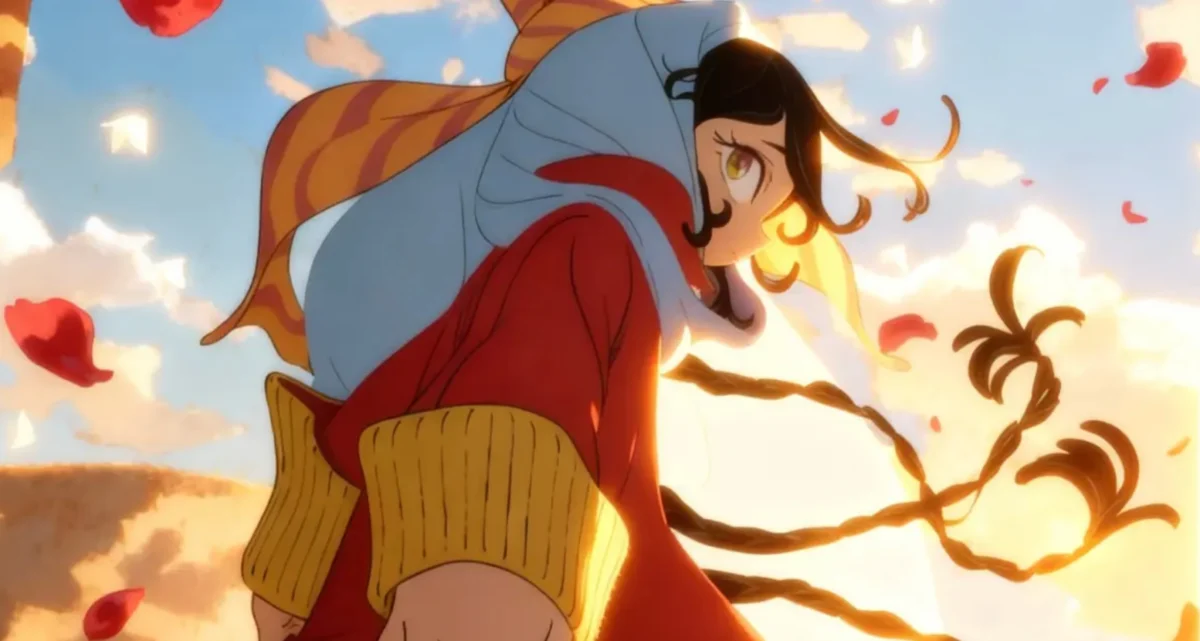
The narrative of "Jaadugar: A Witch in Mongolia" centers on Sitara, a young orphan girl in the city of Tus, Persia, during the Islamic Golden Age. Sold into slavery, she finds herself in the service of a family of academic scholars. Her upbringing is remarkably robust, equipping her with a profound understanding of mathematics, astronomy, and a wide array of scholarly disciplines. This period of intellectual cultivation, however, is tragically interrupted.
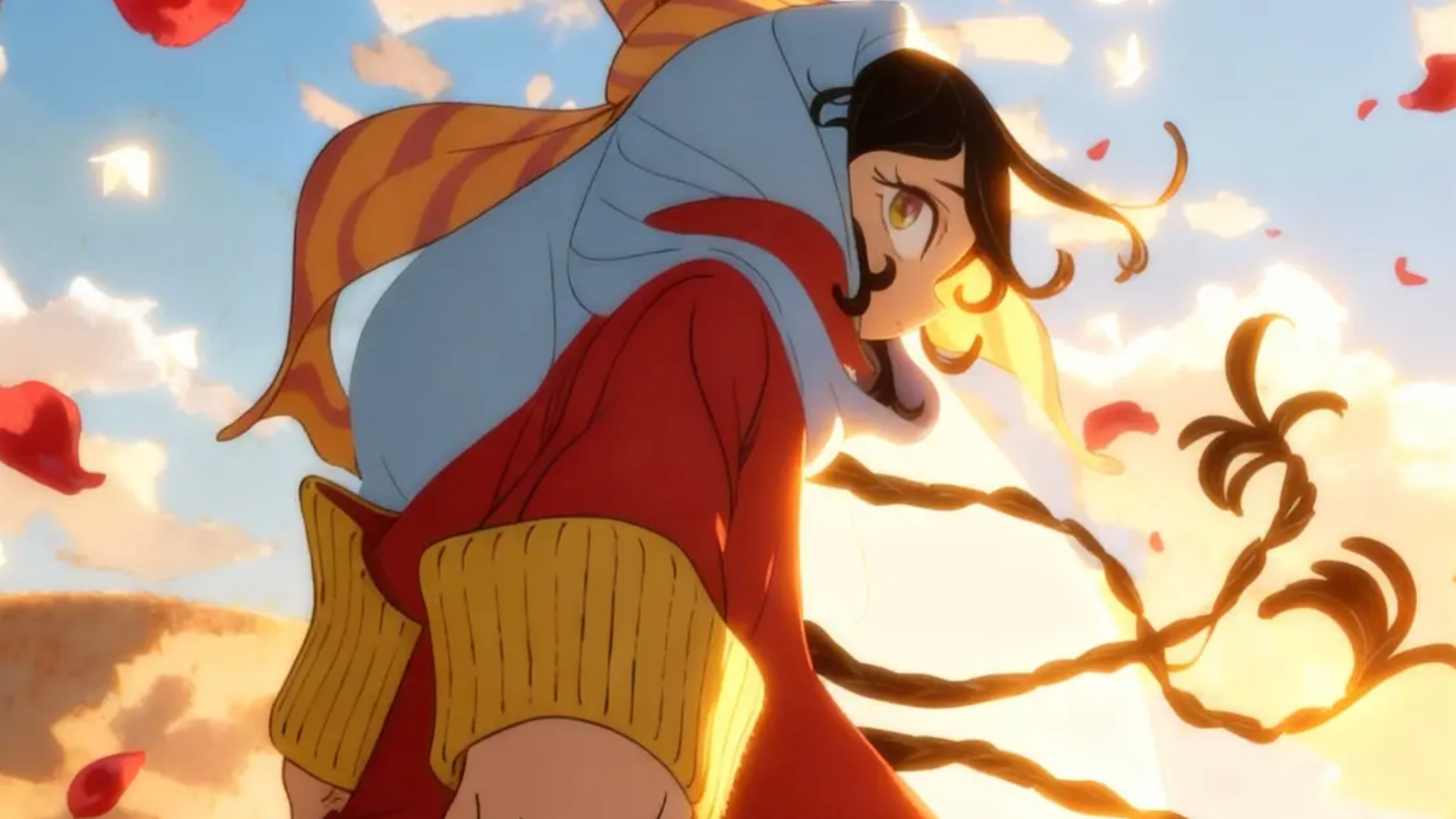
Tus is brutally sacked by the invading Mongol hordes led by Genghis Khan. Amidst the chaos and destruction, Sitara’s primary concern becomes the preservation of the precious family library, a testament to the knowledge and learning she has come to cherish. Her efforts to protect this repository of wisdom lead her into a perilous encounter with one of Khan’s sons, Tolui, who takes her captive and brings her to the opulent yet politically charged Mongolian court.
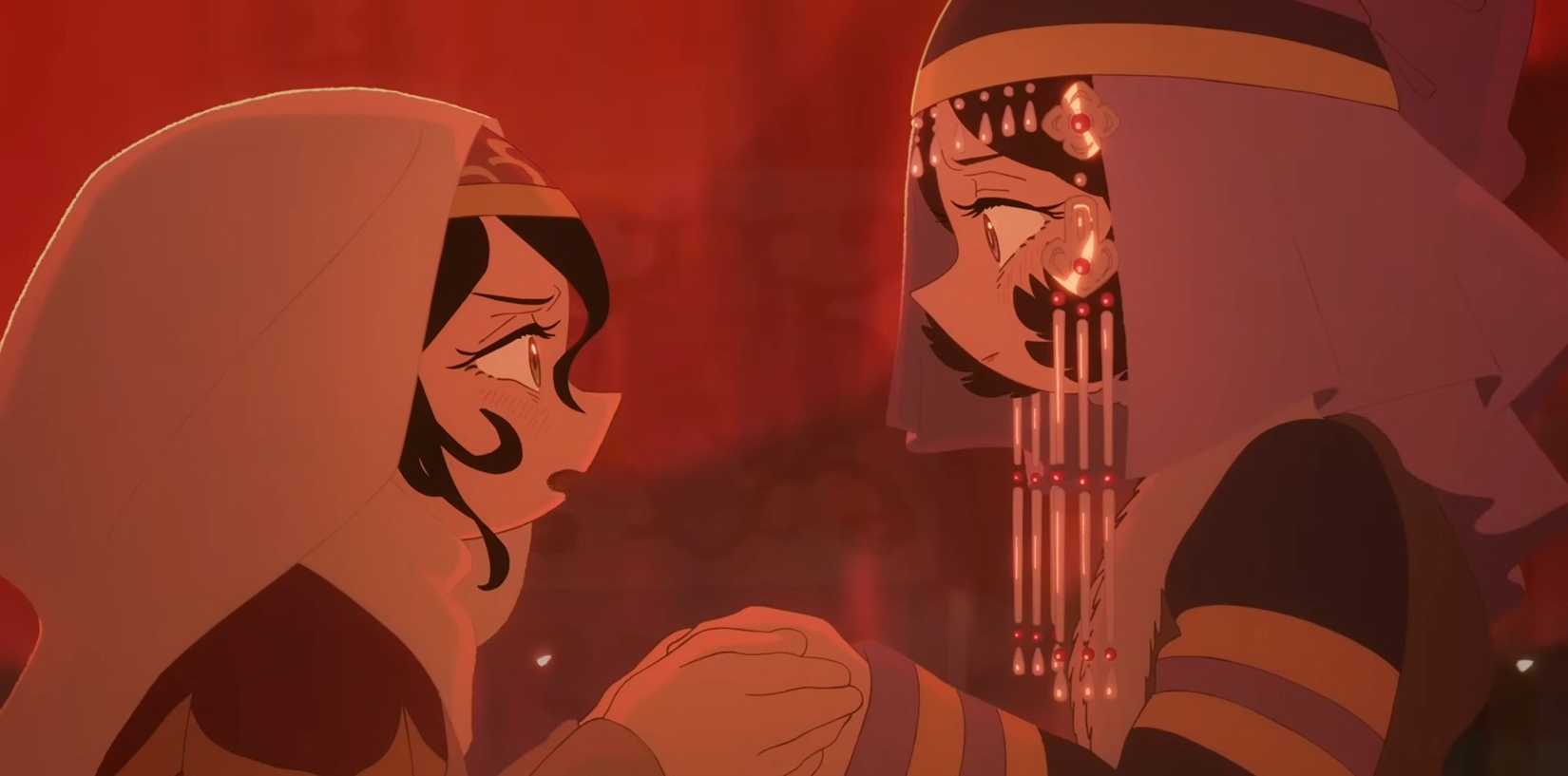
The story then chronicles Sitara’s fight for survival within this alien and often hostile environment. Her journey is one of resilience, where she must leverage her extensive knowledge to navigate the complex political landscape of the imperial court. The term "witch," as depicted in the narrative, is not a signifier of arcane power but rather a derogatory label applied to educated and outspoken women like Sitara. In a patriarchal society where women’s voices are often suppressed, she must engage in subtle yet determined political maneuvering to challenge and subvert the entrenched traditions that govern the empire’s leadership.
The anime’s tagline, "the tale of a witch who toyed with a vast continent," encapsulates the ambitious scope of Sitara’s journey. Her story is not merely about personal survival; it is about the quiet, often overlooked, power of intellect and agency in a world dominated by brute force and rigid social hierarchies.
A Convergence of Talent: The Creative Forces Behind "Jaadugar"
The potential for "Jaadugar: A Witch in Mongolia" to become a significant success is bolstered by the exceptional talent involved in its production. Science Saru, a studio that has consistently delivered visually striking and thematically rich anime such as "Tatami Time Machine Blues," "Devilman Crybaby," and the upcoming "Ghost in the Shell," brings its signature artistic vision to this project. Their ability to imbue each series with a distinct aesthetic, whether it’s the surreal fluidity of "Devilman Crybaby" or the meticulous detail of their more grounded works, suggests that "Jaadugar" will be a feast for the eyes.
Crucially, the directorial helm is helmed by Naoko Yamada, a director celebrated for her sensitive and nuanced storytelling. Her previous works, including the critically acclaimed "A Silent Voice" and the visually enchanting "The Colors Within," demonstrate a profound understanding of character psychology and emotional depth. Yamada’s involvement provides a strong indication that the historical and cultural tenets of "A Witch’s Life in Mongol" will be handled with immense tact and sensitivity, ensuring that the complex themes of oppression, knowledge, and female agency are explored with the respect they deserve.
Furthermore, the character designs by Kenichi Yoshida are a significant draw. Yoshida, whose previous work includes key animation for iconic films like Hayao Miyazaki’s "Princess Mononoke" and the thought-provoking "Den-noh Coil," is renowned for his distinctive and memorable character art. Combined with the art direction by Abel Gongora, the visual presentation of "Jaadugar: A Witch in Mongolia" is poised to be both breathtaking and deeply resonant, creating a world that feels both historically grounded and imaginatively rendered.
Why "Jaadugar" is Poised for Sleeper Hit Status
The unique blend of historical setting, compelling protagonist, and a team of visionary creators positions "Jaadugar: A Witch in Mongolia" as a prime candidate for an anime sleeper hit. The narrative itself offers a compelling hook: a young, orphaned girl thrust into circumstances of extreme hardship and political intrigue, who must rely on her intellect and inner strength to survive and thrive. Sitara’s journey from a slave in a scholarly household to a captive in the heart of the Mongol Empire is inherently dramatic, filled with potential for suspense, intellectual battles, and quiet acts of defiance.

The manga’s source material is lauded for its complex characters, and Sitara, in particular, is described as a protagonist who, despite her disadvantaged position, consistently exercises meaningful agency. Her approach to the world is characterized by a gentle demeanor, yet she possesses the wisdom to channel her emotions, including righteous anger, when necessary. This complexity becomes even more pronounced when she enters the imperial court, a crucible where intellect and cunning are not merely advantageous but essential for women seeking to exert influence and enact change, even if subtly.
The series promises to delve into tense political maneuvering and the ingenious strategies employed by a young woman striving for agency against systemic oppression. For viewers who may be new to historical anime, "Jaadugar: A Witch in Mongolia" presents an ideal entry point. It offers a captivating narrative that is both educational and deeply engaging, demonstrating the power of historical fiction to illuminate universal themes of resilience, intelligence, and the enduring human spirit.
The historical context of the 13th century, a period of immense upheaval and cultural exchange across Eurasia, provides fertile ground for storytelling. The clash between the scholarly traditions of the Islamic world and the vast, expanding empire of the Mongols offers a rich backdrop for exploring themes of cultural preservation, adaptation, and the inherent conflicts that arise when different worlds collide. Sitara’s role as a bridge between these worlds, armed with knowledge from one and forced to navigate the power structures of the other, makes her a fascinating and potentially inspiring figure.
Supporting Data and Context: The Mongol Empire’s Influence
To fully appreciate the setting of "Jaadugar: A Witch in Mongolia," understanding the historical context of the 13th-century Mongol Empire is crucial. Genghis Khan, who rose to power in 1206, united the nomadic tribes of Northeast Asia and launched a series of conquests that created the largest contiguous empire in history. This expansion had profound impacts on trade, culture, and politics across Eurasia, facilitating the Silk Road trade and leading to significant cultural exchange between East and West.
The sacking of cities like Tus, a significant center of learning and culture in Persia, was a common occurrence during the Mongol conquests. However, the Mongols were also patrons of the arts and sciences, often integrating scholars and artisans from conquered territories into their own administration and court. This dynamic creates a complex backdrop for Sitara’s story. Her knowledge, initially a threat or a tool for subjugation, could potentially become a valuable asset to the Mongol court, forcing her to make difficult choices about how to utilize her intellect and preserve her integrity.
The Islamic Golden Age, which preceded and overlapped with the Mongol invasions, was a period of significant intellectual and scientific advancement. Cities like Tus were hubs of scholarship, housing extensive libraries and fostering a rich intellectual tradition. The destruction of such centers represented a significant loss, but also a potential catalyst for new forms of knowledge dissemination and integration, as scholars were dispersed and their works carried across vast distances. Sitara’s role in protecting the library and later navigating the Mongol court places her at the intersection of these transformative historical forces.
Official Statements and Studio Vision
While specific official statements from Science Saru or Crunchyroll regarding "Jaadugar: A Witch in Mongolia" beyond initial announcements are not yet public, the studio’s track record speaks volumes about their commitment to quality and thoughtful adaptation. Science Saru’s consistent delivery of visually innovative and thematically resonant anime suggests a deliberate approach to source material selection and a dedication to honoring the essence of the stories they bring to the screen.
The choice to adapt "A Witch’s Life in Mongol" signals an interest in exploring narratives that challenge conventional historical portrayals and offer nuanced perspectives on historical figures, particularly women. The studio’s reputation for tackling ambitious projects, such as their upcoming "Ghost in the Shell" adaptation, indicates a confidence in their ability to handle complex narratives and a desire to push the boundaries of anime storytelling.
Implications for the Anime Landscape
The arrival of "Jaadugar: A Witch in Mongolia" on Crunchyroll carries several implications for the anime landscape. Firstly, it highlights the continued demand for diverse and historically rich anime content. As audiences increasingly seek out narratives that offer depth and educational value alongside compelling entertainment, historical anime like "Jaadugar" are poised to gain significant traction.
Secondly, it underscores the growing influence of studios like Science Saru, whose distinctive artistic vision and commitment to quality are shaping the future of anime. Their ability to attract top-tier talent, such as director Naoko Yamada and character designer Kenichi Yoshida, further solidifies their position as a leading force in the industry.
Finally, the series’ potential as a "sleeper hit" could pave the way for further adaptations of lesser-known historical manga, encouraging a broader exploration of historical periods and narratives within the anime medium. It demonstrates that with meticulous craftsmanship and a compelling story, anime can continue to captivate audiences with its ability to transport them to different times and places, offering profound insights into the human condition.
"Jaadugar: A Witch in Mongolia" promises to be a significant addition to the historical anime canon, offering viewers a chance to immerse themselves in a fascinating era through the eyes of a remarkably resilient and intelligent protagonist. Its premiere on July 4th on Crunchyroll is an event that anime enthusiasts, and indeed anyone with an appreciation for compelling storytelling, should mark on their calendars.