Sovereign Tower: A Masterclass in Stylistic Purity and Evocative Game Design
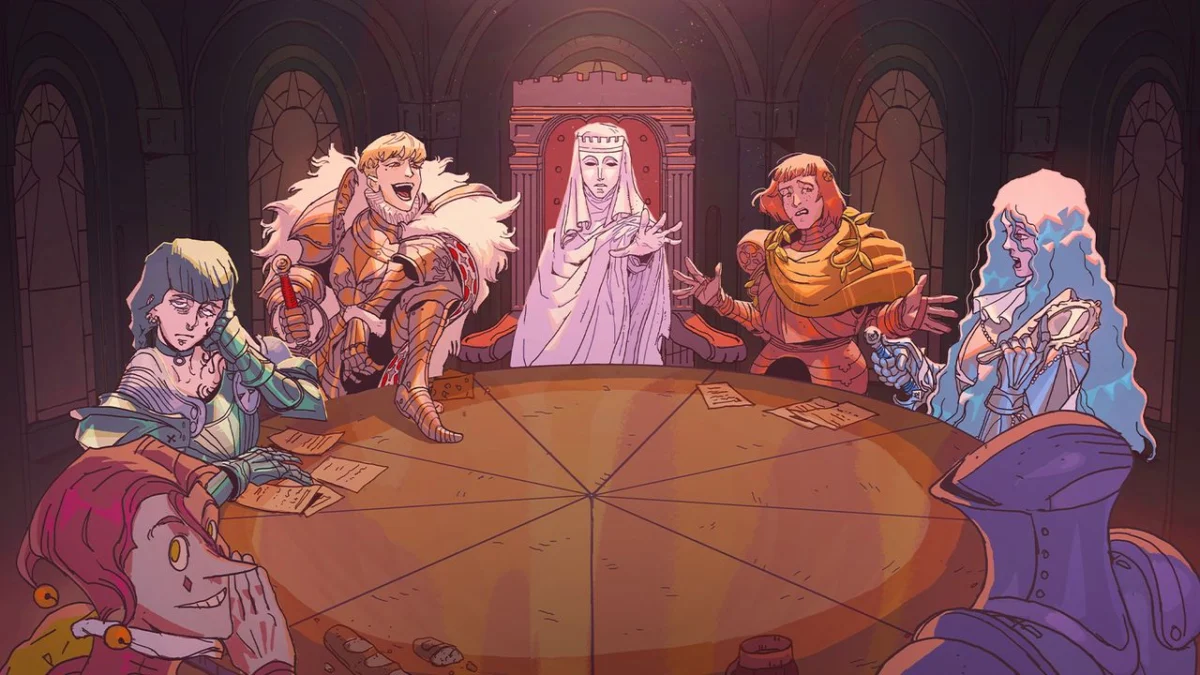
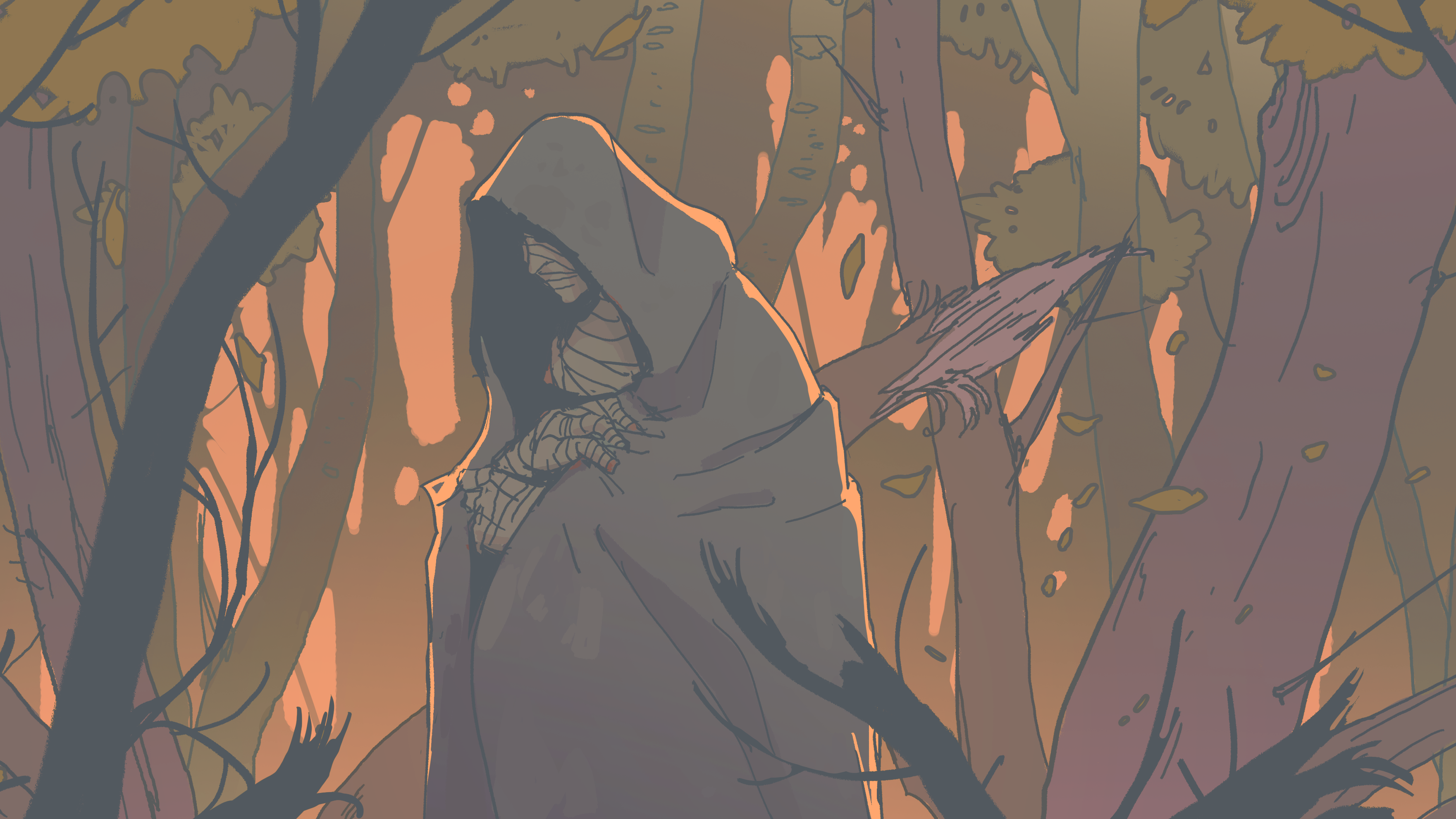
In an industry often driven by the relentless pursuit of graphical fidelity and expansive open worlds, the upcoming indie title Sovereign Tower by Wild Wits Games is charting a refreshingly distinct course. Eschewing grand scale for a singular, meticulously crafted environment – a mystical tower – the game places its faith in the power of its art direction to captivate players. This approach, spearheaded by art director Gobert, utilizes elegant line art and a vibrant color palette to imbue each character and element with profound density and narrative weight. The result is a game where visual storytelling and gameplay systems intertwine, allowing the personalities of the Autharian knights to clash as fiercely as their swords.
The artistic vision behind Sovereign Tower is brought to life through a sophisticated process. Initially painted in Photoshop, the artwork is then seamlessly integrated into the Godot game engine. This deliberate choice in workflow ensures that the art communicates intent with immediate clarity and impact. It is this illustration-led art direction that has already begun to resonate deeply with players, amassing an impressive 2.2 million views on Instagram alone. Gobert’s personal artistic style, a potent blend of fine art traditions and contemporary flair, is the bedrock of the game’s design. This style is capable of imbuing characters with instant personality, drawing inspiration from the rich visual language of artists like the influential Russian painter Ivan Bilibin.
Sovereign Tower is slated for release on August 6th, and in anticipation, we delve deeper into its unique artistic philosophy with Gobert himself. He shares insights into the creative process, the inspirations behind the game’s aesthetic, and offers valuable advice for aspiring game artists looking to forge their own distinctive styles.
The Genesis of a Stylistic Vision
Creative Bloq (CB): How did your personal interests, art, and style influence Sovereign Tower‘s visual style?
Gobert: More so than our previous games, Sovereign Tower is a project that is very much rooted in my original artistic style. I’ve consciously placed a stronger emphasis on my most cherished inspirations, which include the intricate detail of old-school etchings and the timeless charm of classical fairy tale illustrations. This fusion allows for a visual language that is both familiar and distinct, creating an immediate emotional connection with the player.
CB: What inspired the game’s compelling mix of medieval fantasy and illustration-driven design?
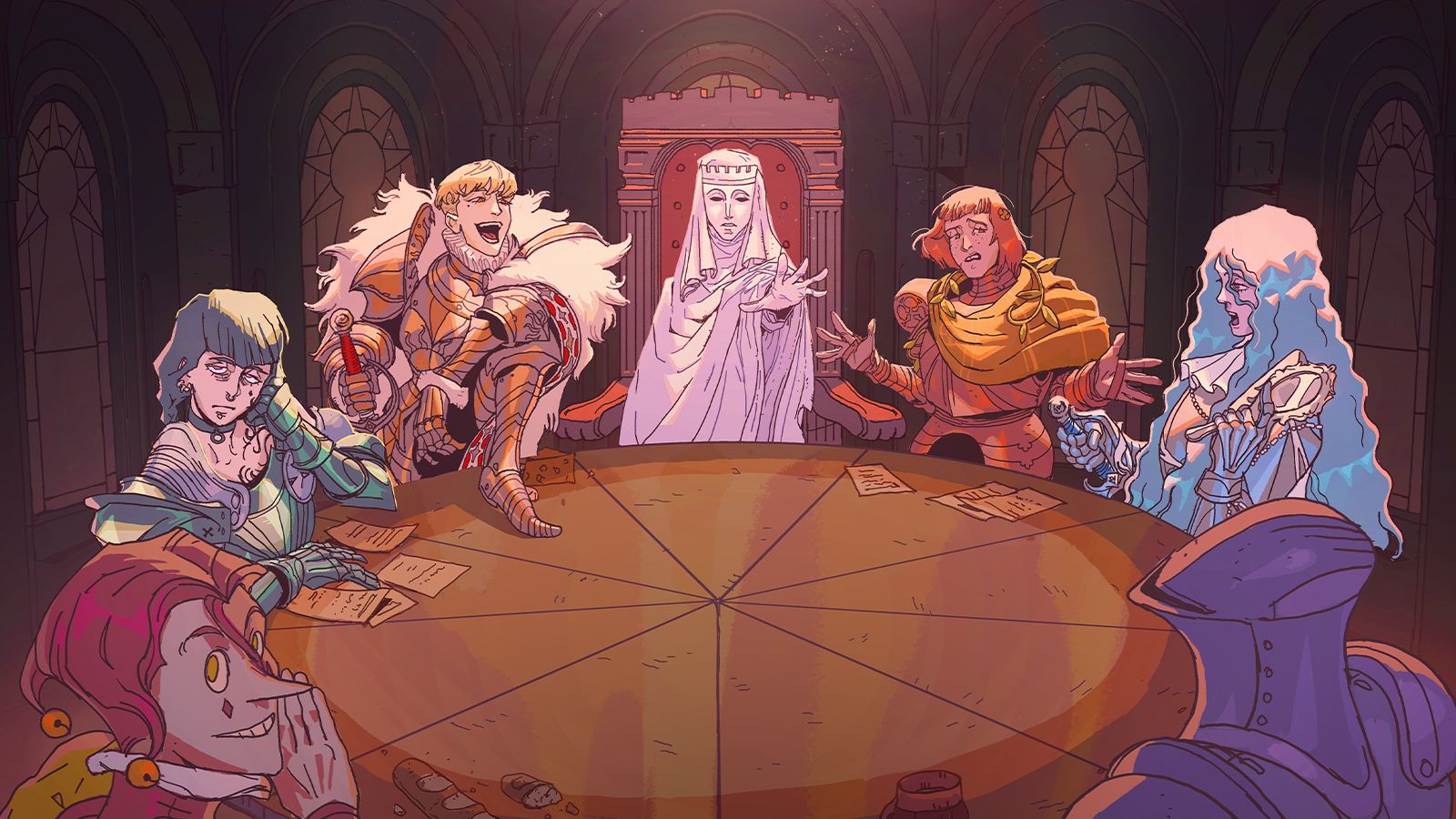
Gobert: There are several compelling reasons behind this particular blend. Firstly, from a practical standpoint, it’s quite cost-efficient. I’ve undertaken the entirety of the art development for this project solo, which would have been an insurmountable challenge with a more technically demanding art style.
As for the medieval inspirations, they’ve long been a personal staple for me. It felt like a natural and obvious choice to lean into this setting, especially since we still had a wealth of ideas we were eager to explore within that particular thematic framework. Furthermore, it’s a setting that resonates broadly with most players. Arthurian-esque narratives, in particular, are fairly common and recognizable across global cultures, which aids in player immersion and understanding.
CB: Why did you opt for stylization over realism for the art direction?
Gobert: We were certain from the outset that we would be developing a 2D game, a decision informed by our prior experiences. Consequently, exploring realism didn’t seem like a relevant or necessary path. More broadly, realism isn’t something that particularly interests us as a team. We are far more drawn to the exploration of original and fresh aesthetics that can push creative boundaries.
CB: How do you balance historical influences with fantasy world-building?
Gobert: We established early on our intention to create a fantasy game, firmly adhering to the Arthurian theme. Our initial aim was to capture a tone reminiscent of ancient tales – a relatively archetypal medieval world with a somewhat light touch of fantasy elements.
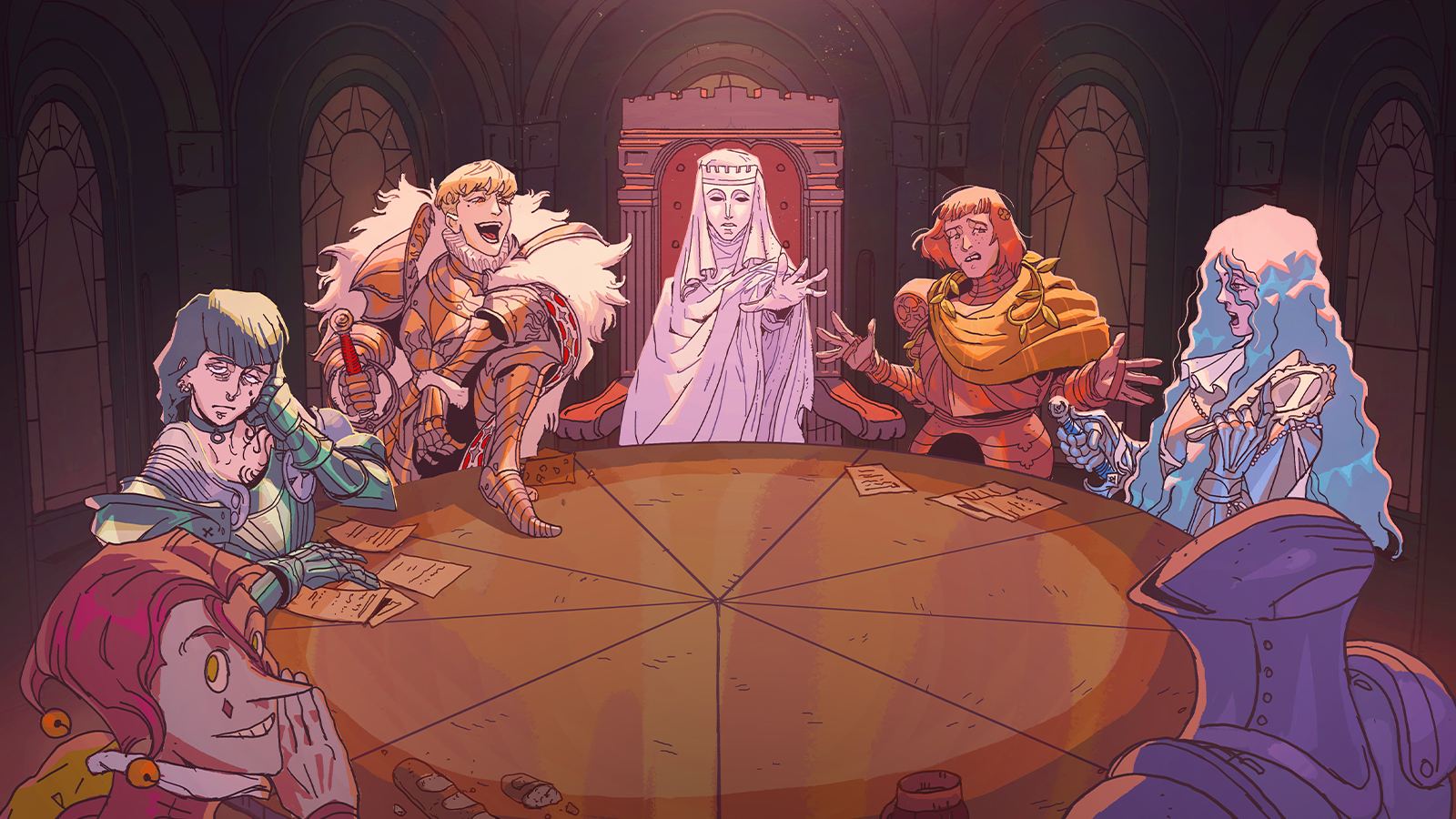
As development progressed, we found ourselves taking increasingly more creative liberties with the established setting. The world of Sovereign Tower has evolved to incorporate a significantly richer tapestry of fantasy elements than we initially envisioned.
On a more visual level, I draw inspiration from historical pieces for the armor and clothing designs. However, I also heavily consult a vast array of old illustrations from diverse historical periods. This allows me to integrate a broad spectrum of Arthurian aesthetics that have been interpreted and developed throughout history, from the 1800s to the Renaissance.
CB: What references were on your mood board from day one?
Gobert: I believe Ivan Bilibin and the numerous artists of his era were the foundational artistic inspirations I brought to the project from its inception. Bilibin, in particular, has always been an artist I deeply admired. My primary ambition for the game was to create an experience that felt akin to a living, breathing illustrated storybook. This vision guided every artistic decision, aiming for a world that players could step into and explore as if turning the pages of a cherished tale.
CB: When designing a character, what comes first: story, silhouette, or costume?
Gobert: It truly depends on the specific character. Some of the more unexpected characters have emerged from simple doodles, with a strong emphasis on their silhouettes. These initial concepts would then gradually find their place within the narrative and roles we envisioned for them within the game’s world. Conversely, many of the main characters are developed with a more pronounced focus on their backstory and are typically conceived based on a particular character archetype that I wish to explore.
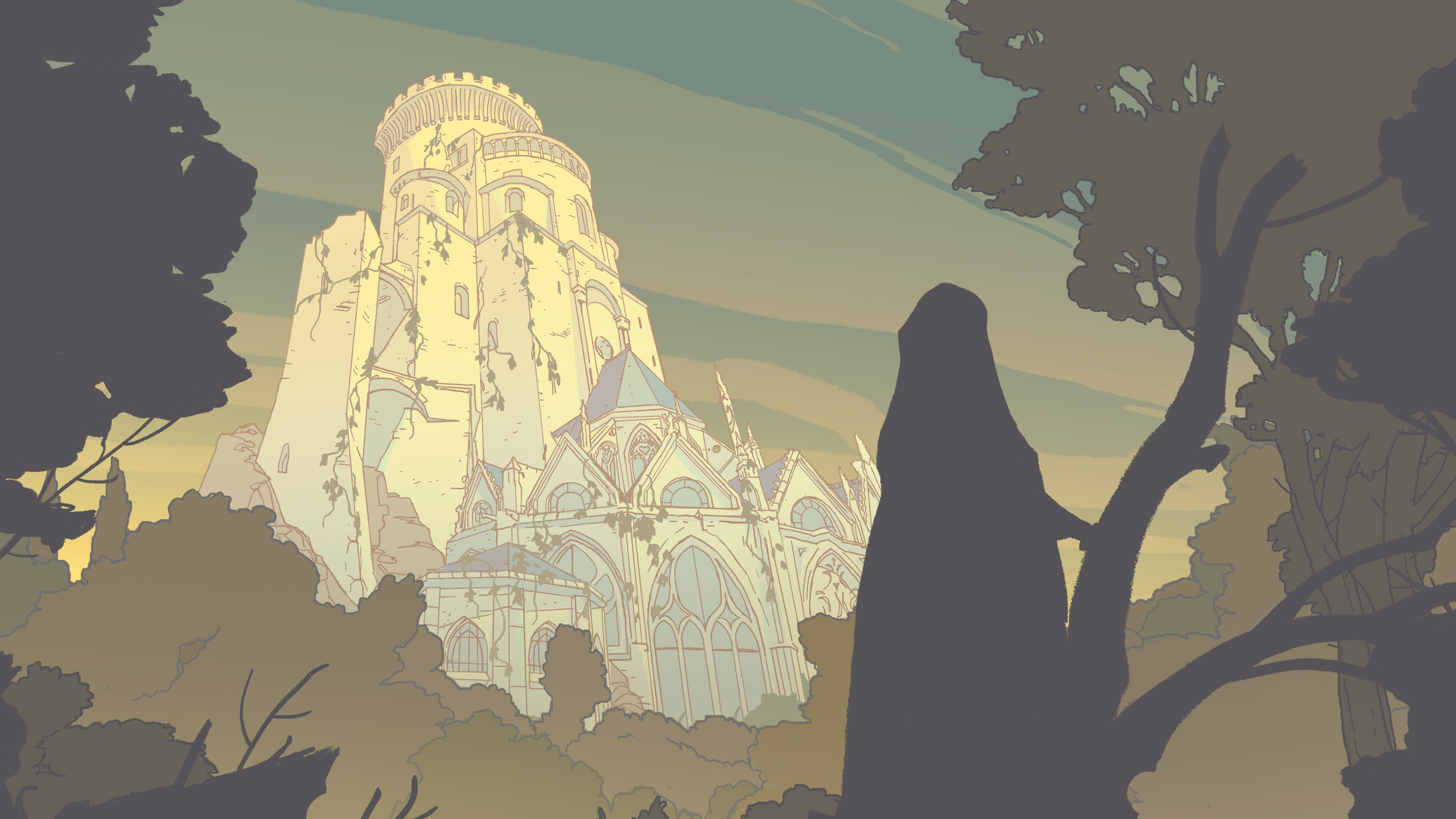
If I were to generalize, the initial visual step is almost always the silhouette. However, the narrative component can precede or follow this, depending entirely on the project’s specific requirements and developmental stage.
CB: Which tools were essential to creating the game’s look, and why?
Gobert: For this project, we’ve consistently utilized Godot as our game engine, a reliable and versatile platform. We’ve also incorporated Inky for the narration system. On my end, I rely on Photoshop for the majority of my artistic work.
However, it’s crucial to emphasize that none of our tools are absolutely essential or irreplaceable for this particular game. In fact, I would go so far as to say that the specific tools employed are somewhat secondary. The true uniqueness of our game stems from the skills and talent of our team members. Our focus has never been on leveraging extremely complex features or achieving groundbreaking technical advancements. Instead, our priority has been the creation of original and engaging content that resonates with players on an artistic and emotional level.
CB: What lessons from your personal illustration work carried into Sovereign Tower?
Gobert: During my student years, my primary aspiration was to become a comic artist. If one aims to succeed in that industry, a critical skill to cultivate is the ability to develop an art style that allows for rapid execution while maintaining a high level of visual quality.
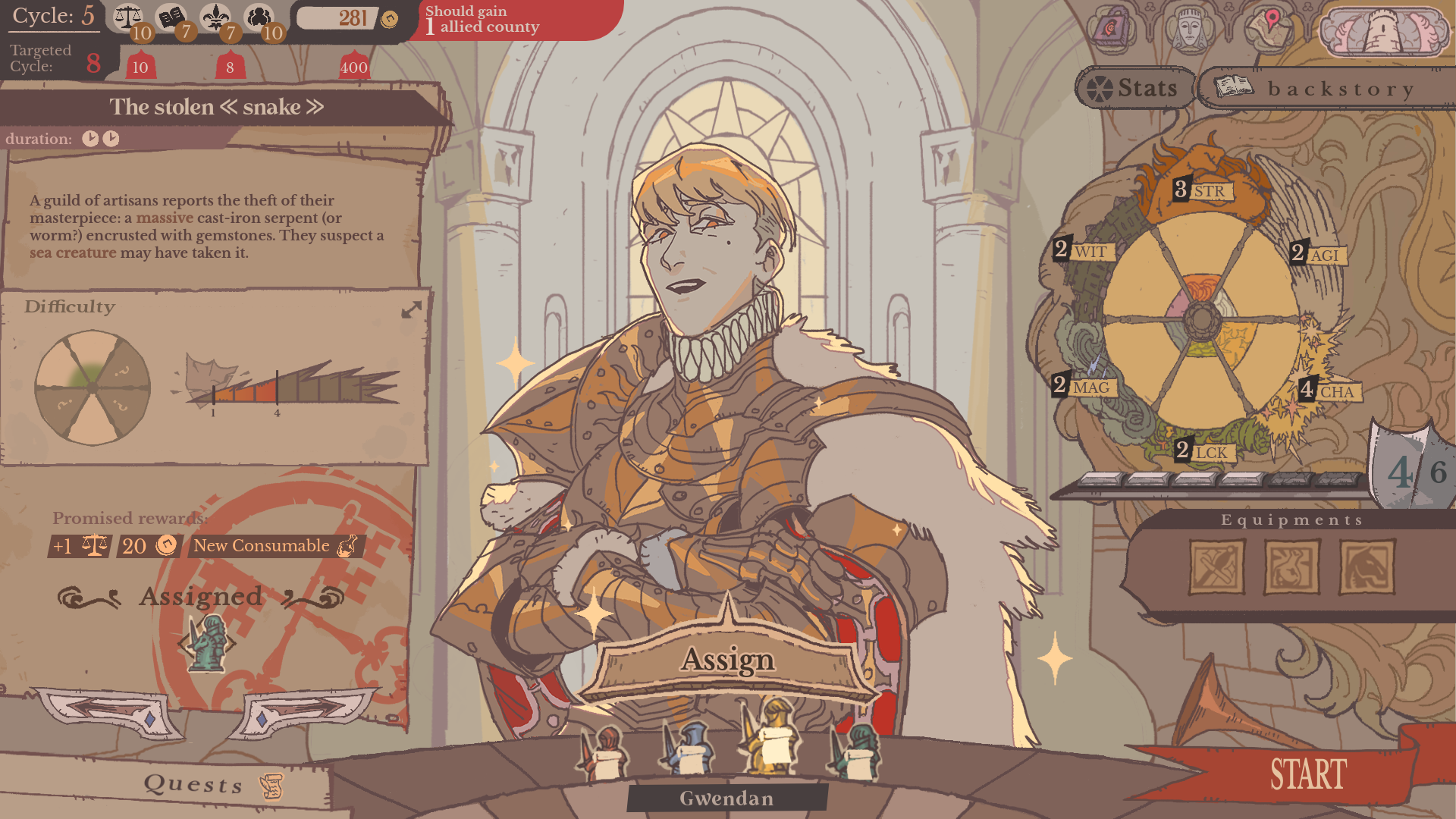
This experience has directly translated into my work on video games. I continuously strive to find that optimal balance between a raw, unpolished aesthetic and dynamic, expressive linework. This approach not only allows me the time to focus on numerous aspects of development but also equips me with the agility to incorporate new elements swiftly whenever the project necessitates it.
CB: Was there one concept piece that defined the game’s visual direction?
Gobert: The very first asset I created for Sovereign Tower was the sprite of our primary knight, Angelica, alongside the user interface for the roundtable. It was paramount for me to establish a visual anchor that would instantly convey the intended feel and look of the game. It is often through these initial mockups that I explore and solidify these core concepts.
You might be surprised to learn how little some elements have changed since those early stages. Despite minor edits and refinements, Angelica’s appearance has remained remarkably consistent, a testament to the strength of that initial artistic vision.
Developing a Distinctive Artistic Identity
CB: What’s the best advice you’d give artists trying to develop a distinctive style?
Gobert: For aspiring artists seeking to cultivate a unique and recognizable style, I offer a few key pieces of advice:
- Define Your Project’s Identity: Begin by thoroughly understanding the core identity of your project. What are its central themes? What are your primary inspirations? Strive to pinpoint precisely what makes your work stand out from the crowd.
- Cultivate Coherence: Work diligently to ensure that every asset within your creation looks as though it belongs to the same artistic universe. This principle of coherence should extend across as many facets of the game as possible, creating a unified and immersive experience.
- Mind Your Colors: Color plays a pivotal role in establishing a strong artistic identity. While coherence is once again paramount, consciously limiting your color palette is a profoundly effective strategy for achieving a striking and memorable visual signature for your project.
The Art of Sovereign Tower: A Deeper Dive
The development of Sovereign Tower is a testament to the power of artistic vision and thoughtful execution. Gobert’s journey from a student aspiring to be a comic artist to a lead art director for an anticipated indie game highlights the transferable skills and dedication required to succeed in the creative industries. The game’s success on social media, particularly on Instagram, underscores the universal appeal of strong visual storytelling, even in the absence of hyper-realistic graphics.
The Role of Line Art and Color:
Gobert’s emphasis on line art is not merely an aesthetic choice; it’s a deliberate strategy to convey information efficiently. Clean, expressive lines can define form, suggest movement, and even hint at a character’s personality with remarkable economy. Coupled with a carefully curated color palette, these elements work in tandem to create visuals that are both striking and informative. The use of color can evoke mood, highlight important gameplay elements, and further enhance characterization. In Sovereign Tower, the vibrant yet controlled use of color likely contributes to the game’s fairytale-like quality, inviting players into a world that feels both familiar and magical.
The Influence of Classical Art:
The explicit mention of Ivan Bilibin as a key influence is significant. Bilibin was renowned for his highly detailed, illustrative style that often depicted Russian folklore and historical scenes with a distinctively decorative and stylized approach. His work is characterized by bold outlines, intricate patterns, and a vibrant, almost theatrical use of color. This influence suggests that Sovereign Tower will likely feature characters and environments that are not only visually appealing but also rich in cultural and historical undertones, presented through a fantastical lens. This approach to blending historical inspiration with imaginative world-building is a hallmark of many enduring fantasy narratives.
The Practicality of Stylization:
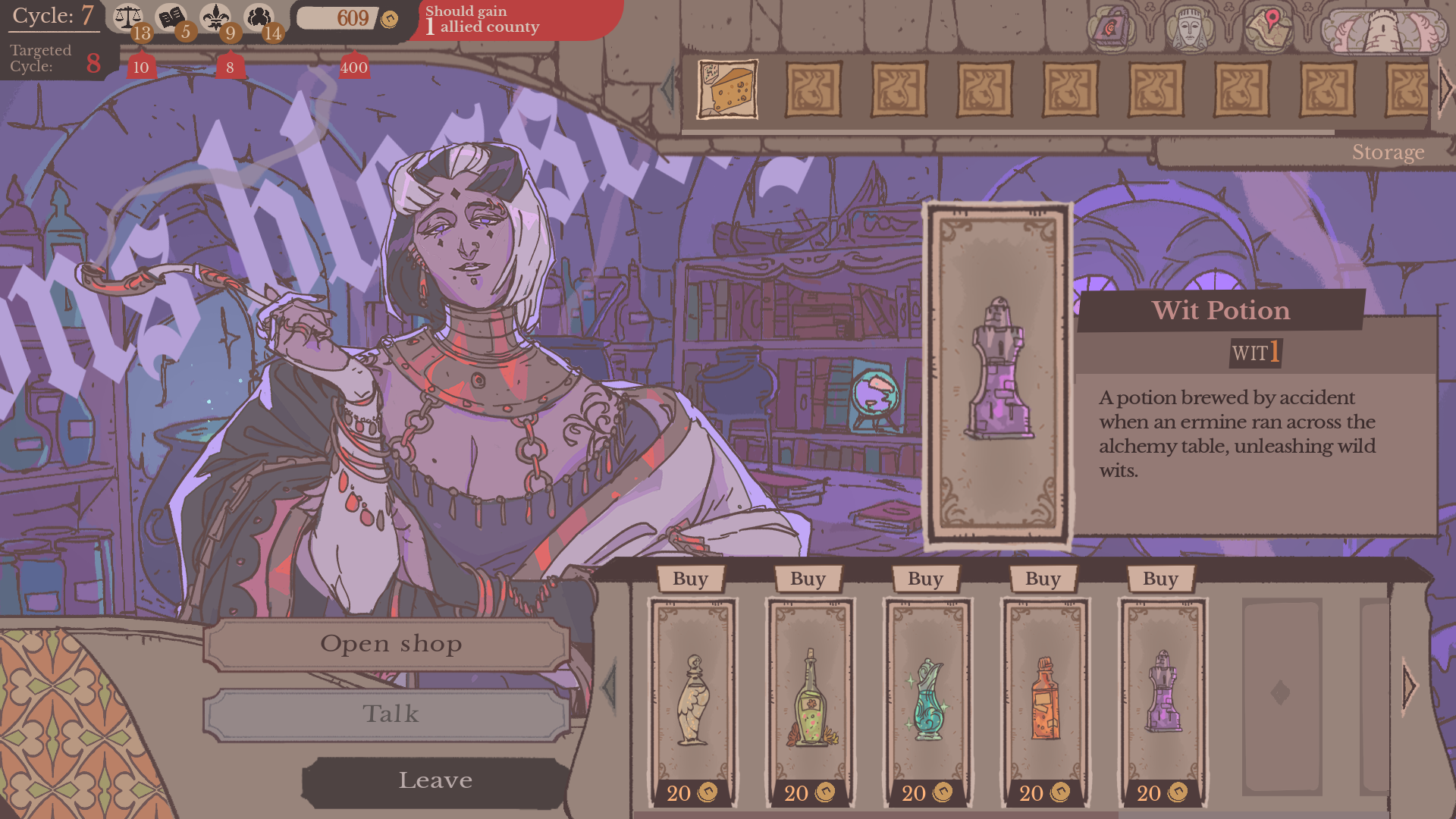
Gobert’s pragmatic approach to art direction is also noteworthy. By choosing a stylized aesthetic, the team has been able to maximize their creative output without being constrained by the immense technical demands of photorealism. This allows for a more focused development process, where the art team can concentrate on bringing their unique vision to life rather than being bogged down by asset creation complexities. This is a common strategy for successful indie developers, demonstrating that compelling art direction can often be more impactful than raw graphical power.
Character Design: A Holistic Process:
The insight into character design, where silhouette, story, and costume can all take precedence, reveals a flexible and organic creative process. The idea that even a spontaneous doodle can evolve into a fully realized character underscores the importance of embracing creative serendipity. Simultaneously, the acknowledgment that main characters often begin with a stronger narrative foundation demonstrates a commitment to building believable and relatable individuals, even within a fantastical setting. The principle that silhouette is the primary visual step highlights a fundamental understanding of character recognition and impact, a crucial element in any visual medium.
The Importance of Early Concepts:
The creation of Angelica’s sprite and the roundtable UI as the initial assets speaks volumes about the importance of establishing a strong visual identity early in development. These "proof of concept" pieces serve as a compass, guiding the rest of the art direction and ensuring that the game maintains a consistent aesthetic. The fact that Angelica remains largely unchanged is a powerful indicator of how effectively that initial vision captured the essence of Sovereign Tower.
Lessons for Aspiring Artists:
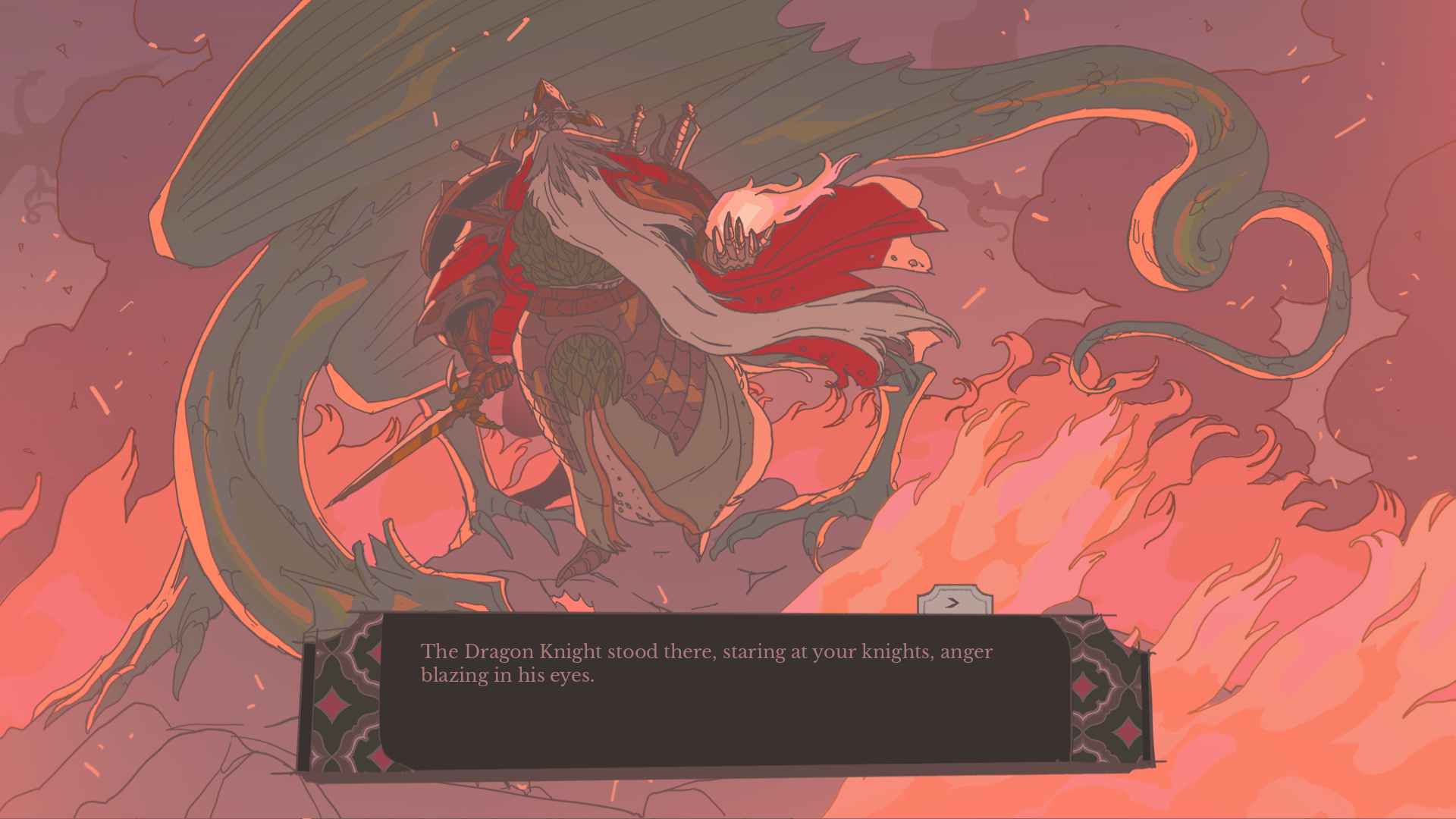
Gobert’s advice to aspiring artists is not just about technique; it’s about developing a holistic approach to art creation. The emphasis on coherence, the strategic use of color, and the dedication to understanding a project’s identity are all vital components of building a successful and distinctive artistic career. The lesson learned from the comic book industry – finding a balance between speed and quality – is a valuable takeaway for anyone working in a production-oriented field. It’s about finding efficiencies without sacrificing the artistic integrity of the work.
Conclusion
Sovereign Tower stands as a compelling example of how a focused and artistically driven vision can create a truly memorable gaming experience. By prioritizing a unique and evocative art style, Wild Wits Games is not only differentiating itself in a crowded market but also demonstrating the enduring power of illustration and thoughtful design. As the release date approaches, players eagerly anticipate stepping into the meticulously crafted world of Sovereign Tower, a testament to the fact that sometimes, the most impactful journeys are found not in sprawling landscapes, but within the elegant confines of a single, magical tower. The game’s success is poised to inspire a new wave of creators, proving that bold artistic choices, grounded in personal passion and a deep understanding of visual storytelling, can captivate millions.