
Final Fantasy VII Rebirth on Switch 2: A Monumental Achievement Pushed to Its Technological Limits
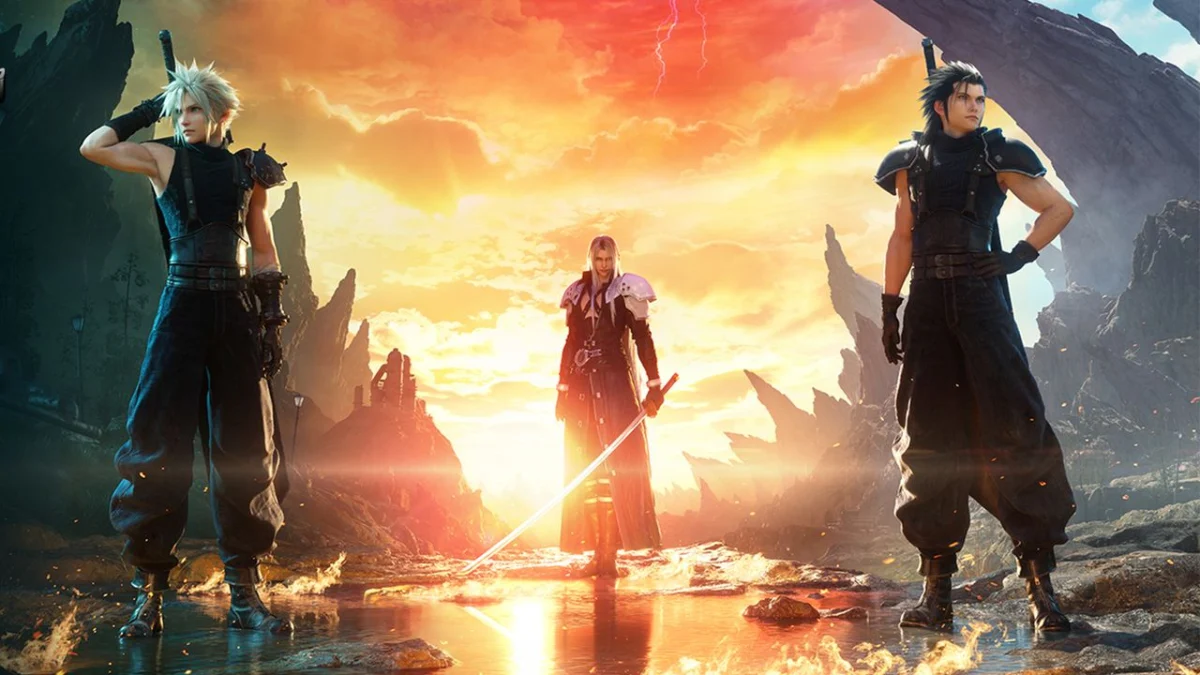
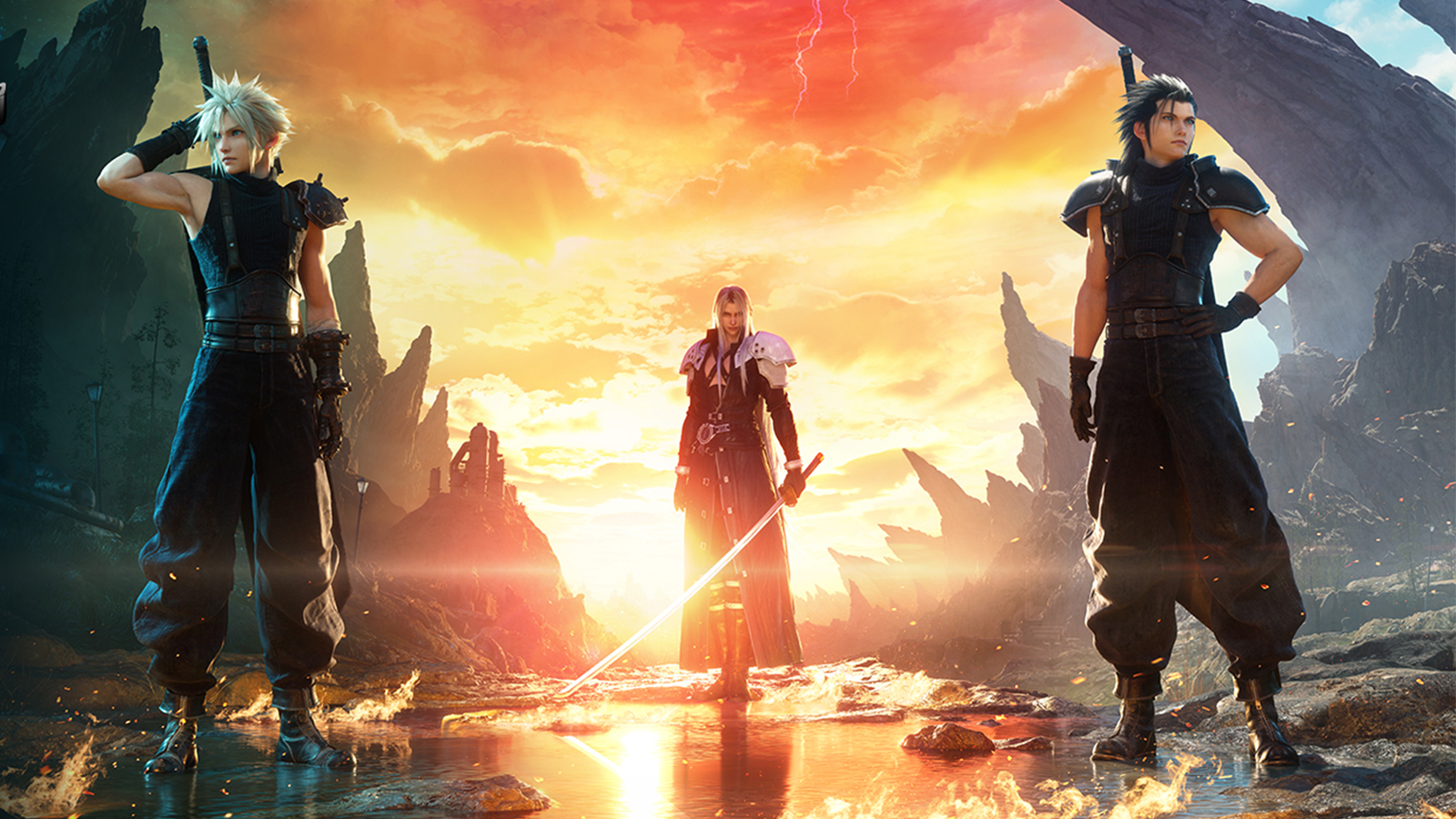
Square Enix’s epic continuation of the Final Fantasy VII saga arrives on the nascent Switch 2, delivering a breathtaking, albeit occasionally strained, experience. While the hardware grapples with the sheer ambition of the game, the core of what makes Rebirth a masterpiece remains intact: a compelling narrative, deeply realized characters, and a dynamic combat system that evolves with every encounter.
Publisher: Square Enix
Developer: Square Enix
Release Date: June 3, 2026
Platforms: Switch 2 (reviewed), PS5, Xbox Series X/S, PC
Engine: Unreal Engine 4
A World Teetering on the Brink, Mirrored by Technology
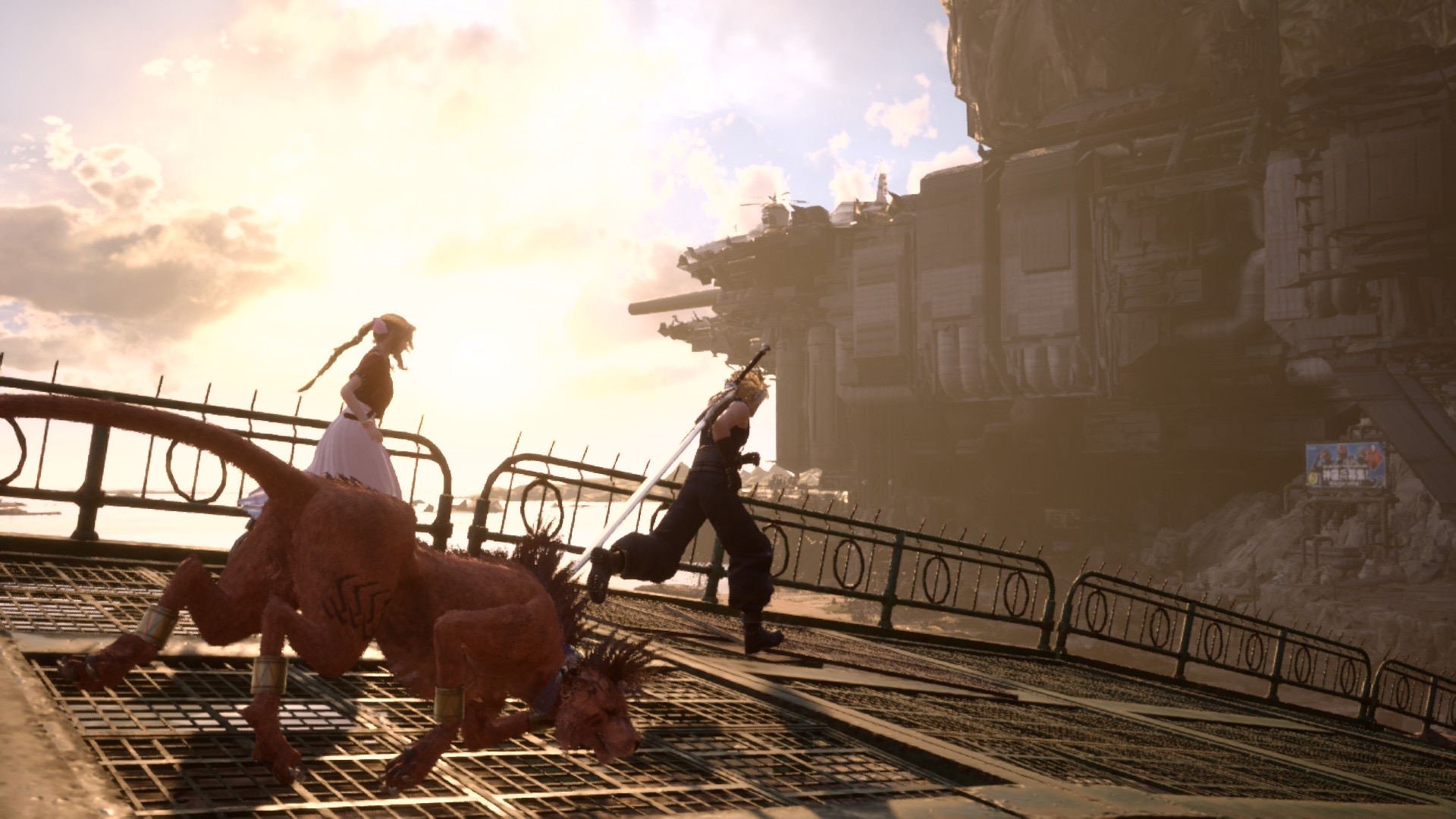
As Cloud Strife and his burgeoning party step onto the vibrant expanse of the Grasslands in Final Fantasy VII Rebirth, Aerith’s wonder at the natural world is met with Red XIII’s poignant observation: "But in reality, it’s barely hanging on." This sentiment perfectly encapsulates the Switch 2 port of a game that, just two years ago, stunned PlayStation 5 players. The arrival of Rebirth on Nintendo’s upcoming console is nothing short of a technological marvel, a testament to the platform’s capabilities, and a stark reminder of the compromises that often accompany such ambitious undertakings.
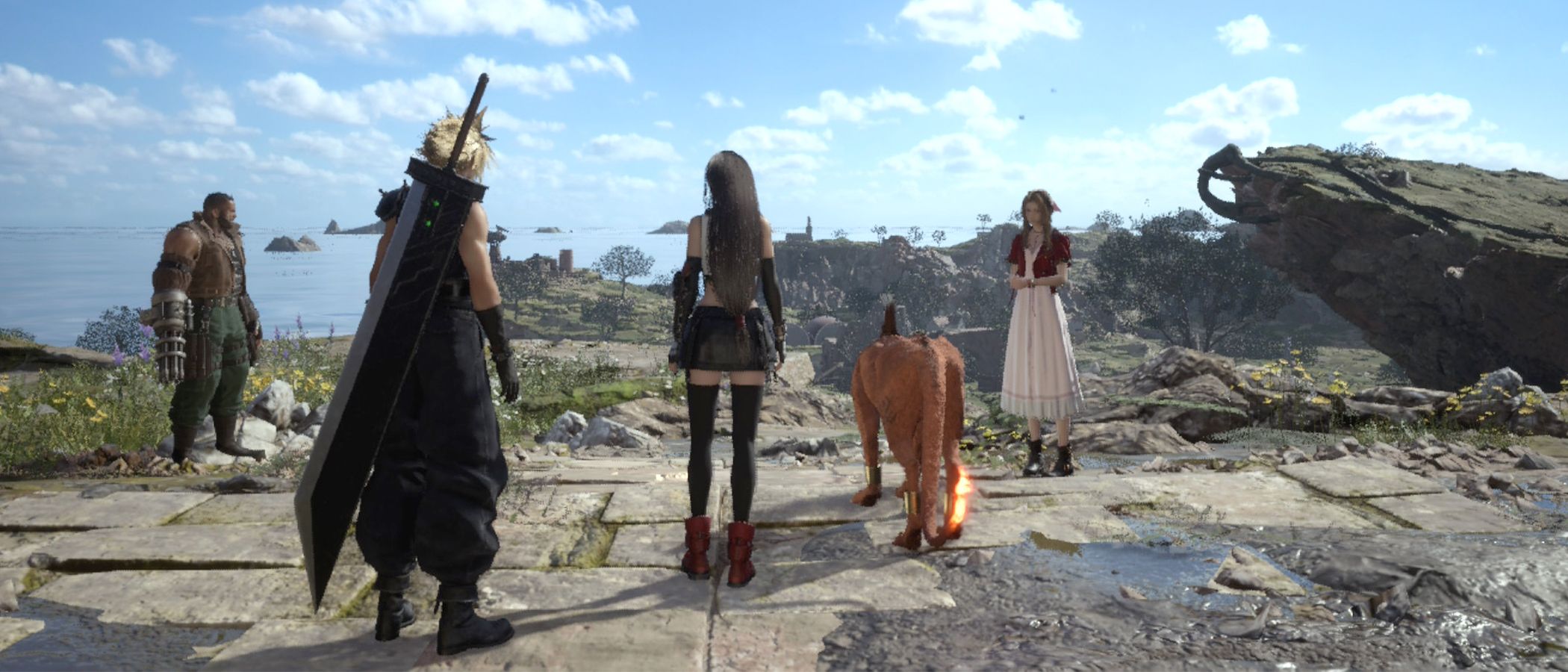
Unlike its predecessor, Final Fantasy VII Remake Intergrade, which was lauded for its exceptional optimization on the Switch 2, Rebirth was always destined to be a far more demanding proposition. Shedding the confines of Midgar, this second installment unfurls a vast, open world teeming with activities and narrative threads. Where the initial game stretched the first five hours of the original story into a 30-hour experience, Rebirth dedicates an astonishing 5-10 hours to exploring the Grasslands alone. This sheer scale, while exhilarating for players, presents a formidable challenge for the Switch 2’s hardware.
Square Enix has, by and large, managed to compress the game’s substantial file size – just under 100GB on Switch 2, a remarkable reduction of approximately one-third compared to other current-generation platforms. However, this compression inevitably impacts visual fidelity. In a game that boasts such diverse and expansive environments, from lush meadows to arid deserts and bustling towns, the trade-off becomes noticeably apparent.
Born Again, Again: The Visuals and Performance Tightrope
The early hours of Rebirth on Switch 2 are characterized by a visual feast of rolling hills and vibrant flora. Yet, this breathtaking scenery is frequently marred by asset pop-in, with textures and environmental details materializing mere feet from the player. While the utilization of DLSS technology undoubtedly plays a crucial role in mitigating these visual shortcomings and maintaining a semblance of fluidity, players will still encounter moments where the frame rate dips precariously below the 30 FPS threshold.
This performance inconsistency is particularly evident during open-world exploration. The sheer density of detail and the expansive draw distances required to render these environments push the Switch 2 to its absolute limits. It’s a constant balancing act, where the game’s visual ambition often clashes with the hardware’s capabilities.
However, despite these performance blemishes, Rebirth remains remarkably playable. The core of the remake project’s modern cinematic vision for Final Fantasy VII‘s narrative is preserved, ensuring that the emotional impact of iconic story moments is not lost. The visual splendor of Sephiroth’s descent into madness at Nibelheim, or the dazzling spectacle of the Gold Saucer, still retains its awe-inspiring power.
Many of the most visually striking cinematics are pre-rendered, contributing to a seamless presentation that bridges the gap between character models and environments. Yet, the game also features numerous dynamic, in-engine cutscenes, particularly during intense boss battles and pivotal narrative beats, which showcase the Switch 2’s ability to render complex action sequences.
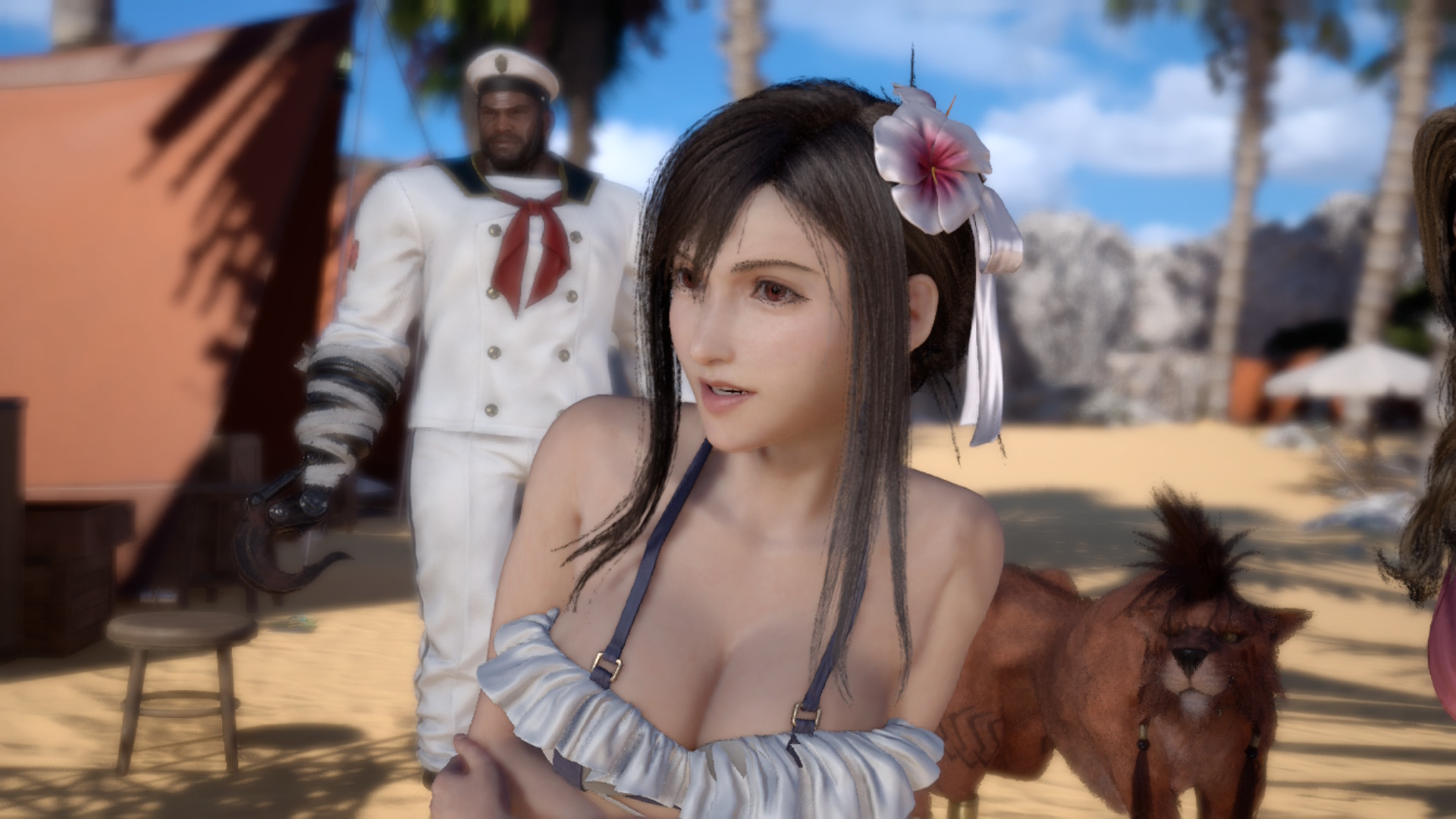
Crucially, while the open world might be the source of performance stutters, Rebirth segments its world into more manageable, often linear sections. These areas, where the game is less burdened by extensive environmental rendering, exhibit a more stable performance. Furthermore, combat encounters, which are real-time and dynamic rather than instanced arenas of older JRPGs, generally remain stable, allowing players to fully engage with the game’s intricate battle system without significant disruption.
A Kinetic Battle System and a Beloved Cast
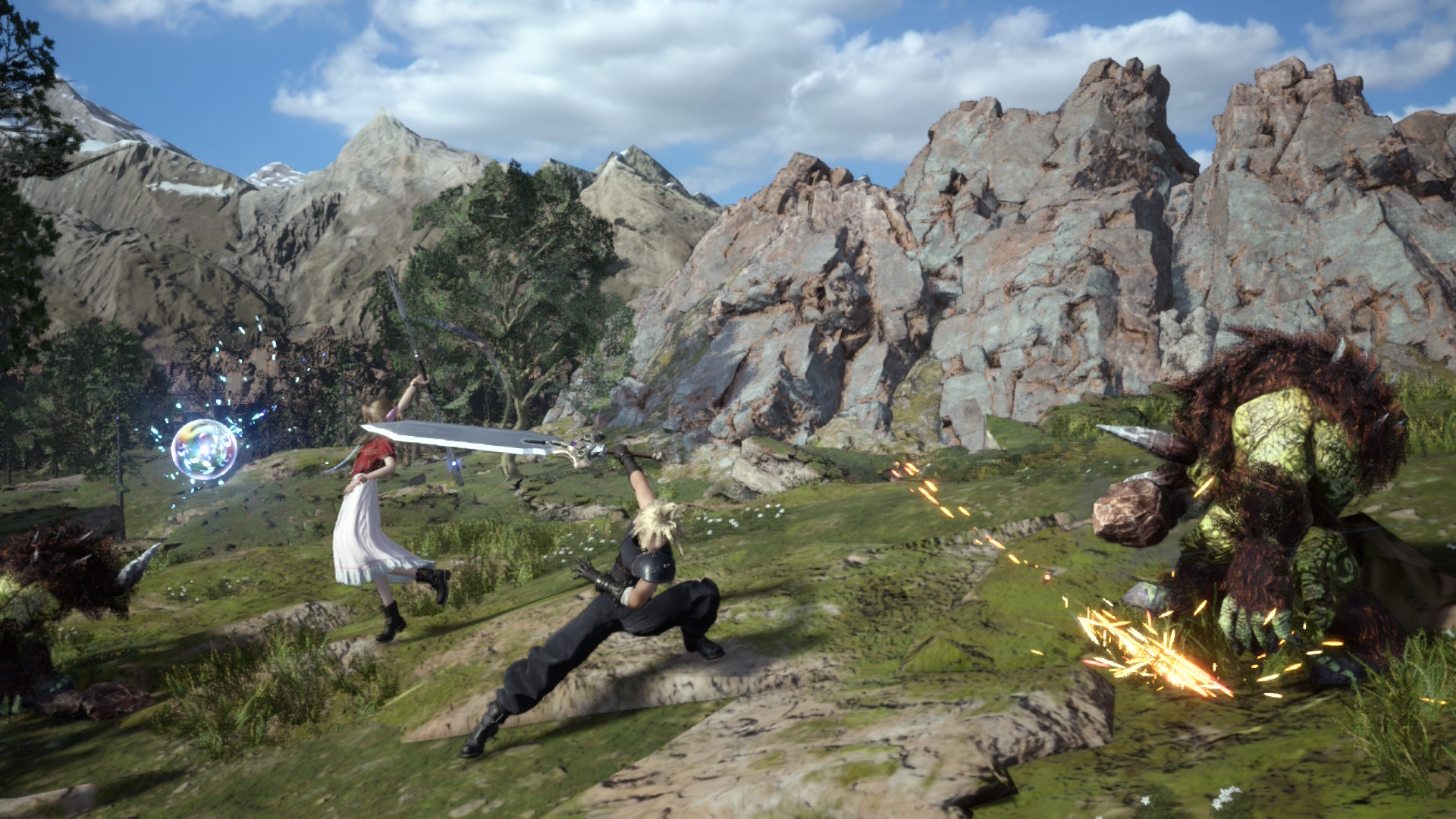
At the heart of Final Fantasy VII Rebirth‘s enduring appeal lies its meticulously crafted combat system. Cloud remains a joy to control, fluidly transitioning between his aggressive Operator and defensive Punisher stances. The depth of the combat extends to the entire party, offering players the strategic choice of managing three active members at any given time.
The introduction of the Synergy mechanic is a masterstroke, unlocking a new layer of cooperative abilities. Characters can now execute synchronized attacks, such as Aerith calling for a bodyguard to parry enemy assaults or Tifa receiving a mid-air boost for a devastating aerial assault. This system, combined with a gradually filling Synergy gauge that unleashes spectacular Limit Break-esque abilities, adds a thrilling, tactical dimension to every encounter.
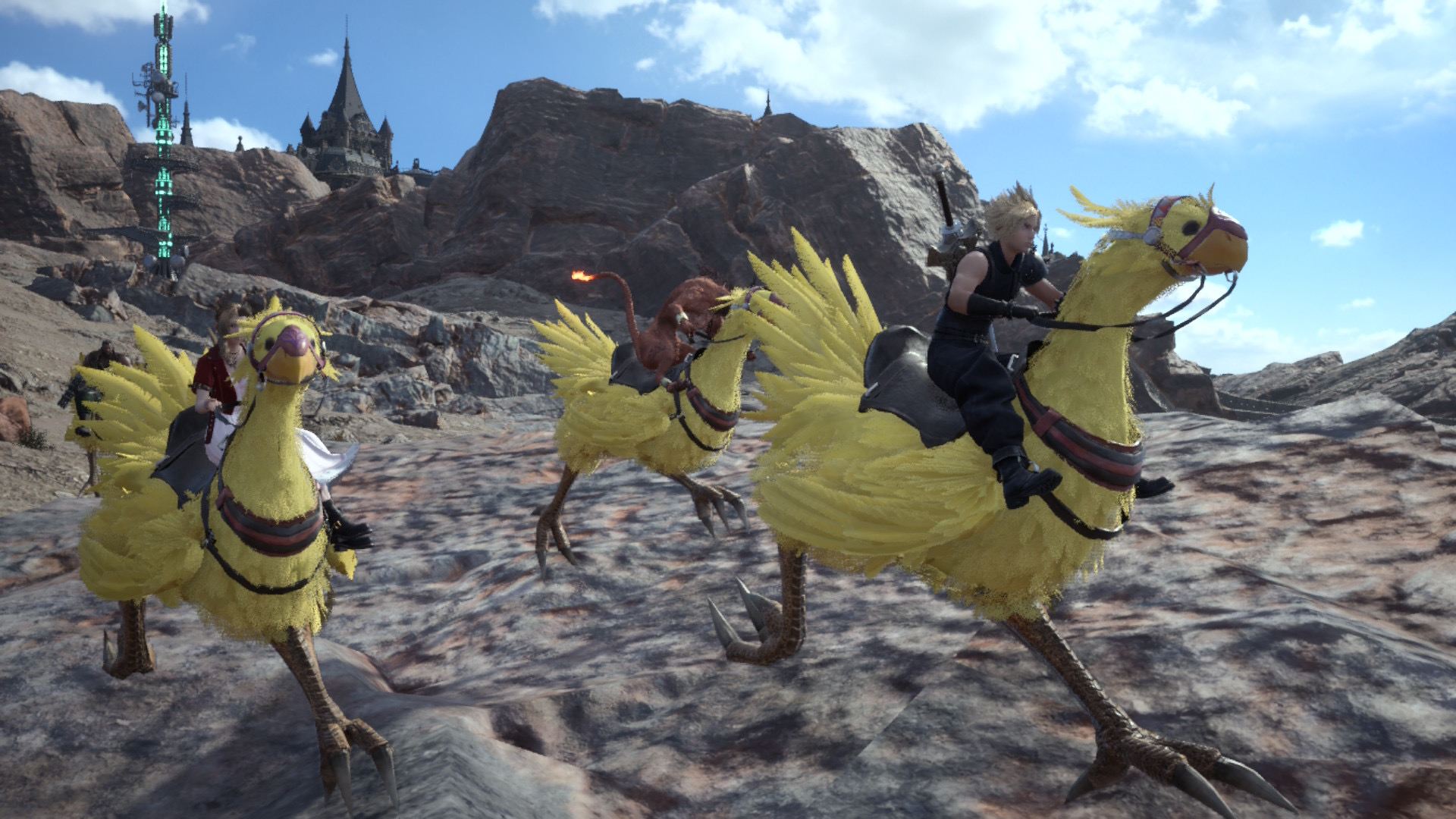
Beyond the mechanics, the characters themselves are a significant draw. The development of relationships within the party is a central pillar of the narrative. Engaging with the myriad of fetch quests and optional activities often serves to deepen these bonds, leading to rewarding, albeit sometimes comically absurd, payoff sequences that remain true to the spirit of the original game. The emotional weight of character backstories, particularly those of Barret and Red XIII, is handled with a cinematic grace that leverages modern storytelling techniques, including emotive visuals and voice acting, to profound effect.
The Weight of Ambition: Narrative and Gameplay Balance
However, Rebirth‘s ambition is not without its drawbacks. As a sequel to Final Fantasy VII Remake, it inherits a narrative that, while compelling, can feel increasingly convoluted with the addition of new characters and narrative twists. The inclusion of familiar antagonists like Roche, and the presence of characters like Chadley, who some players might feel could have remained confined to Midgar, can sometimes detract from the core narrative progression.
The game masterfully balances pivotal story moments with an overwhelming abundance of optional content. While these side activities, such as the challenging Queen’s Blood card game or the diverse range of minigames, offer significant value and replayability, they can, at times, feel like a distraction from the main plot. The sheer volume of "forced fun" can occasionally lead players to question the immediate stakes and the overall importance of the unfolding narrative.
This critique doesn’t diminish the game’s overall quality, but rather highlights the delicate balance Square Enix has attempted to strike. The developer’s commitment to delivering a maximalist reimagining of one of the greatest JRPGs of all time, rendered with a fidelity and scale rarely seen from modern Japanese studios, is commendable.
A Look Ahead: The Future of Final Fantasy on Nintendo
The arrival of both Final Fantasy VII Remake Intergrade and Final Fantasy VII Rebirth on the Switch 2 marks a significant moment for both the franchise and Nintendo’s upcoming hardware. While Rebirth undoubtedly pushes the console’s capabilities to their current limits, its successful port is a testament to the ingenuity of Square Enix’s development team.
Looking forward, the hope is that the as-yet-untitled third installment in the remake saga will adopt a multi-format release strategy, potentially with a more focused scope. This would not only ensure a more consistently optimized experience across all platforms but also provide a greater chance of Final Fantasy VII‘s epic conclusion running acceptably on Nintendo’s console.
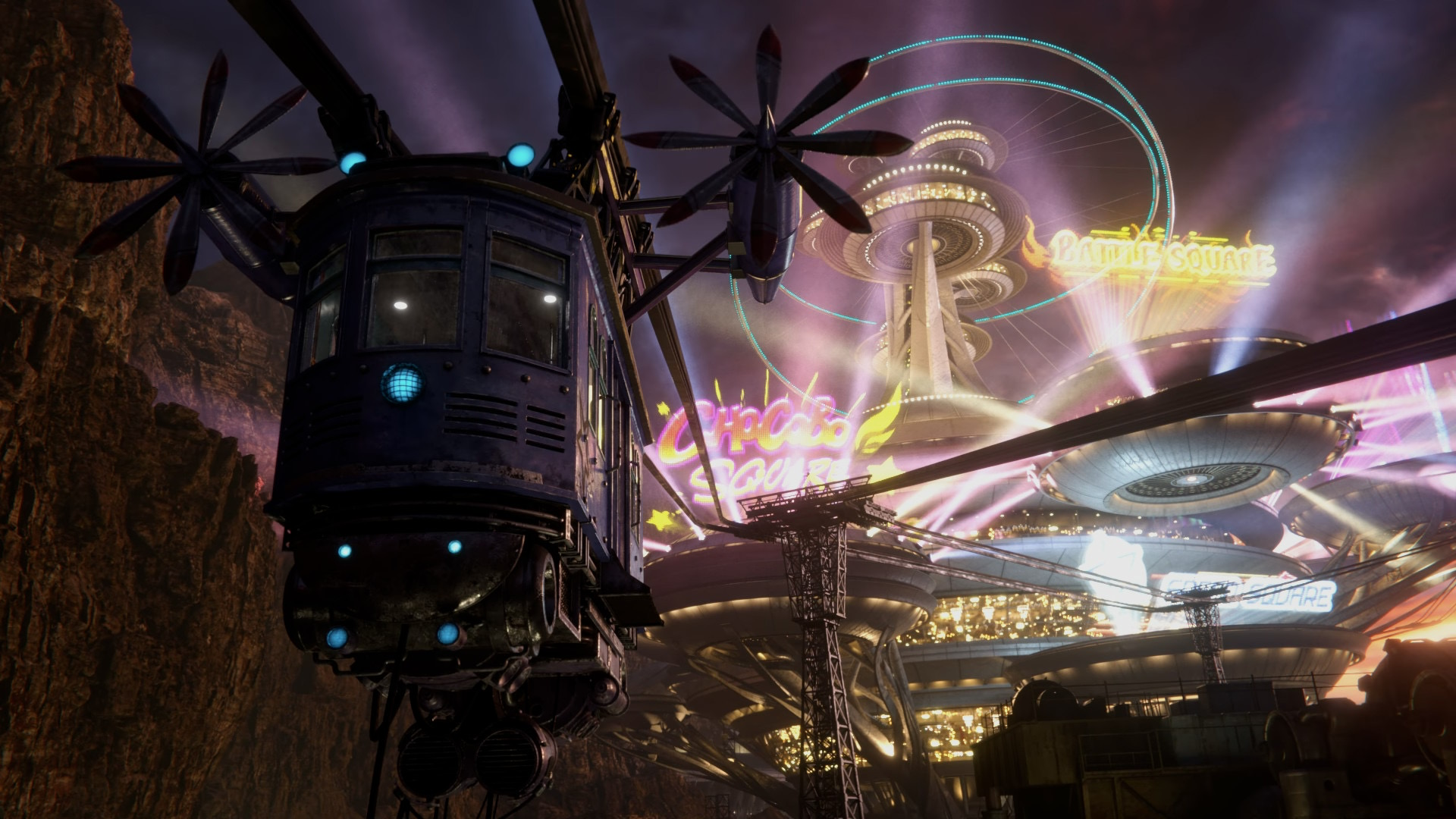
In conclusion, Final Fantasy VII Rebirth on Switch 2 is a triumph of ambition and technical prowess. While it may occasionally falter under the weight of its own immensity, the game’s captivating story, endearing characters, and exhilarating combat system shine through. Approached as a grand "Final Fantasy theme park," players are in for an unforgettable adventure, even if some of the rides occasionally sputter.
Our Verdict:
Final Fantasy VII Rebirth on Switch 2 occasionally strains the console’s capabilities, but it remains a deeply rewarding experience. The meticulous attention lavished upon its memorable cast, coupled with a kinetic and evolving battle system, ensures that the core magic of this epic RPG endures. View it as a sprawling Final Fantasy theme park, and prepare to be thoroughly entertained.
For:
- Deeply compelling narrative and character development.
- Dynamic and engaging real-time combat system with synergistic abilities.
- Vast open world brimming with activities and secrets.
- Stunning visual presentation, despite occasional performance hitches.
- Impressive feat of technical optimization for the Switch 2.
Against:
- Noticeable asset pop-in and frame rate dips during open-world exploration.
- Occasional narrative convolution due to the expanded scope and sequel elements.
- A significant number of optional quests can sometimes detract from the main story’s momentum.



Leave a Comment