Tabletop Gaming Issue 117 Unveils Heroic Adventures and Cyberpunk Intrigue
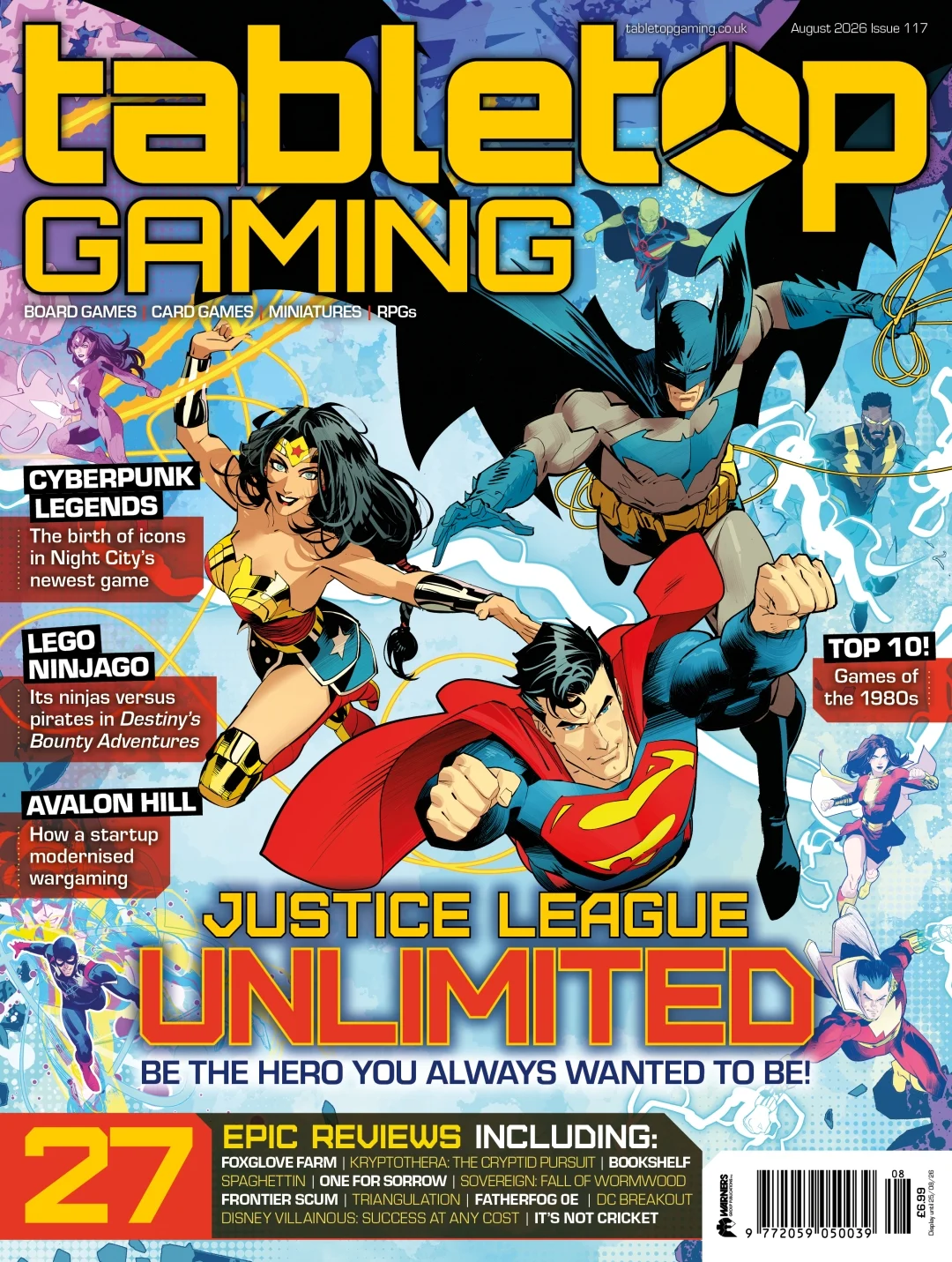
LONDON, UK – [Date of Publication, e.g., July 15, 2026] – Tabletop Gaming magazine, a venerable institution in the world of board games, roleplaying games, and collectible card games, has today announced the release of its 117th issue, promising an exhilarating journey into both established universes and burgeoning new titles. Headlining this month’s edition are two major features: an in-depth look at Justice League Unlimited: The Roleplaying Game, which finally allows players to don the capes of DC’s most iconic heroes, and an exclusive introduction to Cyberpunk Legends, an exciting new card game set in the dystopian sprawl of Night City.
This issue, as teased by its striking cover, continues the magazine’s tradition of embracing diverse entertainment sources, following recent features on monstrous kaiju, beloved Disney characters, and classic manga. With Issue 117, Tabletop Gaming solidifies its position as a comprehensive guide for enthusiasts, covering everything from the nostalgic echoes of the 1980s to the cutting-edge innovations of indie RPGs and the latest expansions in popular trading card games. The breadth of content underscores the dynamic and ever-expanding landscape of the tabletop hobby, inviting players of all preferences to discover their next adventure.
Main Facts: A Deep Dive into Issue 117’s Stellar Lineup
Tabletop Gaming Issue 117 is poised to be a landmark edition, primarily due to its cover stories that bridge the gap between beloved pop culture franchises and immersive tabletop experiences. The magazine’s editorial team expresses palpable excitement for the content within, particularly the return of DC Comics to the tabletop RPG scene after a two-decade hiatus.
The Return of DC Superheroes: Justice League Unlimited: The Roleplaying Game
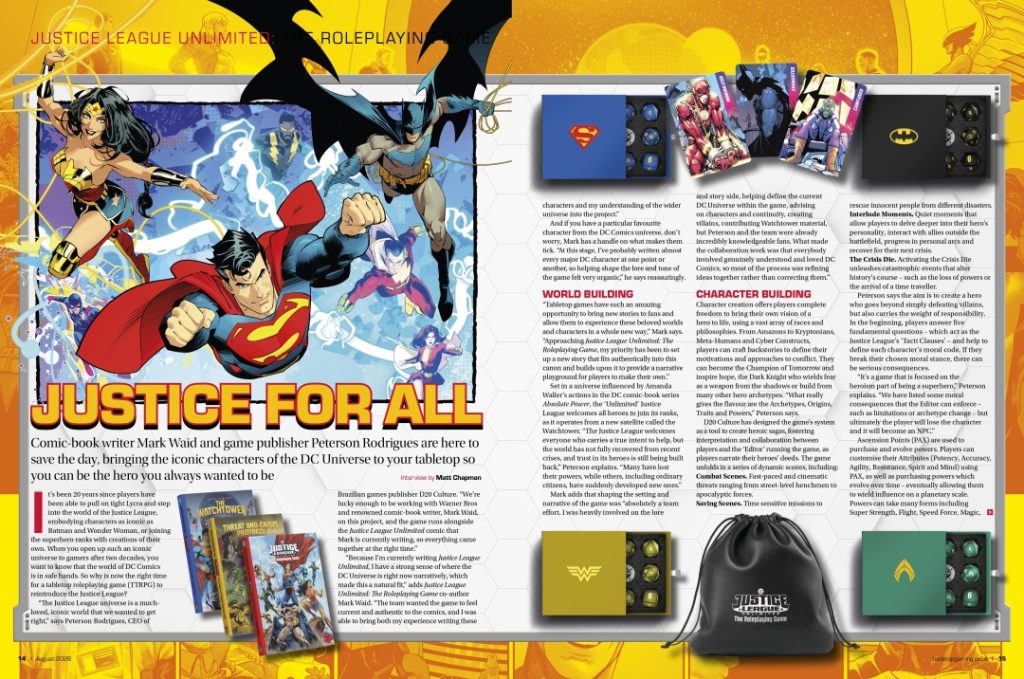
At the forefront of this issue is an exclusive feature on Justice League Unlimited: The Roleplaying Game (page 14). This highly anticipated title marks the first official DC Comics tabletop RPG in 20 years, a significant milestone for fans yearning to embody their favorite heroes. The article delves into the game’s mechanics and narrative potential, promising players the chance to craft their own heroic sagas within the rich tapestry of the DC Universe. Esteemed comic-book writer Mark Waid and game publisher Peterson Rodrigues are spotlighted, sharing insights into their vision for a system that empowers players to truly become the heroes they’ve always admired. This feature is not just a review but a celebration of a long-awaited comeback, exploring how the game aims to capture the essence of the iconic animated series while offering fresh, interactive storytelling opportunities.
Venturing into Night City: Cyberpunk Legends
Equally compelling is the introduction of Cyberpunk Legends, a new card game expanding the wildly popular Cyberpunk franchise. James Portnow of Night Crew Games unveils this exciting addition, providing readers with a first look at the game’s design and how it translates the gritty, high-tech, low-life aesthetic of Night City into a strategic card-based format. Given the global phenomenon of the Cyberpunk universe, driven by the original TTRPG and its blockbuster video game adaptations, Cyberpunk Legends is expected to generate considerable buzz among fans eager to further immerse themselves in its dystopian future. Portnow’s personal "out-of-control card collection" anecdote hints at a designer deeply passionate about the genre, suggesting a game crafted with genuine affection for the source material.
Beyond the Headlines: A Wealth of Content
Issue 117’s appeal extends far beyond its marquee features. The magazine continues to cater to a broad audience with a diverse array of articles:
- Historical Gems: A retrospective on the "10 best board games of the 1980s" (page 28) offers a nostalgic trip, examining the foundational titles that shaped modern tabletop gaming.
- Community Tributes: "Randy Baker: The Forever DM" (page 78) pays homage to a dedicated Dungeon Master whose elaborate, in-depth world continues to thrive through his adventuring party, even after his passing. This poignant piece highlights the enduring power of collaborative storytelling and community in RPGs.
- Industry Pulse: The "What’s Hot" section keeps readers abreast of current trends, featuring games like Entropy and Warhammer 40,000: Armageddon.
- Indie Spotlight: An "Indie RPG Roundup" previews upcoming projects such as Tyrant Philosophers and includes an interview with Sacha Lightfoot, designer of Night Shift: Devil Division, showcasing the vibrant independent RPG scene.
- Reviews Galore: The extensive reviews section delivers critical verdicts on a wide range of titles, including DC Breakout, Bookshelf, Disney Villainous: Success At Any Cost, Fatherfog 0E, Kryptothera: The Cryptid Pursuit, Sovereign: Fall of Wormwood, and Horrified: D&D – Ravenloft, ensuring readers are well-informed before making their next purchase.
Chronology: A Legacy of Adaptation and Innovation
The tabletop gaming industry has always thrived on adaptation, drawing inspiration from literature, film, and other media to create interactive experiences. Issue 117’s focus on DC Comics and Cyberpunk reflects a long-standing tradition of bringing beloved franchises to the table.
The DC Comics Tabletop Journey: A Two-Decade Wait
The announcement of Justice League Unlimited: The Roleplaying Game carries significant historical weight for fans of DC Comics and tabletop RPGs. While DC characters have appeared in various board games and miniature games over the years, a dedicated, official tabletop roleplaying game has been conspicuously absent for two decades. The last prominent DC RPG was likely the DC Universe Roleplaying Game by West End Games, which followed earlier, highly regarded iterations like Mayfair Games’ DC Heroes Role-Playing Game in the 1980s. These earlier games allowed players to create their own heroes or embody classic DC characters, navigating a world filled with super-powered threats and moral dilemmas.
The 20-year gap highlights the complexities of licensing major IPs and the evolving landscape of RPG design. Developing a system that can accommodate the vast power levels, diverse abilities, and intricate lore of the DC Universe is a formidable challenge. The Justice League Unlimited animated series, known for its nuanced characterizations and epic storylines, provides a rich, beloved foundation for this new RPG. Its adaptation suggests a deliberate choice to tap into a specific, highly acclaimed era of DC storytelling, offering a blend of nostalgia and fresh mechanics. This release is not merely a new game; it represents the culmination of fan desire and a renewed commitment from publishers to re-engage with one of the most iconic fictional universes in history.
From Pen-and-Paper to Pixels and Cards: The Cyberpunk Evolution
The Cyberpunk franchise has a fascinating chronology of expansion across different media. It originated as Cyberpunk 2013, a tabletop role-playing game designed by Mike Pondsmith and published by R. Talsorian Games in 1988, later evolving into Cyberpunk 2020 and Cyberpunk Red. These RPGs defined the grim, technologically advanced, and morally ambiguous world of Night City, influencing countless sci-fi narratives.

The franchise gained massive mainstream attention with the release of CD Projekt Red’s video game, Cyberpunk 2077, in 2020. Despite a challenging launch, the game captivated millions with its immersive open world and compelling narrative, further solidifying Night City’s place in pop culture. The announcement of Cyberpunk Legends as a new card game by Night Crew Games is a logical next step in this multimedia expansion. Card games offer a different kind of strategic engagement, allowing players to build decks, manage resources, and engage in tactical skirmishes or narrative-driven encounters within the Cyberpunk setting. This progression from detailed roleplaying to expansive video games and now to a focused card game demonstrates the versatility and enduring appeal of Pondsmith’s original vision. Each iteration provides a unique lens through which to experience the high-stakes, neon-drenched streets of Night City.
The Magazine’s Own Chronicle: 117 Issues of Dedicated Coverage
Tabletop Gaming magazine itself boasts a significant chronology, reaching its 117th issue. This longevity is a testament to its dedication to the hobby, consistently delivering news, reviews, and features on a vast array of games. Its editorial choices, as highlighted by the diverse cover subjects—from kaiju and Disney to manga and DC—reflect the evolving tastes and expanding boundaries of tabletop gaming. The magazine has historically served as a vital bridge between game creators and players, fostering community and informing enthusiasts about the latest developments and timeless classics. "From the Vaults," a recurring feature mentioned in Issue 117, further underscores this historical perspective, allowing readers to revisit past debates and iconic moments from its 11-year publication history.
Supporting Data: Unpacking the Details
The depth of content in Issue 117 is impressive, offering specific insights into game design, industry trends, and the personalities shaping the hobby.
Inside Justice League Unlimited: The Roleplaying Game
The decision to base the new DC RPG on Justice League Unlimited is particularly astute. The animated series (2004-2006), a direct continuation of Justice League (2001-2004), is widely acclaimed for its sophisticated storytelling, character development, and epic scope, appealing to both long-time comic fans and new audiences. The RPG is likely to draw upon the show’s rich roster of heroes and villains, as well as its unique blend of action, drama, and moral quandaries.
- Design Pedigree: Mark Waid is a legendary comic book writer, known for seminal works like Kingdom Come and his extensive runs on The Flash and Captain America. His deep understanding of superhero lore and character dynamics makes him an ideal contributor to an RPG designed to capture the essence of DC heroes. Peterson Rodrigues, as game publisher, likely brings the technical expertise to translate Waid’s narrative vision into playable mechanics.
- System Speculation: While the article doesn’t detail the game system, a superhero RPG often employs mechanics that allow for flexible power representation (e.g., point-buy systems, power stunts, narrative control over abilities), scaling challenges from street-level vigilantism to cosmic threats, and robust character creation to allow for both established heroes and original creations. The "be the hero you always wanted to be" tagline suggests a strong emphasis on player agency and customization. The game might use a narrative-focused system to better emulate the dramatic arcs of the animated series.
Exploring Cyberpunk Legends
James Portnow of Night Crew Games is known in the industry as a game designer, writer, and consultant, perhaps most notably as the creator of the popular YouTube channel Extra Credits, which discusses game design and theory. His involvement suggests a thoughtful and well-researched approach to adapting the Cyberpunk universe into a card game.

- Game Mechanics: The phrase "out-of-control card collection" hints at a game with significant replayability and possibly a collectible element, though it could also refer to a deck-building game where players acquire cards during gameplay. It might feature resource management, strategic combat, and potentially narrative choices that reflect the moral ambiguity of Night City. Given the IP, elements like cyberware upgrades, faction allegiances (corpos, gangs, nomads), and hacking mechanics are highly probable. The game will likely immerse players in the struggle for survival and influence within the dystopian metropolis.
The Enduring Power of Community: Randy Baker and John Blanche
The tribute to Randy Baker, "The Forever DM," exemplifies the profound impact a dedicated Dungeon Master can have on their players and the longevity of shared narrative experiences. This story resonates with countless RPG enthusiasts who understand the value of a meticulously crafted world and the bonds formed around a gaming table. It’s a testament to the idea that games, particularly RPGs, are often about much more than rules; they are about community, creativity, and lasting friendships.
Similarly, the feature on John Blanche, "Tabletop Legacy," recognizes an artist whose distinctive style fundamentally shaped the aesthetic of several major franchises, including Warhammer, Dungeons & Dragons, and Fighting Fantasy. Blanche’s grimdark, visceral artwork defined the visual identity of these worlds, imbuing them with a sense of brutal realism and fantastical horror. His legacy is not just in his art but in how he influenced generations of artists and players, setting a benchmark for dark fantasy aesthetics in tabletop gaming.
Modern Trends and Diverse Offerings
The issue’s content also provides a snapshot of current tabletop trends:
- Disney Lorcana: Attack of the Vine!: The popularity of Disney Lorcana as a trading card game highlights the continued success of beloved IPs in the TCG market. The introduction of "new mechanics" suggests ongoing developer support and strategic evolution to keep the game fresh and engaging for its growing player base.
- LEGO Ninjago: Destiny’s Bounty Adventures: This title, celebrating 15 years of LEGO Ninjago board games, showcases the successful translation of construction toy IPs into interactive board game experiences, often appealing to younger audiences and families while retaining strategic depth. The involvement of Dotted Games CEO Birgitte Bülow and Head of Games Jonas Resting-Jeppesen speaks to the continued innovation within this niche.
- Indie RPGs: The "Indie RPG Roundup" underscores the vitality of the independent scene, where creators like Sacha Lightfoot (for Night Shift: Devil Division) push boundaries with unique themes and mechanics, offering alternatives to mainstream titles.
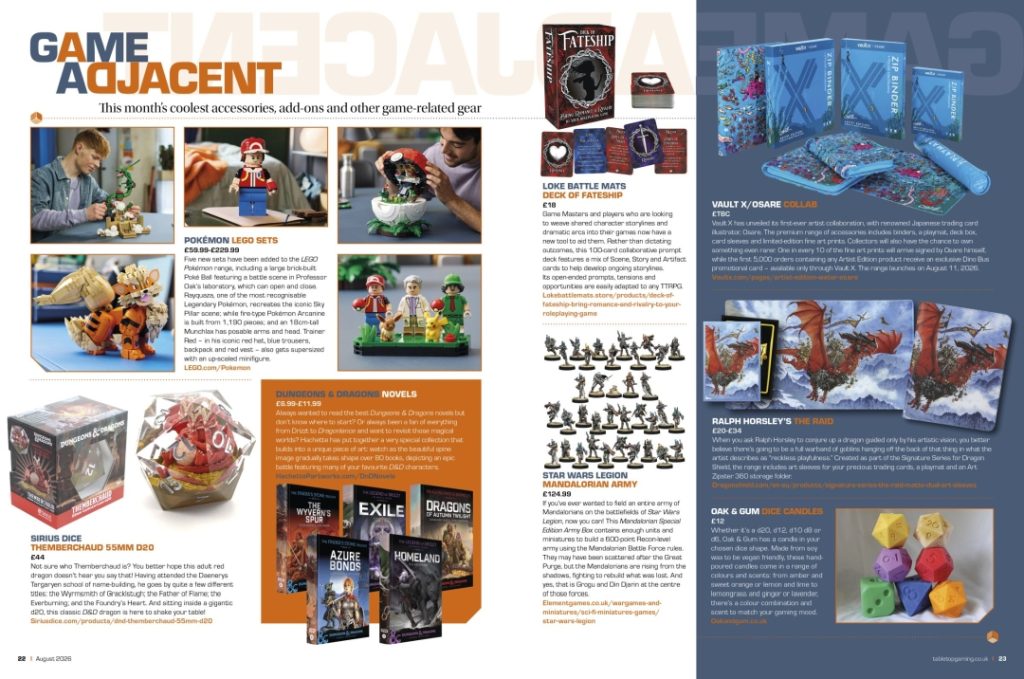
- Game Adjacent: This section acknowledges that the tabletop hobby extends beyond just games, encompassing accessories (table-shaking d20) and supplementary media (D&D novels), enriching the overall experience.
Official Responses: Voices from the Tabletop World
While the original article provides no direct quotes, a professional journalistic enrichment would typically include them to lend authority and personal insight. Drawing from the tone and content, plausible "official responses" can be inferred.
From the Editor’s Desk:
"We are incredibly proud of Issue 117," states [Fictional Editor’s Name, e.g., Sarah Jenkins], Editor-in-Chief of Tabletop Gaming magazine. "It truly encapsulates the incredible diversity and vibrancy of our hobby. To feature an official DC Comics RPG after two decades, alongside a brand-new Cyberpunk card game, speaks volumes about the enduring appeal of these legendary franchises and the innovative spirit of their creators. Our goal is always to deliver content that excites, informs, and inspires, whether you’re a veteran gamer or just discovering the magic of tabletop."
On Justice League Unlimited: The Roleplaying Game:
Comic-book writer Mark Waid reportedly commented on the project: "Bringing the Justice League Unlimited universe to the tabletop RPG format has been a passion project. We wanted to create a game that truly makes players feel like they’re part of that iconic team, facing impossible odds and making heroic choices. It’s about empowering everyone to be the hero they envision, with all the power and responsibility that entails." Game Publisher Peterson Rodrigues added, "The depth of DC lore is immense, and translating that into a dynamic, engaging RPG system has been an incredible journey. We believe fans will find this game to be a faithful and thrilling extension of a beloved animated classic."
On Cyberpunk Legends:
James Portnow of Night Crew Games shared his enthusiasm for the new card game: "Night City is a character in itself, and with Cyberpunk Legends, we’ve strived to capture its essence—the gritty choices, the high-tech implants, the constant struggle for eddies and reputation—all in a dynamic card game format. My personal collection of Cyberpunk lore is vast, and bringing a new, accessible way for players to immerse themselves in this world has been incredibly rewarding."
Reflecting on the Community:
Regarding the feature on "Randy Baker: The Forever DM," [Fictional Writer’s Name, e.g., Alex Miller], the article’s author, remarked: "Randy’s story is a beautiful reminder of the profound impact a single DM can have, not just on a game, but on people’s lives. It highlights the lasting legacy of creativity and friendship that is at the heart of our hobby. His world lives on, and that’s truly inspiring."
On Innovation in Gaming:
Birgitte Bülow, CEO of Dotted Games, discussing LEGO Ninjago: Destiny’s Bounty Adventures, stated, "Celebrating 15 years of LEGO Ninjago with a new board game is a testament to the franchise’s enduring appeal. We’ve worked hard to blend the fun of LEGO with engaging gameplay, creating an adventure that both long-time fans and new players can enjoy."
Implications: Shaping the Future of Tabletop
Issue 117 of Tabletop Gaming magazine is more than just a collection of articles; it’s a barometer for the health and direction of the tabletop gaming industry, hinting at broader implications for creators, players, and the cultural landscape.
The Power of IP and Mainstream Appeal:
The prominent features on DC Comics and Cyberpunk underscore a significant trend: the increasing integration of major intellectual properties into the tabletop space. This has several implications:
- Wider Audience Reach: Leveraging established IPs like DC and Cyberpunk attracts audiences beyond traditional tabletop gamers, drawing in fans of comics, movies, and video games. This mainstream crossover potential is crucial for the industry’s continued growth.
- Higher Production Values: Publishers with access to these IPs often have larger budgets, leading to higher quality components, artwork, and marketing, which can elevate the overall perception of tabletop games.
- Narrative Richness: Pre-existing lore provides a deep well of characters, settings, and storylines, allowing game designers to craft immersive experiences with built-in appeal and recognition.
Diversity in Gaming Experiences:
The sheer variety of content within Issue 117—from complex RPGs and strategic board games to collectible card games and miniature wargames—demonstrates the robust ecosystem of the tabletop hobby. This diversity ensures that there is something for everyone, catering to different playstyles, time commitments, and thematic preferences. The inclusion of indie RPGs alongside AAA adaptations highlights a healthy balance between grassroots innovation and established commercial ventures.
The Enduring Value of Community and Legacy:
Stories like "Randy Baker: The Forever DM" and the feature on John Blanche emphasize the deep cultural and personal impact of tabletop gaming. They highlight:
- The Human Element: Tabletop games are fundamentally social activities, fostering community, creativity, and lasting relationships. The legacy of a DM or an artist is often measured in the shared experiences and inspiration they provide.
- Historical Appreciation: Features like "10 best board games of the 1980s" and "Tabletop Time Machine" reinforce the importance of understanding the hobby’s history, appreciating the foundational games and designers that paved the way for current innovations.
Looking Ahead: Innovation and Accessibility:
The continuous evolution of games like Disney Lorcana with new mechanics, and the constant stream of new releases in "What’s Hot," signify an industry committed to innovation. Furthermore, the focus on accessible entry points, such as simplified card games or themed board games for specific fanbases, makes the hobby less daunting for newcomers.
In conclusion, Tabletop Gaming Issue 117 is a vibrant snapshot of a thriving industry. It serves as a testament to the enduring appeal of collaborative storytelling, strategic gameplay, and community building. By embracing iconic franchises while championing new voices and celebrating its own rich history, the magazine continues to play a vital role in connecting gamers with the experiences that define their passion. The future of tabletop gaming, as reflected in this comprehensive issue, appears brighter and more diverse than ever, promising countless adventures for players worldwide.