Executive Summary: Geopolitics, Infrastructure Failures, and the Cultural Divide Shaping the 2026 Midterm Landscape
As the United States approaches the pivotal 2026 midterm elections, the political landscape is being defined by a series of high-stakes foreign policy maneuvers and domestic controversies that have left both critics and supporters questioning the administration’s efficacy. At the center of this storm is the "Versailles Memo"—a non-binding agreement regarding Iran signed by Donald Trump—and a literal and figurative "stain" on the National Mall: the failed restoration of the reflecting pool.
While the administration attempts to project a narrative of "strength and restoration," the reality on the ground suggests a pattern of unilateralism, administrative mismanagement, and a deepening cultural schism. From the strategic waters of the Strait of Hormuz to the baseball diamonds of San Francisco, the following report analyzes the key events of June 2026 and their broader implications for the American electorate.
I. Main Facts: The Versailles Memo and the Iran "Adventure"
The cornerstone of the current geopolitical tension is what observers are calling Donald Trump’s "adventure in Iran." Recently, the administration announced a memorandum of understanding signed at the Palace of Versailles. While the administration framed the event as a historic diplomatic triumph, the details of the agreement—and the lack thereof—have sparked international alarm.
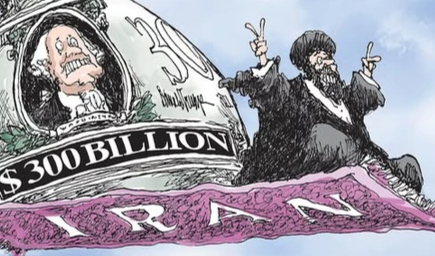
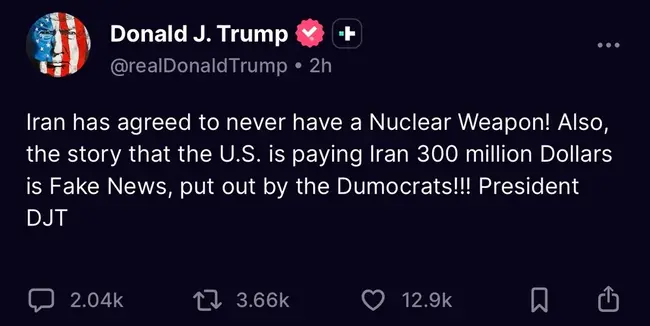
The primary objective was ostensibly to curb Iranian influence and prevent nuclear proliferation. However, critics point out that Iran’s agreement to eschew nuclear weapons was largely established through pre-existing frameworks. The "new" deal includes a staggering $300 billion figure intended for regional stabilization and reconstruction. A significant point of public confusion, exacerbated by the President’s own social media posts, is the source of these funds. Contrary to the narrative that this is a burden on the U.S. Treasury, the funds are primarily to be raised from Persian Gulf states.
Furthermore, the administration’s strategy appears to have had the unintended consequence of "emboldening" Tehran. By signaling a willingness to negotiate under pressure, the U.S. has inadvertently highlighted Iran’s leverage over the global economy. The Iranian government remains cognizant of its ability to disrupt the Strait of Hormuz—a maritime chokepoint through which roughly 20% of the world’s petroleum passes. This "emboldenment" is viewed by many military analysts not as a sign of Iranian strength, but as a realization of their capacity to inflict global economic chaos.
II. Chronology: From Diplomatic Theatrics to Infrastructure Collapse
The events leading to the current state of affairs reveal a timeline of ambitious promises met with logistical failures.
- Early 2026: The administration initiates a "maximum pressure" campaign with the stated goal of overthrowing Iran’s Supreme Council. This goal, however, failed to account for the Council’s historical resilience and its record of suppressing internal dissent—most notably the slaughter of an estimated 30,000 demonstrators in previous years.
- May 2026: Recognizing the impracticality of regime change, the administration pivots toward a diplomatic "grand gesture." Plans are made to sign a memorandum at Versailles, a location chosen more for its historical resonance than for its functional diplomatic utility.
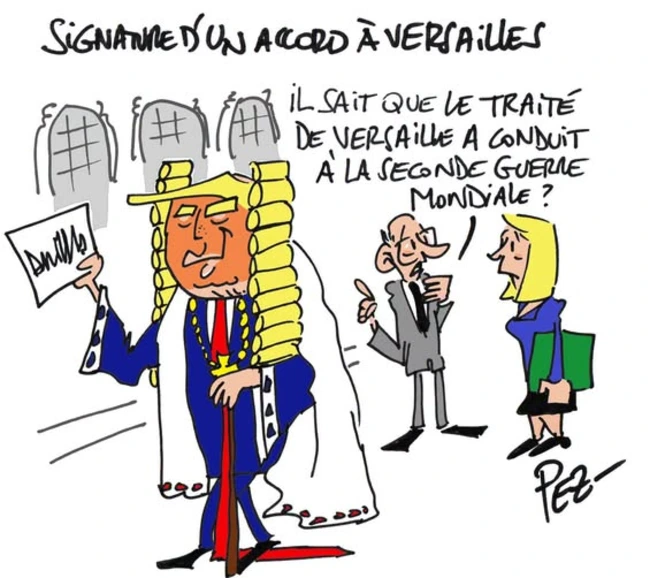
- June 10-15, 2026: Trump signs the memo at the Palace of Versailles. While the 1919 Treaty of Versailles was signed in a railway car to end WWI, this signing occurred within the palace itself. Political cartoonists, such as Pez, immediately drew parallels to the 1919 treaty, noting that its punitive and vague nature eventually contributed to the rise of the Third Reich.
- June 18, 2026: As the "Versailles Memo" dominates headlines, a domestic scandal emerges on the National Mall. The project to "rehabilitate" the reflecting pool—a project characterized by a no-bid contract awarded to an associate of the administration—results in an environmental disaster. After being painted a non-standard blue, the pool developed a massive algae bloom. An attempt to "bleach" the algae with hydrogen peroxide backfired, causing the blue paint to peel and creating a toxic, unsightly mess.
- June 19, 2026: The San Francisco Giants’ "Pride Night" becomes a flashpoint for the nation’s culture wars. Players who added religious citations to their uniforms in protest were reminded of Major League Baseball’s (MLB) uniform policies, sparking a firestorm on social media platforms like X (formerly Twitter).
III. Supporting Data: Economic and Historical Context
The gravity of the Iran situation is best understood through the lens of maritime economics. The Sea of Oman and the Strait of Hormuz remain the most efficient routes for global trade. While Gulf nations have begun exploring pipelines and overland routes to circumvent potential shutdowns, these alternatives are currently insufficient to handle the volume of global demand. Any prolonged closure of the Strait would result in a projected 30-50% spike in global oil prices within weeks.

Regarding the reflecting pool fiasco, the data points to a failure in government procurement standards. Standard federal projects of this scale typically require a multi-stage bidding process and environmental impact assessments. By bypassing these steps, the administration saw a project estimated at $15 million balloon by 40% due to "remediation costs" necessitated by the failed chemical treatment of the algae.
Historically, the administration’s rhetoric regarding Iran has been compared to the Reagan era, but with significant discrepancies. While Senator Bill Cassidy (R-LA) claimed "Reagan is rolling over in his grave" due to the perceived weakness of the Trump deal, historians point out that the Reagan administration itself engaged in complex and often clandestine negotiations with Tehran, including the infamous Iran-Contra affair and the reported "October Surprise" negotiations of 1980.
IV. Official Responses: A House Divided
The reaction to these events has been polarized along strictly partisan lines, though some cracks are appearing in the Republican monolith.
The Administration’s Stance:
President Trump took to Truth Social to defend the Iran deal, though his defense was marred by a clerical error where he wrote "millions" instead of "billions." The administration maintains that the Versailles Memo is a "masterstroke" of diplomacy that secures peace without U.S. financial investment. Regarding the reflecting pool, the White House has dismissed critics as "aesthetic elites" who are "obsessed with a pond."
Congressional Opposition:
Senator Bill Cassidy’s condemnation of the memo as "the worst foreign policy blunder in decades" signals a growing unease among traditional conservatives. Democrats, meanwhile, have focused on the "cronyism" of the reflecting pool contract, calling for an Inspector General investigation into the Department of the Interior’s handling of the National Mall.
The Sports World and Civil Society:
The MLB issued a formal statement regarding the San Francisco Giants controversy: "The league office has reminded all clubs that uniform integrity is paramount. Personal messages, whether political or religious, are not permitted under the collective bargaining agreement." This neutral stance has done little to quiet the "Christian Taliban"—a term used by critics to describe the more extremist elements of the religious right—who view the enforcement of uniform rules as a "war on God."
V. Implications: The Path to November
As the five-month countdown to the midterms begins, these events suggest three major implications for the American political future:
- The Persistence of Misinformation: The administration’s inability to clearly communicate the nuances of the Iran deal—specifically that the $300 billion is not U.S. taxpayer money—is likely to persist. In an era of fractured media, the "America First" base may view the deal as a giveaway, while the opposition views it as a strategic failure. This misunderstanding is expected to be a central, albeit confused, campaign issue.
- Infrastructure as Metaphor: The reflecting pool disaster has become a potent symbol for the opposition. By transforming a national landmark into a "toxic lagoon," the administration has provided cartoonists and satirists with a "fulcrum" to hoist a broader commentary on perceived administrative incompetence. For the swing voter, the inability to manage a swimming pool may raise questions about the ability to manage a nuclear-adjacent state.
- The Escalation of Culture Wars: The MLB uniform controversy demonstrates that no sphere of American life is immune to the "Idocracy" of hyper-partisan conflict. The reaction on social media indicates that a significant portion of the electorate is more energized by "Pride Night" cap citations than by the complexities of the Sea of Oman. This suggests the midterms will be fought on "vibes" and cultural grievances rather than policy outcomes.
In conclusion, the "Versailles Memo" and the "Blue Pool" are not merely isolated incidents; they are symptomatic of an administration that prioritizes the "grand gesture" over the "grand strategy." As Israel and Hezbollah already begin to violate current ceasefires, the world watches to see if this "indistinct Versailles agreement" will lead to a lasting peace or, like its 1919 predecessor, serve as the prologue to a much larger conflict. For the American voter, the choice in November will likely hinge on whether they see these events as "bold leadership" or a "series of unfortunate blunders."