Blood, Profits, and Deadites: Analyzing the Financial Resilience of ‘Evil Dead Burn’
The "Evil Dead" franchise has long been a paradox of the cinematic world. Born from a low-budget, "spattered-wall" aesthetic in 1981, it has evolved into one of the most resilient properties in horror history. Forty-five years after Sam Raimi first unleashed the Necronomicon upon unsuspecting audiences, the sixth installment, Evil Dead Burn, has arrived in theaters. While its box office debut might appear modest compared to modern superhero blockbusters, a deeper dive into the numbers, the production model, and the franchise’s trajectory reveals a masterclass in sustainable intellectual property management.
Directed by Sébastien Vanicek, Evil Dead Burn has not only survived a crowded marketplace but has reaffirmed that the "Evil Dead" name remains a potent draw for horror aficionados. In an era where massive franchises often collapse under the weight of bloated budgets, Evil Dead Burn serves as a reminder that lean, mean, and terrifyingly efficient filmmaking is the true path to longevity.
The Main Facts: A Dissection of the Opening Weekend
Evil Dead Burn entered the domestic box office with a respectable $13.7 million opening weekend. While this placed it in fourth place—trailing behind Disney’s Moana remake, which took the top spot with a $43 million debut—the context of these numbers is vital. Moana is a four-quadrant family film with a budget likely exceeding $150 million; Evil Dead Burn is an R-rated, ultra-gory horror experience produced for a fraction of that cost.
Internationally, the film mirrored its domestic success, pulling in $13.3 million from overseas markets. This brings its global opening total to $27 million. For a film with a reported production budget of $20 million, a $27 million worldwide start is an enviable position. In the industry standard of "doubling the budget" to account for marketing and distribution, Evil Dead Burn is already on the fast track to profitability.
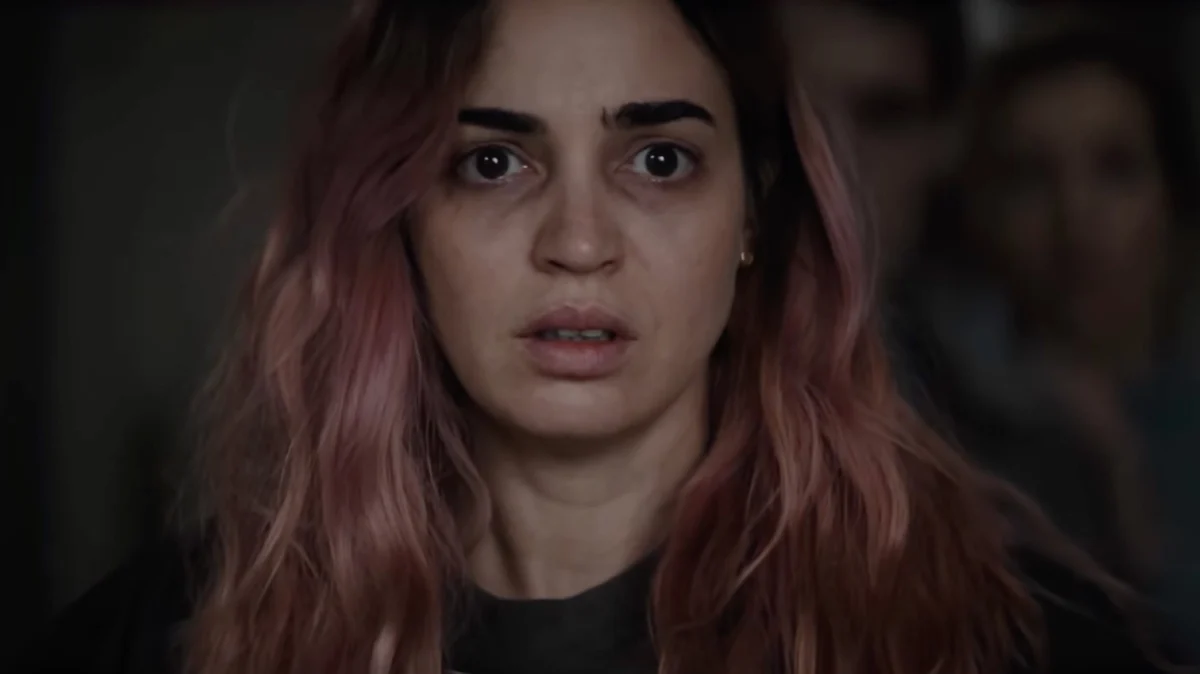
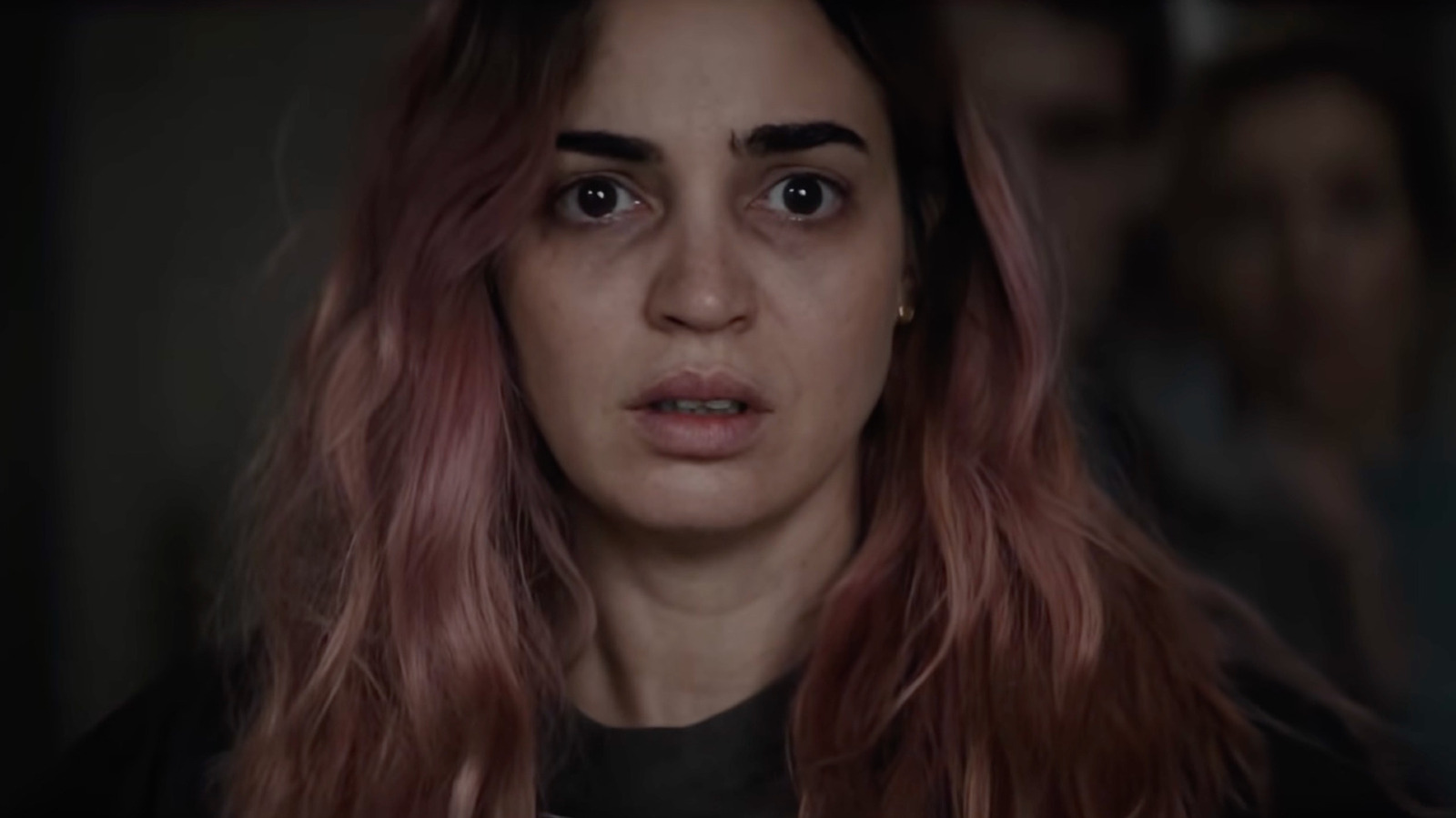
The film’s plot follows Alice (played by Souheila Yacoub), a woman grieving the sudden loss of her husband. Seeking comfort, she visits her in-laws at their secluded family estate following the funeral. In classic franchise fashion, the discovery of the Book of the Dead turns a somber family gathering into a "family reunion from hell." The film has been noted for its "unforgivingly brutal" tone, a stylistic choice that has sparked conversation among the core fanbase.
Chronology: 45 Years of Groovy Carnage
To understand why Evil Dead Burn’s performance is significant, one must look at the timeline of the franchise. It is a series that has reinvented itself multiple times while keeping its core DNA intact.
- The Cult Origins (1981–1992): Sam Raimi’s original trilogy—The Evil Dead, Evil Dead II, and Army of Darkness—defined the "cabin in the woods" trope and the "splatstick" genre. Despite Raimi’s initial concerns that the title was "stupid" and "terrible," the films became legendary cult classics.
- The Mainstream Pivot (2013): After a 21-year hiatus from the big screen, Fede Álvarez directed the Evil Dead remake. This film stripped away the humor and replaced it with visceral, grounded horror. It opened to $25.7 million and ended its run with $99 million worldwide, proving the brand had mainstream legs.
- The Modern Renaissance (2023): Evil Dead Rise, directed by Lee Cronin, took the action to a dilapidated Los Angeles apartment building. It was a massive hit, opening at $24.5 million and grossing over $147 million globally. It set a high bar for what a modern Evil Dead film could achieve.
- The Vanicek Era (2024): With Evil Dead Burn, the franchise moves into a more international, claustrophobic direction. Director Sébastien Vanicek, fresh off the success of his killer-spider feature Infested, brings a gritty, European horror sensibility to the series.
Supporting Data: Comparative Analysis and Market Positioning
When comparing Evil Dead Burn to its predecessor, Evil Dead Rise, the drop in opening weekend figures ($13.7M vs $24.5M) might seem concerning to the uninitiated. However, several data points suggest this is a "feature, not a bug" of the franchise’s current strategy.
The "Pent-Up Demand" Factor
Evil Dead Rise benefited from a ten-year gap in theatrical releases. It was the "comeback" film that captured the attention of both old-school fans and a new generation. Evil Dead Burn, arriving just over a year later, operates in a more saturated environment. It is serving the "steady-state" audience rather than the "event" audience.
Budgetary Efficiency
The $20 million budget of Burn is a critical component of its success. Many modern horror films, such as those in the Conjuring universe, often see budgets creep toward $40 million or more. By keeping the cost at $20 million, Warner Bros. ensures that even a "modest" box office run results in a high Return on Investment (ROI).
Comparative Benchmarks
If Evil Dead Burn follows the trajectory of similar mid-budget horror hits, its future looks bright. For instance:
- Violent Night: Opened to $13.4 million and legged out to $76 million worldwide.
- The Mummy (Lee Cronin comparisons): While Cronin’s Rise was a breakout, Burn is tracking more toward the "solid performer" status of films that gross between $70M and $90M globally.
Furthermore, the "Evil Dead" brand has immense "long-tail" value. These films are staples of VOD (Video on Demand) platforms and streaming services. They drive sales of physical box sets and merchandise, providing a continuous revenue stream long after they leave the multiplex.
Official Responses and Critical Reception
While Warner Bros. has not issued a formal victory lap press release, the studio’s actions speak louder than words. The greenlighting of a seventh film, Evil Dead Wrath, to be directed by Francis Galluppi and slated for 2028, indicates that the powers-that-be are satisfied with the current trajectory.
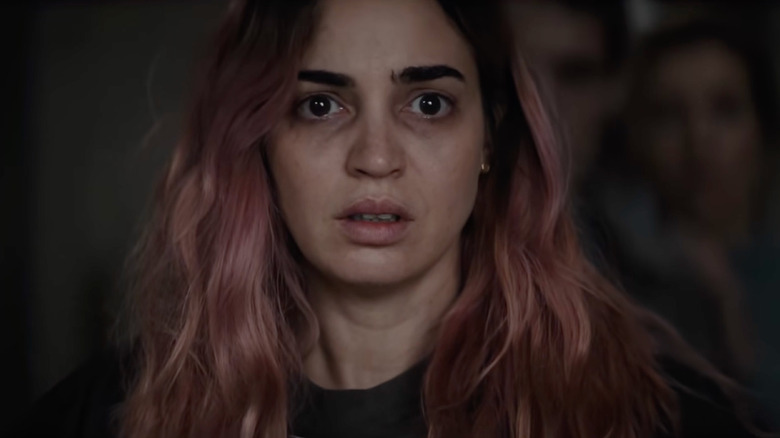
Critical response has been largely positive, though polarized regarding the film’s intensity. /Film’s Chris Evangelista described the movie as a "bloody good time," praising Vanicek’s ability to maintain the franchise’s signature tension. However, the film’s "unforgivingly brutal" nature—even by Evil Dead standards—has resulted in a slightly more divided audience score than the more crowd-pleasing Rise.
Producers Sam Raimi, Rob Tapert, and Bruce Campbell remain the guardians of the franchise. Their strategy has shifted toward finding young, hungry directors with distinct voices (Alvarez, Cronin, Vanicek, and now Galluppi). This "mentorship" model allows the franchise to feel fresh and auteur-driven while staying within the financial boundaries that ensure profitability.
Implications: The Future of the Deadites
The performance of Evil Dead Burn has several long-term implications for the horror genre and the franchise itself.
1. The "Horror Economy" Model
The success of Burn reinforces the viability of the $20–$25 million horror film. In a Hollywood landscape where "mid-budget" movies are supposedly dying, horror remains the one genre where they thrive. Studios are learning that they don’t need a $100 million budget to dominate the cultural conversation; they just need a bucket of blood and a creative director.
2. Global Expansion
By hiring a French director like Vanicek and featuring a diverse cast, the franchise is successfully expanding its international footprint. The Deadites are no longer confined to American cabins; they are a global threat, which opens up new marketing opportunities in European and Asian markets.
3. The Cinematic Universe vs. The Anthology
Unlike the Marvel Cinematic Universe, which requires viewers to watch dozens of films to understand the plot, Evil Dead is successfully operating as a "loose anthology." Each film stands on its own, linked only by the Necronomicon and the presence of Deadites. Evil Dead Burn’s post-credits scenes suggest that while the stories are individual, there may be a larger tapestry being woven for future crossovers. This allows for creative freedom without the burden of heavy continuity.
4. Quality Control
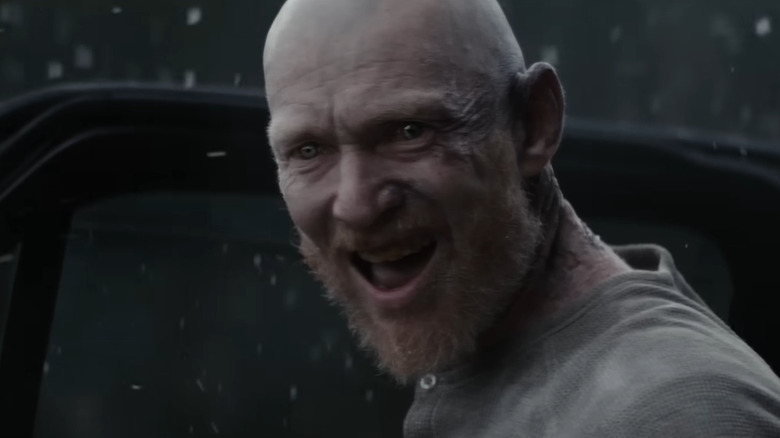
The most significant takeaway from Evil Dead Burn is the importance of brand integrity. The franchise has avoided the "straight-to-video" slump that plagued other horror icons like Hellraiser or Children of the Corn. By maintaining a high standard of practical effects and directorial vision, the producers have ensured that the "Evil Dead" name remains a badge of quality.
Conclusion
Evil Dead Burn may not be the highest-grossing entry in the series, but it is perhaps one of the most important. It proves that the franchise can survive on a regular release schedule without losing its edge or its audience. It demonstrates that there is a consistent, hungry market for R-rated horror that doesn’t pull its punches.
As the series looks toward Evil Dead Wrath in 2028, the foundation has never been more secure. The Deadites are back, the chainsaw is revved, and as long as the budgets stay smart and the scares stay visceral, the "Evil Dead" will continue to rise, burn, and conquer the box office for years to come.