The South American Renaissance: "Electro Andes" Signals a Global Shift in Anime’s Creative Landscape

By Jerome Mazandarani | June 19, 2026
A seismic shift is underway in the global animation industry, heralding a new era where creativity knows no borders and cultural narratives are infused into the very fabric of animated storytelling. This transformation, long simmering, is now reaching a critical mass, with a recent declaration from Toei Animation’s General Manager, Asama Yosuke, at the Cannes Film Festival echoing this sentiment. "The era when anime was something made only by Japanese people is over," Yosuke stated, emphasizing a forward-looking vision: "From now on, we aim to create entertainment works rooted in local cultures together with creators from around the world." This powerful pronouncement from one of anime’s most venerable institutions underscores a pivotal moment, suggesting a deliberate pivot towards more complex, mature, and culturally resonant storytelling in both series and feature films.
For decades, anime has served as a powerful Trojan horse, subtly reshaping global perceptions of what "cartoons" can be and, crucially, who they are for. What was once perceived as a niche genre is now recognized as a dynamic medium, deeply embedded in the creative DNA of animators worldwide. This evolution is not merely about aesthetic influence; it’s about the embrace of diverse perspectives and the recognition that compelling narratives can emerge from any corner of the globe.
A Groundbreaking Debut from the Southern Hemisphere
Nowhere is this paradigm shift more vividly exemplified than in a 30-minute pilot episode quietly residing on a server in Buenos Aires, Argentina, over 11,000 miles from Tokyo. Within an unassuming studio space, a dedicated team of approximately 100 artists has spent the last two years meticulously crafting this groundbreaking work. Today, they have unveiled the first story trailer for their ambitious project, a testament to their vision and the burgeoning creative force emerging from South America.
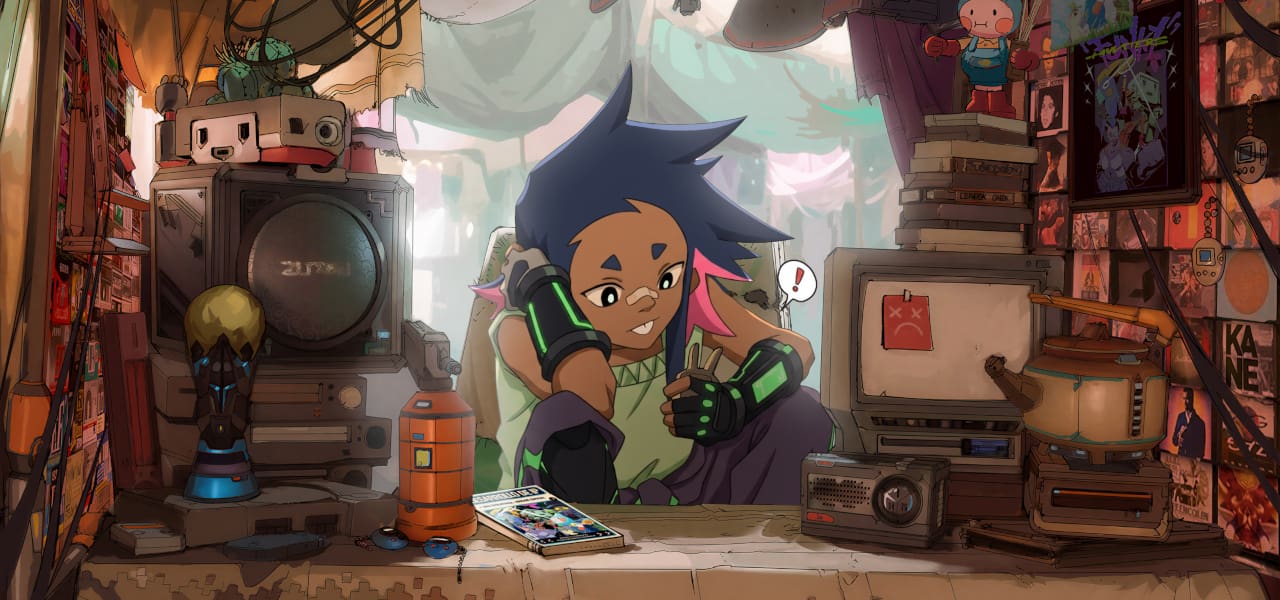
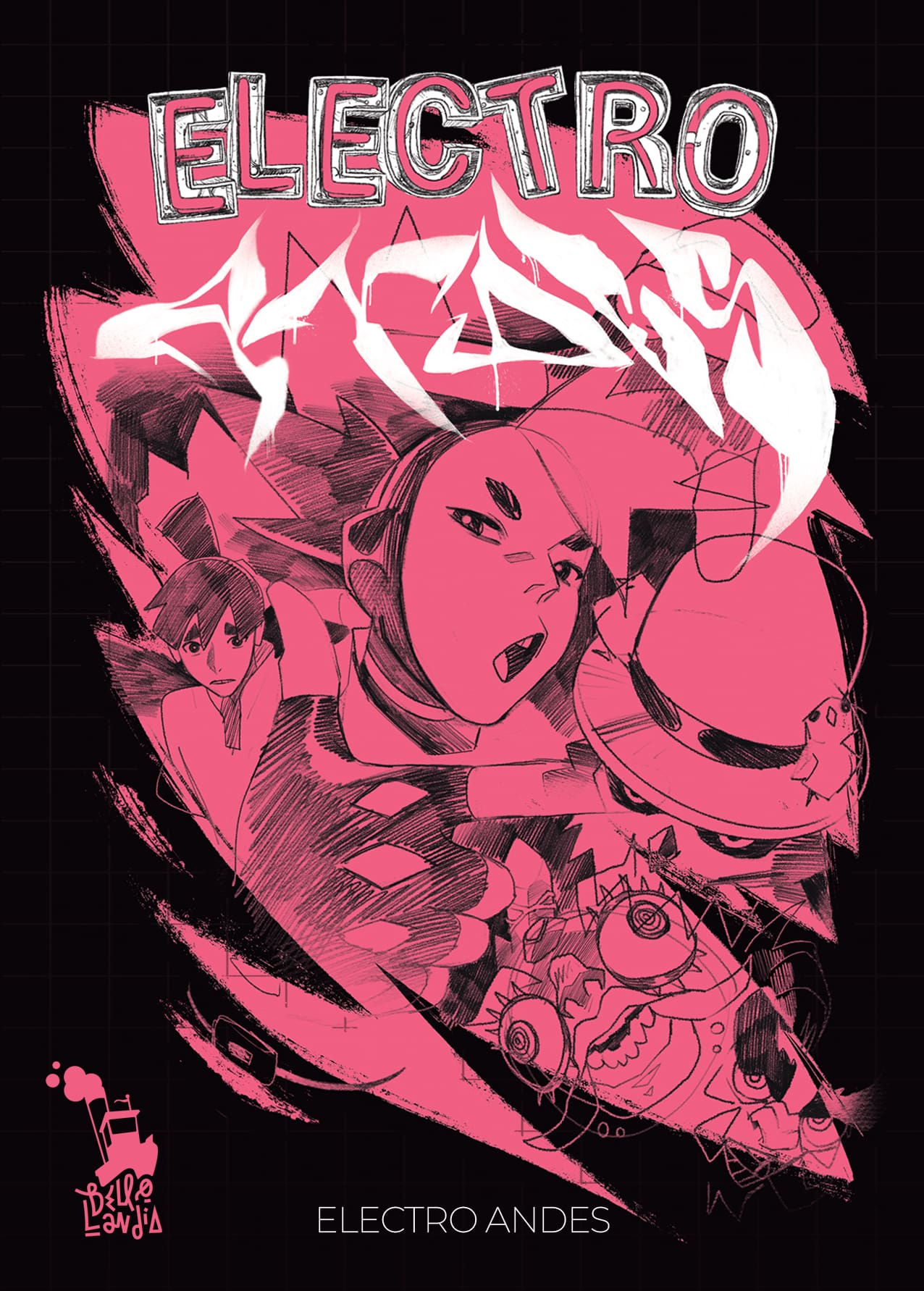
The project, titled "Electro Andes," is an ethno-cyberpunk anime series that plunges viewers into the dystopian future of Arcadia Iruyana. In this world, ancient pre-Columbian deities and Incan iconography intertwine with oppressive surveillance states, relentless resource exploitation, and pervasive cybernetic augmentation. The pilot episode centers on the poignant narrative of Cal and Pietro, two brothers who venture into the treacherous depths of the mountains in search of their missing grandfather. Cal is driven by a thirst for revenge, while Pietro clings to the fragile hope of finding him alive. It’s a premise of elegant, timeless simplicity, yet it carries the profound weight of South American political and mythological realities, offering a narrative depth rarely seen in contemporary animation.
The Genesis of Bellolandia Studio and "Electro Andes"
The creative powerhouse behind "Electro Andes" is Bellolandia Studio, a Buenos Aires-based company founded in 2018, formerly known as Arquenciel. Their journey to this pivotal moment has been a strategic and dedicated one, culminating in the upcoming presentation of the "Electro Andes" pilot at the prestigious Annecy International Animation Film Festival. As part of the MIFA Studio Focus Panel, scheduled for Friday, June 26, 2026, and aptly titled "The Rise of South American Anime," the studio will offer a special screening of their work.
This inclusion at Annecy is not a sudden emergence but the result of a sustained effort, a testament to Bellolandia’s understanding of the industry’s intricate networking and relationship-building processes. Their first engagement with Annecy dates back to 2019, when an early project, "Jordan," was selected for the official program. Subsequent visits in 2023 saw them present "Electro Andes" and declare their intent, followed by a recruiting mission in 2024 to attract international talent for the pilot. The intense production demands in 2025 prevented their attendance, making their 2026 presence, with an exclusive first look at the story trailer and an imminent world premiere, a significant milestone.
A Globalized Production with Deep Local Roots
The production of "Electro Andes" is a remarkable feat of international collaboration, with the team spread across seven countries: Argentina, Mexico, Ecuador, Russia, France, Spain, the United States, and Canada. This distributed model, while common in the industry, is not without its challenges. However, Bellolandia has also emphasized the importance of physical presence, reestablishing a Buenos Aires studio that housed up to 40 people under one roof during peak production. "We wanted to bring back the importance of physical space," explains Nacho Malter, Co-Creator, Co-Writer, and Co-Director at Bellolandia Studio. "The difference in workflow is complete." This countercultural commitment to physical collaboration, even within a globally distributed pipeline, speaks volumes about their dedication to fostering a cohesive creative environment and underscores the belief that tangible synergy can elevate the final product.
Despite their international reach, Bellolandia has consciously avoided replicating the Japanese production system. Instead, their generation has been profoundly shaped by anime as a formative medium during their adolescence. For them, anime is not an adopted style but an intrinsic part of their creative identity. This intrinsic connection is beautifully encapsulated in the term they have coined for their work: Sudakuga. This portmanteau of "Sudaca," a colloquial, often derogatory term for Latin Americans, and "sakuga," the Japanese word for sequences of exceptionally high-quality, expressive animation, is a powerful reclamation. By fusing a historically marginalized identity with the highest technical aspirations of their craft, they have forged a unique aesthetic identity and a bold statement of intent.
Thematic Resonance: Echoes of History, Visions of the Future
The thematic underpinnings of "Electro Andes" are deeply rooted in the sociopolitical realities of South America, particularly the complex relationship between resource extraction, Indigenous displacement, and technological advancement. The series draws inspiration from the urban dread found in masterpieces like "Akira" and the philosophical inquiries into the posthuman from "Ghost in the Shell," infused with the kinetic visual ambition characteristic of Studio Trigger. This potent blend is then mapped onto the specific geopolitical landscape of South America, lending it a narrative weight that is both unique and universally relevant.
The theme of resource exploitation is not a mere dystopian backdrop; it is a direct reflection of contemporary issues. The article notes that in 2024, Argentina’s poverty rate soared to 52.9%, coinciding with the government’s repeal of legal protections for Indigenous communities facing forced eviction from lithium deposits essential for electric vehicle production. The history of the Andes is steeped in colonialism, extractive economies, and the perpetual displacement of communities for profit. The surveillance state depicted in Arcadia Iruyana thus mirrors real, contemporary South American political experiences, rendered with stunning "sakuga" artistry.
Nacho Malter elaborates on the thematic core: "Heavy resource exploitation at the cost of the human population and the displacement of communities. Those are elements of our region, but they’re also global, because we’re not the only side of the world where that’s going on." This acknowledgment of the universal resonance of their local concerns highlights the project’s potential to connect with a global audience on a profound level.
"Spicy PG-13" and the Courage of Young Adult Storytelling
Malter describes the tone of "Electro Andes" as "a spicy PG-13," a register that aligns with the compelling young-adult narratives found in early Studio Trigger works like "Gurren Lagann" and "Kill la Kill." This classification signifies a commitment to action sequences with genuine stakes and moral complexity, animation that eschews dilution for the sake of imaginary broadcast censors. The series format provides ample space for narrative exploration and experimentation, allowing the pilot, produced in partnership with Buenos Aires tech company LambdaClass, to develop its intricate world and characters over its approximately 30-minute runtime.
The studio’s commercial success with clients such as Riot Games, Nickelodeon, Nike, and Dream Games, producing high-end anime-style promotional videos, has provided them with the financial stability and technical expertise to pursue their original IP. This commercial acumen, combined with their artistic passion, has allowed them to cultivate a talent pool capable of not only meeting the demands of international clients but also of reinvesting in their own creative visions.
The Quiet Revolution of Latin American Anime
The emergence of "Electro Andes" is not an isolated incident but part of a broader, albeit often understated, phenomenon: the quiet revolution of a South American anime scene. While key players may not always be fully aware of each other’s endeavors, a generation of animators across Latin America is diligently building the infrastructure for a distinct regional industry. Elite freelance key animators from Mexico, Brazil, Argentina, Peru, and Chile are now consistently credited on flagship productions from major Japanese studios like MAPPA and Toei. Boutique studios are adeptly aggregating this talent, creating organized pipelines capable of undertaking direct production packages from Tokyo.
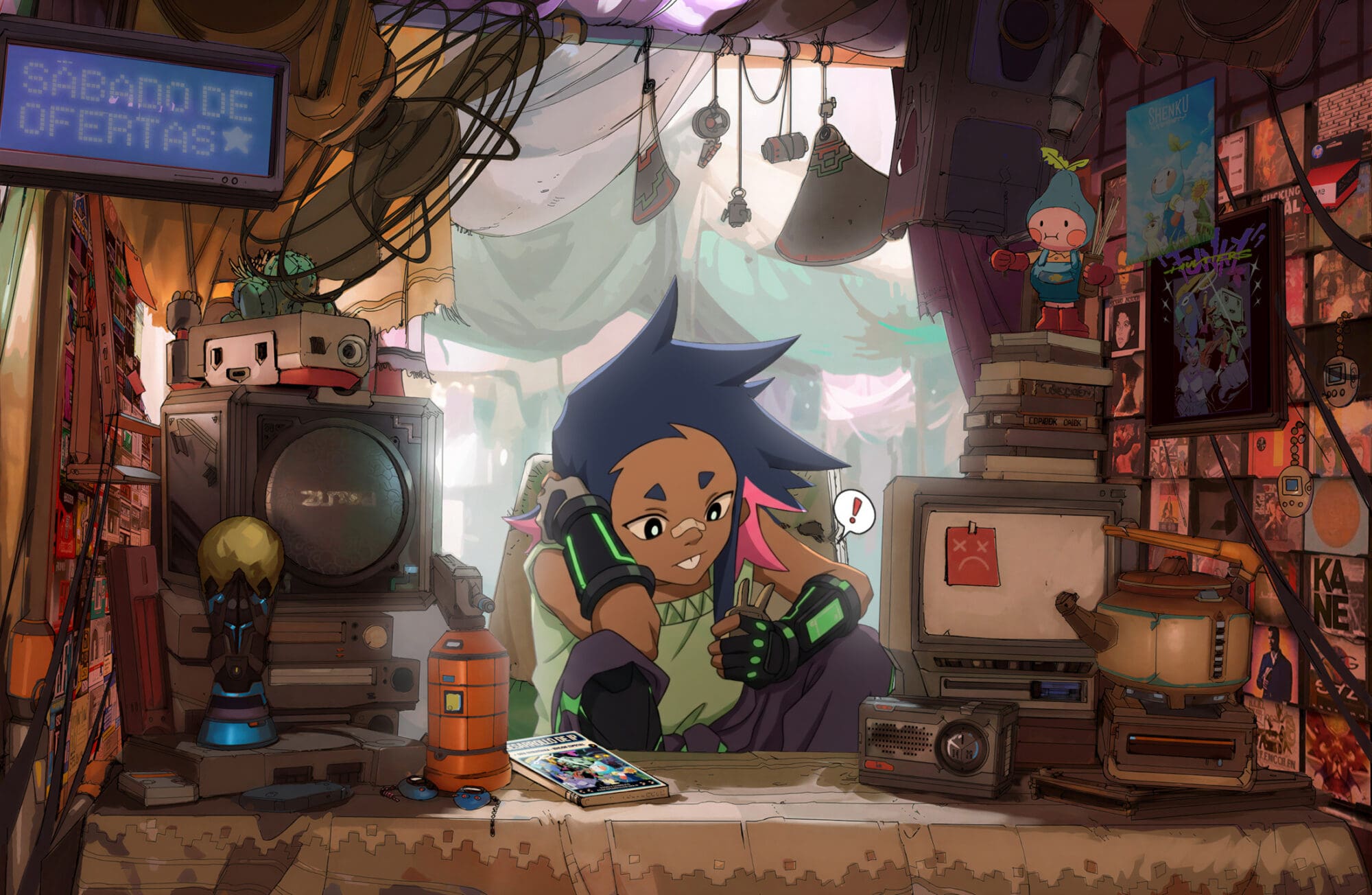
This discernible shift over the past three years, from individual freelance contributions to a more structured, regional industry, has created fertile ground for creators to invest in their own original intellectual property. Bellolandia Studio represents a logical creative apex within this evolving landscape. They have not only absorbed the technical discipline of "sakuga" but have also built a commercially viable infrastructure around it, channeling both towards the creation of a wholly original world.
Navigating the Global Market: The Annecy Strategy
Bellolandia’s strategic engagement with the Annecy International Animation Film Festival provides a compelling case study for emerging studios. Their consistent presence, from initial project selection to active recruitment and, now, a world premiere, demonstrates a nuanced understanding of market dynamics. They recognize that MIFA is not a venue for immediate sales but a platform for long-term relationship building. Co-productions are rarely secured at a first pitch; they often emerge from casual conversations over time. Bellolandia’s four years of engagement at Annecy have laid the groundwork for potential European co-productions, a declared priority that aligns with their pursuit of incentive structures, credits, and talent pipelines. This approach mirrors the logic of the Japanese production committee system, where securing an anchor distributor is often a prerequisite for assembling the committee.
The studio’s dedication to ownership is further underscored by a telling detail from their production process. Despite operating a distributed international pipeline, they consciously chose to reestablish a physical studio in Buenos Aires. "We wanted to bring back the importance of physical space," Malter reiterates. "The difference in workflow is complete." This commitment to fostering a tangible creative hub, in an industry that often defaults to distributed production as the norm, speaks volumes about their dedication to a hands-on, collaborative approach. Based on the evidence presented in the "Electro Andes" story trailer, this decision appears to have been a wise one.
The Future is Global, the Story is Local
Asama Yosuke’s assertion at Cannes that the era of solely Japanese-made anime is over finds a powerful advocate in the "Electro Andes" story trailer. Its impending world premiere at Annecy, coupled with this comprehensive look at its creation and thematic depth, presents one of the most persuasive arguments yet that this global transformation is not only underway but is poised to redefine the future of animated storytelling. "Electro Andes" is more than just a pilot episode; it is a beacon, illuminating a future where diverse voices converge, cultural narratives are celebrated, and the very definition of animation is expanded to embrace the rich tapestry of human experience from every corner of the globe. The South American renaissance in animation has arrived, and its story is just beginning to unfold.