Talisman Returns: A Classic Fantasy Quest Reimagined for a New Generation
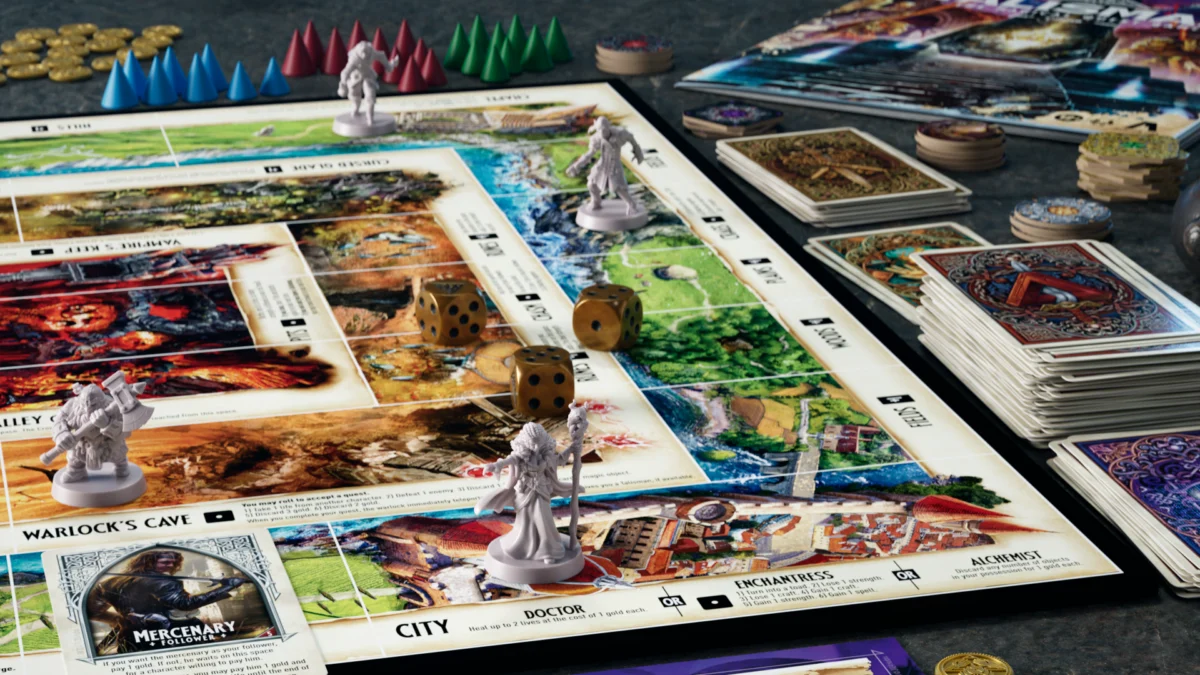
The hallowed lands of Talisman are set to beckon adventurers once more, as Avalon Hill, the acclaimed publisher behind titles like Betrayal at House on the Hill, unveils the highly anticipated fifth edition of the enduring fantasy adventure board game. Officially titled Talisman: The Magical Quest Board Game – 5th Edition, this release marks a significant milestone for a franchise that has captivated players for over four decades, promising a blend of nostalgic charm and modern refinements designed to appeal to both seasoned veterans and newcomers alike.
Main Facts: The Dawn of a New Era
The announcement of Talisman: The Magical Quest Board Game – 5th Edition has sent ripples of excitement throughout the tabletop gaming community. Scheduled for a global release on August 1st, 2024, with a retail price point of $60 (£47), this new iteration aims to revitalize the classic quest for the Crown of Command with updated aesthetics and streamlined gameplay.
At its core, Talisman remains a competitive adventure for two to six players, all vying to be the first to reach the coveted Crown of Command, located at the perilous heart of the game board. Players embark on a perilous journey, choosing from a diverse roster of twelve character archetypes—including familiar faces such as the Thief, Monk, Warrior, Ghoul, and Sorceress—each endowed with unique starting statistics and abilities that shape their individual paths to power.
Avalon Hill, a studio renowned for crafting immersive thematic experiences, notably with their popular horror series Betrayal at House on the Hill, is taking the reins for this new edition. Their involvement suggests a focus on narrative depth and accessible mechanics, a promise further underscored by the claim that the 5th Edition’s gameplay has been "streamlined" to welcome less experienced players into the fold without sacrificing the strategic depth beloved by long-time fans.
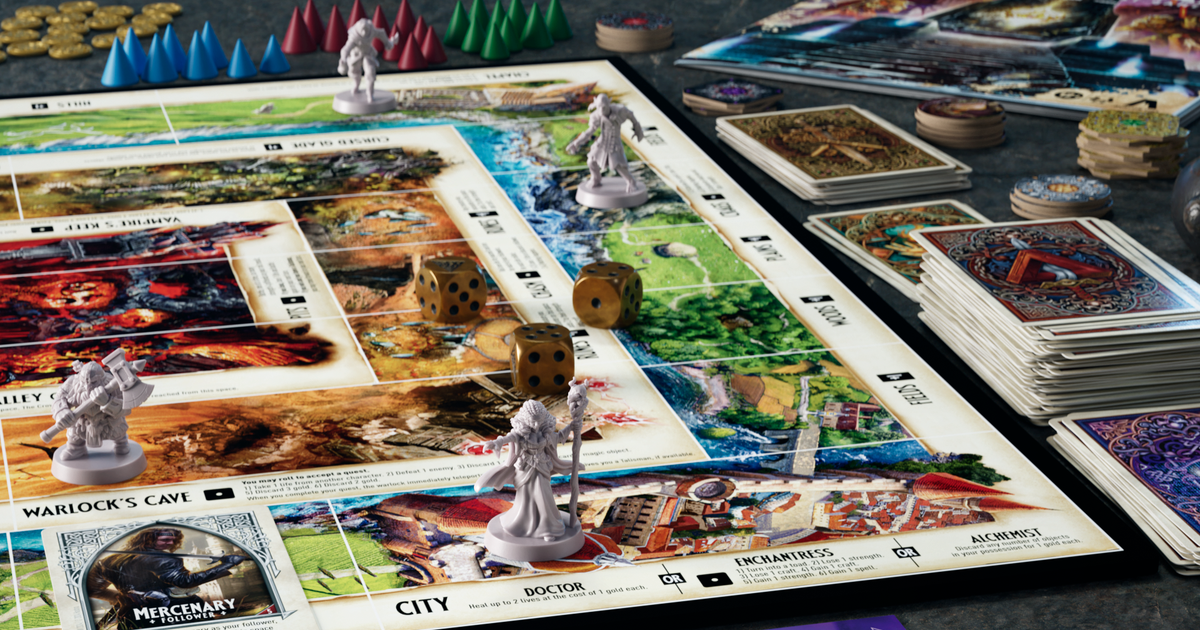
Visually, the new edition is set to undergo a comprehensive artistic overhaul. The announcement confirms brand new artwork and updated components across the entire game, including a collection of 100 distinct adventure cards. These visual enhancements, coupled with improved component quality, are expected to significantly elevate the player experience, immersing adventurers more deeply into the mystical realms of Talisman. The objective remains steadfast: progress through concentric rings of the board, overcome challenges, acquire powerful equipment, gain allies, and master new abilities, all while engaging in skill checks, defeating formidable monsters, and even clashing with rival players, until one champion ultimately claims the Portal of Power and, subsequently, the ultimate prize.
A Legacy Forged: A Chronology of Talisman
The journey of Talisman is a rich tapestry woven through decades of tabletop gaming history, reflecting the evolution of the hobby itself. From its humble beginnings to its latest revitalization, the game has consistently offered a unique blend of exploration, risk-taking, and competitive fantasy adventure.
Origins and Early Success: The Games Workshop Era (1983-1993)
Talisman first emerged from the creative forge of Games Workshop in 1983, designed by Robert Harris. At a time when Dungeons & Dragons was popularizing role-playing games, Talisman offered a more structured, board game-centric approach to fantasy adventure. It quickly garnered a dedicated following, becoming a staple in many gaming groups. Players were drawn to its evocative theme, the thrill of randomly drawn adventure cards, and the simple yet compelling loop of strengthening their character to face ever-greater perils.
The game’s success during this initial decade was remarkable. Games Workshop released several expansions, including The Dungeon, The City, The Timescape, and The Dragon, each adding new regions to explore, new characters to play, and new challenges to overcome. These expansions were instrumental in building the sprawling, unpredictable world that Talisman became known for, solidifying its place as a classic. The early editions, characterized by their often quirky artwork and sometimes brutal difficulty, fostered a strong sense of community and enduring nostalgia. Despite its undeniable charm, the first editions were not without their criticisms, particularly concerning game length and potential for player elimination, issues that would later be addressed in subsequent iterations.
The Fantasy Flight Era: Expansion and Refinement (2008-2017)
After several years and multiple publishers (including Black Industries, a Games Workshop imprint), the publishing rights to Talisman eventually landed with Fantasy Flight Games (FFG) in 2008. FFG, known for its lavish production values and extensive thematic games, released a revised Fourth Edition that year. This version was a pivotal moment for the franchise. FFG meticulously updated the artwork, components, and clarified the rulebook, breathing new life into the game while retaining its core spirit.
The Fourth Edition under FFG saw an unprecedented proliferation of expansions. Over nearly a decade, FFG released a staggering array of content, including major expansions like The Highland, The Sacred Pool, The Dragon, The Blood Moon, The Cataclysm, and numerous smaller character and object packs. These expansions not only introduced dozens of new characters, spells, and adventure cards but also added entirely new regions to the board, such as mountains, forests, and subterranean dungeons, dramatically increasing the game’s scope and replayability. FFG’s commitment to the franchise ensured its continued relevance and introduced it to a new generation of players who appreciated its thematic depth and enhanced production quality. The FFG era also saw the successful transition of Talisman into the digital realm, with Nomad Games developing highly-regarded digital adaptations for PC, mobile, and consoles, further expanding the game’s reach.
The Road to Fifth Edition: A New Chapter
The transition from Fantasy Flight Games to Avalon Hill (and by extension, Wizards of the Coast) for the fifth edition suggests a strategic decision to further modernize and potentially broaden the game’s appeal. While FFG’s Fourth Edition was incredibly successful, the tabletop landscape has continued to evolve. The decision to "streamline" gameplay and provide all-new artwork indicates a desire to update Talisman for contemporary tastes, addressing common criticisms while preserving the core adventurous spirit that has defined the game for decades. This shift also reflects broader trends in the industry, where beloved classics are frequently revisited and reimagined to capture both nostalgic fans and new audiences.
Supporting Data: Deep Dive into the Fifth Edition
The specifics revealed about Talisman: The Magical Quest Board Game – 5th Edition offer tantalizing glimpses into how Avalon Hill plans to honor the game’s heritage while propelling it forward. The focus on streamlined gameplay, an artistic overhaul, and a robust character roster are key pillars of this revitalization.
Gameplay Refinements and Accessibility
The most significant, albeit currently vague, detail regarding the new edition is the promise of "streamlined" gameplay, making it "more accessible to less experienced players." In the context of modern board game design, this often implies several potential improvements:
- Reduced Downtime: Older editions of Talisman, particularly with multiple players, could suffer from significant downtime between turns. Streamlining might involve clearer rules for combat, movement, and resolving adventure cards, speeding up the overall pace.
- Simplified Ruleset: While Talisman’s core mechanics are relatively straightforward, the accumulation of rules from expansions and specific card interactions could create complexity. The 5th Edition might feature a more intuitive rulebook, iconography, and perhaps fewer edge cases, making it easier for new players to grasp.
- Faster Setup: Modern board games often prioritize quick setup times. The 5th Edition could incorporate improved component organization or clearer instructions to get players into the action faster.
- Mitigated Player Elimination: While not explicitly stated, some "streamlining" efforts in contemporary re-releases of older games aim to reduce or eliminate direct player elimination, a feature that can be frustrating for players who are forced to sit out for extended periods. It remains to be seen how Avalon Hill will approach this aspect, given its historical presence in Talisman.
- Clarity in Objectives: While the ultimate goal (Crown of Command) is clear, the "Talisman quest" requirement in older editions could sometimes feel opaque. The new edition might offer clearer pathways or more intuitive quest mechanics.
These potential refinements would serve to lower the barrier to entry, inviting a broader audience who might be intimidated by the perceived complexity or length of older fantasy adventure games, while hopefully retaining enough strategic depth to satisfy long-term fans.
Artistic Overhaul and Component Quality
The emphasis on "brand new artwork and updated components" is crucial for a game aiming to thrive in today’s visually competitive market. High-quality production values are a hallmark of successful modern board games, and Talisman 5th Edition appears to be embracing this trend:
- Visual Appeal: Contemporary art styles can draw players in, create a more cohesive thematic experience, and make the game more appealing on store shelves. The promo images hint at a vibrant, detailed aesthetic that respects the fantasy roots of the game while giving it a fresh, modern polish.
- Enhanced Components: "Updated components" likely means higher-quality cardboard, more durable cards, and potentially improved miniatures or tokens. This not only enhances the tactile experience of playing but also contributes to the game’s longevity.
- 100 New Adventure Cards: This substantial number of new cards is a significant feature. Adventure cards are the heart of Talisman, dictating encounters, events, and discoveries. A fresh deck ensures high replayability, introduces new narrative possibilities, and prevents the game from feeling stale, even for those who have played previous editions extensively. These cards will be vital in crafting diverse and memorable journeys for each game session.
The combination of striking new visuals and superior components is essential for Talisman to stand out in a crowded market and provide a premium experience befitting its legacy.
Character Roster and Archetypes
The revelation of 12 playable characters, including iconic archetypes like the Thief, Monk, Warrior, Ghoul, and Sorceress, ensures a diverse range of playstyles and strategic choices from the outset.
- Archetypal Diversity: Each archetype traditionally offers a distinct starting stat line (Strength, Craft, Lives, Fate) and unique abilities, encouraging players to explore different approaches to the quest. A Warrior might excel in direct combat, while a Sorceress relies on powerful spells. A Thief might focus on trickery and subterfuge, and a Monk on spiritual resilience.
- The "Ghoul" Factor: The inclusion of a "Ghoul" character is particularly intriguing, suggesting a darker, perhaps more unconventional path to victory. This character could offer unique interactions with the board, other players, or specific card types, leaning into themes of undeath or corruption. Such characters add thematic depth and mechanical novelty.
- Strategic Replayability: The variety of characters inherently boosts replayability, as players can experience the game anew with different strengths and weaknesses, leading to varied strategies and outcomes in their pursuit of the Crown of Command. Each character’s journey will feel distinct, fostering a strong connection between player and avatar.
The careful selection and design of these characters will be crucial in defining the overall feel and strategic depth of Talisman 5th Edition.
Official Responses and Industry Context
The re-release of a beloved classic like Talisman by a major publisher like Avalon Hill is not merely a nostalgic gesture; it’s a calculated move within the dynamic landscape of the tabletop gaming industry.
Avalon Hill’s Vision
Avalon Hill, now an imprint of Wizards of the Coast (itself a subsidiary of Hasbro), brings a particular pedigree to the Talisman franchise. Known for games that blend accessible rules with rich thematic experiences, their most celebrated modern success, Betrayal at House on the Hill, exemplifies their ability to create compelling, narrative-driven gameplay.

While specific, detailed statements from Avalon Hill regarding their precise creative vision for Talisman 5th Edition are yet to be fully articulated, their involvement strongly suggests a commitment to:
- Thematic Immersion: Expect the new artwork, updated components, and streamlined rules to work in concert to enhance the game’s atmosphere and storytelling. Avalon Hill often prioritizes a strong sense of place and narrative progression.
- Player Experience: The "streamlined" gameplay aligns with Avalon Hill’s general approach to making games engaging and approachable without sacrificing depth. They aim for experiences that are fun and memorable, even for casual players.
- Quality Production: Given their reputation, players can anticipate a high level of production quality in terms of materials, art, and overall presentation.
Their expertise in balancing intricate mechanics with engaging themes bodes well for a game like Talisman, which thrives on its adventurous narrative.
Wizards of the Coast’s Broader Strategy
As part of Wizards of the Coast’s portfolio, Talisman 5th Edition fits into a larger strategic push within the tabletop market. Wizards of the Coast is a dominant force, primarily known for Dungeons & Dragons and Magic: The Gathering. Revitalizing a classic fantasy board game like Talisman diversifies their offerings and leverages their expertise in fantasy world-building.
This move could be seen as an effort to:
- Expand Market Share: Introduce a new gateway game to players who might not yet be ready for the complexities of D&D or the competitive nature of Magic.
- Leverage IP Recognition: Capitalize on the existing brand recognition of Talisman among older gamers, while introducing it to new audiences who appreciate the fantasy genre.
- Synergy with Other Brands: While Talisman is its own distinct world, its fantasy themes resonate with the broader fantasy ecosystem that Wizards of the Coast cultivates.
Competitive Landscape
The modern board game market is incredibly vibrant and competitive, especially within the fantasy adventure genre. Talisman will be re-entering a space populated by critically acclaimed titles like Gloomhaven, Mansions of Madness, Descent: Journeys in the Dark, and even other adventure games from FFG.
Talisman’s enduring appeal, however, lies in its unique blend of simplicity, high-fantasy archetypes, and unpredictable adventure. Unlike many contemporary dungeon crawlers or campaign games, Talisman offers a more straightforward "race to the center" objective, combined with dice-rolling luck and card-driven narrative twists. Its charm comes from the sheer unpredictability of the journey and the emergent stories that arise from player interactions and random encounters. The 5th Edition’s "streamlined" approach, coupled with its established legacy, positions it as a potential bridge between classic board gaming and modern design sensibilities, offering a nostalgic yet refreshed experience that differentiates it from more complex, narrative-heavy competitors.
Implications: The Future of a Classic
The release of Talisman: The Magical Quest Board Game – 5th Edition carries significant implications, not only for the dedicated fan base but also for the broader tabletop gaming industry. It represents a fascinating intersection of nostalgia, modernization, and market strategy.
Impact on the Talisman Community
For the legions of Talisman fans who have traversed its mystical lands across various editions, the 5th Edition is met with a mix of anticipation and cautious optimism.
- Anticipation for Freshness: Long-time players are eager to see how the "streamlined" gameplay affects the core experience. Will it retain the challenging, sometimes brutal, nature of earlier editions, or lean more into a gentler, more forgiving journey? The new artwork and components are universally welcomed, promising a visually stunning upgrade.
- Potential for New Expansions: A successful 5th Edition launch by Avalon Hill could pave the way for a new generation of expansions, building upon the rich lore and diverse regions established in previous versions. This would allow the world of Talisman to continue growing and evolving.
- Balancing Tradition with Innovation: The biggest challenge for Avalon Hill will be to strike a delicate balance between honoring the game’s storied past and introducing innovations that make it relevant for contemporary players. Alienating the dedicated fan base in pursuit of new audiences would be a misstep, but sticking too rigidly to outdated mechanics could hinder its broader appeal. The goal is likely to capture the essence of Talisman while smoothing out its rougher edges.
Broader Market Influence
The re-launch of Talisman could have several impacts on the wider board game market:
- Gateway Game Potential: With its streamlined rules and classic fantasy theme, the 5th Edition has the potential to become a strong "gateway game," introducing new players to the hobby. Its relatively simple premise – get to the center of the board – makes it easy to teach, while the adventure cards provide constant engagement.
- Revival of Classics: This release contributes to an ongoing trend in the industry where publishers revisit and revitalize classic board games. This allows beloved titles to remain relevant, introduces them to new generations, and taps into the powerful appeal of nostalgia.
- Benchmark for Re-releases: The success or challenges faced by Talisman 5th Edition could serve as a benchmark for how other classic games are approached for modern re-releases, influencing design choices regarding accessibility, component quality, and thematic fidelity.
A New Chapter for a Timeless Quest
Ultimately, Talisman: The Magical Quest Board Game – 5th Edition represents more than just a new product; it’s a testament to the enduring power of classic game design and the timeless appeal of fantasy adventure. By blending the foundational mechanics that have captivated players for decades with modern design sensibilities and high-quality production, Avalon Hill is poised to usher in a new chapter for this venerable franchise. As August 1st approaches, the anticipation mounts for adventurers eager to once again embark on the magical quest for the Crown of Command, hoping to forge their legend in the freshly reimagined lands of Talisman. The dice are almost ready to roll, and a new generation of champions awaits its call.