CD Projekt Red CEO Acknowledges Lingering Trust Deficit, Pledges Long-Term Redemption Through Future Titles
Warsaw, Poland – In a candid admission that acknowledges the deep scars left by the disastrous launch of Cyberpunk 2077, CD Projekt Red’s joint CEO, Michał Nowakowski, has expressed a pragmatic understanding that the studio’s journey toward regaining the full trust of its fanbase is ongoing, and potentially incomplete. While acknowledging the commercial success of Cyberpunk 2077 and the enduring legacy of The Witcher series, Nowakowski conveyed a sense of realism regarding the lasting impact of the studio’s most turbulent period, stating, "I’m convinced that we lost the faith of some people indefinitely."
This sentiment, articulated in a recent interview with Edge magazine, as reported by GamesRadar, highlights a nuanced perspective from the top executive. It suggests that while CD Projekt Red has made significant strides in rebuilding its reputation, particularly through extensive post-launch support for Cyberpunk 2077 and the continued reverence for The Witcher 3: Wild Hunt, the path to absolute redemption is not yet assured. The CEO’s words underscore a commitment to earning back the confidence of any players who may have been irrevocably alienated by the initial release of their ambitious open-world RPG.
The Shadow of Cyberpunk 2077: A Chronology of Redemption
The launch of Cyberpunk 2077 in December 2020 was, by all accounts, a watershed moment for CD Projekt Red. Hailed as one of the most anticipated games of its generation, the title was plagued by a litany of technical issues, performance problems, and a lack of promised features, particularly on last-generation consoles. This resulted in widespread player dissatisfaction, critical backlash, and a significant blow to the studio’s meticulously crafted image.
- December 2020: Cyberpunk 2077 launches to overwhelming criticism due to severe technical issues, especially on PlayStation 4 and Xbox One. Sony famously delisted the game from its PlayStation Store, a move unprecedented for a title of such magnitude.
- Early 2021: CD Projekt Red issues public apologies, acknowledges the shortcomings, and commits to extensive patching and updates. The studio implements a rigorous roadmap to address bugs, improve performance, and gradually introduce missing features.
- Mid-2021 onwards: A series of substantial patches, including major updates like Patch 1.5 and Patch 2.0, begin to significantly transform the player experience. These updates introduce new gameplay mechanics, improve AI, enhance graphics, and bring the game closer to its initial promises.
- 2022-2023: Cyberpunk 2077 is re-released on the PlayStation Store. The Phantom Liberty expansion is announced and later launched to critical acclaim, often cited as a testament to the game’s turnaround. Sales of Cyberpunk 2077 steadily climb, surpassing milestones and indicating a strong commercial recovery.
- Present: CD Projekt Red announces its next major project, The Witcher 4 (Project Polaris), built on Unreal Engine 5. This announcement, while met with excitement, also brings renewed focus to the studio’s past challenges and the importance of future releases in solidifying their reputation.
This timeline illustrates a concerted effort by CD Projekt Red to rectify its mistakes. The company’s investment in post-launch support, while costly, has demonstrably paid off in terms of player sentiment and commercial performance. However, as Nowakowski’s statement suggests, the psychological impact of such a high-profile failure on a segment of the player base is not easily erased.
Supporting Data: The Resurgence of Cyberpunk 2077 and the Enduring Appeal of The Witcher
Despite the initial turmoil, Cyberpunk 2077 has achieved remarkable success. By November 2023, the game had sold over 25 million copies worldwide. The Phantom Liberty expansion, released in September 2023, garnered widespread critical praise, with many reviewers noting the significant improvements and the high quality of the new content. Metacritic scores for the game have steadily risen, reflecting the impact of the numerous updates and the expansion.
Simultaneously, the Witcher franchise continues to be a cornerstone of CD Projekt Red’s identity and a significant revenue driver. The Witcher 3: Wild Hunt, released in 2015, remains a beloved classic, consistently appearing on "best games of all time" lists. The recent announcement of a brand-new expansion for The Witcher 3, titled "Songs of the Past," over a decade after its initial release, underscores the franchise’s enduring appeal and its cultural significance within the gaming landscape. This longevity speaks to the quality of the original product and CD Projekt Red’s ability to foster and maintain beloved intellectual properties.
The juxtaposition of Cyberpunk 2077‘s rocky start and subsequent recovery with the evergreen popularity of The Witcher series presents a complex picture for CD Projekt Red. While sales figures demonstrate commercial resilience, Nowakowski’s words suggest a keen awareness that genuine trust is built on consistent delivery of high-quality experiences, not just on sales numbers or eventual fixes.
Official Responses: A CEO’s Candid Assessment
Michał Nowakowski’s statement to Edge magazine is particularly noteworthy for its candor. He described the period following Cyberpunk 2077‘s launch as "heartbreaking" for the studio, emphasizing that the company’s reputation was its "biggest asset." This recognition of reputation as a paramount concern is a crucial indicator of CD Projekt Red’s internal reflection.
"I’m not 100 percent convinced we went through the full redemption arc," Nowakowski stated. "I’m convinced that we lost the faith of some people indefinitely, and that’s a fair thing. But I do hope we will be able to make it back – if not with The Witcher 4, then with whatever comes next."
This admission is a significant departure from purely promotional language. It acknowledges the gravity of the initial misstep and the potential for irreparable damage to player trust. However, it is tempered with a forward-looking optimism, indicating a commitment to earning back that trust through future projects. The mention of The Witcher 4 as a potential vehicle for this redemption, or failing that, subsequent titles, signals a long-term strategy focused on consistent quality and player satisfaction.
In the same interview, Nowakowski also addressed the studio’s development philosophy, stating that CD Projekt Red has no intention of becoming a studio that releases a major title every year. "Our dream is to be making more games, although we never want to turn into the studio that’s going to be launching a big game every year," he explained. "It may happen, but this is not the goal. We have a rough ten-year rolling plan, but the goal is not to flood the games market with CDPR games. We just want to make really cool games, and we don’t want to have a ton of IPs either. We’re not planning to grow in that way."
This commitment to a more deliberate development pace, prioritizing quality over quantity, is likely a direct response to the lessons learned from Cyberpunk 2077. It suggests a strategic shift towards more sustainable and meticulously crafted game development, aiming to avoid the pitfalls of over-ambition and rushed production.
Implications: The Weight of Expectation for The Witcher 4 and Beyond
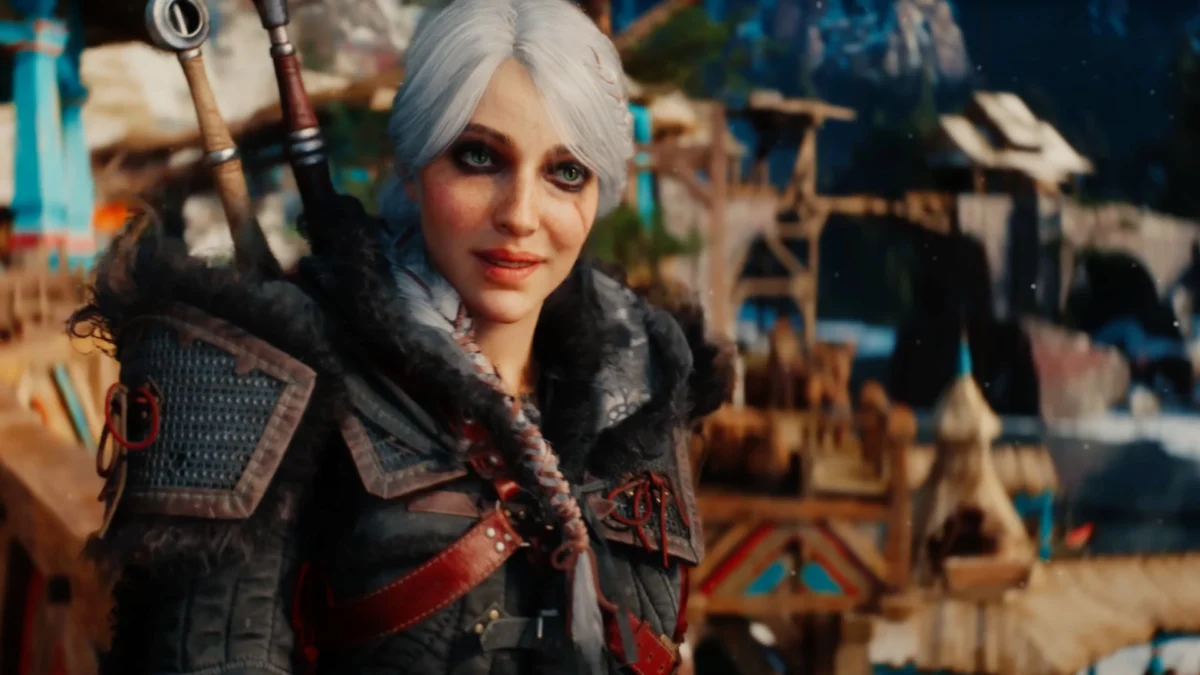
The implications of Nowakowski’s statements are far-reaching, particularly for the development and anticipated release of The Witcher 4. The game, codenamed "Project Polaris" and confirmed to be the start of a new Witcher saga built on Unreal Engine 5, now carries an even heavier burden of expectation. It is not just another installment in a beloved series; it is also a critical opportunity for CD Projekt Red to demonstrate its renewed commitment to excellence and to solidify the trust it has worked so hard to rebuild.
The success of The Witcher 4 will be scrutinized not only for its gameplay, narrative, and technical execution but also for how it signals CD Projekt Red’s evolution as a developer. A flawless launch, coupled with the high-quality experience that fans have come to expect from the franchise, could indeed mark the completion of their redemption arc. Conversely, any significant missteps could reopen old wounds and further erode player confidence.
Furthermore, Nowakowski’s assertion that CD Projekt Red does not aim to become a high-volume, annual release studio suggests a focus on long-term brand building and player engagement. This approach, if consistently applied, could differentiate them in an industry often characterized by relentless release schedules. By emphasizing the creation of "really cool games" rather than simply churning out titles, the studio may be positioning itself for sustained success and a more loyal, engaged player base.
The challenge for CD Projekt Red is to leverage the lessons learned from Cyberpunk 2077‘s tumultuous launch while capitalizing on the immense goodwill and established fanbase of The Witcher. The acknowledgment of lost faith is a brave and necessary step. The true test will lie in their ability to consistently deliver on their promises, ensuring that future titles not only meet but exceed the high standards expected by their audience, thereby completing the arduous journey of earning back the complete trust of their player community. The future of CD Projekt Red’s reputation now hinges on the quality and integrity of the worlds they choose to build next.