AMD’s FSR 4.1 Arrives for Radeon RX 7000 Series, Promising Enhanced Visuals and Performance
AMD has officially rolled out its latest Adrenalin drivers, version 26.2.2, bringing significant enhancements to its Radeon RX 7000-series graphics cards with the integration of FSR 4.1. This advanced upscaling and frame generation technology, a successor to the widely adopted FSR 3, promises a noticeable leap in visual fidelity and performance, drawing closer to the capabilities of competing solutions.
The release follows a somewhat serendipitous reveal last year when AMD inadvertently published the source code for FSR 4 on GitHub, providing an early glimpse into its potential for modders and enthusiasts. Now, the company is delivering on its promise to integrate these cutting-edge algorithms into its driver suite, marking a pivotal moment for RDNA 3 architecture users. While the driver update itself doesn’t boast an extensive list of other features, the inclusion of FSR 4.1 is undeniably the star of the show, poised to redefine the gaming experience for a significant portion of AMD’s user base.
The Evolution of FidelityFX Super Resolution: A Leap Forward
AMD’s FidelityFX Super Resolution (FSR) technology has been a cornerstone in enabling gamers to achieve higher frame rates without a substantial compromise in visual quality. FSR 4.1 represents the latest iteration of this technology, leveraging AI-powered upscaling and frame generation to render games at lower resolutions and then intelligently upscale them to the display’s native resolution. This process not only boosts performance but can also enhance detail and sharpness, creating a more immersive visual experience.
The previous iteration, FSR 3, introduced frame generation capabilities, which dynamically inserted intermediate frames between rendered frames, further smoothing out motion and increasing perceived fluidity. FSR 4.1 builds upon this foundation, with AMD claiming a clear superiority in the quality of both upscaling and frame generation compared to its predecessor. Early indications suggest that FSR 4.1 is now nearing parity with Nvidia’s DLSS 4.5 suite, a significant achievement that intensifies the competition in the realm of graphics enhancement technologies.
A Staged Rollout: RDNA 3 First, with Future Expansion
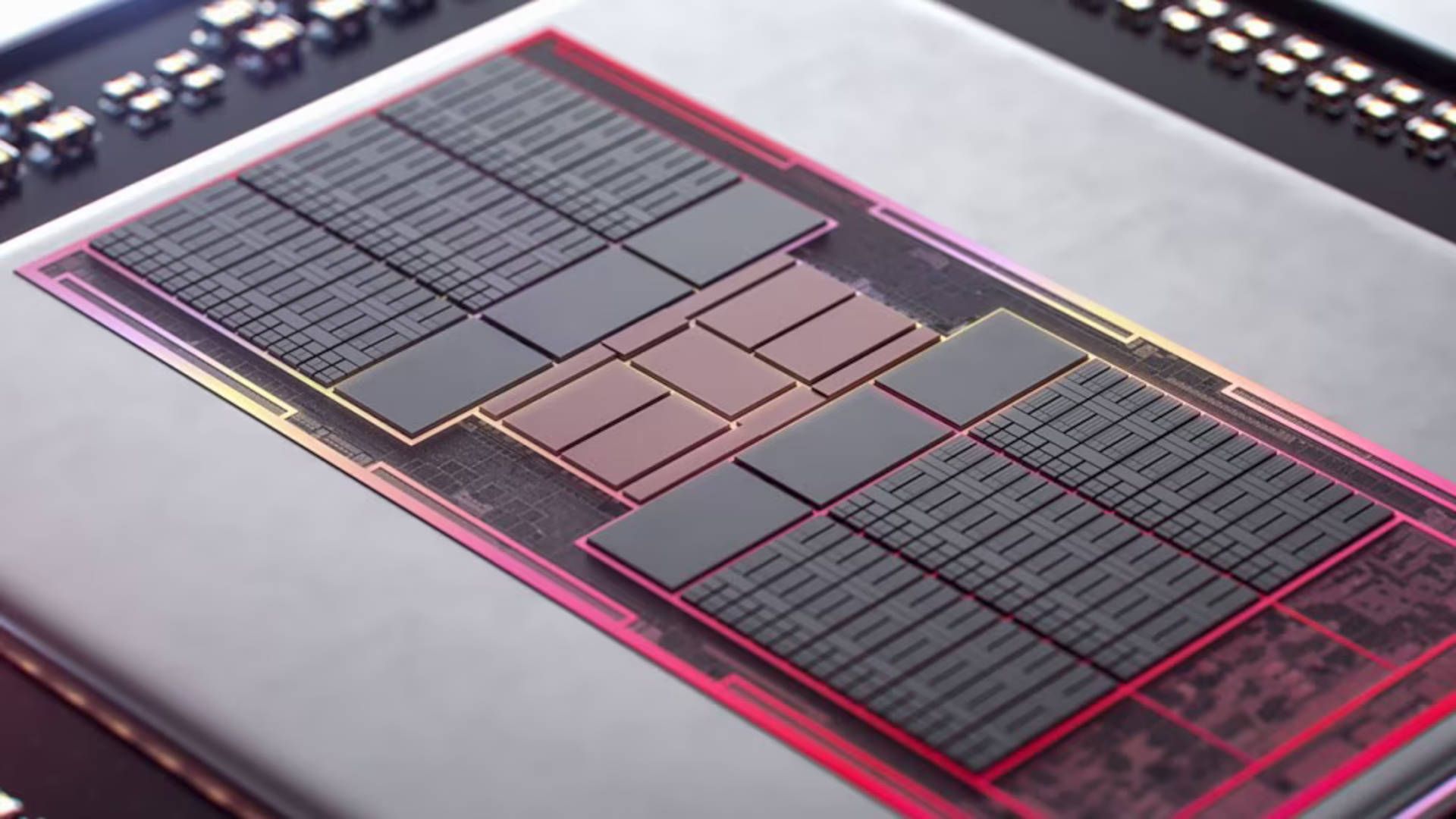
AMD’s strategic rollout of FSR 4.1 prioritizes its latest RDNA 3 architecture, specifically targeting the Radeon RX 7000 series graphics cards. This decision is rooted in the advanced capabilities of these GPUs, which are better equipped to handle the computational demands of FSR 4.1’s sophisticated algorithms.
While the driver update officially brings FSR 4.1 support to RX 7000 series cards, its implementation within games will vary. For titles that have native support for FSR 4.1, users can expect a seamless integration. However, for games that do not yet feature direct FSR 4.1 integration, users can still leverage the technology through an override option within the Adrenalin software. It’s important to note that this override functionality requires the game to have at least a native FSR 3.1 implementation to function correctly.
Performance Expectations: RDNA 3 vs. Future Architectures
The current implementation of FSR 4.1 on RDNA 3-based cards is expected to deliver substantial performance gains. However, AMD has also hinted at potential performance differences when comparing FSR 4.1 on RDNA 3 versus future RDNA 4 architecture GPUs.
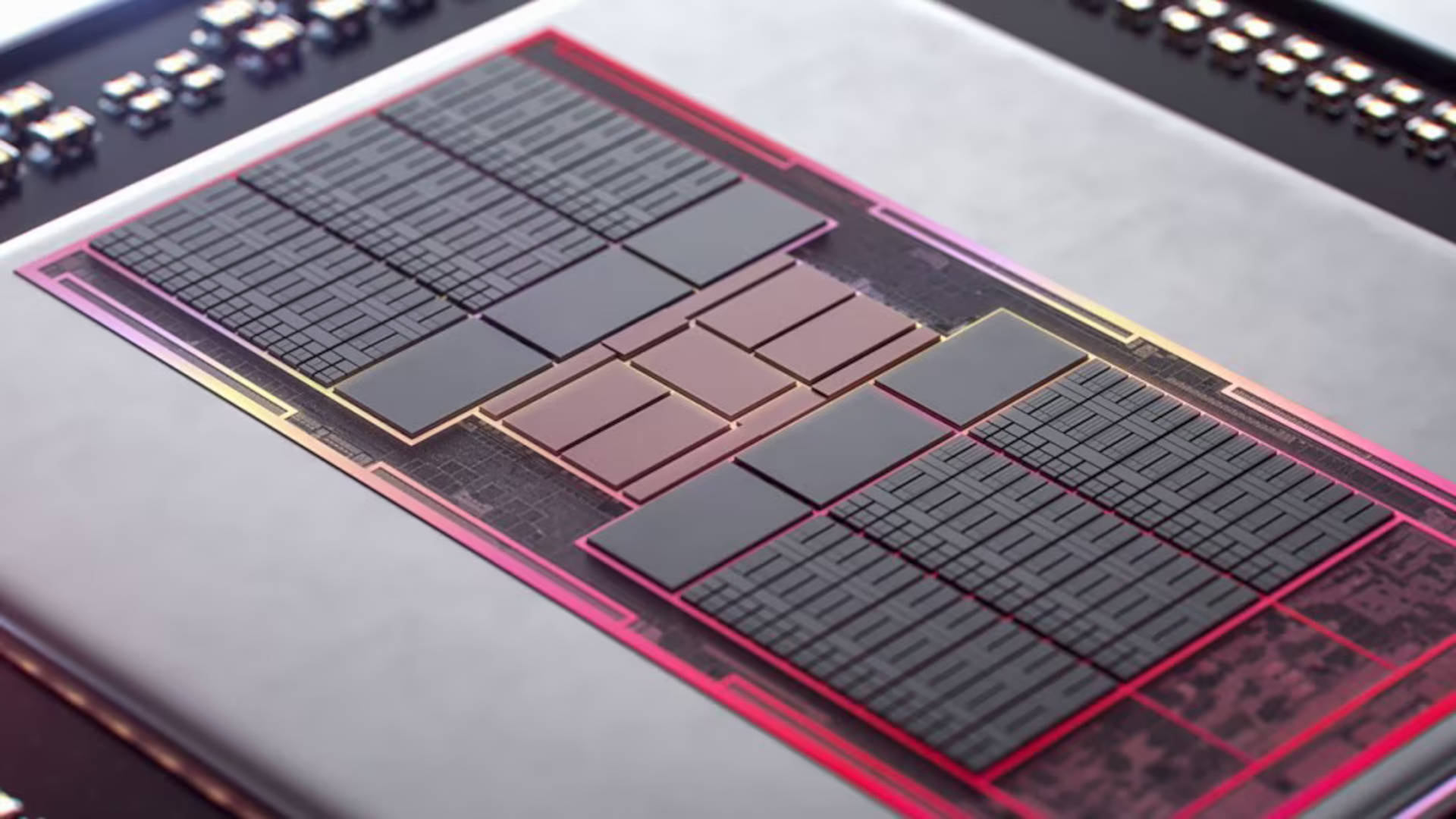
The company suggests that RDNA 4-based graphics cards will likely exhibit superior performance with FSR 4.1. This is attributed to the inherent differences in architectural capabilities, particularly in matrix operations, which are crucial for the AI-driven processes within FSR 4.1. While RX 7000-series cards possess lower matrix operation abilities compared to anticipated RX 9000 series cards, they are still more than capable of providing a tangible performance uplift.
This distinction means that users might observe varying outcomes when comparing FSR 4.1 on different generations of AMD hardware. For instance, a Radeon RX 9070 XT running FSR 4.1 might offer a more pronounced performance boost or superior visual fidelity compared to an RX 7800 XT. Nevertheless, enabling FSR 4.1 on an RDNA 3 card is still expected to yield a significant and appreciated performance enhancement, even if the ultimate result may not be as striking as on a future RDNA 4 GPU.
A Glimpse into the Past: The Accidental Leak and Modding Community
The journey of FSR 4.1 to official driver support has an interesting prelude. Last year, an accidental leak of its source code on GitHub provided an early, albeit unofficial, glimpse into the technology’s capabilities. This incident sparked considerable interest within the PC gaming modding community, who were quick to explore its potential. The fact that AMD is now officially integrating FSR 4.1 suggests that the company has not only refined the technology but also acknowledged the valuable insights and early adoption fostered by this community.
This open approach, even if initially unintentional, aligns with AMD’s broader strategy of fostering an open ecosystem for its graphics technologies. By making its solutions more accessible, AMD encourages innovation and broader adoption across a wider range of hardware and software.
Wider Implications: Future-Proofing and Competitive Landscape
The introduction of FSR 4.1 is more than just a driver update; it represents a strategic move by AMD to solidify its position in the competitive graphics card market. By offering advanced upscaling and frame generation technology that rivals or even surpasses its competitors in certain aspects, AMD is providing compelling reasons for gamers to choose its hardware.
For current owners of Radeon RX 7000-series graphics cards, this update is a significant boon. It means enhanced visual experiences in their favorite games, with smoother gameplay and improved graphical detail, all without requiring a hardware upgrade. This is particularly relevant in a market where graphics card prices can be a significant barrier to entry.
Looking ahead, the roadmap for FSR 4.1 extends beyond the current generation. AMD has previously indicated plans to bring FSR 4.1 to the RX 6000-series graphics cards next year. While this represents a considerable wait for owners of this still-capable generation of hardware, it underscores AMD’s commitment to supporting its older architectures and extending the lifespan of its products. In a market where the cost of new PC components remains a concern, this backward compatibility is a welcome gesture.
The Steam Machine Connection: A Nod to Innovation
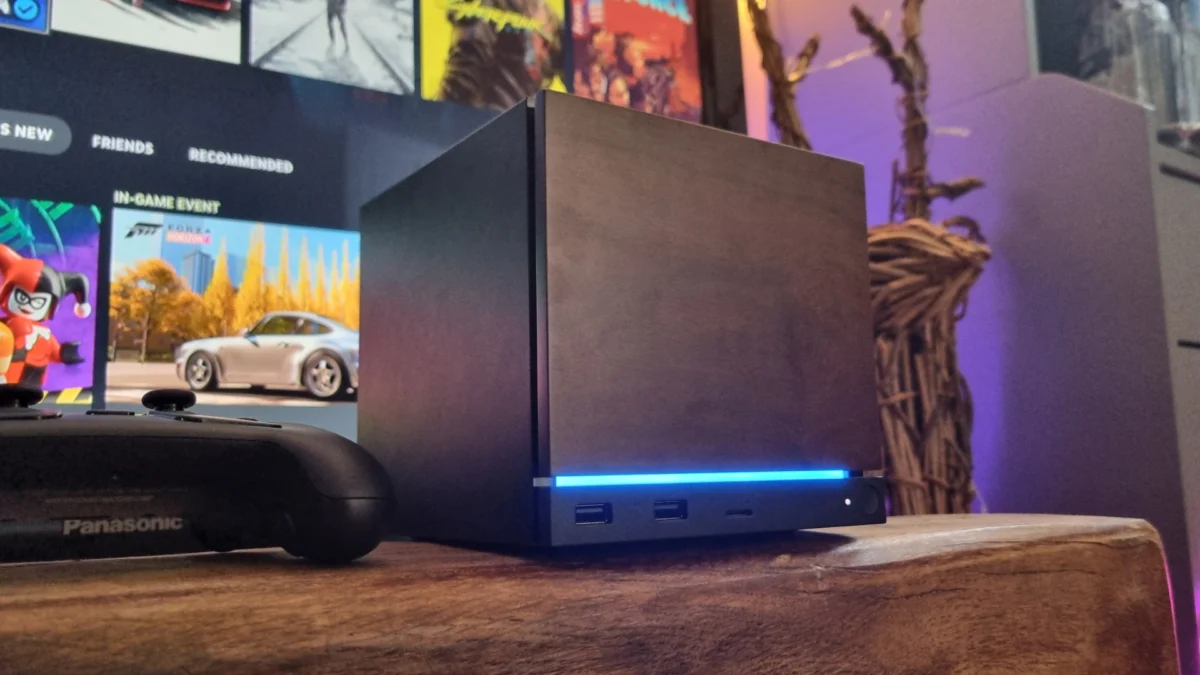
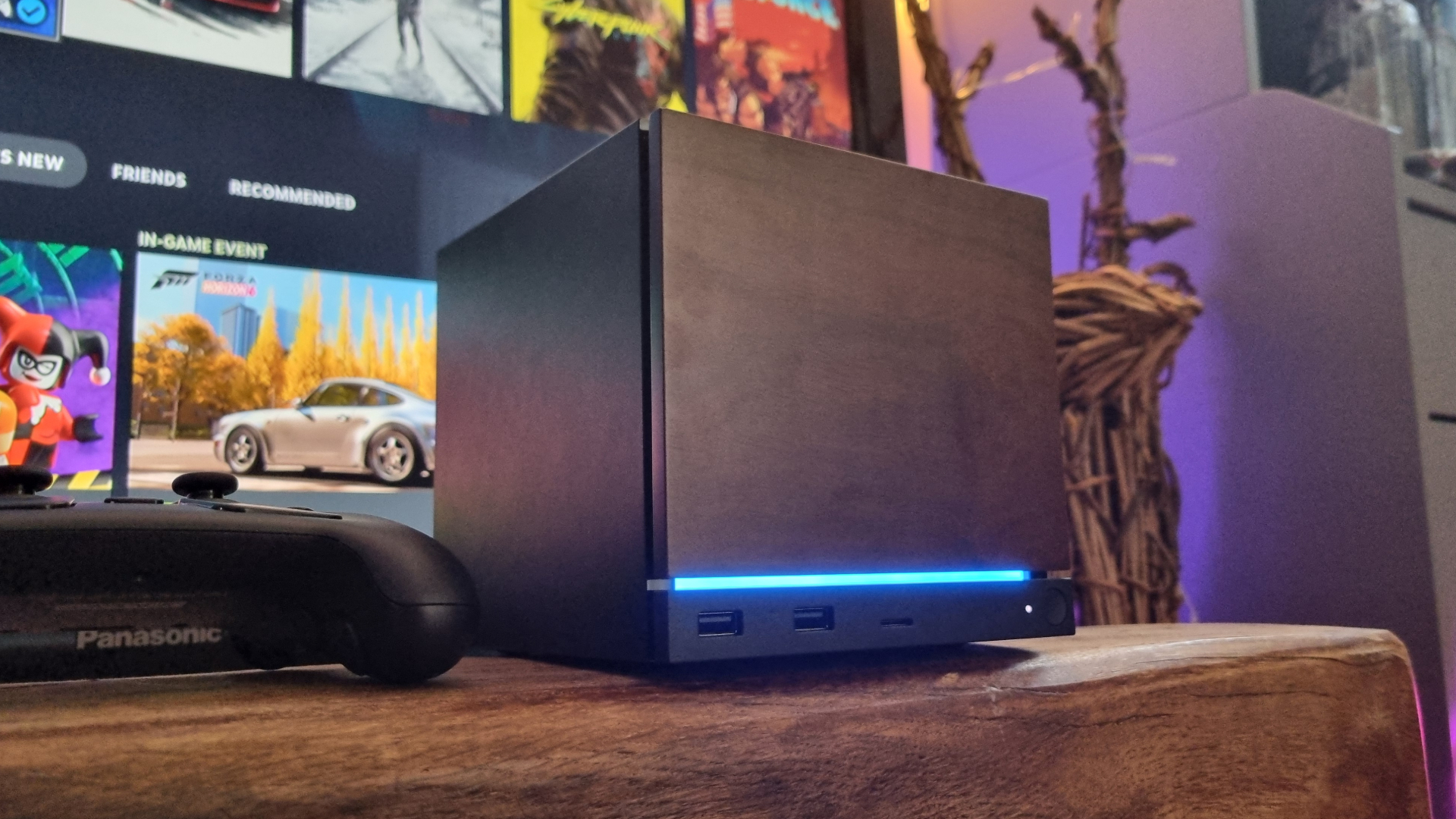
The timing of the RDNA 3 FSR 4.1 release also appears to be linked to developments with the Steam Machine. It has been revealed that Valve is collaborating with AMD to integrate these advanced FSR algorithms into its Steam Machine hardware. While a definitive release date for this integration has not been provided, the partnership suggests a broader push to bring high-fidelity gaming experiences to a wider range of devices. The "coming soon" timeframe for the Steam Machine integration indicates that AMD is not only focusing on high-end desktop GPUs but also exploring opportunities to enhance gaming on more compact and versatile platforms.
Conclusion: A Promising Future for AMD Gamers
The arrival of FSR 4.1 for the Radeon RX 7000 series marks a significant milestone in AMD’s ongoing efforts to enhance the gaming experience. With its improved AI-powered upscaling and frame generation capabilities, this technology promises to deliver sharper visuals and smoother gameplay, bringing AMD’s offerings closer to the forefront of graphical innovation. As AMD continues to expand support for FSR 4.1 across its product lines and forge partnerships with other industry players, the future of PC gaming appears brighter and more visually stunning than ever. Gamers with compatible hardware can now look forward to experiencing their favorite titles with a newfound level of performance and visual fidelity.