
Cooper’s Hill Cheese-Rolling: A Tradition of Utter Madness and Unlikely Champions
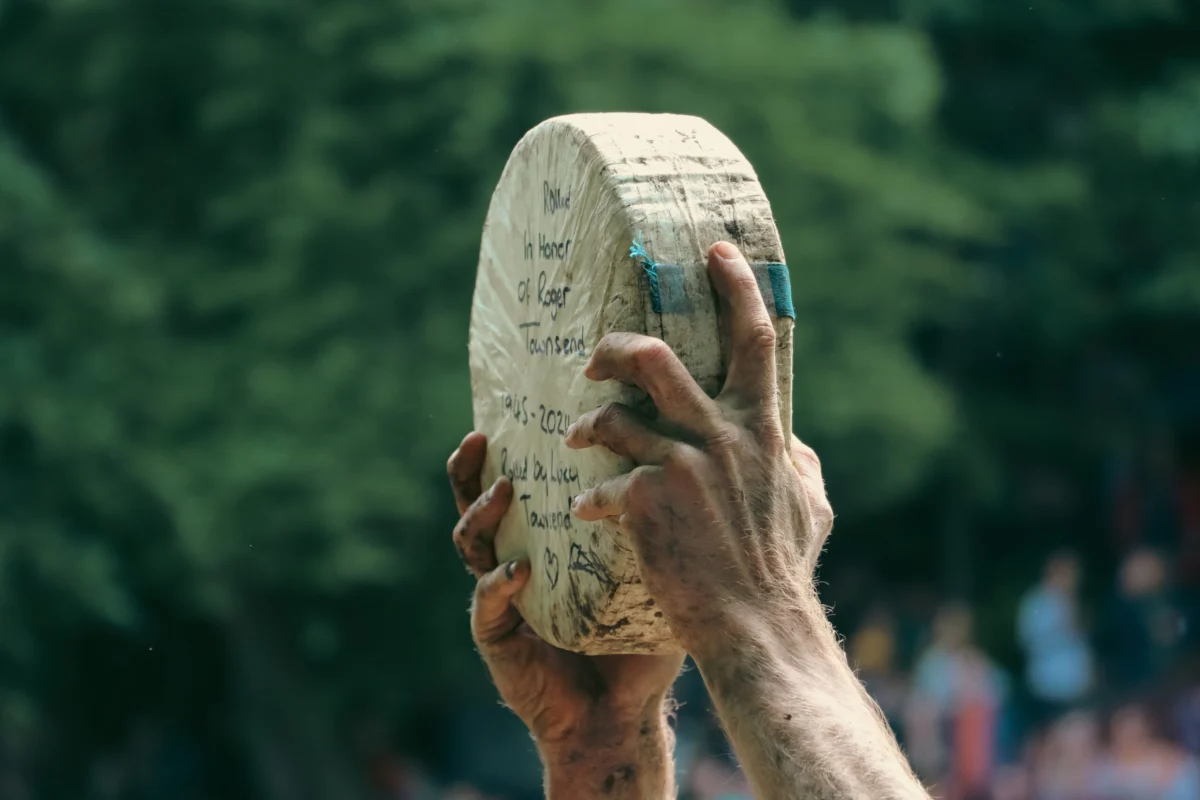
Gloucestershire, UK – The rolling hills of Cooper’s Hill in Gloucestershire have once again played host to one of the world’s most exhilarating and eccentric sporting events: the annual cheese-rolling races. This peculiar tradition, steeped in centuries of history, draws participants and spectators from across the globe, all eager to witness or partake in the chaotic spectacle of chasing a Double Gloucester cheese down an impossibly steep incline. This year, the event not only delivered its customary dose of adrenaline and spectacular tumbles but also crowned an unlikely champion for the third consecutive year, solidifying his place in the annals of this unique contest.
The Main Event: A Champion Reasserts His Dominance
The undisputed star of this year’s cheese-rolling races was German influencer and YouTuber, Tom Kopke. In a display of remarkable tenacity and perhaps a touch of madness, Kopke navigated the treacherous slopes to emerge victorious in his chosen race, marking his third consecutive win. This remarkable achievement places him in a rare echelon of athletes within this unconventional sport, a testament to his skill, daring, and sheer determination.
Following his triumphant descent, Kopke, interviewed amidst the cheering crowds and the lingering scent of victory (and grass), delivered a quote that has already become legendary. "I’ll tell you one thing," he declared, his voice resonating with a mix of exhaustion and exhilaration, "If that hill is hell, I’m the devil." This bold assertion perfectly encapsulates the spirit of the Cooper’s Hill cheese-rolling: a test of pure nerve and resilience against overwhelming odds, where mere participation is an act of bravery.
A Rich Tapestry of Victories and Emerging Talents
While Kopke’s victory was the headline, the day was punctuated by several other noteworthy achievements. The event showcased the diverse nature of its participants, from seasoned veterans to enthusiastic newcomers, and even included a nod to its heritage with the son of a Guinness World Record holder clinching a race. This generational link underscores the enduring appeal and the legacy of the cheese-rolling tradition.
Furthermore, the event expanded its inclusivity by introducing a children’s uphill race, a safer yet equally spirited precursor to the main downhill events. The inaugural children’s race was won by an impressive 11-year-old girl, demonstrating that the future of this quirky tradition is in capable and enthusiastic hands. Her victory, though in a gentler format, highlights the core values of participation, courage, and the sheer joy of the event.
The History and Mystique of Cooper’s Hill Cheese-Rolling
The origins of the Cooper’s Hill cheese-rolling races are shrouded in folklore and historical debate. While the exact beginnings remain elusive, it is widely believed that the tradition dates back to pagan rituals, possibly related to celebrating the return of spring and ensuring a good harvest. The practice of rolling cheese down the hill is thought to have evolved from these ancient customs.
The hill itself, a natural amphitheater of steep gradients and uneven terrain, is the true antagonist. Its near-vertical slope, averaging a gradient of 1 in 2, presents a formidable challenge. The combination of loose earth, uneven surfaces, and the sheer velocity generated by the rolling cheese transforms the descent into a dangerous ballet of slipping, sliding, and tumbling. Participants often sustain injuries ranging from sprains and bruises to more serious fractures, a stark reminder of the risks involved.
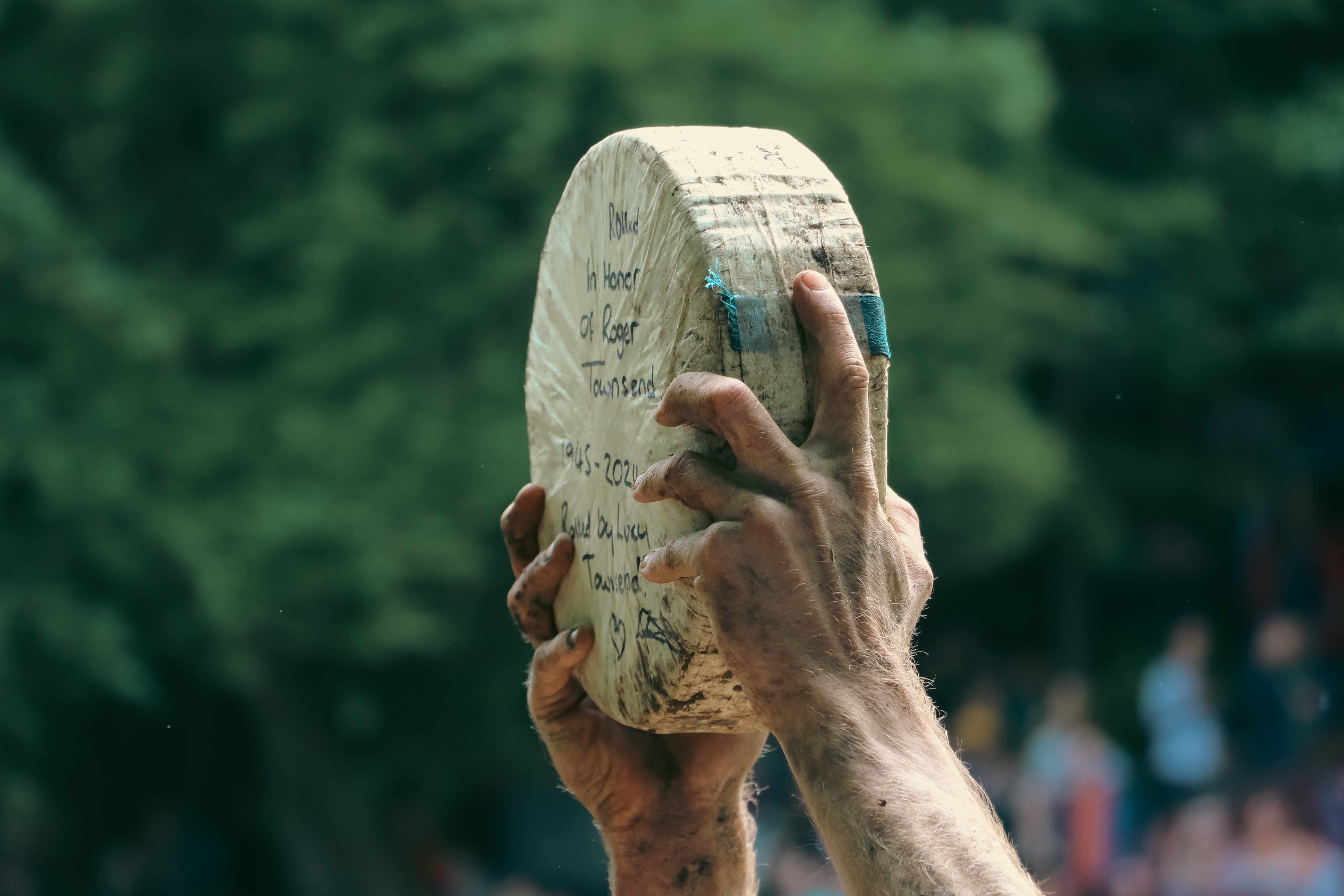
The cheese itself is a significant element. Traditionally, a large wheel of Double Gloucester cheese, weighing approximately 7-9 pounds (3-4 kg), is used. The cheese is released from the summit, and the first person to cross the finish line at the base of the hill, having kept their feet (or at least made it to the bottom), is declared the winner and claims the cheese as their prize. The speed at which the cheese can travel, sometimes exceeding 70 miles per hour, adds another layer of peril and excitement.
The Allure for International Competitors
What draws individuals from across the globe to such a hazardous event? For many, it’s the allure of participating in a truly unique and time-honored tradition. It’s a chance to step away from the ordinary and engage in an experience that is both physically demanding and deeply rooted in local culture. For individuals like Tom Kopke, it also presents an opportunity to create compelling content for their online platforms, reaching a vast audience with the sheer spectacle of the races.
The media attention generated by the event, particularly in recent years with the rise of social media and online content creators, has amplified its reach. Videos of the chaotic descents, the spectacular falls, and the jubilant (and often bruised) winners go viral, further fueling interest and encouraging new participants to test their mettle. The "gladiator" aspect of the competition, where individuals willingly confront a perilous challenge for glory and a wheel of cheese, resonates with a primal sense of adventure.
The Modern Evolution: From Local Folklore to Global Phenomenon
While the core of the cheese-rolling remains unchanged, the event has seen adaptations over the years. In 2010, the official races were cancelled due to concerns over safety and the increasing number of injuries. However, the tradition proved too potent to be extinguished, and unofficial gatherings continued, with locals and enthusiasts organizing their own races. The sheer will of the participants and the enduring spirit of the tradition eventually led to its unofficial revival, with the races now largely self-organized and managed by the community.
This unofficial status, paradoxically, seems to have enhanced its raw appeal. It retains an authentic, grassroots feel, free from the corporate sponsorships and sanitization that can sometimes accompany more mainstream sporting events. The focus remains squarely on the thrill, the danger, and the camaraderie that binds together those who dare to chase the cheese.
The Psychology of the Chase: Courage, Calculation, and Controlled Chaos
Understanding the mindset of a cheese-roller is crucial to appreciating the event. It’s a potent cocktail of courage, a calculated assessment of risk, and a surrender to the inevitable chaos. Participants aren’t simply running; they are actively trying to maintain balance, anticipate the unpredictable trajectory of the cheese, and avoid colliding with others.
The steepness of the hill means that running in a conventional sense is impossible. Instead, competitors often adopt a bounding or tumbling style, using their bodies to absorb impacts and try to maintain forward momentum. The ability to recover from a fall quickly, to regain footing and continue the pursuit, is often more critical than pure speed.
Tom Kopke’s repeated success suggests a mastery of this unique skill set. His declaration of being "the devil" on this "hellish" hill hints at a deep understanding of the course and an almost instinctive ability to navigate its treacherous contours. It speaks to a mental fortitude that allows him to push past the fear and focus on the objective.
Supporting Data and the Human Element
While precise statistical data on the injuries sustained at each event is not formally collected due to its unofficial nature, anecdotal evidence and local reports consistently highlight the prevalence of minor injuries such as sprains, dislocations, and grazes. Serious injuries, while less common, do occur, underscoring the inherent dangers.
The crowds that gather are a testament to the event’s enduring popularity. Thousands of spectators line the slopes and the surrounding fields, their cheers and gasps adding to the electric atmosphere. This communal experience, the shared anticipation and the collective relief when participants make it to the bottom (one way or another), is a vital component of the tradition’s appeal.
The image of the rolling cheese itself is iconic. It’s a simple object, yet it serves as the catalyst for this extraordinary display of human endeavor. The pursuit of this dairy prize transcends mere competition; it becomes a symbol of a community’s dedication to its unique heritage and a testament to the human spirit’s willingness to embrace the extraordinary.
Official Responses and Community Involvement
While the official organization of the races has been suspended, local authorities and emergency services remain aware of the event and often have a presence to ensure public safety and provide medical assistance. The Gloucestershire Police and the local ambulance service are typically on standby, ready to respond to any incidents.
The local community plays a crucial role in the continuation of the tradition. Residents of Brockworth, the village at the base of Cooper’s Hill, have a deep connection to the races and often act as informal stewards, guiding spectators and assisting participants. The spirit of the community is what keeps this tradition alive, ensuring that it continues to be passed down through generations.
The BBC’s coverage, as referenced in the original report, highlights the event’s continued relevance in modern media. This journalistic attention not only informs the public but also helps to preserve the narrative and memory of these unique annual gatherings.
Implications: Tradition, Risk, and the Human Drive for the Extraordinary
The Cooper’s Hill cheese-rolling races serve as a fascinating case study in the power of tradition and the enduring human desire for experiences that push the boundaries of the ordinary. In an increasingly regulated and safety-conscious world, the continued existence of such a high-risk, yet deeply cherished event, speaks volumes.
Cultural Significance: The races are a powerful symbol of local identity and heritage for Gloucestershire. They provide a unique cultural touchstone that connects generations and fosters a sense of community pride. The event’s survival, despite safety concerns, demonstrates the deep-seated importance of preserving such traditions, even when they appear illogical or dangerous to outsiders.
The Appeal of the Extreme: The popularity of extreme sports and adrenaline-fueled activities is a global phenomenon. The cheese-rolling taps into this by offering a raw, unadulterated form of thrill. It’s not about sponsorship deals or elaborate branding; it’s about the primal act of pursuit and the inherent risk involved.
The Role of Online Media: The involvement of figures like Tom Kopke highlights the symbiotic relationship between traditional events and modern digital platforms. Online influencers can amplify the reach of such events, introducing them to new audiences and potentially revitalizing interest. However, this also raises questions about the potential for the event to be sensationalized or misrepresented for online consumption.
Balancing Tradition and Safety: The ongoing debate surrounding the safety of the cheese-rolling races is a microcosm of a larger societal tension. How do we balance the preservation of unique cultural traditions with the imperative to ensure the safety of participants? The unofficial nature of the event allows it to persist, but it also means that safety measures are largely self-imposed and can vary significantly from year to year.
In conclusion, the Cooper’s Hill cheese-rolling races remain a captivating and slightly terrifying spectacle. This year’s event, with Tom Kopke’s triumphant return and the emergence of new talents, reaffirms its status as a beloved, albeit peculiar, fixture on the British calendar. It’s a testament to the enduring power of tradition, the human drive for adventure, and the undeniable allure of chasing a wheel of cheese down a devilishly steep hill. The echoes of cheers, the thud of tumbles, and the glint of a victorious cheese will undoubtedly return to Cooper’s Hill next May, continuing a legacy of glorious, and slightly mad, tradition.



Leave a Comment