The Levitatory Art of Mia Wolff: From Trapeze to the Graphic Monograph
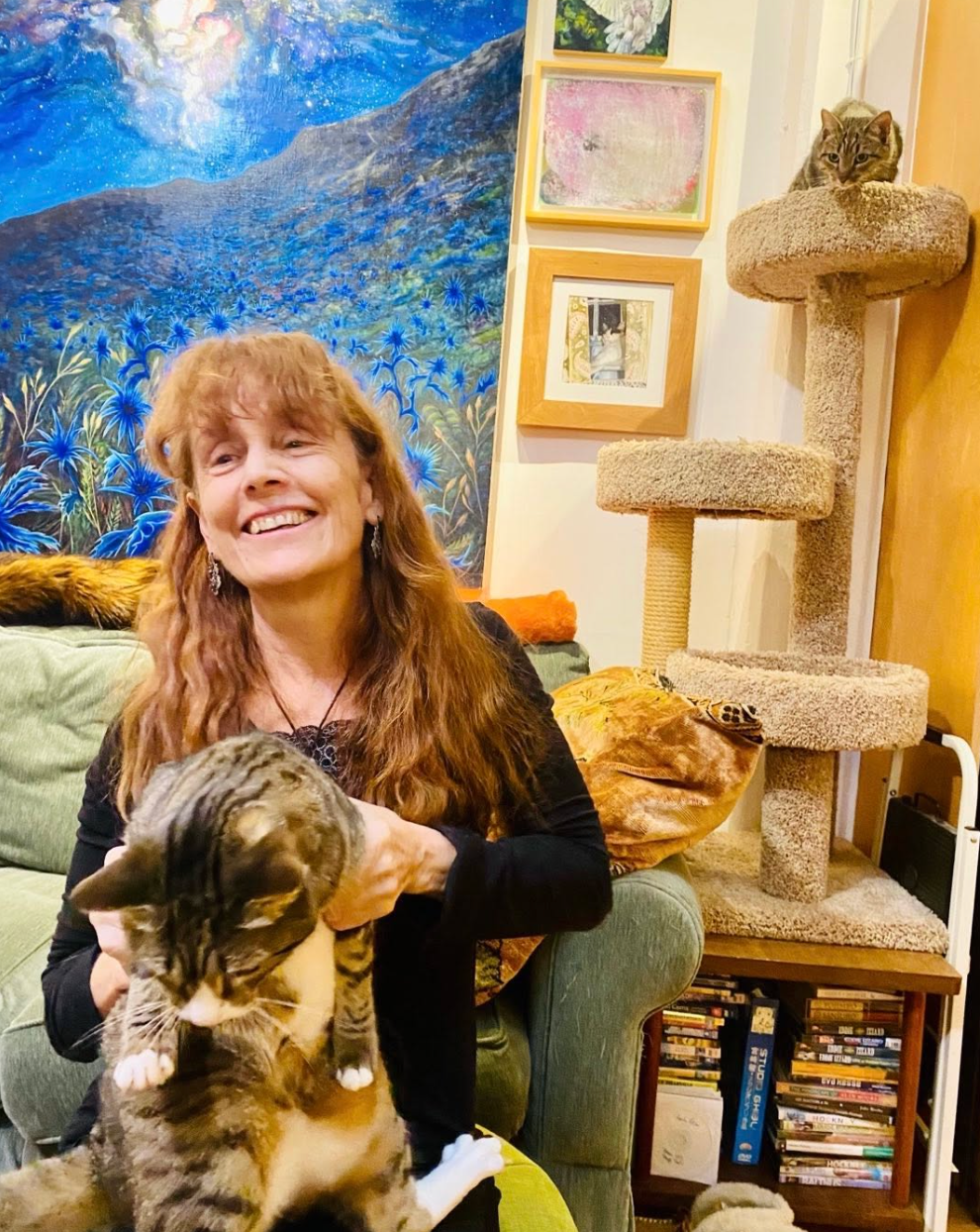
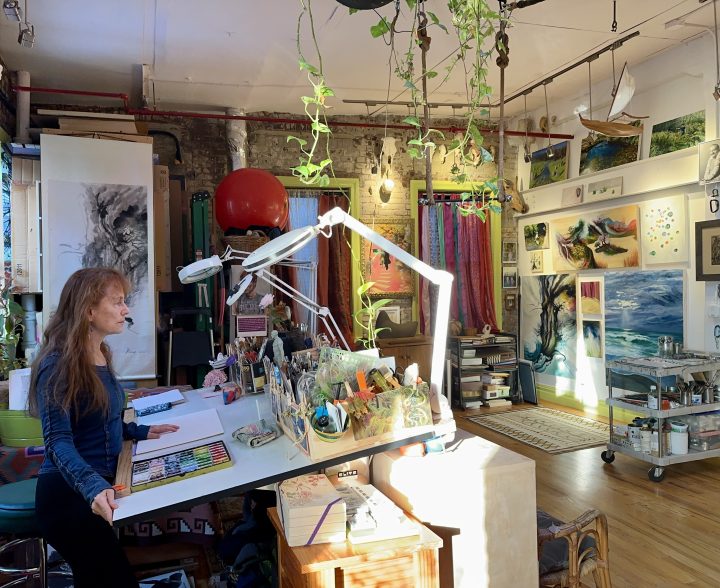
In a sun-drenched studio in Brooklyn, surrounded by flourishing plants and the watchful eyes of two cats named Ghost and Jade, Mia Wolff continues a creative journey that has spanned half a century and multiple disciplines. A painter, a former professional circus performer, and a pioneer of the graphic memoir, Wolff remains one of the most singular voices in American independent publishing. With the recent release of her "narrative monograph" The Empty Lot (Fantagraphics Underground, 2024) and the 2025 reprinting of her landmark collaboration with Samuel R. Delany, Bread & Wine, Wolff’s career is undergoing a significant and well-deserved renaissance.
Main Facts: The Intersection of Fine Art and Sequential Narrative
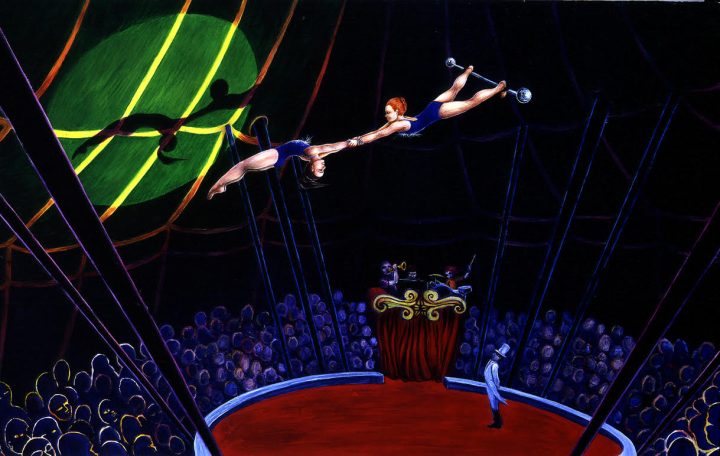
Mia Wolff’s work is characterized by what she calls a "levitatory" quality—an attempt to capture pure beauty and movement that defies the gravity of both the physical world and the often-darker tropes of contemporary art. Her career is not easily categorized; she is as comfortable in the high-stakes world of New York oil painting as she is in the gritty, DIY culture of 1990s zine-making.
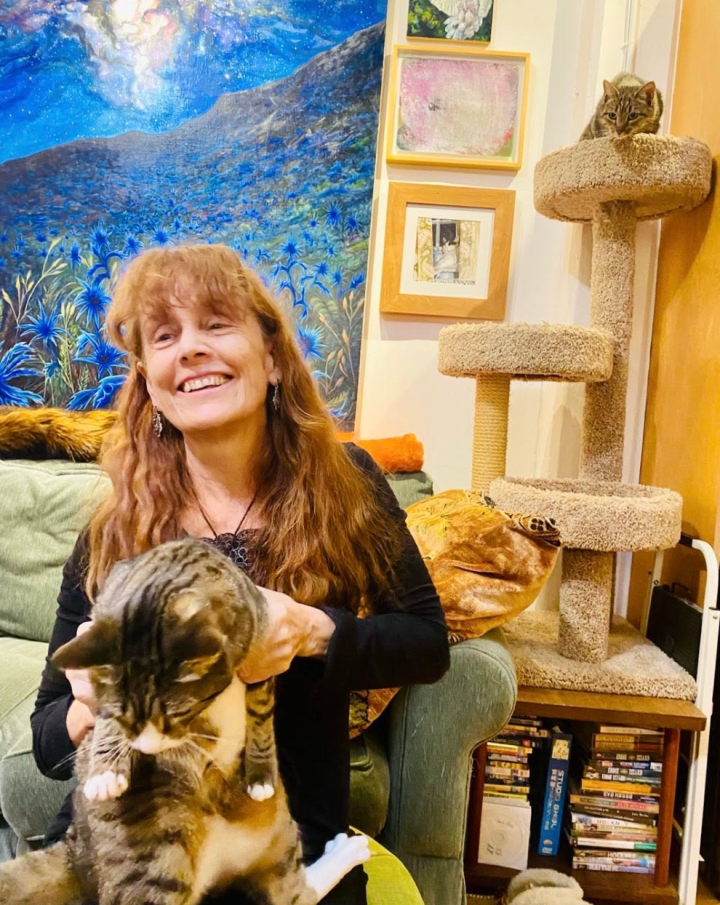
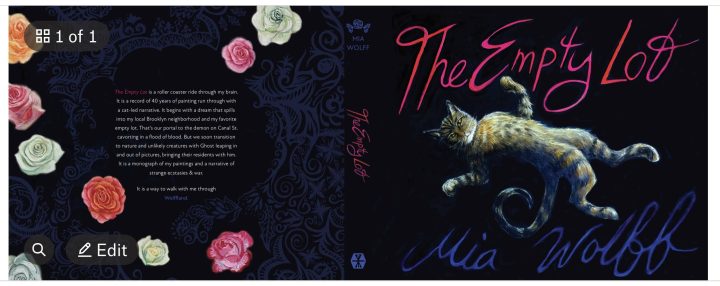
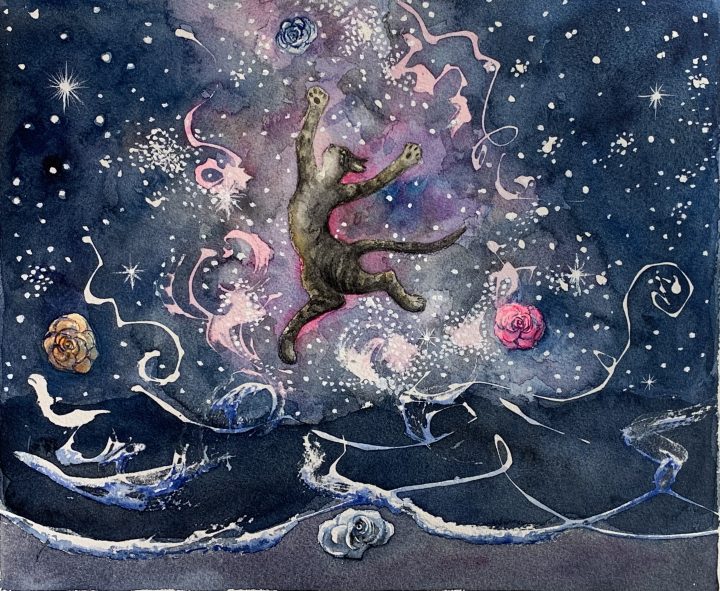
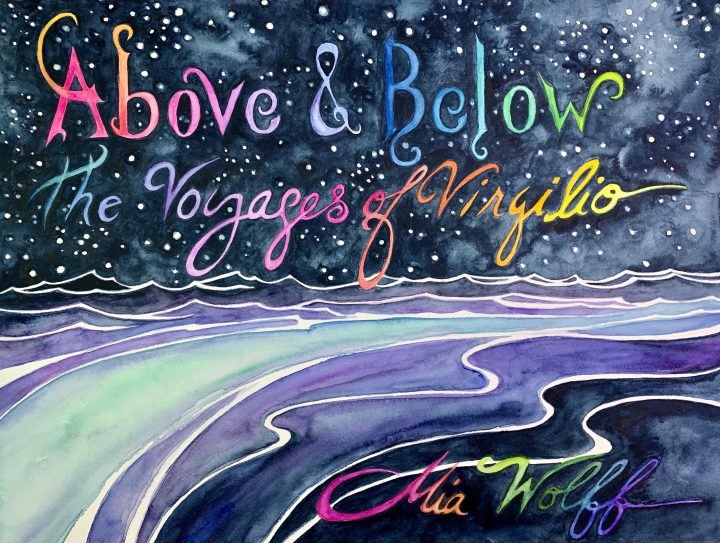
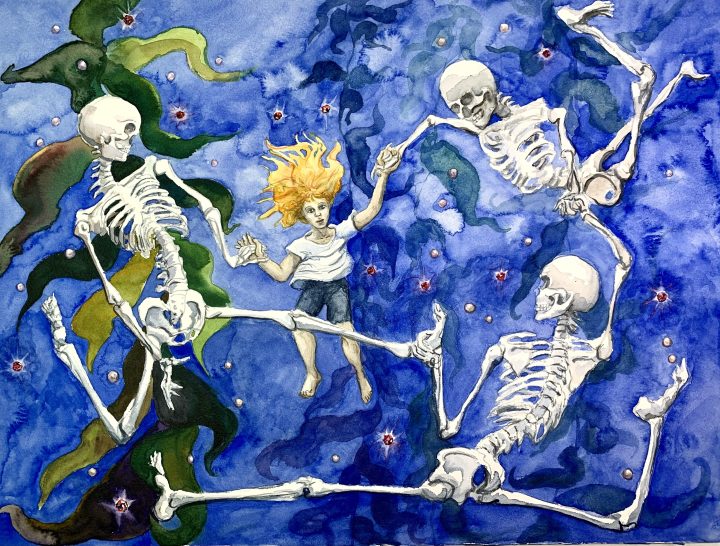
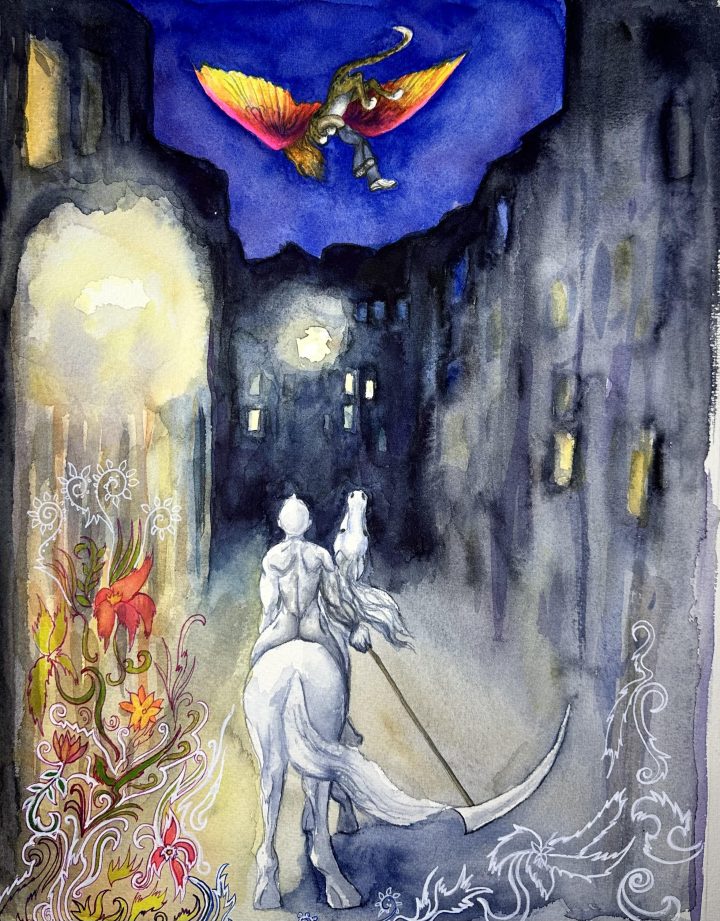
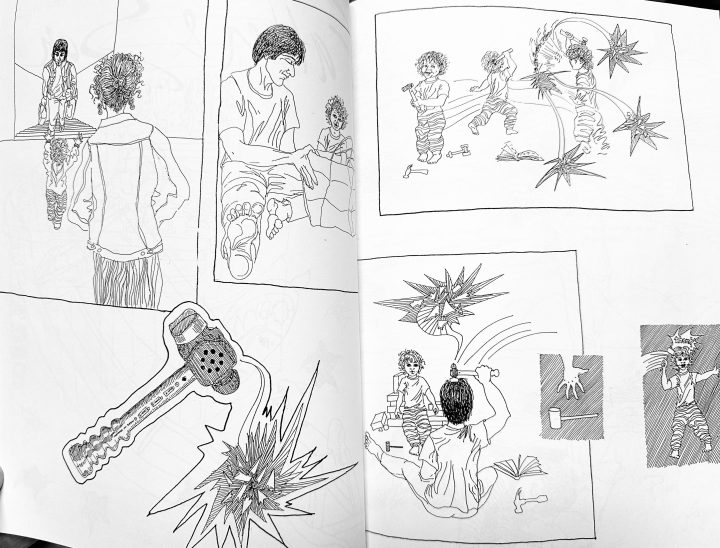
The central pillar of her current output is The Empty Lot, a book she describes as an "operatic roller coaster in paint and ink." Rather than a traditional retrospective, the book uses her cat, Ghost, as an avatar who travels through forty years of her paintings, bringing characters out of the canvas and into a sprawling, surreal narrative. This release follows a period of intense productivity triggered by the COVID-19 pandemic, which saw Wolff return to the book format with Above and Below: The Voyages of Virgilio.
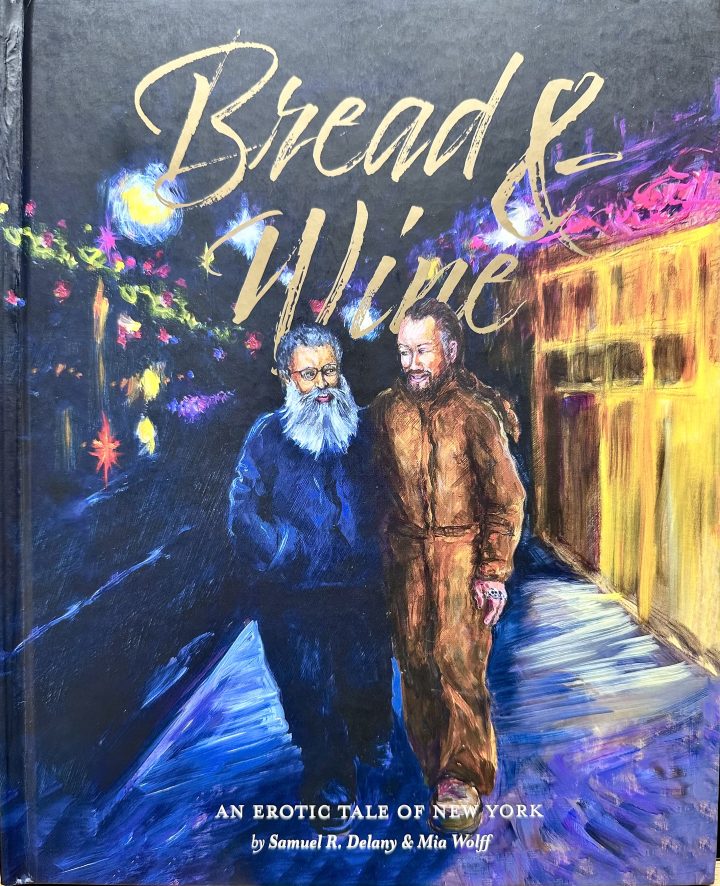
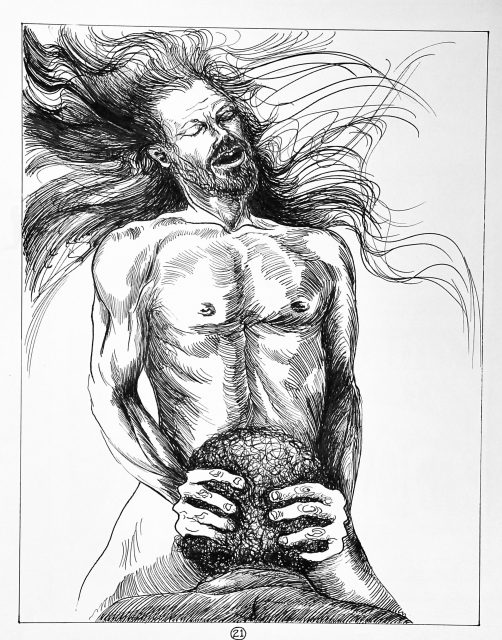
Furthermore, Wolff’s historical importance to the LGBTQ+ literary canon is being reaffirmed through the 2025 reissue of Bread & Wine: An Erotic Tale of New York City. Originally published in 1999, this collaboration with science fiction Grandmaster Samuel R. Delany and his partner Dennis remains a foundational text in the graphic memoir genre, praised by luminaries ranging from Alan Moore to bell hooks.
Chronology: A Life of Physical and Creative Daring
Wolff’s trajectory is defined by a series of radical shifts, each informing the next. Her development can be viewed through four distinct eras:
1. The Circus Years and Physicality (1970s–1980s)
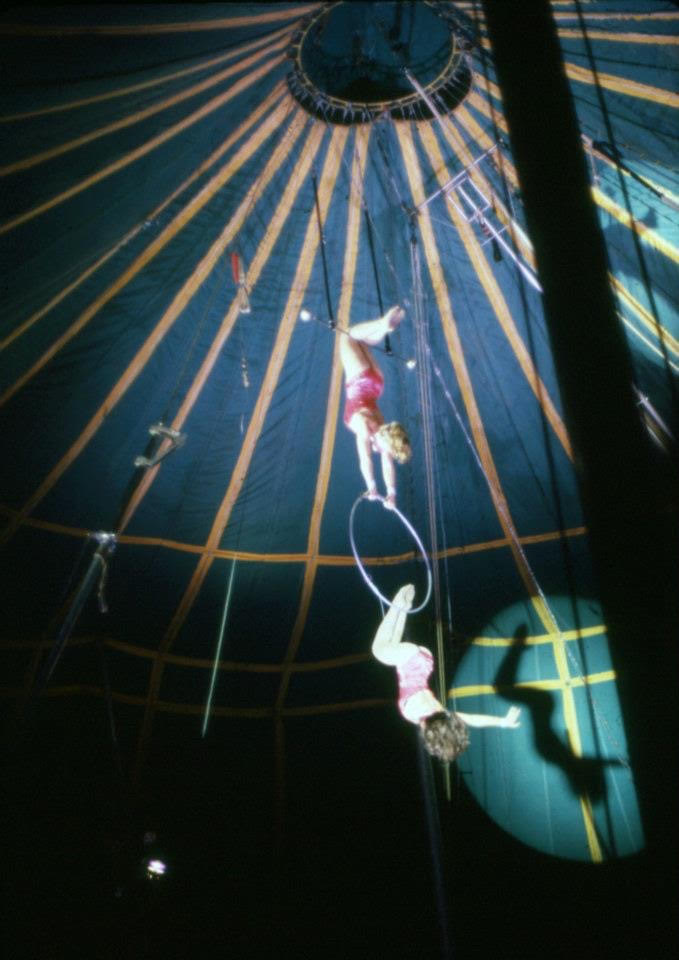
Wolff’s artistic education began at the Pratt Institute in Brooklyn, but her career took a literal leap when she joined the burgeoning New York circus scene. Training under stars of the Moscow State Circus in a freezing Bronx basement with no heat or running water, Wolff became a founding member of the Big Apple Circus.
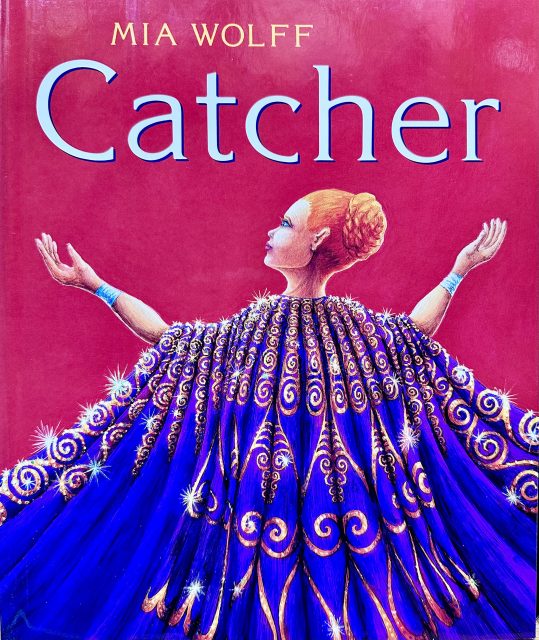
For years, she performed as a "catcher" in a double trapeze act. This period was more than just a job; it was a fundamental shift in her understanding of space, muscle, and adrenaline. "You’re a superhero for a short period of your life," Wolff recalls. This experience would later form the basis of her first book, Catcher (Farrar, Straus and Giroux, 1993), a children’s picture book that captured the intensity of life 25 feet in the air.
2. The New Paltz Era and the Birth of "Eye Feed" (1990s)
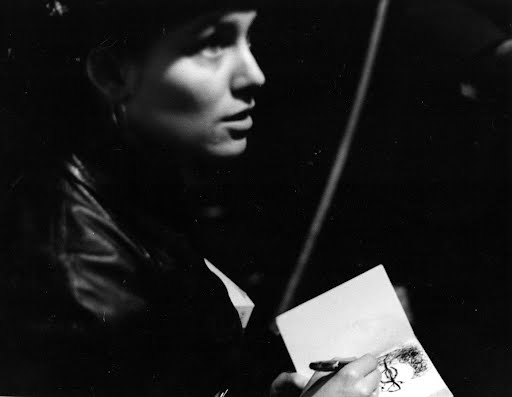
In the 1990s, Wolff moved to New Paltz, New York, to raise her son, Virgil. Isolated from the New York City art world, she turned to zines as a method of communication and survival. Working late at night while her son slept, she created Eye Feed, a series of self-published zines. Using Xerox machines to manipulate sketchbook drawings, Wolff pioneered a diary-like approach to comics, documenting everything from her garden to the mundane objects on her table.
3. The Delany Collaboration (1999–2001)
The most significant turning point in Wolff’s literary career occurred through her friendship with Samuel "Chip" Delany. Having met Delany at a bookstore signing for his novel Dhalgren, Wolff and her late friend Robert Morales became part of Delany’s inner circle. This friendship culminated in Bread & Wine, a raw, honest depiction of the relationship between Delany and Dennis, a man he met while Dennis was living on the streets. Wolff’s decision to photograph the pair disrobing to ensure anatomical accuracy resulted in a work of startling intimacy and realism.
4. The Post-Pandemic Resurgence (2020–Present)
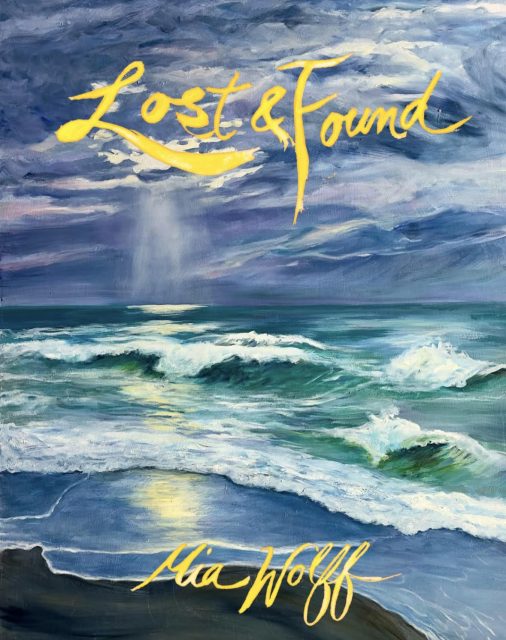
After a long hiatus from bookmaking during which she focused primarily on oil painting, the 2020 lockdowns acted as a "dam-breaking" event. Wolff completed Above and Below, which led directly to the 100-painting marathon of The Empty Lot. This era is marked by extreme efficiency; despite physical challenges that come with age, Wolff describes her current process as faster and more refined than ever.
Supporting Data: The "Art Elves" and the Creative Mechanism
Wolff’s prolific output is driven by a psychological phenomenon she refers to as the "art elves." She describes this as a persistent pressure in the back of the brain—an "art migraine" that isn’t painful but is "pushy."
"There’s a consistent flow between interior imaging and actualization," Wolff explains. This process varies depending on the project:
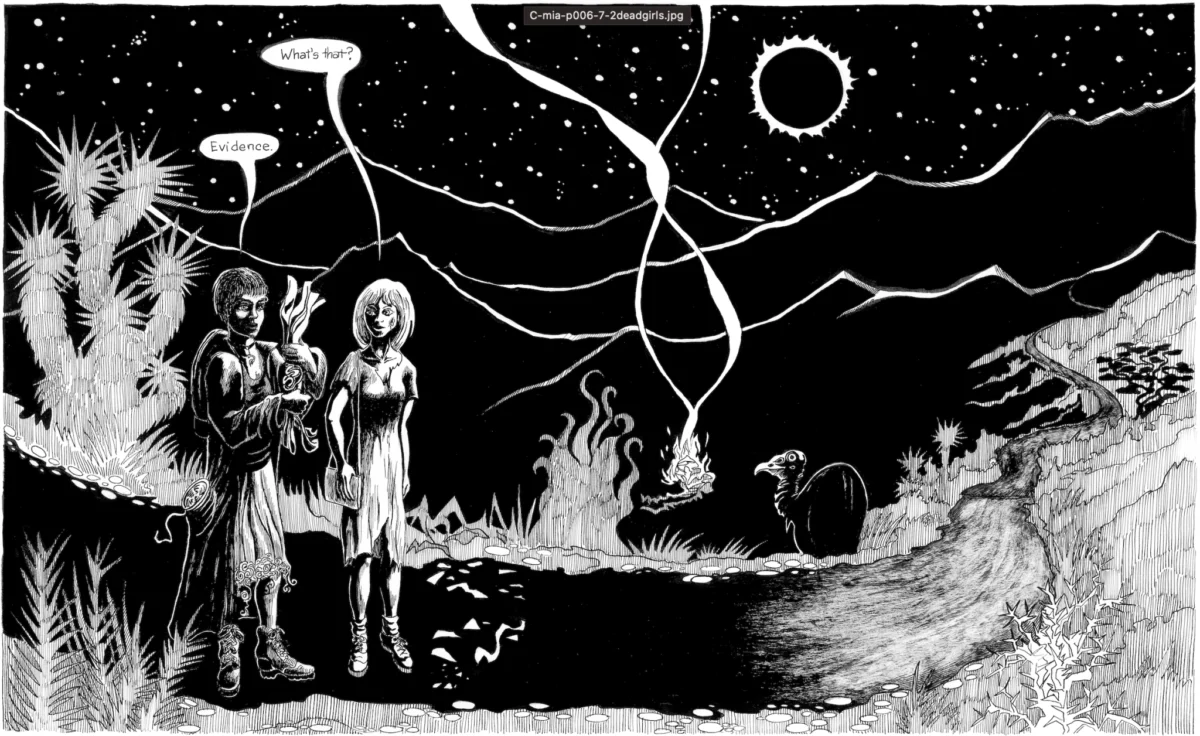
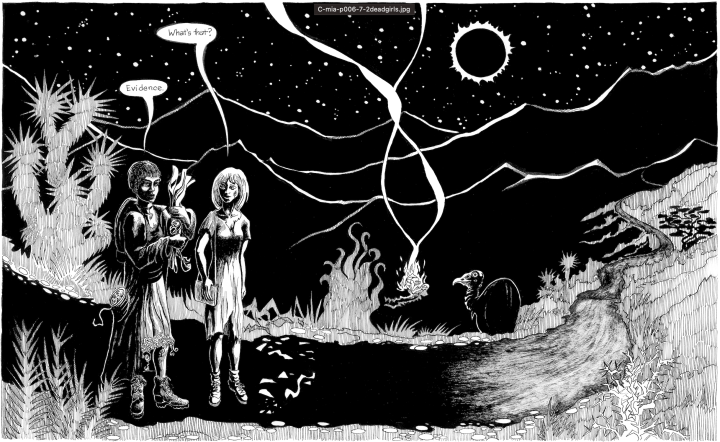
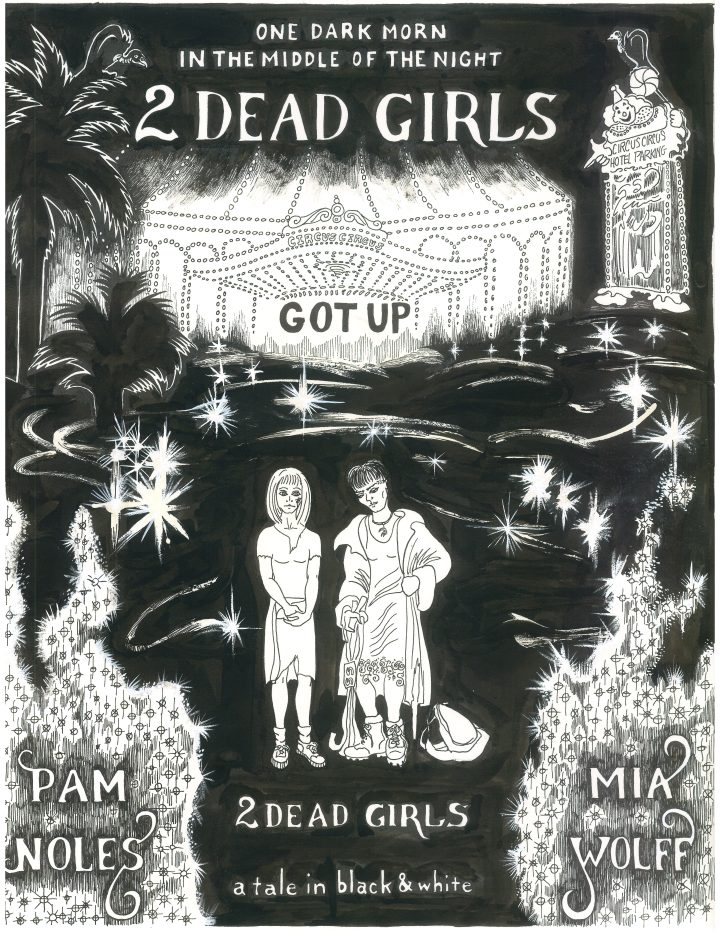
- Collaborative Work: For books like Bread & Wine or 2 Dead Girls (with Pam Noles), Wolff utilizes a structured approach, involving preparatory drawings, mapped-out layouts, and rigorous inking stages to ensure the writer’s vision is met.
- Solo Work: Her solo projects are organic and improvisational. She may start with a "scribble," but the finished object often evolves into something entirely different as the "art elves" dictate new directions.
Wolff’s shift from the "dark, war-themed" paintings of her youth to her current focus on beauty is a conscious aesthetic choice. She argues that creating work that is "levitatory"—uplifting without being sentimental—is a greater technical and emotional challenge than exploring the macabre.
Critical Reception and Official Responses
Mia Wolff’s work has garnered high-level praise from both the literary and academic worlds, particularly for its handling of sensitive subject matter.
- bell hooks: The late cultural critic and feminist scholar highlighted Bread & Wine during a lecture at The New School, praising Wolff’s ability to depict the male anatomy with tenderness rather than dominance. Hooks noted that Wolff’s work was essential in figuring out how to create sexual images that are "loving and not about domination."
- Alan Moore: In his introduction to Bread & Wine, the legendary Watchmen author described Wolff as "an artist of startling versatility," noting that her pictorial style was the "perfect match" for Delany’s prose.
- Junot Díaz: The Pulitzer Prize-winning author contributed an introduction to the 2025 Fantagraphics reprint, further cementing the book’s status as a landmark of LGBTQ+ literature.
- Documentary Recognition: Wolff’s life and her struggle with displacement in New York City were the subject of the 2016 documentary short Wolffland, directed by Academy Award-winner Laura Checkoway.
Implications: The Future of the "Flip-Book" Narrative
As Wolff moves forward, she is challenging the traditional formats of publishing. Her upcoming projects, Still Beating and Blue, are intended to be published as a single "flip-book"—a nod to the old pulp novels that contained two stories back-to-back, one upside down.
- Still Beating is a semi-autobiographical tale that begins with a health scare on a Brooklyn ferry and evolves into a conversation with her own heart, which takes her on a journey through positive memories.
- Blue is a wordless, "spirit-longing" novella about a woman haunted by a blue entity, exploring themes that are "undescribed" and open-ended.
The pairing of these two works—one a comedic memoir and the other a silent, dreamy fable—represents Wolff’s career-long effort to bridge the gap between the literal and the surreal.
The Business of Being Mia Wolff
Despite her critical success, Wolff remains candid about the difficulties of the "business" side of art. She notes that the burden of marketing often falls on the creator, a struggle she has faced since her first editor left Farrar, Straus and Giroux just before Catcher was released in 1993.
"I’m relentless about making the art," Wolff says, "but I’m not relentless about the marketing." Her career serves as a testament to the power of the "underground" network—friendships with writers like Robert Morales and publishers like Gary Groth at Fantagraphics have been essential in ensuring her "crazy shit" finds an audience.
Conclusion
Mia Wolff’s work stands as a bridge between the physical rigor of the circus and the intellectual depth of the graphic novel. As she continues to follow her "art elves" into new territory, her legacy as a master of the "levitatory" style is secure. Whether through the erotic tenderness of Bread & Wine or the kaleidoscopic journey of The Empty Lot, Wolff reminds her audience that art is not just a career, but a vital, pushy, and ultimately buoyant way of inhabiting the world.