The "Worst Film Ever Made": Paul Newman’s Lifelong Crusade Against His Own Debut
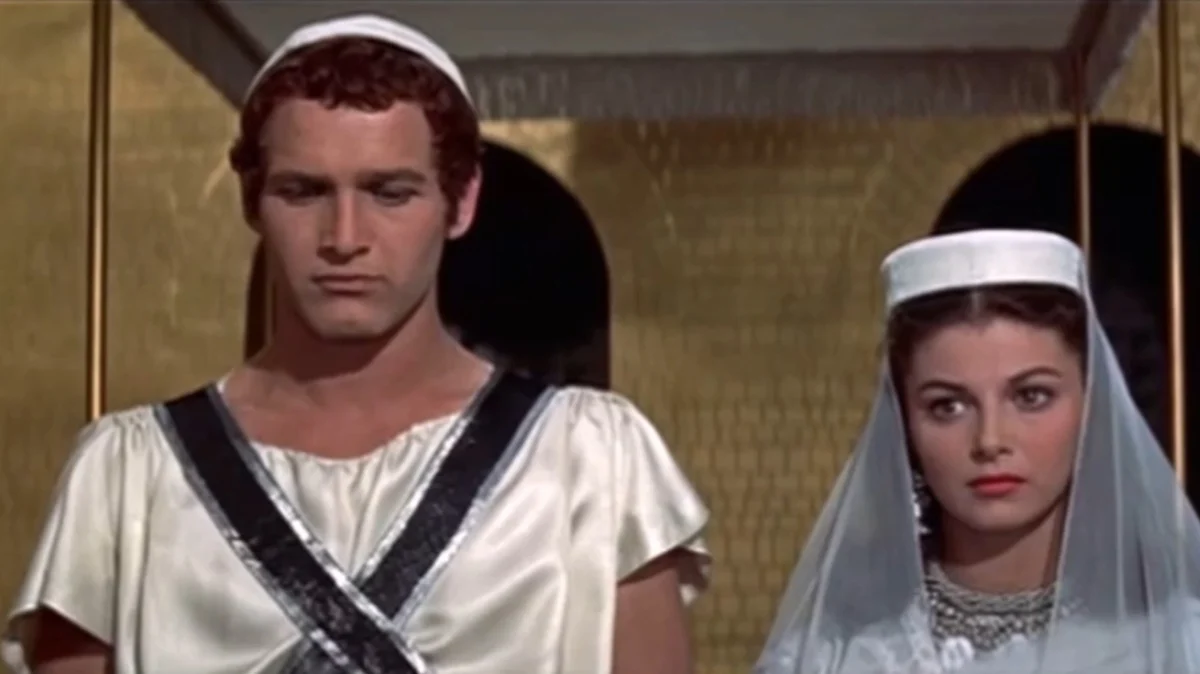
Before he became the blue-eyed icon of cool, the face of "Method" acting, and one of the most respected philanthropists in American history, Paul Newman was a young actor just trying to survive a toga. In 1954, Newman made his feature film debut in The Silver Chalice, a Biblical epic that was intended to launch him into superstardom. Instead, the film became a source of such profound professional embarrassment that Newman spent the next several decades publicly apologizing for its existence.
While most actors attempt to bury their early failures in the depths of their IMDB pages, Newman took a different approach: he campaigned against it. From taking out full-page newspaper ads to warn audiences away from television broadcasts of the film, to hosting "razzing" parties where he invited friends to mock his performance, Newman’s relationship with The Silver Chalice remains one of the most peculiar and humble chapters in Hollywood history.
Main Facts: A Disastrous Debut in the Golden Age of Epics
In the mid-1950s, Hollywood was obsessed with the "Sword and Sandal" epic. Following the massive success of films like Quo Vadis (1951) and The Robe (1953), Warner Bros. sought to capitalize on the trend by adapting Thomas B. Costain’s best-selling historical novel, The Silver Chalice. The story followed Basil, a young Greek craftsman commissioned to cast the cup used by Jesus at the Last Supper in silver, adorning it with the faces of the Apostles.
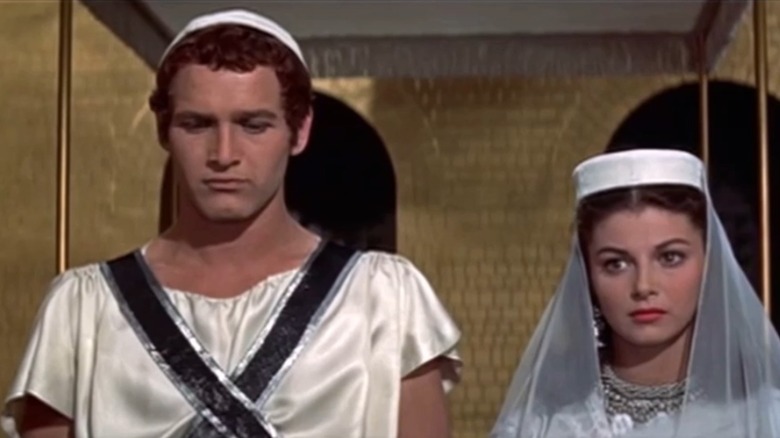
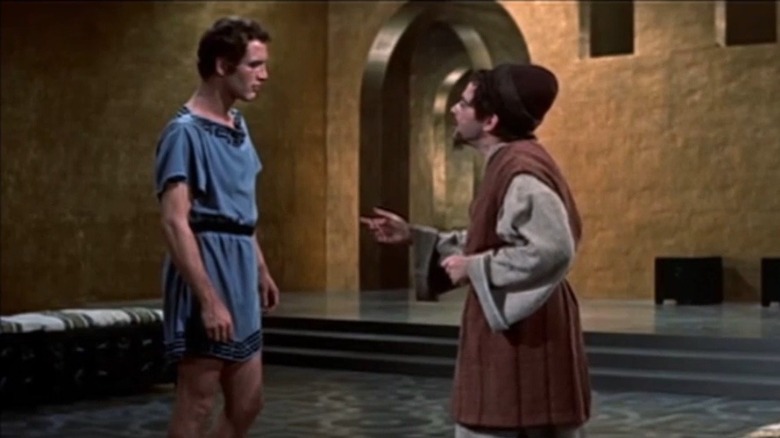
Paul Newman, a rising star from the prestigious Actors Studio in New York, was cast as Basil. On paper, it was the opportunity of a lifetime. In reality, the production was a stylistic muddle. Directed by Victor Saville, the film attempted a daring, expressionistic visual style that eschewed traditional realism for abstract, color-coded sets.
Despite being nominated for two Academy Awards (Best Cinematography and Best Musical Score), the film was a critical and commercial failure. For Newman, the experience was transformative for all the wrong reasons. He found his own performance "stiff" and the dialogue "unbreathable," leading him to famously label it "the worst film ever made in the United States."
Chronology: From "Ice from Space" to the Holy Grail
To understand Newman’s disdain for The Silver Chalice, one must look at the trajectory of his early career.
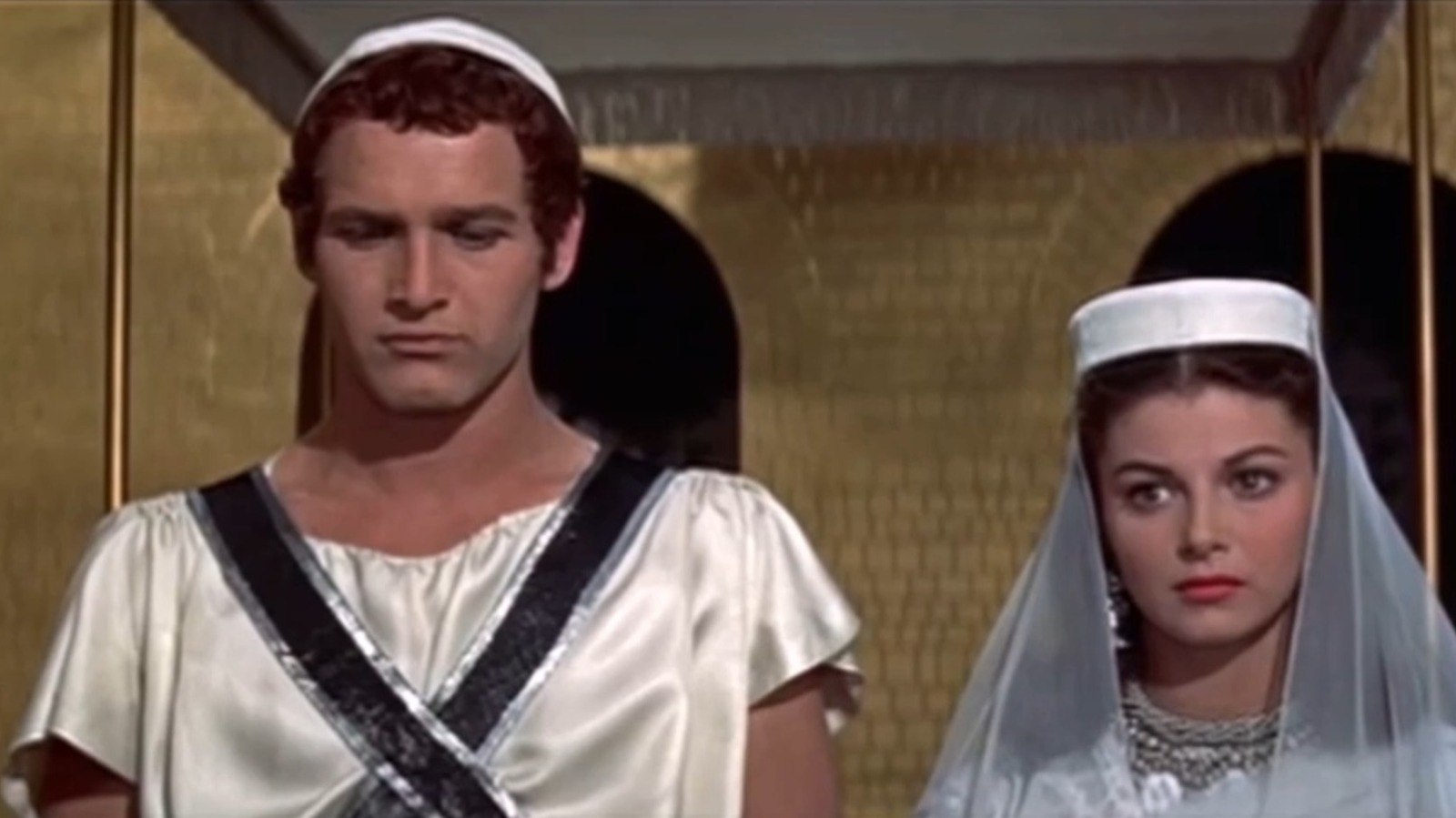
1952: The Television Beginnings
Newman’s first professional screen credit was far removed from the grandeur of Rome. He appeared in an episode of the science-fiction anthology series Tales of Tomorrow titled "Ice from Space." In this low-budget production, Newman played a worried soldier dealing with a mysterious, indestructible frozen cube brought back from an experimental shuttle. It was a minor role, but it showcased the handsome visage that would eventually make him a household name.
1954: The Casting of Basil
Fresh from his success on Broadway in Picnic, Newman was signed to a contract with Warner Bros. The studio was looking for a "new James Dean" or a successor to Marlon Brando. They cast him in The Silver Chalice alongside a heavy-hitting ensemble, including Jack Palance as the villainous Simon the Magician, Lorne Greene as the Apostle Peter, and Pier Angeli as the romantic lead, Deborra.
1955-1963: The Aftermath and Public Disavowal
The film’s release in late 1954 was met with lukewarm reviews and disappointing box office returns. Newman, mortified by the result, fled back to the stage and the Actors Studio to refine his craft. By the time he sat for a landmark interview with journalist Oriana Fallaci in 1963, he had already established himself as a powerhouse in films like Cat on a Hot Tin Roof and The Hustler. Yet, the shadow of The Silver Chalice loomed large. It was during this period that he began his public campaign of self-deprecation, using his failure as a cautionary tale about the dangers of "sudden success."
Supporting Data: The Financial and Artistic Weight of a "Bomb"
The failure of The Silver Chalice was not merely a matter of Newman’s personal taste; the data reflects a production that struggled to find its footing.
The Financial Deficit
Warner Bros. invested heavily in the production, with a budget estimated at approximately $4.5 million—a significant sum in 1954 (equivalent to roughly $52 million today). However, the film only managed to gross $3.2 million at the domestic box office. In an era where the studio system relied on massive returns from historical epics to offset the costs of CinemaScope and Technicolor, The Silver Chalice was an objective financial disappointment.
Artistic Dissonance
The film’s aesthetic was its most controversial element. Production designer Rolf Gerard, known for his work with the New York Metropolitan Opera, created sets that were minimalist and surreal. While some modern critics have revisited the film as a bold experiment in "theatrical" cinema, 1950s audiences found the lack of historical realism jarring. This disconnect contributed to the film’s reputation as a "disaster," as it failed to satisfy the audience’s appetite for the lush, realistic grandeur typical of the genre.
The Academy’s Lone Praise
Interestingly, the industry did not entirely reject the film. Franz Waxman’s score received an Oscar nomination, as did William V. Skall’s cinematography. This creates a fascinating paradox: a film that the lead actor considered "the worst ever" was technically proficient enough to be recognized by his peers in the craft unions.
Official Responses: The Famous "Apology Ads"
Paul Newman’s reaction to the film’s afterlife on television is the stuff of Hollywood legend. In the early 1960s, when The Silver Chalice was scheduled to make its broadcast debut on local Los Angeles television (Channel 9), Newman took unprecedented action.
He reportedly paid for advertisements in several Los Angeles trade papers and newspapers. The ads were simple and direct, essentially apologizing to the public for his performance and pleading with them not to watch the movie.
"Paul Newman apologizes every night this week — Channel 9," the messaging suggested.
The strategy backfired spectacularly. The curiosity sparked by a movie star apologizing for his own work drove the television ratings through the roof. More people watched The Silver Chalice during that broadcast week than had seen it during its initial theatrical run. Newman later remarked with his trademark dry wit that his attempt to suppress the film had only served to make it a cult curiosity.
In his 1963 interview with Oriana Fallaci, Newman explained his philosophy behind the apology:
"If I think that my first film was ‘The Silver Chalice’ — the worst film ever made in America. Can you imagine surviving it? Success didn’t come easily… but that’s better. Sudden success is horrible; it ruins people. You have to keep studying. I keep studying, you know? I keep going to the Actors Studio, and this is what makes my profession honorable."
Implications: How a Failure Defined a Legend
The legacy of The Silver Chalice provides a blueprint for how an artist can utilize failure as a catalyst for growth. Rather than letting a "bomb" define him or discourage him, Newman used it to reinforce his commitment to the "Method."
The Rejection of the "Pretty Boy" Image
Newman’s disdain for the film was partly rooted in his hatred of being treated as a "piece of meat" by the studio system. In The Silver Chalice, he felt he was cast for his looks rather than his talent. This spurred him to seek out gritty, morally ambiguous roles in the years that followed—characters like Fast Eddie Felson in The Hustler or the titular anti-hero in Hud. By distancing himself from the "glamour" of his debut, he paved the way for the "New Hollywood" realism of the 1960s and 70s.
The "Humility" Brand
Newman’s willingness to mock himself became a core part of his public persona. In an industry often characterized by ego and vanity, Newman’s "razzing parties" for The Silver Chalice humanized him. He would reportedly serve beer and popcorn to guests while they hissed and booed at his younger self on screen. This humility eventually translated into his philanthropic work; the man who could laugh at his own "worst" movie was the same man who would later give away hundreds of millions of dollars through his "Newman’s Own" foundation.
A Lesson for Modern Hollywood
In today’s media landscape, where actors are often coached by PR firms to defend every project—no matter how poorly received—Newman’s honesty remains refreshing. While modern stars like Tom Holland or Robert Downey Jr. might occasionally express regret for a project years later, few have the audacity to take out advertisements against their own work. Newman’s crusade against The Silver Chalice serves as a reminder that a career is a marathon, not a sprint, and that even the most prestigious journeys can begin with a stumble in a silver toga.
Ultimately, The Silver Chalice is no longer remembered as a great Biblical epic, nor is it truly the "worst" movie ever made—a title arguably held by far more incompetent productions. Instead, it holds a more prestigious the film that taught Paul Newman how to be a real actor. By surviving the "worst," he earned the right to become one of the best.