A New Dawn for a PlayStation Icon: Original Spyro the Dragon Nears PC Release Through Ambitious Fan Port

The beloved purple dragon, Spyro, a cornerstone of early PlayStation gaming, is poised for a significant return to the PC platform. While fans have enjoyed the beautifully reimagined "Spyro Reignited Trilogy" and eagerly anticipate the upcoming new installment, "Spyro: A Realm Beyond," a more profound homecoming is on the horizon: a fan-driven, native PC port of the original 1998 PlayStation classic, "Spyro the Dragon." This ambitious project promises to bring the groundbreaking 3D platformer to modern PCs with a suite of enhancements, potentially revitalizing interest in the franchise’s foundational mechanics and offering a nostalgic yet technically superior experience.
The Enduring Appeal of Spyro and the PC Gaming Landscape
Spyro the Dragon, a creation of Insomniac Games, first captured the hearts of gamers with its vibrant worlds, accessible gameplay, and the charming, adventurous spirit of its titular protagonist. The original trilogy, comprising "Spyro the Dragon," "Spyro 2: Ripto’s Rage!," and "Spyro: Year of the Dragon," became synonymous with the PlayStation’s early success, offering a distinct alternative to the era’s more mature-rated titles.
In recent years, the legacy of Spyro has been significantly bolstered by the "Spyro Reignited Trilogy," developed by Toys for Bob and released in 2018. This faithful yet visually stunning remake brought the original three games to modern consoles and PC via Steam, reintroducing Spyro to a new generation of players and rekindling fond memories for long-time fans. The success of this remake, coupled with the announcement of a brand-new Spyro game, "Spyro: A Realm Beyond," slated for a 2027 release, has cemented the dragon’s enduring popularity.
However, a notable gap has persisted: the inability for PC gamers to experience the original PlayStation versions of the games natively. While emulation has provided a pathway, it often comes with its own set of technical hurdles and compromises. This is where the current fan project steps in, aiming to bridge that gap with a dedicated PC port that respects the source material while embracing modern hardware capabilities.
The Genesis of a Fan-Made Port: Decompilation and Reconstruction
The burgeoning PC port of "Spyro the Dragon" is the brainchild of a collaborative effort, spearheaded by individuals and groups dedicated to preserving and enhancing classic games. The project is described as an "OpenPETE decomp + recomp hybrid," a technical process that underpins many successful fan-made ports of retro games.
H2: The Decompilation Process: Unlocking the Game’s Core
Decompilation is a complex reverse-engineering technique. It involves analyzing the compiled executable code of a game – the machine language that a computer directly understands – and attempting to reconstruct it back into a human-readable programming language, such as C++. This process is akin to taking a finished building and meticulously dismantling it to understand the blueprints and construction methods used.
- The Moby Collective’s Initiative: The foundation for this Spyro port was laid by "The Moby Collective," a group that initiated a decompilation project for "Spyro the Dragon" last year. Their work focuses on meticulously analyzing the game’s code, aiming to achieve a high degree of functional decompilation.
- Progress and Milestones: As of the latest reports, The Moby Collective’s efforts have yielded significant results. Approximately 88% of the game’s functions have been successfully decompiled into source code, and a substantial 58% of its total bytes have also been translated back. This level of progress indicates a deep understanding of the game’s architecture and a strong likelihood of achieving a fully functional port.
H3: The "Recomp Hybrid" Approach
The "recomp" in the project’s description refers to recompilation. Once the code is decompiled, developers can then recompile it to run on a different platform – in this case, Windows PCs. The "hybrid" aspect suggests a combination of decompiled original code with newly written code to address platform-specific requirements, optimize performance, and implement desired enhancements. This approach allows for greater control and flexibility compared to pure emulation.
A Glimpse of the Future: Enhanced Gameplay Features
The initial footage and developer commentary surrounding the fan port reveal a commitment to not just making the game playable on PC, but to actively improving the experience. Spyro speedrunning specialist lumilaura, who has been instrumental in testing and showcasing the port, shared her insights and a video demonstrating its capabilities.
H2: Significant Technical Advancements
The PC port boasts several key enhancements that elevate it beyond a simple emulation of the original PlayStation experience:
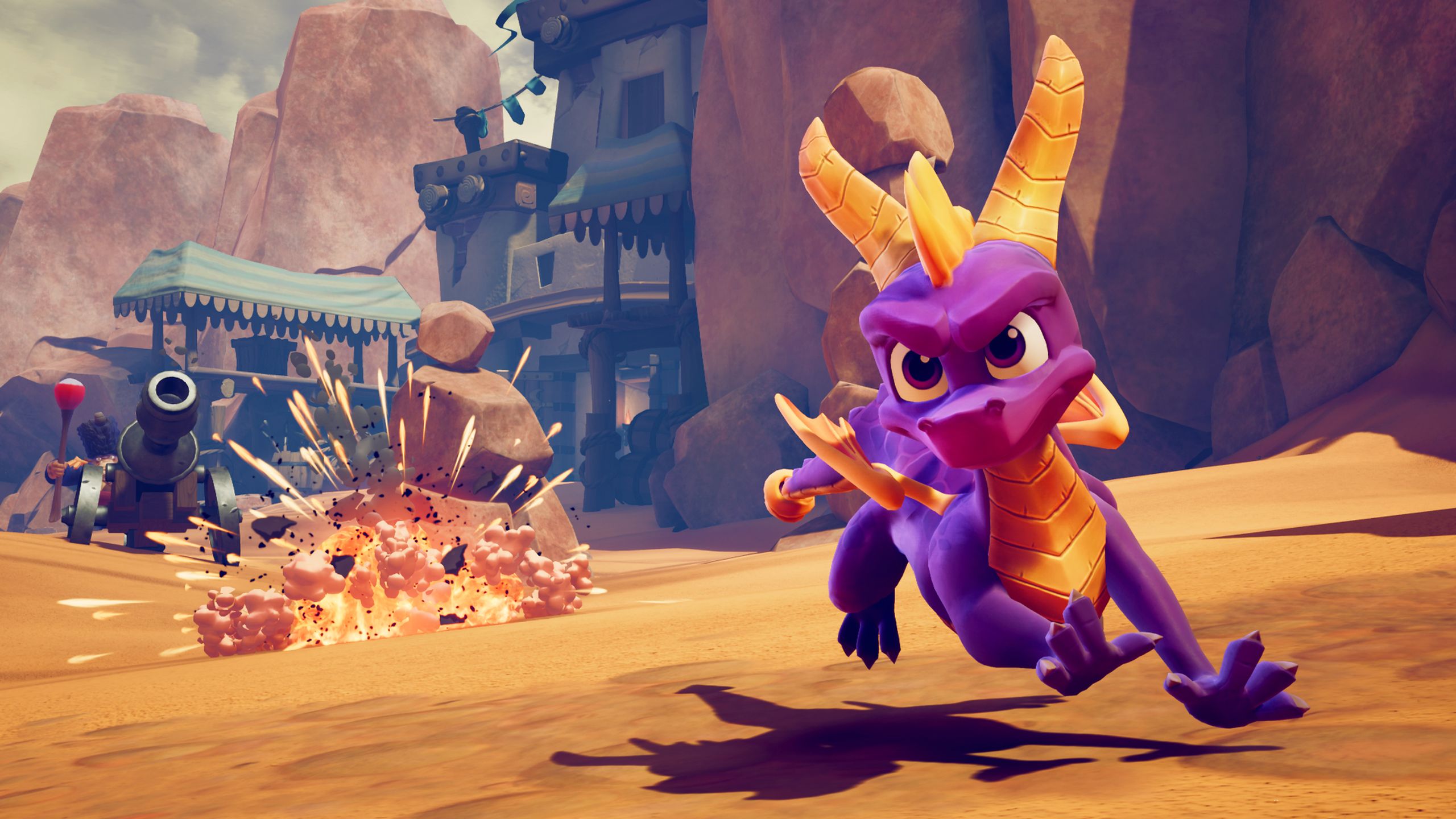
- 60 Frames Per Second (FPS) Performance: The original PlayStation games were typically locked to 30 FPS. This new port aims to double that, providing a significantly smoother and more responsive gameplay experience. Lumilaura noted that while the showcased footage was recorded at 60 FPS, the game was actually running at an astonishing "320fps" internally, indicating a robust performance ceiling.
- "True Widescreen" Support: The original PlayStation title was designed for 4:3 aspect ratios. This fan port introduces native widescreen support, allowing players to enjoy the game on modern 16:9 displays without the distortion or black bars often associated with older games. This is a crucial enhancement for immersion on contemporary setups.
- Perspective Correct Textures: In the original game, textures could sometimes appear distorted or "wobbly" when viewed from different angles due to the limitations of the PlayStation’s hardware. The PC port promises perspective-correct textures, meaning they will appear more natural and stable, regardless of the player’s viewpoint.
- "No Polygon Wobble": This refers to a visual artifact common in early 3D games, where polygons could sometimes appear to jitter or shake. The removal of this "wobble" contributes to a cleaner and more polished visual presentation. Lumilaura humorously noted that whether this is a positive or negative might depend on a player’s level of affection for the "watery PS1 polys."
H3: A Commitment to Organic Development
In a poignant observation reflecting the current landscape of game development, lumilaura specifically highlighted that the project is being made "with no AI." This statement underscores a desire among many retro game enthusiasts and developers to preserve the human element in game creation and to ensure that the art of game development remains a craft driven by passion and skill, rather than solely by algorithmic generation.
The Road to Release: Challenges and Expectations
While the progress is remarkable and the potential for a polished release is high, the fan port is still in active development and faces certain challenges.
H2: Early Access Impressions and Caveats
Lumilaura’s initial testing has provided valuable feedback, revealing both the impressive capabilities and the current limitations of the port:
- Visual Artifacting and Camera Issues: Despite the significant enhancements, the port is described as "very unfinished." Players may encounter "visual artifacting such as camera flashes" and "awkward camera motions that can cause motion sickness." These are typical issues in the early stages of port development and are expected to be addressed as the project matures.
- Unfinished State: The current build is not yet ready for public release. The developers are likely focusing on refining core mechanics, fixing bugs, and optimizing performance before a wider distribution.
H3: Anticipated Release and Competitive Timeline
Despite these ongoing development hurdles, lumilaura expressed optimism regarding the release timeline, stating that the port is likely to arrive "much sooner than we all think." This has sparked speculation about its release date relative to the official new Spyro game, "Spyro: A Realm Beyond," which is slated for 2027. Given the fan port’s potential for an earlier release, it’s entirely plausible that PC players could be revisiting the original "Spyro the Dragon" in its enhanced form well before the next official installment arrives.
The availability of the original "Spyro the Dragon" on PC through this fan-made port represents a significant victory for dedicated players. It showcases the power of community-driven development and a shared passion for preserving and celebrating gaming history. As the project continues to evolve, the prospect of experiencing this beloved classic with modern fidelity offers a tantalizing glimpse into a future where retro gaming is not just preserved, but actively enhanced and made more accessible than ever before. This initiative not only honors the past but also sets a precedent for how fan dedication can breathe new life into cherished gaming IPs.