The Return of the Young Wolf: Robb Stark and the Golden Age of Westeros in Game of Thrones: Legends
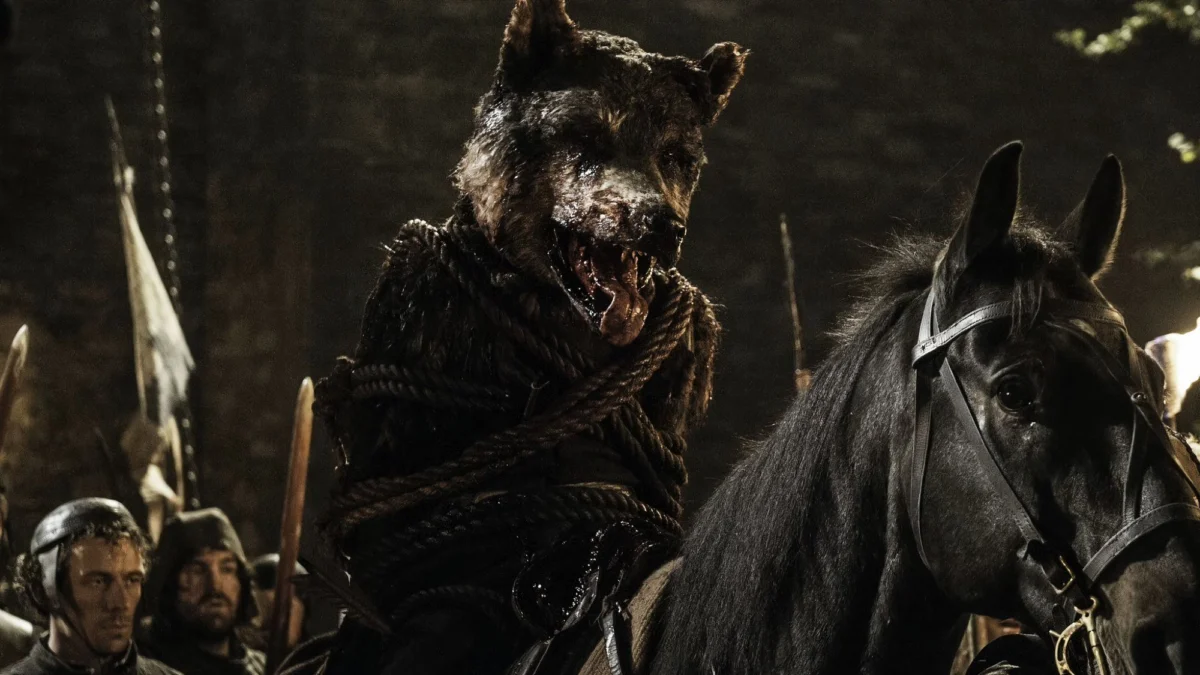
The cultural footprint of George R.R. Martin’s A Song of Ice and Fire—and its subsequent television adaptation, Game of Thrones—remains one of the most significant phenomena in modern media. While the series concluded its television run several years ago, the franchise continues to evolve through prequels like House of the Dragon and an increasingly sophisticated presence in the digital gaming space. For many fans, however, the heart of the franchise remains rooted in the "Golden Age" of the original series: the first four seasons that defined political intrigue and high-stakes drama.
In a move that leans heavily into this nostalgia, the mobile gaming world is preparing for a major revival. Robb Stark, the ill-fated King in the North, is set to make an official return to the spotlight. This comeback is facilitated through a massive limited-time event in the highly-rated mobile title Game of Thrones: Legends. Titled "Robb’s War," the event aims to recapture the tension of the early seasons, allowing players to step into the boots of the Young Wolf once more.
Main Facts: The "Robb’s War" Event Details
Developed by Zynga, Game of Thrones: Legends has established itself as a premier destination for fans seeking a blend of strategy, character collection, and narrative-driven gameplay. The upcoming event, "Robb’s War," is the centerpiece of the game’s August 2026 content calendar.
Schedule and Availability
The event is scheduled to launch on Thursday, August 27, 2026, at 4:00 AM EDT. It is a high-intensity, limited-time engagement, concluding on Monday, August 31, 2026, at 2:00 AM EDT. This narrow window is designed to drive player engagement and simulate the urgent, fleeting nature of the Northern rebellion depicted in the source material.
Featured Legendary Champions
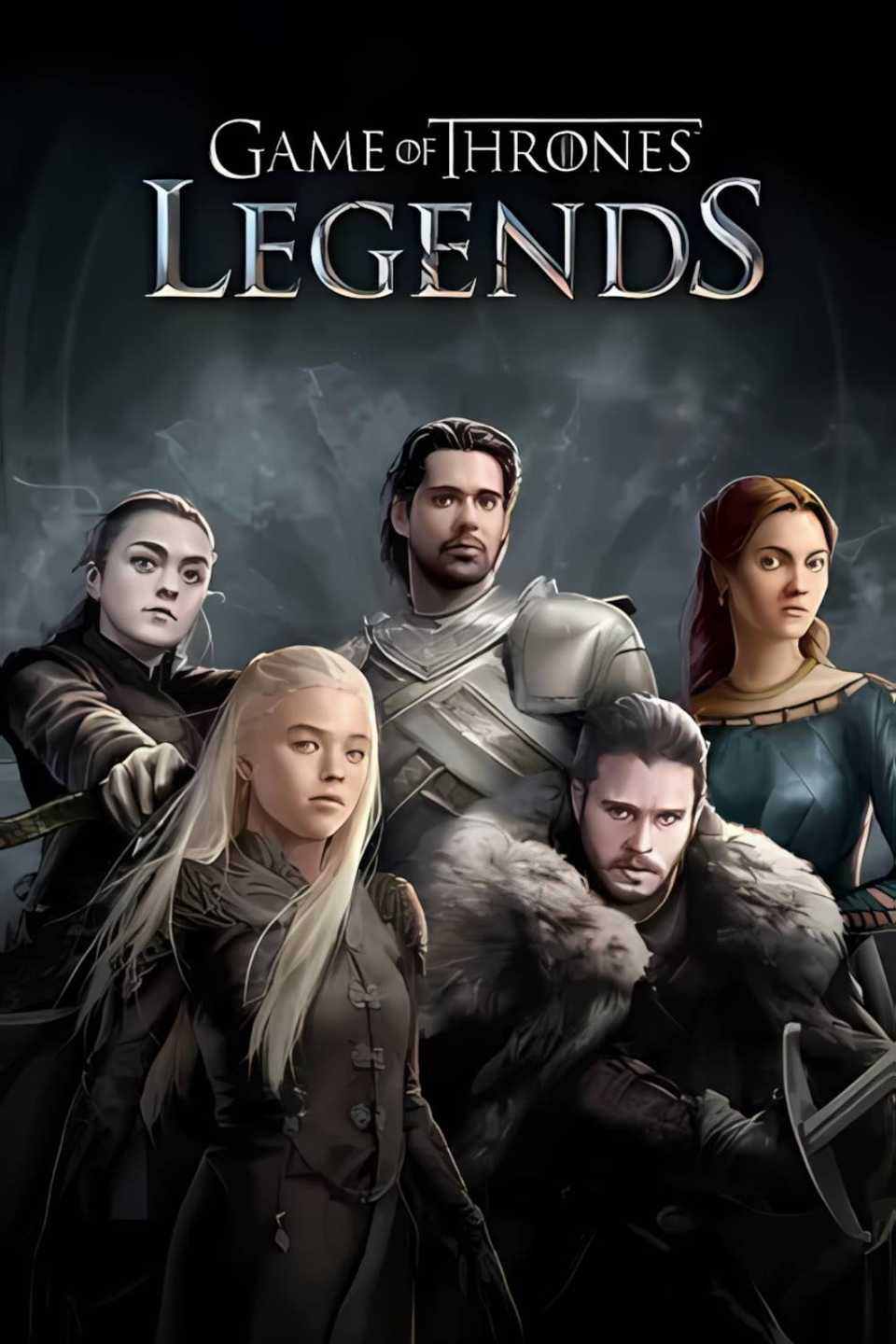
The draw of Legends lies in its "Champions"—high-fidelity digital recreations of iconic characters. "Robb’s War" will feature a roster of Legendary Champions that spans both the original series and the House of the Dragon era, including:
- Robb Stark: The central figure of the event, modeled after Richard Madden’s portrayal.
- Jacaerys Velaryon: Representing the House of the Dragon era, bridging the gap between the two shows.
- Olenna Tyrell: The Queen of Thorns, bringing her signature tactical utility to the game.
- Daenerys Targaryen (Conqueror of Qarth): A specific iteration of the Mother of Dragons from her early journey.
Gameplay Mechanics
"Robb’s War" is not merely a cosmetic update. It introduces specific narrative missions where players assist Robb Stark in rallying Northern bannermen and navigating the treacherous politics of the Riverlands. Players will face off against classic antagonists, including the Lannister forces, the Stone Crows, and the rebellious Rickard Karstark. A unique mechanical addition for this event includes the "Young Wolf Gems," special match-3 tiles that trigger unique abilities tied to the Stark lineage.
Chronology: From Television Peak to Mobile Dominance
To understand the significance of Robb Stark’s return, one must look at the timeline of the Game of Thrones franchise and how its various iterations have fluctuated in critical and commercial standing.
The Peak Years (2011–2014)
The original HBO series saw a meteoric rise in quality and viewership during its first four seasons. Critics often cite this era as the "critical peak" of the show. Metacritic scores famously climbed from an 80 in Season 1 to a staggering 94 by Season 4. During this time, Robb Stark served as the moral and military compass of the show’s Northern plotline. His journey from the grieving son of Ned Stark to the formidable King in the North provided the emotional backbone for the War of the Five Kings.

The Red Wedding and the Stark Legacy
The character’s departure in the infamous "Red Wedding" (Season 3, Episode 9) remains one of the most shocking moments in television history. Since that departure, the franchise has struggled to find a protagonist who mirrors Robb’s blend of idealism and tactical brilliance. While House of the Dragon has successfully recaptured some of this political complexity, the specific "Stark versus Lannister" dynamic of the early 2010s remains the most requested era for fans.
The Rise of Game of Thrones: Legends (2024–Present)
Released on July 25, 2024, Game of Thrones: Legends was designed to be a "forever game"—a platform that could house the entire history of Westeros. Unlike previous mobile attempts that focused solely on base-building, Legends utilized a match-3 RPG format that allowed for deeper character interaction. By 2026, the game has become the primary vessel for "what if" scenarios and historical recreations within the fandom.
Supporting Data: Why Robb Stark Still Matters
The decision to center a major 2026 event on a character who exited the main show over a decade ago is backed by significant consumer data and sentiment analysis.
Critical Sentiment and Ratings
Data from Rotten Tomatoes and Metacritic consistently shows that the "Stark-centric" seasons of Game of Thrones maintain the highest rewatchability scores. Audience disillusionment with the final seasons of the original show created a "nostalgia vacuum" for the early characters. Robb Stark, in particular, represents a "pure" era of the show before the narrative complexities of the later seasons polarized the fanbase.

Mobile Gaming Trends
The mobile RPG market has seen a shift toward "Legacy Content." Players are more likely to spend in-game currency on characters they have a long-standing emotional connection with. According to industry reports on Zynga’s performance, events featuring "Golden Age" characters (Ned Stark, Robb Stark, Oberyn Martell) see a 30% higher engagement rate compared to events featuring entirely new or minor characters from the extended lore.
The Success of Cross-Era Integration
The inclusion of Jacaerys Velaryon alongside Robb Stark in this event highlights a successful trend in the Legends ecosystem: the "Cross-Era" appeal. By allowing players to pair characters who lived hundreds of years apart, Zynga has created a digital sandbox that appeals to both veteran fans of the original show and newer fans of House of the Dragon.
Official Responses and Developer Insights
Zynga and the developers behind Game of Thrones: Legends have positioned these events as more than just gameplay updates; they are "narrative expansions." In previous press releases regarding the August schedule—which also includes the Battle of Blackwater Bay and the Assault on Rook’s Rest—the development team emphasized their commitment to "canonical authenticity."
"We recognize that for many fans, Robb Stark represents the heart of the Northern cause," a spokesperson for the Legends team noted during a recent community update. "With ‘Robb’s War,’ we wanted to give players the chance to experience the tactical pressure he felt—the difficulty of holding an army together while the Lannisters closed in from the south. It’s about honoring Richard Madden’s iconic performance while giving the fans a way to interact with that history."

The developers have also addressed the "free-to-play" nature of the game, ensuring that while Legendary Champions like Robb Stark are rare, the event itself provides enough "shards" and "tokens" for dedicated players to unlock significant content without mandatory expenditures. This balance has contributed to the game’s high ratings on both the Apple App Store and Google Play.
Implications: The Future of the Westeros IP
The "Robb’s War" event carries implications that extend beyond a single mobile game. It signals a broader strategy for the Game of Thrones intellectual property as it moves deeper into the 2020s.
The "Evergreen" Hero Strategy
Warner Bros. Discovery and its partners are increasingly treating Game of Thrones characters as "evergreen" assets, similar to how DC Comics treats Batman or Superman. By reintroducing Robb Stark in 2026, they are ensuring that the character remains relevant to a generation of gamers who may have been too young to watch the original show during its initial run.
Gaming as the Primary "Live" Medium
As the wait between seasons of House of the Dragon or the upcoming A Knight of the Seven Kingdoms grows, gaming has become the primary medium for keeping the franchise "live." Events like "Robb’s War" serve as bridge content, maintaining fan interest and subscription/engagement levels during the television "off-season."
The Evolution of Match-3 RPGs
The success of Legends demonstrates that the match-3 RPG genre is capable of carrying heavy narrative weight. By integrating complex themes of loyalty, betrayal, and military strategy into a puzzle-based format, Zynga has proven that high-fantasy IPs can thrive on mobile platforms without sacrificing the "feel" of the source material.
Conclusion: A Legacy Reclaimed
The return of Robb Stark in Game of Thrones: Legends is a testament to the enduring power of the characters created by George R.R. Martin. While the "Golden Age" of the television series may be in the past, the digital future of Westeros is more active than ever. For four days in August, fans will have the opportunity to change the tides of war, rally the North, and perhaps find a different kind of closure for the Young Wolf.
As "Robb’s War" approaches, it serves as a reminder that in the world of Game of Thrones, no one is ever truly gone as long as there are stories to tell—and gems to match. Whether you are a veteran of the 2011 premiere or a newcomer via House of the Dragon, the gates of Winterfell are opening once again on August 27.