The Unfolding Consciousness: Navigating the Nuances of Aging and Perpetual Growth
Introduction
The human journey, from the vibrant bloom of youth to the serene twilight of old age, is a profound narrative of experience and achievement. Yet, as the years accumulate, the very essence of consciousness, our ability to perceive and engage with the world, undergoes a complex transformation. This article delves into the intricate interplay between physical aging and psychological adaptation, exploring the challenges and triumphs of maintaining a vibrant and evolving sense of self throughout life’s later chapters. We will examine the natural inclination towards introspection in later years, the potential pitfalls of retreating into the past, and the profound benefits of actively engaging with the present and future. Drawing on personal anecdotes, philosophical insights, and the wisdom of ages, we aim to illuminate the path towards not merely growing old, but continuously "growing up" through every stage of life.
The Dual Pillars of Human Experience: Perception and Subjectivity
At the heart of human consciousness lie two fundamental capabilities that evolve as we navigate life’s trajectory. The first is our ability to objectively perceive the world around us. This sensory apparatus – sight, sound, touch, taste, and smell – acts as our direct interface with the existential and physical realities of our daily existence. It allows us to register the tangible elements of our environment, to distinguish between the familiar and the novel, and to ground ourselves in the present moment.
Complementing this external awareness is our capacity for subjective psychological experience. This realm, orchestrated by the intricate workings of the mind and brain, encompasses the vast spectrum of feelings, thoughts, and evaluations that imbue our perceived reality with meaning. It is through this internal landscape that we process information, form judgments, and construct our personal narratives. The intensity and range of these subjective experiences are what truly color our lives, transforming mere sensory input into a rich tapestry of emotion, understanding, and personal significance.
As we age, the preservation and refinement of these two pillars become increasingly crucial. While many older individuals strive to keep their senses sharp, actively seeking to maintain their objective perception of the external world, a subtle yet significant shift can occur in their subjective engagement with life.
The Tendency Towards Psychological Withdrawal: A Retreat into the Familiar
It is a common observation that as individuals enter their later years, there can be a natural inclination to withdraw from the constant flux of contemporary life. The rapid pace of change in societal values, technological advancements, and evolving social norms can feel overwhelming, prompting a retreat into more familiar mental territory. This tendency is not born of malice or a lack of curiosity, but rather from a deeply ingrained human desire for comfort and a sense of stability.
The allure of the past for an aging mind can be potent. Memories, honed and often idealized by time, offer a readily accessible source of meaning and familiarity. Revisiting cherished moments, reconnecting with long-held beliefs, and reliving established routines can provide a sense of continuity and purpose that the present, with its inherent uncertainties, may struggle to match. This psychological gravitation towards the past can be easier and, in its own way, more meaningful than the demanding task of reconfiguring deeply entrenched mental frameworks.
The challenge arises when this inclination solidifies into a rigid resistance to new perspectives. The process of re-evaluating long-held beliefs, re-feeling established emotional responses, and adapting to novel ways of thinking can be perceived as an arduous and even irritating undertaking. The mind, accustomed to its well-trodden paths, can become resistant to the disruption that new challenges introduce. This resistance, while understandable from a psychological standpoint, can inadvertently lead to a diminishing of the very consciousness it seeks to preserve.
The Unseen Erosion: Weakening the Will to Live
The profound implications of retreating from the ongoing processes of life and diminishing the expanding range of consciousness are often subtle and insidious. Nature, in its ancient wisdom, imbues aging with a natural rhythm, a call for adaptation and continued engagement. When individuals consciously or unconsciously resist this call, when they opt for a static existence over a dynamic one, the very engine of their vitality can begin to sputter.
It is posited that by diminishing the expanding range of consciousness that is inherent to the natural aging process, the unconscious will to keep on living is weakened. This is not a sudden or dramatic decline, but rather a gradual erosion of the spark that fuels curiosity, purpose, and the desire for engagement. The vibrancy that comes from embracing new experiences, from grappling with intellectual challenges, and from forging new connections can wane, leaving a void that is difficult to fill with mere passive observation.
The Timeless Adage: "Keep the Body in Motion, and the Mind in Action"
The adage, "Keep the Body in motion, and the Mind in action," has resonated through generations for a reason. It encapsulates a fundamental truth about human well-being: the interconnectedness of physical and mental vitality. This timeless wisdom is not merely about maintaining physical health; it is about fostering a dynamic equilibrium that allows for continuous growth, irrespective of chronological age.
The body, when actively engaged, sends signals of vitality and purpose to the brain. Physical activity stimulates circulation, oxygenates the brain, and releases endorphins, all of which contribute to improved cognitive function and mood. Simultaneously, an active mind, one that is constantly learning, problem-solving, and engaging with new ideas, reciprocally invigorates the body. This symbiotic relationship is the cornerstone of what can be termed "perpetual growth," a state of continuous development that transcends the limitations of growing old.
A Coffee House Encounter: The Siren Song of Resignation
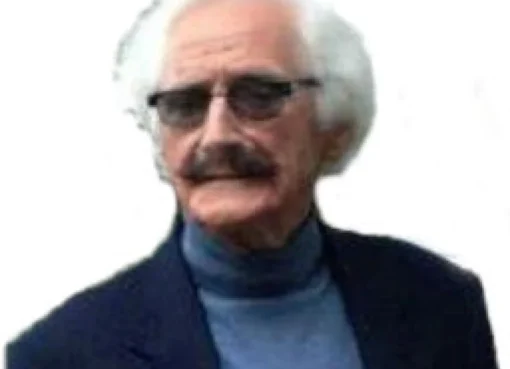
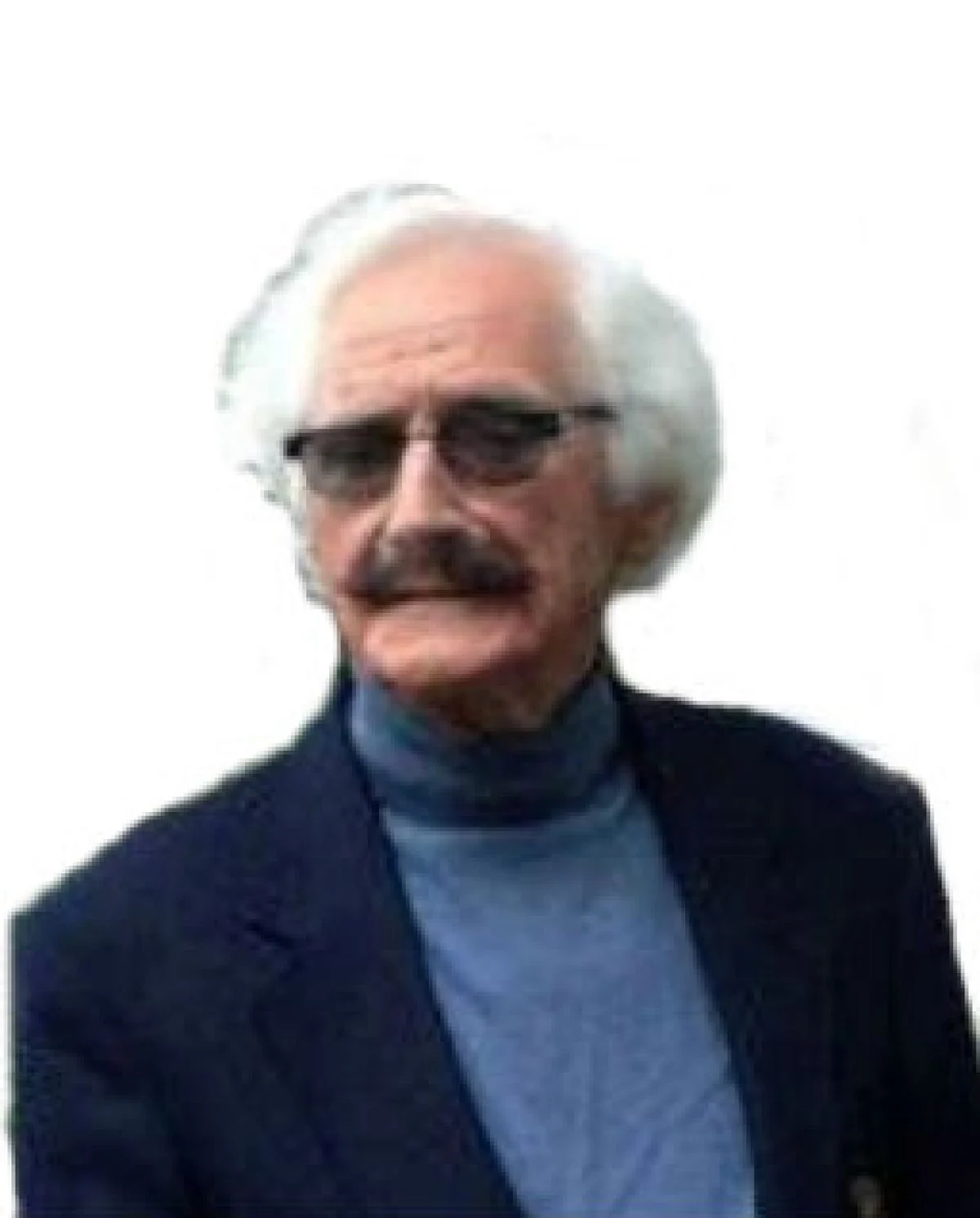
This principle was brought into stark relief during a recent conversation at a local coffee house. Amidst the comforting aroma of freshly brewed coffee and the gentle hum of daily life, I encountered an elderly gentleman who embodied a profound sense of resignation. At 75 years of age, he expressed a weariness that was palpable.
"I’ve stopped thinking about my daily existence," he confided, his gaze distant. "There’s no point in dwelling on the past. After all, I’m an old man now. I have few opinions left, and I’m just growing old, coasting to the end."
His words, delivered with a quiet finality, painted a picture of a man who had, perhaps unconsciously, surrendered to the perceived inevitability of decline. He had seemingly chosen to disengage from the active cultivation of his consciousness, opting instead for a passive observation of his remaining years.
The Futility of Argument, The Power of Experience
In such moments, one can sense the futility of immediate argument or forceful debate. His outlook, deeply entrenched, felt impervious to external persuasion. To him, my own experience of continuing to ask the fundamental questions of existence – "Why and wherefore, to what end?" – would likely have seemed an unnecessary exertion, a relic of a bygone era.
My own journey, marked by a recent 94th birthday and a steadfast commitment to avoiding the "armchair," has been a testament to the enduring power of an active life. It is through this sustained engagement, this deliberate pushing against the inertia of age, that the mind intensifies its quest for understanding, and the body, in turn, is compelled to remain active.
The Unfolding Revelation: Psychological Growth in Later Years
The result of this persistent engagement, as I have personally experienced, is a continuous process of psychological growth. The mental overview of life, far from becoming static, continues to evolve, to deepen, and to expand. It is a fascinating phenomenon, and one that I can attest to, having observed the subtle yet significant shifts in my own consciousness over the decades.
Looking back, the questions that occupied my mind at 75 were certainly less frequent and less intense than those that continue to arise now. The urgency and the depth of inquiry seem to have been amplified by continued engagement and a refusal to settle into a passive state of being. This is not to say that the wisdom of age is not profound; rather, it suggests that wisdom is not a destination, but an ongoing process of discovery.
Echoes Through Time: Philosophical Reflections on Aging
The human contemplation of aging and its impact on consciousness is not a new phenomenon. Indeed, profound insights have been offered by thinkers across millennia, each capturing a different facet of this complex human experience. Two such reflections, separated by approximately 2,500 years, offer a compelling counterpoint to the notion of passive decline.
Plato: The Serene Liberation of Age
Around 400 BCE, the esteemed Greek philosopher Plato observed: "Old age has a great sense of calm and freedom. When the passions have relaxed their hold, you have escaped not from one master, but from many."
Plato’s perspective speaks to a particular kind of liberation that can accompany advanced age. As the intense drives and desires that often characterize youth and middle age begin to subside, a sense of tranquility can emerge. This release from the often-demanding grip of passions – ambition, lust, envy, anger – can indeed feel like an emancipation. It allows for a more detached and contemplative engagement with life, a state of being where one is less beholden to the whims of immediate gratification or the relentless pursuit of external validation. This calm, freed from the tyranny of fleeting desires, can foster a deeper appreciation for the present moment and a more profound understanding of one’s place in the grand tapestry of existence.
Oscar Wilde: The Paradox of Youthful Age
In stark contrast, the Irish playwright and wit Oscar Wilde, writing in the late 19th century, offered a more poignant and perhaps paradoxical observation: "The tragedy of old age is not that one is old, but that one is young."
Wilde’s aphorism challenges the conventional understanding of aging. He suggests that the true tragedy lies not in the physical manifestations of growing old, but in the internal experience of remaining psychologically young while the body and the world around us move inexorably forward. This "youthfulness" in old age, in Wilde’s view, is not a sign of vibrant continued growth, but rather a disconnect. It implies a state of being out of sync with one’s surroundings, a yearning for experiences or capabilities that are no longer physically accessible, or a persistent idealism that clashes with the pragmatic realities of later life. It is the tragedy of having the spirit of youth trapped within a body that is subject to the limitations of age, leading to a sense of frustration and unfulfilled potential.
Reconciling the Perspectives: The Active Pursuit of "Growing Up"
These two seemingly disparate viewpoints – Plato’s serene liberation and Wilde’s paradoxical tragedy – highlight the multifaceted nature of aging. While Plato speaks to the potential for a profound inner peace that can be cultivated in later years, Wilde points to the potential pitfalls of a disconnect between one’s internal state and external reality.
The key to navigating these complexities, and to truly "grow up" rather than merely "grow old," lies in actively bridging these two perspectives. It is about embracing the "calm and freedom" that Plato describes, not as a passive state of disengagement, but as a foundation for continued intellectual and emotional exploration. Simultaneously, it is about avoiding Wilde’s "tragedy" by ensuring that our internal "youthfulness" – our curiosity, our capacity for wonder, our desire to learn – remains actively engaged with the evolving world around us.
The Path Forward: Cultivating an Evolving Consciousness
The insights gleaned from personal experience and philosophical contemplation converge on a singular imperative: the cultivation of an evolving consciousness. This is not a passive process dictated by biological destiny, but an active choice, a continuous endeavor.
H2: Embracing the Present: The Antidote to Past Anchoring
The tendency to live in the past, while understandable, is a significant impediment to psychological growth. To counter this, individuals are encouraged to actively engage with the present moment. This involves:
- Mindfulness Practices: Incorporating mindfulness techniques, such as meditation or simply paying attention to sensory experiences during daily activities, can anchor individuals in the present.
- Active Participation: Engaging in hobbies, social activities, and community involvement provides opportunities for new experiences and interactions.
- Learning and Exploration: Continuously seeking new knowledge, whether through reading, attending lectures, or learning new skills, keeps the mind agile and engaged.
H3: The Five Senses as Bridges to the Now
While often taken for granted, our five senses are powerful tools for grounding ourselves in the present. Actively using them can enhance our perception and appreciation of the current moment:
- Sight: Observing the intricate details of nature, the changing expressions on people’s faces, or the nuances of art.
- Sound: Listening attentively to music, the sounds of nature, or the conversations of loved ones.
- Touch: Experiencing the texture of different materials, the warmth of the sun, or the comfort of a loved one’s hand.
- Taste: Savoring the flavors of food and drink, paying attention to the nuances and aromas.
- Smell: Noticing the scent of flowers, the aroma of baking, or the fresh air after rain.
H2: The Mind as a Garden: Nurturing New Growth
The mind, much like a garden, requires ongoing cultivation to flourish. Resisting new mental attitudes is akin to allowing weeds to choke out the fertile ground. Embracing challenges is essential for continued psychological development:
- Intellectual Curiosity: Maintaining a curious mindset and actively seeking out new information and perspectives.
- Open-mindedness: Being receptive to different viewpoints and willing to reconsider one’s own beliefs.
- Problem-Solving: Engaging with challenges, both big and small, and finding creative solutions.
- Emotional Resilience: Developing the capacity to process and learn from difficult emotions rather than suppressing them.
H3: The Power of Re-thinking and Re-feeling
The irritation that can arise from the need to re-think and re-feel is a signal of resistance. By reframing these as opportunities for growth, individuals can unlock new dimensions of understanding:
- Reflective Journaling: Regularly writing down thoughts and feelings can help process new information and emotional responses.
- Engaging in Dialogue: Discussing differing opinions with others can broaden perspectives and challenge assumptions.
- Embracing Discomfort: Recognizing that growth often occurs outside of one’s comfort zone.
H2: The Intertwined Dance of Body and Mind
The ancient adage serves as a constant reminder of the inextricable link between physical and mental well-being. To maintain vitality, both must be actively nurtured.
H3: The Body in Motion: Fueling the Mind
- Regular Exercise: Engaging in a consistent physical activity routine tailored to individual capabilities. This could include walking, swimming, yoga, or any activity that promotes movement.
- Balanced Nutrition: Nourishing the body with a healthy and balanced diet provides the essential building blocks for both physical and cognitive function.
- Adequate Rest: Prioritizing sufficient sleep is crucial for physical and mental restoration.
H3: The Mind in Action: Stimulating the Body
- Cognitive Stimulation: Engaging in mentally challenging activities such as puzzles, reading, learning new languages, or playing strategy games.
- Creative Pursuits: Engaging in artistic endeavors like painting, writing, or playing a musical instrument can foster both mental agility and a sense of purpose.
- Social Connection: Maintaining strong social ties and engaging in meaningful conversations provides mental stimulation and emotional support.
Conclusion
The journey of aging is not a predetermined path towards decline, but a dynamic process of unfolding consciousness. By actively engaging with the present, nurturing our minds as gardens of perpetual growth, and recognizing the vital dance between our bodies and minds, we can transcend the mere passage of years. We can, as the timeless wisdom suggests, continue to "grow up" throughout our lives, embracing the richness and complexity of each stage with a vibrant and evolving spirit. The choice, ultimately, lies within each individual: to passively age, or to actively cultivate a life of continuous growth and profound meaning.