Fallout’s Architects Speak: Creators of the Beloved RPGs Weigh In on the Critically Acclaimed Amazon Series
For decades, the landscape of video game adaptations in film and television has been a treacherous one, littered with disappointments and often serving as a stark reminder of how difficult it is to translate interactive narratives to passive viewing. For many, the phrase "good for a video game adaptation" became a weary caveat, a low bar set by a string of middling or outright terrible attempts. However, the recent debut of Amazon’s "Fallout" series has shattered this long-held perception, earning widespread critical acclaim and igniting fervent discussion among fans and creators alike. This has naturally led to a burning question: what do the original architects of the "Fallout" universe, the visionary designers and developers who first breathed life into its post-apocalyptic world, think of this ambitious new interpretation?
The initial reaction from some key figures has been overwhelmingly positive, offering a fascinating glimpse into how the creators of the source material perceive its successful translation to a new medium. This article delves into the sentiments of these seminal figures, exploring their thoughts on the show’s fidelity, creative liberties, and overall impact on the beloved franchise.
The Unanimous Acclaim: A New Dawn for Game Adaptations
The sentiment surrounding the "Fallout" series has been one of genuine surprise and delight, a far cry from the trepidation that often accompanies such adaptations. This positive reception extends not only to fans and critics but, crucially, to the very individuals who meticulously crafted the foundational elements of the "Fallout" universe.
Series co-creator Tim Cain, a pivotal figure in the original "Fallout" games, has been an outspoken advocate for the Amazon series. Through his YouTube channel, Cain has openly expressed his admiration for the show’s ability to capture the essence of the franchise while forging its own narrative path. His endorsement, coming from one of the franchise’s originators, carries significant weight and has undoubtedly contributed to the widespread positive sentiment. Cain’s appreciation underscores a key aspect of successful adaptations: understanding the core spirit of the source material while embracing the unique demands of a different storytelling medium.
More recently, Josh Sawyer, the acclaimed director of "Fallout: New Vegas," has added his voice to the chorus of praise. In a candid interview with The 41st Precinct, Sawyer detailed his experience watching the series, admitting he devoured both seasons as they were released. His feedback is particularly insightful, as "New Vegas" is a fan-favorite entry in the series, known for its complex narrative, intricate faction system, and player-driven choices. Sawyer’s positive remarks about the show’s interpretation of his game’s factions and its unique setting are a testament to the creative team’s dedication to respecting the established lore while infusing it with fresh perspectives.
Sawyer’s perspective is invaluable. He not only acknowledges the show’s artistic merits but also addresses the delicate balance of adapting a beloved game. He emphasized that while a writer might always find minor points they’d approach differently, the overall execution of the "Fallout" series has met his high standards. This nuanced view suggests a deep understanding of the collaborative and interpretive nature of adaptation, recognizing that even the creators of the original work acknowledge the inherent subjectivity in creative endeavors.
A Deep Dive into "New Vegas": Factions, Lore, and Creative Liberties
The "Fallout" universe is renowned for its rich lore, diverse factions, and the player’s ability to shape the world through their choices. For fans of "Fallout: New Vegas," the show’s handling of these elements was a particularly crucial point of examination. Josh Sawyer’s comments offer a reassuring perspective on how these iconic aspects were translated to the screen.
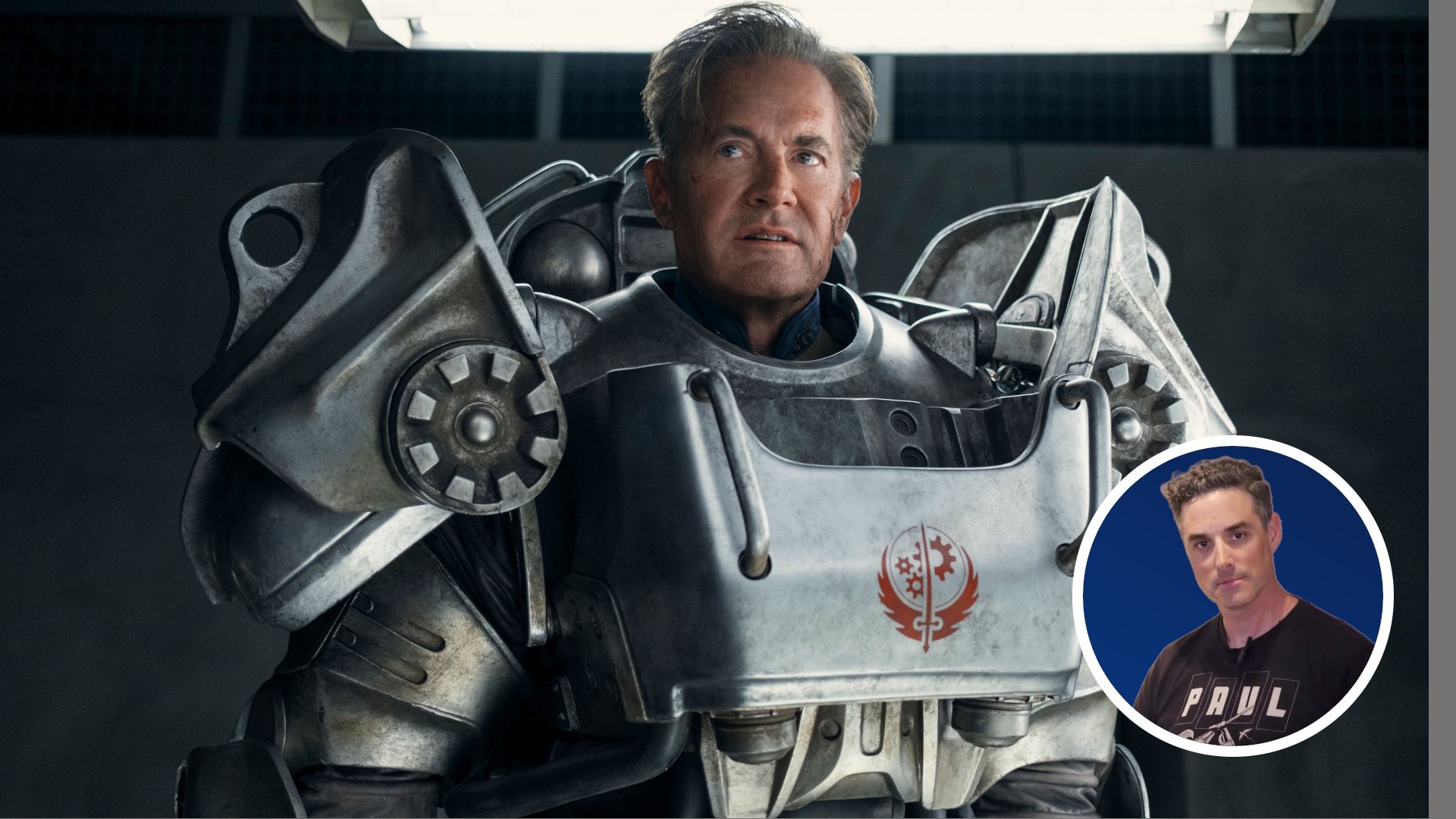
Sawyer expressed particular fondness for the show’s portrayal of the various factions within the "New Vegas" setting. This is no small feat, as these factions – the New California Republic (NCR), Caesar’s Legion, and Mr. House’s Securitron army – are central to the game’s narrative and represent a spectrum of ideologies and approaches to rebuilding civilization. The show’s ability to encapsulate their distinct characteristics and motivations, while weaving them into a compelling new storyline, has clearly resonated with Sawyer.
He also touched upon specific creative decisions, such as the alteration of the iconic Dinky the Dinosaur landmark from "New Vegas." For those unfamiliar with the game, Dinky’s orientation is a minor but surprisingly contentious detail among dedicated players. Sawyer acknowledged that while some fans might be "bent out of shape" about such changes, he understood the necessity of adapting these elements for the sake of narrative coherence and cinematic impact. He humorously noted that the scene wouldn’t have worked as effectively if Dinky’s placement had strictly adhered to the game’s layout. This anecdote highlights the practical challenges of adaptation and Sawyer’s pragmatic approach, prioritizing the overall storytelling over absolute adherence to every granular detail.
"I get why people get upset about that," Sawyer stated, "but also the scene wouldn’t work at all [if Dinky’s orientation matched the game]." He further elaborated, "Maybe people will say I’m a traitor to Fallout now, or something. But I don’t know, I thought it was a good representation of a lot of the iconic stuff." This statement is a powerful endorsement, suggesting that the show successfully captured the spirit and key elements of "New Vegas" even with these minor adjustments.
Sawyer’s perspective on his role in the "Fallout" universe is also noteworthy. In previous interviews, he has described himself as a "guest" working on "Fallout," rather than someone who would need to dictate its representation in a television series released over a decade and a half after his game’s initial release. This humility and recognition of the franchise’s evolving nature underscore a healthy attitude towards adaptation. It suggests an understanding that the "Fallout" universe is a living entity, capable of expanding and being reinterpreted by new creative voices.
Beyond "New Vegas": A Creator’s Perspective on the Broader "Fallout" Experience
While Josh Sawyer’s insights are particularly relevant to "Fallout: New Vegas," the praise for the Amazon series extends beyond this specific installment. The show’s ability to evoke the overarching atmosphere and themes of the entire "Fallout" franchise has been a significant factor in its success, and the original creators have taken notice.
The common thread in the feedback from both Cain and Sawyer is a deep appreciation for the show’s ability to capture the unique tone of "Fallout." This tone is a delicate blend of dark humor, retro-futuristic aesthetic, social commentary, and a sense of both despair and resilience in the face of overwhelming adversity. The show’s creators, led by Jonathan Nolan and Lisa Joy, have demonstrably succeeded in translating this multifaceted tone to the screen, a feat that has eluded many previous game adaptations.
The choice of actors has also been a point of praise. The performances, particularly Ella Purnell as Lucy and Walton Goggins as The Ghoul, have been lauded for their ability to embody the spirit of the "Fallout" characters, even those who are entirely new to the franchise. This strong casting further contributes to the show’s authenticity and its ability to draw viewers into the familiar yet alien world of "Fallout."
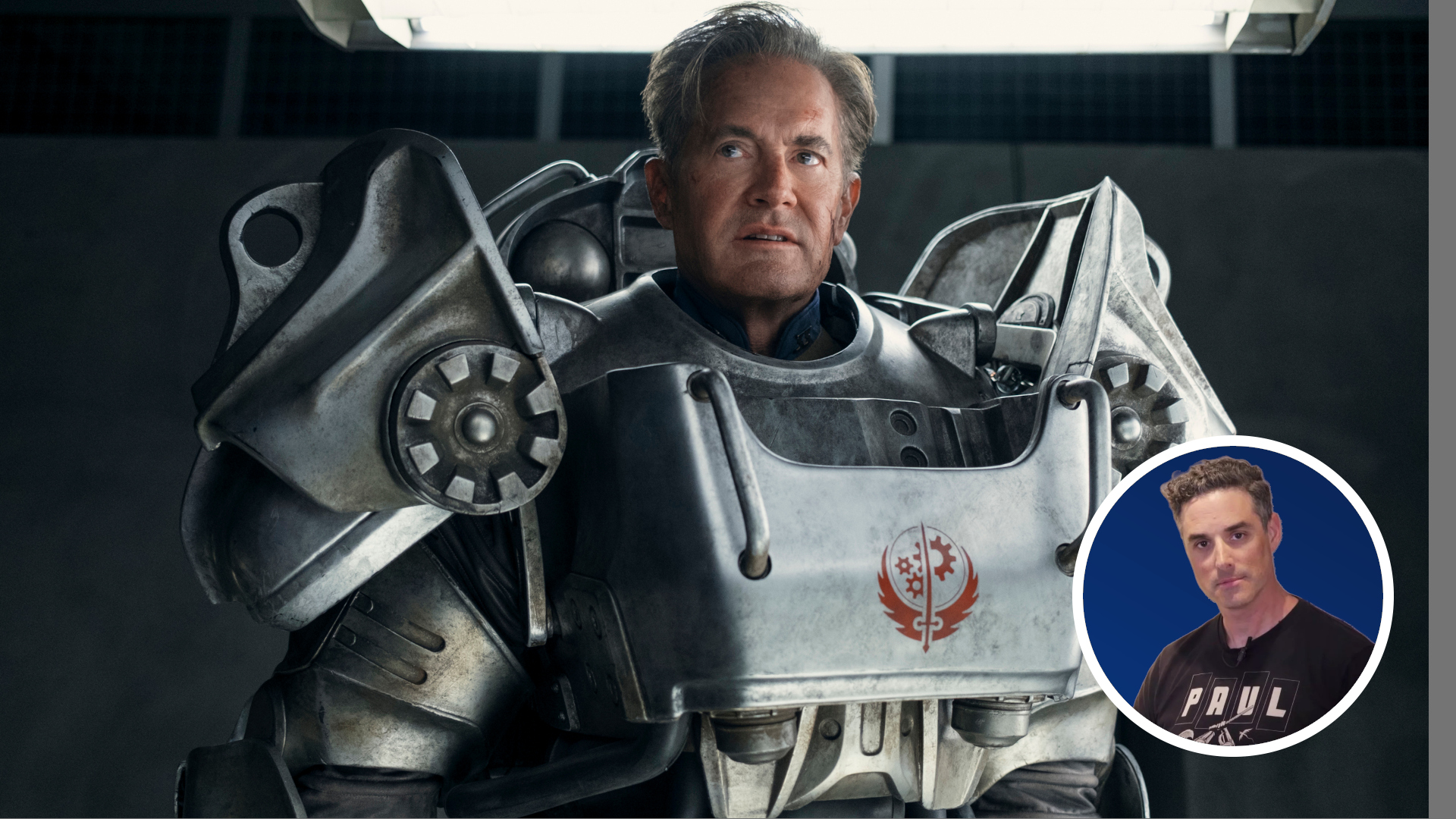
Furthermore, the show’s expansion of the "Fallout" universe, introducing new characters and storylines while respecting established lore, has been met with approval. This approach allows for both a fresh experience for newcomers and a rewarding journey for long-time fans, who can discover new facets of the world they have come to love. The creative team behind the series has managed to strike a difficult balance: honoring the past while boldly forging ahead.
The Broader Implications: A Paradigm Shift for Game Adaptations
The resounding success of Amazon’s "Fallout" series, coupled with the positive endorsements from its original creators, marks a potential paradigm shift in the realm of video game adaptations. For years, the industry has grappled with the challenge of translating interactive experiences into compelling linear narratives. "Fallout" appears to have cracked the code, demonstrating that it is possible to create an adaptation that is both faithful to its source material and a standout piece of television in its own right.
The implications of this success are far-reaching. It could inspire a new wave of more ambitious and well-executed game adaptations across various media. Studios may be more willing to invest in properties that were previously deemed too difficult to adapt, recognizing that with the right creative vision and a deep understanding of the source material, remarkable results are achievable.
Moreover, the positive reception from creators like Tim Cain and Josh Sawyer sets a valuable precedent. It highlights the importance of involving and respecting the original visionaries behind these beloved franchises. When creators of the original games feel that their work is being honored and thoughtfully expanded upon, it fosters a sense of trust and goodwill that can only benefit the franchise as a whole.
The "Fallout" series has not only provided a thrilling viewing experience for fans but has also offered a masterclass in how to successfully adapt a video game. The insights from its original architects, Tim Cain and Josh Sawyer, underscore the show’s achievement in capturing the essence of the "Fallout" universe while forging its own compelling narrative. As the dust settles on this critically acclaimed debut, it is clear that "Fallout" has not only revitalized the post-apocalyptic genre on television but has also set a new benchmark for what video game adaptations can and should be. The future of interactive storytelling translated to the screen looks brighter than ever.