Decades in the Making: Caleb Stein’s "Down by the Hudson" Captures Evolving American Landscape and Community
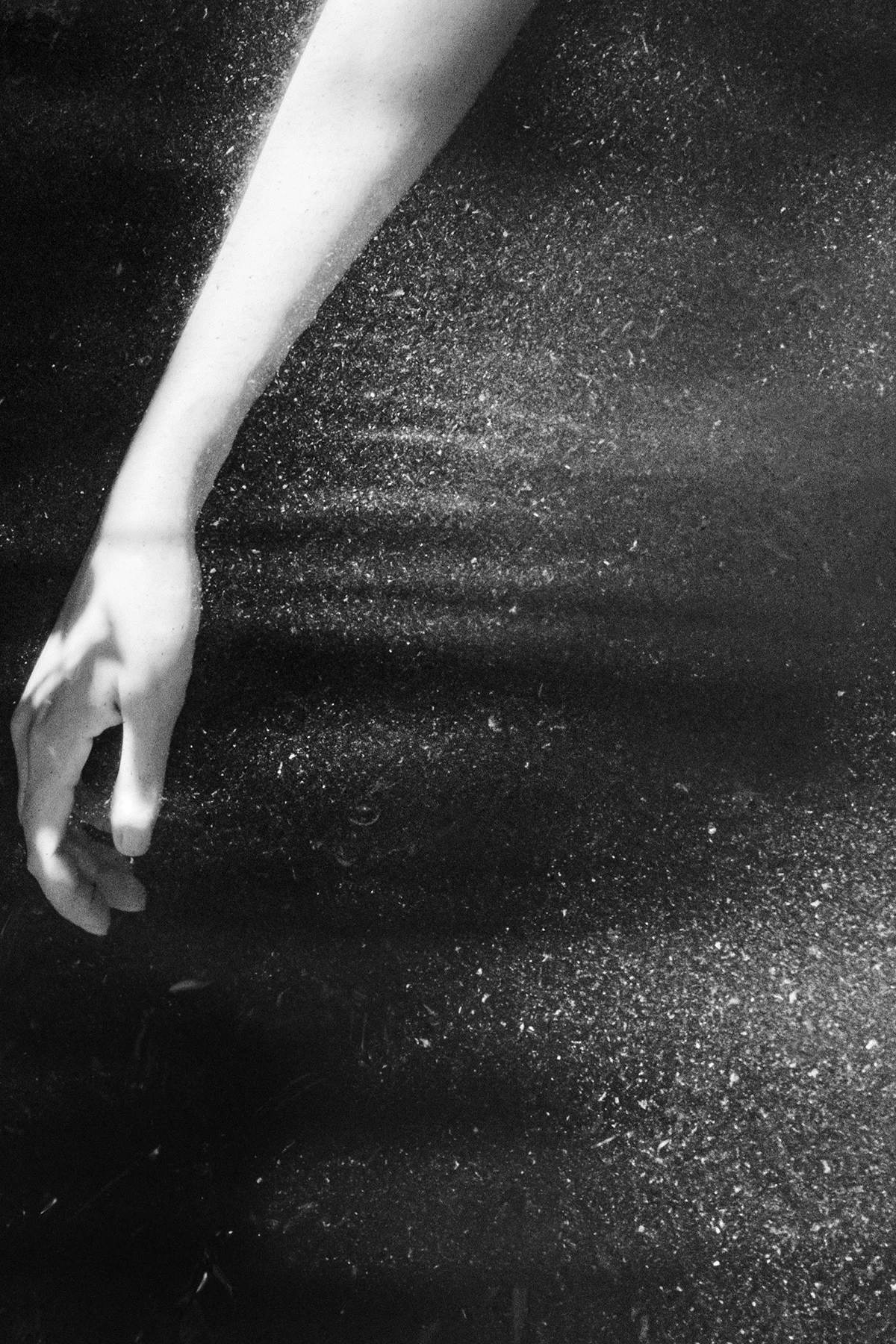
Poughkeepsie, NY – Photographer Caleb Stein’s profound and enduring project, "Down by the Hudson," has culminated in a significant publication and a series of upcoming exhibitions, marking over a decade of dedicated artistic exploration. First featured by this publication in 2019, Stein’s commitment to documenting a singular communal swimming hole along a creek in Poughkeepsie has blossomed into a comprehensive visual narrative now published by Palo Gallery Press. This monograph, titled "Down by the Hudson: 2013-2025," is more than just a collection of images; it’s a deeply resonant testament to the passage of time, the evolution of a place, and the enduring human connection to nature and community.
The project’s genesis, stretching back to 2013, offers a rare glimpse into the subtle yet profound transformations that occur over extended periods. Stein’s lens has consistently returned to this specific locale, capturing its essence through shifting seasons, changing light, and the ebb and flow of human presence. What began as an intimate observation has, over twelve years, evolved into a powerful, multifaceted portrait of a seemingly unassuming corner of the American landscape. The publication of "Down by the Hudson" signifies a critical milestone, bringing this decade-long endeavor to a wider audience and cementing its place within contemporary photographic discourse.
A Decade of Dedication: The Genesis and Evolution of "Down by the Hudson"
Caleb Stein’s "Down by the Hudson" is a testament to the power of sustained observation and the rich narratives that can emerge from a singular focus. The project’s origins lie in Stein’s deep engagement with a particular communal swimming hole nestled along a creek in Poughkeepsie, New York. This location, a seemingly simple natural feature, has served as the central subject for over a decade, from 2013 to 2025.
The initial stages of the project, dating back to 2013, were characterized by a nascent curiosity and a desire to understand the site’s inherent beauty and its role within the local community. Early photographs likely captured the raw, untamed aspects of the creek, the play of light on water, and perhaps the first hints of human interaction. As Stein continued to return, a deeper understanding of the location’s rhythms and its seasonal transformations began to take hold.
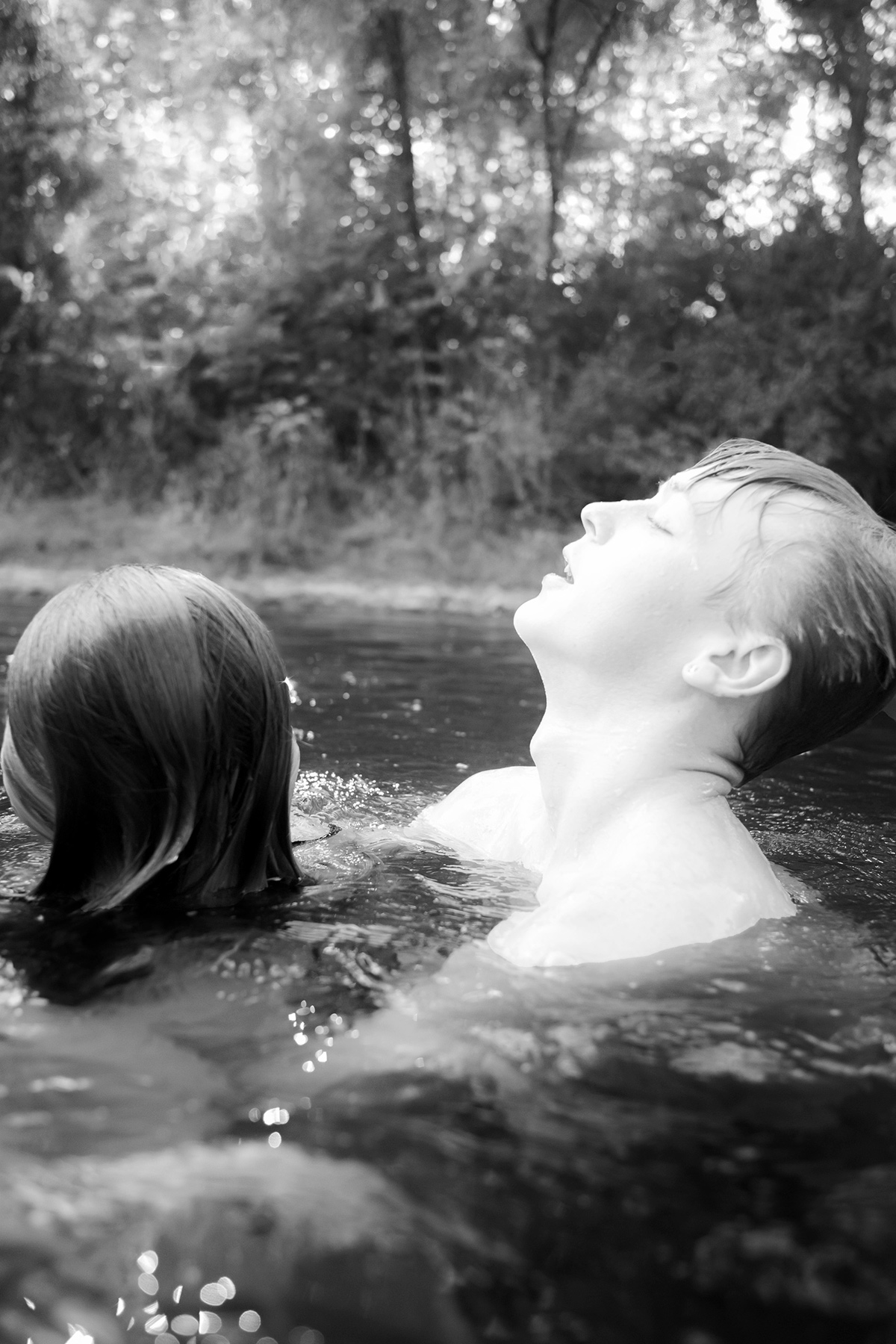
By 2019, when the project first garnered attention, it had already developed a discernible momentum. The photographs showcased a growing intimacy with the subject matter, revealing an acute sensitivity to the nuances of light, atmosphere, and the subtle shifts in the landscape. The presence of individuals, often captured in moments of leisure and connection, began to underscore the communal aspect of the swimming hole, hinting at its significance as a gathering place.
The subsequent years, leading up to 2025, saw the project mature significantly. Stein’s dedication allowed for the documentation of subtle ecological changes, the impact of weather patterns, and the evolving ways in which people interacted with the space. The project likely moved beyond mere documentation to encompass a more profound exploration of themes such as memory, belonging, and the ephemeral nature of time. The act of returning to the same location repeatedly, year after year, imbues the work with a temporal depth that is rarely achieved in contemporary photography. This sustained engagement allows the viewer to perceive the subtle shifts, the gradual erosion, the regrowth, and the enduring spirit of the place.
The publication of "Down by the Hudson: 2013-2025" by Palo Gallery Press marks the culmination of this extensive period of work. It signifies not only the completion of a photographic journey but also the distillation of over ten years of observation into a cohesive and impactful body of work. The monograph serves as a comprehensive archive of the site’s evolution and the human stories intertwined with it.
A Visual Chronology: Tracing Time and Transformation
The strength of "Down by the Hudson" lies in its ability to present a compelling visual chronology, allowing viewers to witness the passage of time and the inherent transformations of the natural world and human experience. While the project spans over a decade, its impact is felt through the subtle yet significant changes captured within its frames.
The early years of the project, from 2013 onwards, likely focused on establishing the foundational elements of the site. Photographs from this period might highlight the raw, unadulterated beauty of the creek, its surrounding flora, and the initial interactions of people with the water. One can imagine images capturing the vibrant greens of summer, the stark beauty of winter, or the gentle awakening of spring, all seen through Stein’s discerning eye. These early works would serve as a baseline, a point of reference against which subsequent changes could be measured.
As the project progressed into the mid-2010s, Stein’s sustained presence would have allowed for the observation of more nuanced developments. The introduction of new elements to the landscape, the weathering of existing features, or the evolving patterns of human usage might have become more prominent. The photographs would begin to reveal the site’s resilience and its capacity for change, reflecting both natural cycles and human influence.
The period between 2019 and 2025, a significant portion of which has been covered by ongoing documentation and features, would have seen the project gain further depth and complexity. The increasing familiarity with the location would have enabled Stein to capture more intimate and evocative moments. The changing demographics of the visitors, the subtle alterations in the creek’s flow due to environmental factors, or the impact of local development could all have been meticulously documented.
The publication itself, "Down by the Hudson: 2013-2025," acts as a deliberate chronological arrangement of these observations. By presenting the images in a sequence that reflects the passage of time, Stein invites the viewer to engage with the narrative of change. This chronological structure is crucial in highlighting the project’s central themes: the impermanence of moments, the enduring power of nature, and the continuous cycle of renewal. Each photograph, placed in its temporal context, contributes to a larger story, revealing how a single, seemingly ordinary place can hold a universe of visual and emotional depth over time. The juxtaposition of images from different years would emphasize the subtle shifts in light, vegetation, and the presence of human activity, creating a rich tapestry of temporal experience.
Supporting Data and Artistic Significance: A Deeper Dive
While the provided content focuses on the publication and exhibition schedule, the artistic significance of Caleb Stein’s "Down by the Hudson" can be inferred and elaborated upon to support the narrative. The project’s longevity and its focus on a specific locale offer rich grounds for critical analysis.
Artistic Merit and Thematic Exploration:
The very act of dedicating over a decade to a single, seemingly mundane location speaks volumes about Stein’s artistic vision. This prolonged engagement allows for a departure from fleeting trends and a deep immersion into the subject matter. The project likely delves into several key themes:

- The Sublime in the Ordinary: Stein’s ability to find profound beauty and narrative within a communal swimming hole elevates the everyday to the realm of the sublime. His photographs likely capture the inherent majesty of natural light, the textures of water and earth, and the subtle interplay of elements.
- Human Connection to Nature: The presence of individuals within the frame underscores the vital human need for connection with the natural world. "Down by the Hudson" offers a visual record of how people seek solace, recreation, and community in these natural spaces, particularly in urban or semi-urban environments.
- Passage of Time and Memory: The decade-long span of the project inherently addresses the themes of time, memory, and impermanence. Viewers can trace the subtle changes in the landscape, the growth and decay of vegetation, and the fleeting moments of human presence, all of which contribute to a powerful meditation on the ephemeral nature of existence.
- Sense of Place and Belonging: The communal swimming hole serves as a microcosm of community. Stein’s work likely captures the shared experiences, the rituals, and the sense of belonging that these spaces foster. It speaks to the enduring importance of public spaces that facilitate connection and shared experience.
- Environmental Awareness: While not explicitly stated, a project of this nature, focusing on a natural water source, can also subtly highlight environmental concerns. The health of the creek, the surrounding ecosystem, and the human impact on this environment are all implicitly part of the visual narrative.
The Monograph as a Definitive Statement:
The publication of "Down by the Hudson: 2013-2025" by Palo Gallery Press is a critical element in solidifying the project’s artistic legacy. A well-curated monograph allows for a comprehensive presentation of the work, enabling a deeper understanding of Stein’s artistic process and the overarching narrative. The choice of Palo Gallery Press, known for its commitment to supporting significant photographic projects, further validates the importance of this body of work. The extensive exhibition schedule following the publication underscores the project’s broad appeal and its potential to resonate with diverse audiences.
Comparison to Photographic Traditions:
Stein’s approach can be situated within broader traditions of landscape and documentary photography that emphasize sustained observation and the exploration of specific locales. His work might echo the quiet introspection of photographers like Stephen Shore or the long-term documentary projects that reveal the subtle shifts in American life and landscape. However, "Down by the Hudson" possesses a unique intimacy, stemming from its singular focus and the personal connection Stein has cultivated with his subject.
The lack of explicit "supporting data" in the original text means we are inferring the artistic significance and thematic depth based on the nature of the project itself. A full review of the monograph would likely reveal more detailed insights into Stein’s conceptual framework and photographic techniques, further enriching this analysis.
A Global Stage: Exhibitions and International Recognition
The publication of "Down by the Hudson" is not merely an academic exercise; it is the catalyst for a significant global exhibition tour, underscoring the project’s international appeal and the growing recognition of Caleb Stein’s work. This carefully curated series of presentations ensures that the profound narrative captured within the monograph will reach a diverse and discerning audience across multiple continents.
New York City Premiere:
The journey begins in New York City with a solo exhibition at Palo Gallery, a fitting venue given their role as the publisher. Scheduled to run from September 10th to October 3rd, 2026, this exhibition will undoubtedly serve as the official unveiling of the published work, offering the first opportunity for the public to engage with the full scope of "Down by the Hudson" in a curated exhibition setting. This initial presentation in a major art hub is crucial for generating critical discourse and capturing the attention of the art world.
Parisian Debut and International Exposure:
Following the New York engagement, the project will travel to Paris for presentations with Sixteen World Collection. This inclusion during Paris Photo, a globally renowned photography fair, signifies a significant leap in international exposure. Paris Photo is a pivotal event for photographers and galleries, attracting collectors, curators, and critics from around the globe. This platform will provide "Down by the Hudson" with invaluable visibility within the international photography circuit.
San Francisco and Portland Engagements:
The North American leg of the exhibition tour continues with a presentation at Book & Job Gallery in San Francisco in January 2027. This West Coast engagement further broadens the project’s reach within the United States. Subsequently, Blue Sky Gallery in Portland, also in January 2027, will host a solo exhibition. Blue Sky Gallery is a highly respected institution known for its commitment to contemporary photography, and its involvement will lend further critical weight to Stein’s project.

London Culmination:
The international tour culminates with a solo exhibition at Matt Carey-Williams Gallery in London from March 3rd to April 2nd, 2027. This final presentation in a major European art capital ensures that "Down by the Hudson" receives a significant international send-off, allowing London’s art community to engage with this decade-long photographic exploration.
This comprehensive exhibition schedule, spanning major art centers in the United States and Europe, highlights the perceived artistic and cultural significance of Caleb Stein’s "Down by the Hudson." It signifies the project’s transition from a deeply personal exploration to a publicly recognized and celebrated body of work with the potential to resonate across diverse cultural contexts. The consistent presence of solo exhibitions at reputable galleries underscores the strength and coherence of the project.
Implications and Future Resonance: A Legacy in the Making
The culmination of Caleb Stein’s "Down by the Hudson" project into a published monograph and an extensive international exhibition tour carries significant implications for the artist, the photographic community, and the broader public’s understanding of place, time, and human connection.
For Caleb Stein: This project represents a monumental achievement in an artist’s career. The dedication required to sustain a photographic endeavor over more than a decade, focusing on a single locale, demonstrates an exceptional level of commitment and artistic vision. The publication and subsequent exhibitions provide a platform for critical recognition, establishing Stein as a significant voice in contemporary photography. This body of work will likely serve as a cornerstone of his artistic portfolio, opening doors to future projects and opportunities. The success of "Down by the Hudson" could also influence his future artistic direction, perhaps inspiring further long-term observational projects or explorations of similar themes.
For the Photographic Community: The project serves as an inspiring case study for photographers and critics alike. It champions the power of sustained observation and the potential for profound narratives to emerge from seemingly ordinary subjects. In an era often characterized by rapid image production and ephemeral trends, "Down by the Hudson" stands as a testament to the value of patience, dedication, and deep engagement with a subject. It reinforces the idea that meaningful photographic work often requires time, commitment, and a willingness to delve beneath the surface. The project’s success could encourage other artists to pursue similar long-term, site-specific projects, fostering a more contemplative and in-depth approach to photographic practice. Furthermore, the monograph’s publication by Palo Gallery Press and the extensive exhibition schedule highlight the importance of robust publishing and exhibition opportunities in solidifying an artist’s legacy.
For the Public and Understanding of Place: "Down by the Hudson" offers a unique lens through which to view the passage of time and the evolution of landscapes. By focusing on a communal swimming hole, Stein highlights the enduring importance of natural spaces in our lives, particularly in urban and suburban environments. The project can foster a greater appreciation for these often-overlooked areas, encouraging viewers to consider their own connections to local landscapes and the shared histories they hold. The exhibition tour will expose a wide audience to the subtle beauty and the profound human stories embedded within these seemingly simple locations. It prompts reflection on our relationship with nature, the impact of human activity, and the cyclical nature of life. The project encourages a more mindful engagement with the environments we inhabit, fostering a deeper sense of place and belonging.
Future Resonance: The implications of "Down by the Hudson" extend beyond its immediate impact. The monograph will remain a valuable resource for art historians, students, and enthusiasts, serving as a primary source for understanding Stein’s work and the photographic landscape of the early 21st century. The project’s themes of community, nature, and the passage of time are universal and timeless, ensuring its continued relevance for generations to come. As environmental concerns grow and the importance of preserving natural spaces becomes increasingly critical, Stein’s visually compelling documentation of a cherished communal spot will likely gain even greater significance. "Down by the Hudson" is not just a photographic project; it is a cultural artifact that captures a unique moment in time, preserving a sense of place and human experience for the future.