Legends of Carthage and Rome Return: Phalanx Unveils "Hannibal & Hamilcar" Gamefound Campaign with Exclusive Metal Miniatures
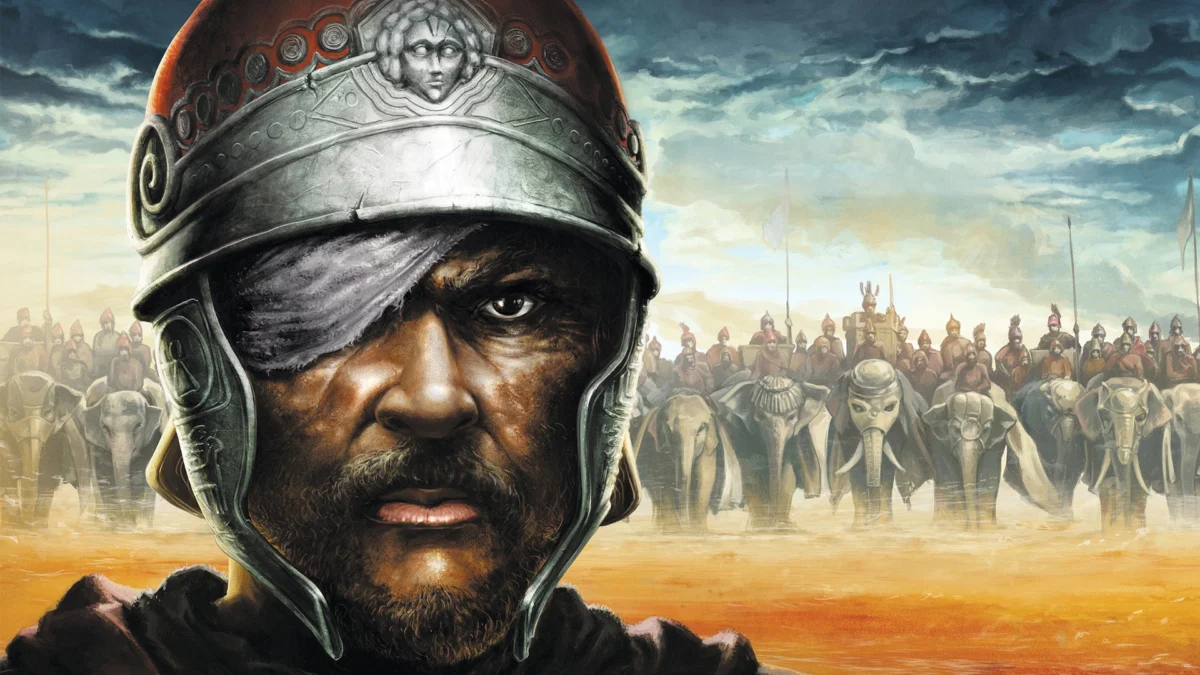
The Punic Wars, a series of epic clashes that defined the ancient world, are once again brought to the tabletop as Phalanx Games launches a new Gamefound campaign for the critically acclaimed strategy titles, Hannibal: Rome vs. Carthage and Hamilcar: Silver Edition. This highly anticipated crowdfunding initiative offers enthusiasts a fresh opportunity to acquire these long out-of-print, card-driven historical wargames, now featuring an exclusive collection of intricately designed metal miniatures that will only be available through this limited-time campaign.
The announcement has sent ripples of excitement through the wargaming community, offering both veteran strategists and new players a chance to delve into the intricate political and military struggles between two of history’s most formidable empires. With a rich legacy of design excellence and a proven track record of engaging gameplay, the return of Hannibal & Hamilcar underscores the enduring appeal of historically themed board games that blend strategic depth with immersive narrative.
Main Facts: A Grand Return to Ancient Warfare
The core of this Gamefound campaign revolves around two distinct yet interconnected historical strategy games: Mark Simonitch’s seminal Hannibal: Rome vs. Carthage (Classic Edition) and Raymond de Maria’s Hamilcar: Silver Edition, which expands upon Simonitch and John Rodriguez’s original Hamilcar: First Punic War. Both titles are renowned for their innovative card-driven mechanics, which allow players to command legions, influence political landscapes, and recreate pivotal moments of the Punic Wars.
Published by Phalanx, a company known for its commitment to high-quality historical board games, this campaign presents the latest editions of these beloved games. What distinguishes this particular re-release is the introduction of a premium set of 26 metal miniatures. These figures, representing the iconic generals and leaders of Rome and Carthage, are finished with a dark wash, enhancing their detail and aesthetic appeal. Crucially, Phalanx has confirmed that these exclusive miniatures will only be obtainable through this Gamefound campaign, making them a unique collector’s item for dedicated fans.
The games themselves are designed for two players, each taking on the mantle of either the Roman Republic or the Carthaginian Empire. Through a series of turns, players utilize asymmetrical decks of strategy cards to deploy units, initiate battles, sway provinces to their allegiance, and trigger historical events that mirror the real-world trajectory of the Punic Wars. Land and naval engagements are resolved using a separate set of battle cards, introducing an additional layer of tactical decision-making where players must carefully balance their military might with their broader political objectives.
The campaign offers flexible pledging options, allowing backers to acquire Hannibal or Hamilcar individually for €45 each, or both games bundled for €80. The exclusive 26-piece metal miniature set, housed in a specially illustrated wooden storage box featuring Hannibal Barca, is priced at €95. For the ultimate experience, a full package encompassing both games and the new miniatures is available for €160. This Gamefound initiative is set to conclude on May 24th, with an estimated delivery date for backers in August of the following year.
Chronology: Tracing the Legacy of Punic Wars on the Tabletop
The Punic Wars, a series of three major conflicts between 264 BC and 146 BC, represent one of the most significant power struggles in ancient history. The first war primarily focused on naval supremacy and control over Sicily, while the second, the most famous, saw the legendary Carthaginian general Hannibal Barca march elephants across the Alps to challenge Rome on its own soil. The third war culminated in the complete destruction of Carthage. These conflicts are fertile ground for strategic games, offering rich narratives of heroism, betrayal, and tactical brilliance.
The Genesis of a Wargaming Classic: Hannibal: Rome vs. Carthage
The journey of these games began in 1996 with the release of Mark Simonitch’s Hannibal: Rome vs. Carthage. Published by Avalon Hill, this game quickly established itself as a landmark in the wargaming genre. Simonitch, already a respected designer, introduced a groundbreaking card-driven system that married strategic card play with operational movement and political control. Unlike traditional wargames that often relied solely on dice rolls and unit statistics, Hannibal forced players to make difficult choices with their limited hand of cards, deciding whether to use them for movement, combat, or political actions. This innovative approach resonated deeply with players, earning it widespread critical acclaim and solidifying its status as a modern classic. The original Hannibal was a recipient of the prestigious BoardGameGeek Golden Geek Award for Best Wargame and Best 2-Player Board Game a decade after its initial release, a testament to its enduring design.
Expanding the Conflict: Hamilcar: First Punic War and the Silver Edition
Following the success of Hannibal, the concept was expanded to cover the First Punic War. In 2007, Mark Simonitch collaborated with John Rodriguez to design Hamilcar: First Punic War. This companion game utilized many of the core mechanics and some components from Hannibal but shifted the focus to the naval dominance that characterized the earlier conflict. It provided a fresh perspective on the Punic Wars, allowing players to explore the complexities of maritime warfare and logistical challenges.
Years later, Raymond de Maria took the reins to develop Hamilcar: Silver Edition. This iteration refined and streamlined the original Hamilcar, building upon the foundations laid by Simonitch and Rodriguez while enhancing the gameplay experience. It integrated the naval aspect more seamlessly, creating a robust standalone experience that complemented the land-focused Hannibal.
The 2018 Combined Re-release and Golden Geek Recognition
A significant milestone for both titles occurred in 2018 when Phalanx undertook a combined re-release of Hannibal & Hamilcar. This collected edition brought both games under one roof, updated with streamlined rulesets, enhanced components, and modern production values. This re-release was met with immense enthusiasm, capturing the attention of both long-time fans and a new generation of wargamers. Its success was further cemented when it was awarded BoardGameGeek’s Best Wargame at the Golden Geeks that same year, proving the timeless quality of Simonitch’s design and Phalanx’s commitment to its revival.
The Current Gamefound Campaign: A New Chapter
The current Gamefound campaign marks another pivotal moment. After the 2018 re-release went out of print, demand for these titles remained high. Phalanx’s decision to launch this new campaign addresses that demand, while also introducing the highly coveted, campaign-exclusive metal miniatures. This strategy not only makes the games accessible once more but also adds a significant premium element for collectors and enthusiasts who desire the ultimate tactile and aesthetic experience. The shift to offering the games as separate boxes, unlike the 2018 combined release, provides players with more flexibility to acquire the specific game they prefer or to build their collection incrementally.
Supporting Data: Delving into Design, Community, and Collectibility
The enduring appeal of Hannibal & Hamilcar is not merely a testament to their historical subject matter but primarily to their exceptional game design. Mark Simonitch’s card-driven system is often cited as a benchmark in the genre, creating a dynamic tension between strategic planning and tactical adaptation.
The Ingenuity of Card-Driven Gameplay
At its heart, the card-driven system is what elevates Hannibal & Hamilcar beyond mere historical simulation. Each turn, players receive a hand of cards, each with multiple potential uses. A card might represent a specific historical event, a political maneuver, or a number of "operations points" that can be spent on moving armies, recruiting new forces, or building fortifications. The genius lies in the tough choices players face: do you play a powerful event card now, knowing it might deprive you of crucial movement points for your army? Or do you save it for a more opportune moment, risking that your opponent might force your hand? This constant evaluation of opportunity cost creates a deeply engaging and replayable experience.
The asymmetrical nature of the card decks further enhances the historical immersion. Rome and Carthage, with their distinct strengths and weaknesses, receive different cards that reflect their historical realities. Rome might have cards representing its vast manpower and political stability, while Carthage’s deck might emphasize its mercantile wealth and reliance on mercenary forces, or the strategic brilliance of a single general like Hannibal. This asymmetry ensures that each side plays differently, requiring unique strategies and adapting to varying challenges.
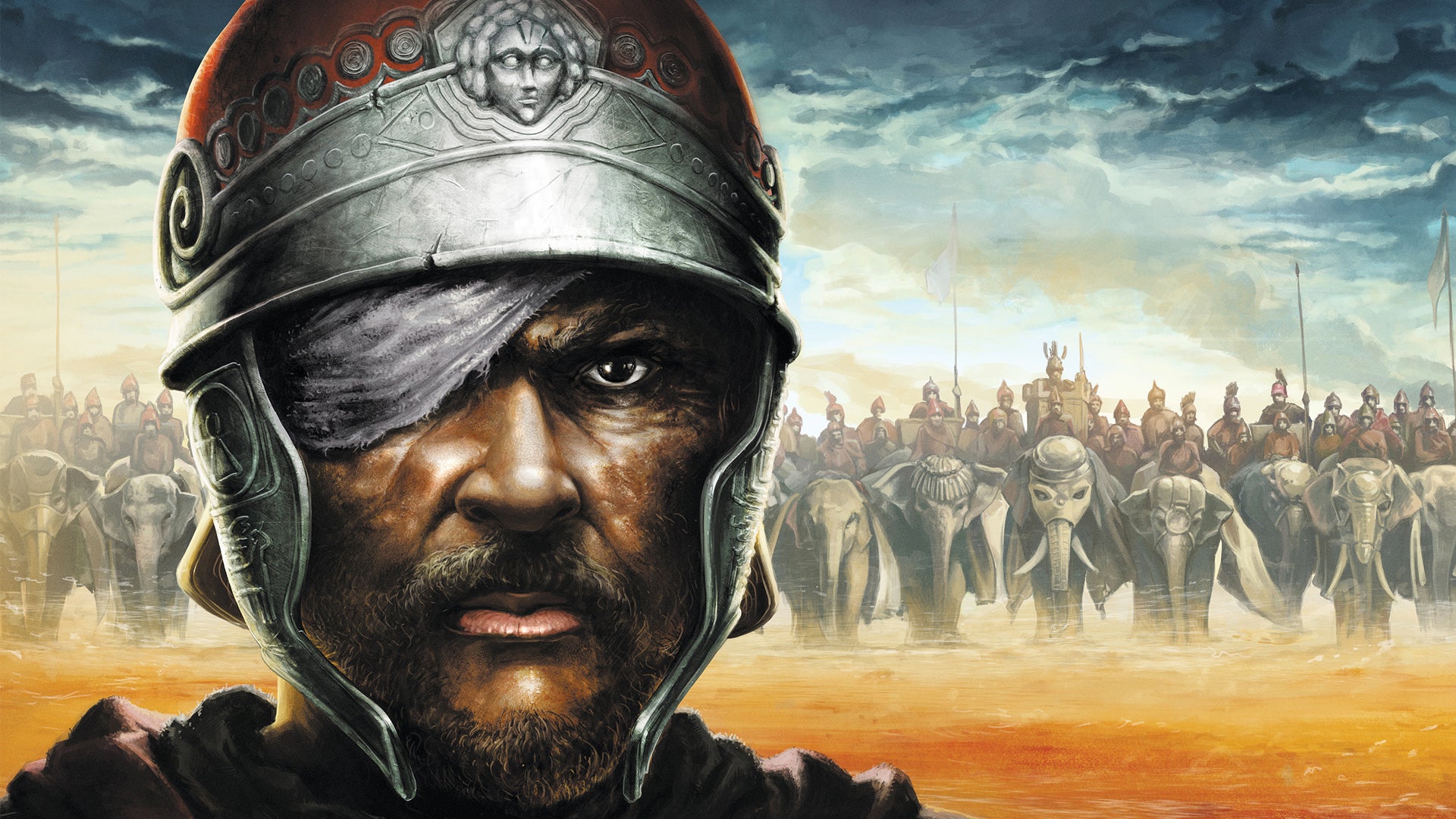
Combat resolution, while still featuring an element of chance, is also card-driven. Players commit battle cards, often representing tactical maneuvers or leader abilities, adding another layer of strategic depth to direct confrontations. This avoids purely deterministic outcomes while still rewarding clever play and resource management.
Critical Acclaim and Community Standing
The BoardGameGeek (BGG) community, a global hub for board game enthusiasts, has consistently lauded Hannibal & Hamilcar. The combined re-release currently holds an impressive user rating of 8.3 out of 10 from over 6,700 reviews. This places it as the 18th highest-rated wargame on the site, a remarkable achievement considering the vast number of titles in this niche. Reviews frequently praise its thematic depth, the elegance of its card-driven mechanics, the tension of its political game, and its capacity to tell a compelling historical story. Players often highlight the difficult decisions, the back-and-forth nature of the conflict, and the feeling of truly commanding an ancient empire.
Phalanx, as a publisher, has cultivated a strong reputation for producing high-quality historical games. Their commitment to component quality, accurate historical representation, and engagement with respected designers like Mark Simonitch has garnered them a loyal following. Their previous successful crowdfunding campaigns demonstrate their ability to deliver on promises and meet community expectations.
The Allure of Exclusive Metal Miniatures
The inclusion of exclusive metal miniatures is a significant draw for this campaign. In an era dominated by plastic components, metal miniatures offer a premium feel, weight, and level of detail that resonates with collectors and discerning gamers. The "dark wash" finish mentioned by Phalanx adds depth and definition to the sculpts, making them stand out on the game board. For many, these miniatures transform functional game pieces into cherished collectible artifacts. The explicit statement that they will only be available through this Gamefound campaign creates a sense of urgency and exclusivity, appealing to those who desire unique, limited-edition components to enhance their gaming experience. This also adds to the long-term value and desirability of the games within the collector’s market.
Crowdfunding’s Role in Revitalizing Classics
Gamefound, as a platform specifically tailored for board games, has become an increasingly vital avenue for publishers to fund ambitious projects and re-release beloved, out-of-print titles. For niche genres like historical wargames, crowdfunding allows publishers to gauge demand accurately and secure funding directly from their target audience, mitigating the risks associated with traditional retail distribution for specialized products. This model enables the revival of games like Hannibal & Hamilcar, ensuring that classic designs remain accessible and continue to reach new generations of players.
Official Responses: Phalanx’s Vision and Designer Intent
While direct quotes for this specific campaign are not provided in the source material, we can infer the publisher’s strategy and the designers’ overarching philosophy based on their past actions and the nature of the re-release.
Phalanx’s Commitment to Historical Excellence
Phalanx’s decision to bring Hannibal & Hamilcar back to the market, especially with premium components like metal miniatures, reflects a clear commitment to their brand identity as a purveyor of high-quality historical board games. Their motivation likely stems from the continued high demand for these specific titles and a desire to serve a dedicated fanbase. By offering the games separately this time, they provide greater flexibility for players who might already own one edition or prefer to focus on a particular Punic War conflict. The exclusivity of the metal miniatures is a calculated move to reward early backers and foster a sense of community around the campaign, offering something truly special that won’t be available through standard retail channels. This approach aligns with Phalanx’s history of engaging with their community and delivering value.
The Enduring Philosophy of Mark Simonitch’s Design
Mark Simonitch’s design philosophy for historical wargames consistently prioritizes historical immersion through elegant mechanics. His games are known for striking a balance between historical accuracy and playability, avoiding excessive complexity while still capturing the strategic nuances of the conflict. The card-driven system in Hannibal is a prime example of this, offering players meaningful choices that reflect the political and military dilemmas faced by commanders in the ancient world. The streamlined "Classic Edition" of Hannibal suggests a continuous effort to refine the player experience, making it more accessible without compromising its strategic depth. Raymond de Maria’s work on Hamilcar: Silver Edition similarly demonstrates a dedication to honing the existing framework, ensuring that the companion game stands strong on its own while complementing the Hannibal experience.
Implications: Reshaping the Wargaming Landscape
The re-release of Hannibal & Hamilcar carries several significant implications for the wargaming community, collectors, and the broader board gaming industry.
Impact on the Wargaming Community
For veterans of the wargaming hobby, this campaign is a cause for celebration. It provides an opportunity to acquire updated versions of cherished classics, potentially with enhanced components, and introduces them to a new generation of players who might have missed the previous print runs. The availability of these titles, which are often considered gateways to more complex historical simulations, can help grow the wargaming segment of the hobby. New players will find well-tested, highly-rated designs that offer a deep and rewarding experience without the overwhelming complexity of some older wargames.
The Collector’s Market and Component Premiumization
The exclusive metal miniatures are a crucial element that speaks directly to the collector’s market. In an industry increasingly focused on deluxe editions and premium components, these miniatures elevate the Hannibal & Hamilcar experience. Their limited availability ensures they will be highly sought after, potentially increasing their value on the secondary market over time. This trend of offering exclusive, high-quality components through crowdfunding is likely to continue, pushing the boundaries of what players expect from their board game purchases. It caters to a segment of the market that views board games not just as entertainment but also as works of art and collectible items.
Longevity of Classic Designs and the "Evergreen" Game
The success of this campaign further underscores the concept of "evergreen" board games – titles whose design brilliance ensures their relevance and appeal for decades. Hannibal: Rome vs. Carthage is undeniably an evergreen title, and its continued re-releases highlight that truly great game design transcends time. This sends a positive message to both designers and publishers: investing in robust, well-tested mechanics and strong thematic integration can lead to enduring success, even in a rapidly evolving industry. It also suggests a growing appreciation within the community for the classics alongside the constant influx of new releases.
Economic Implications and Crowdfunding as a Business Model
For Phalanx, the Gamefound campaign represents a sound business strategy. By directly engaging with their audience, they can effectively gauge demand, manage production quantities, and secure upfront capital. This model minimizes financial risk compared to traditional publishing, especially for niche products. The tiered pricing structure, offering individual games, a bundle, and premium add-ons, maximizes revenue potential while catering to different budget levels and preferences. The projected delivery date of August next year indicates a well-planned production and logistics schedule, crucial for maintaining backer trust in crowdfunding.
Accessibility and Preservation of Gaming History
Finally, making out-of-print games available again through crowdfunding plays a vital role in the preservation and accessibility of board gaming history. It ensures that seminal designs remain playable and celebrated, rather than becoming obscure relics. By continually re-introducing these classics, publishers like Phalanx contribute to a richer, more diverse gaming landscape, where the wisdom of past designs can inform and inspire future creations.
As the Gamefound campaign for Hannibal & Hamilcar draws towards its conclusion on May 24th, it stands as a testament to the enduring power of historical narrative, the brilliance of classic game design, and the vibrant community that continues to support the art of tabletop strategy. For those eager to command the legions of Rome or the elephants of Carthage, this is an opportunity not to be missed.