The New Impressionism: Jacob Holster and the Evolution of Painterly AI Aesthetics
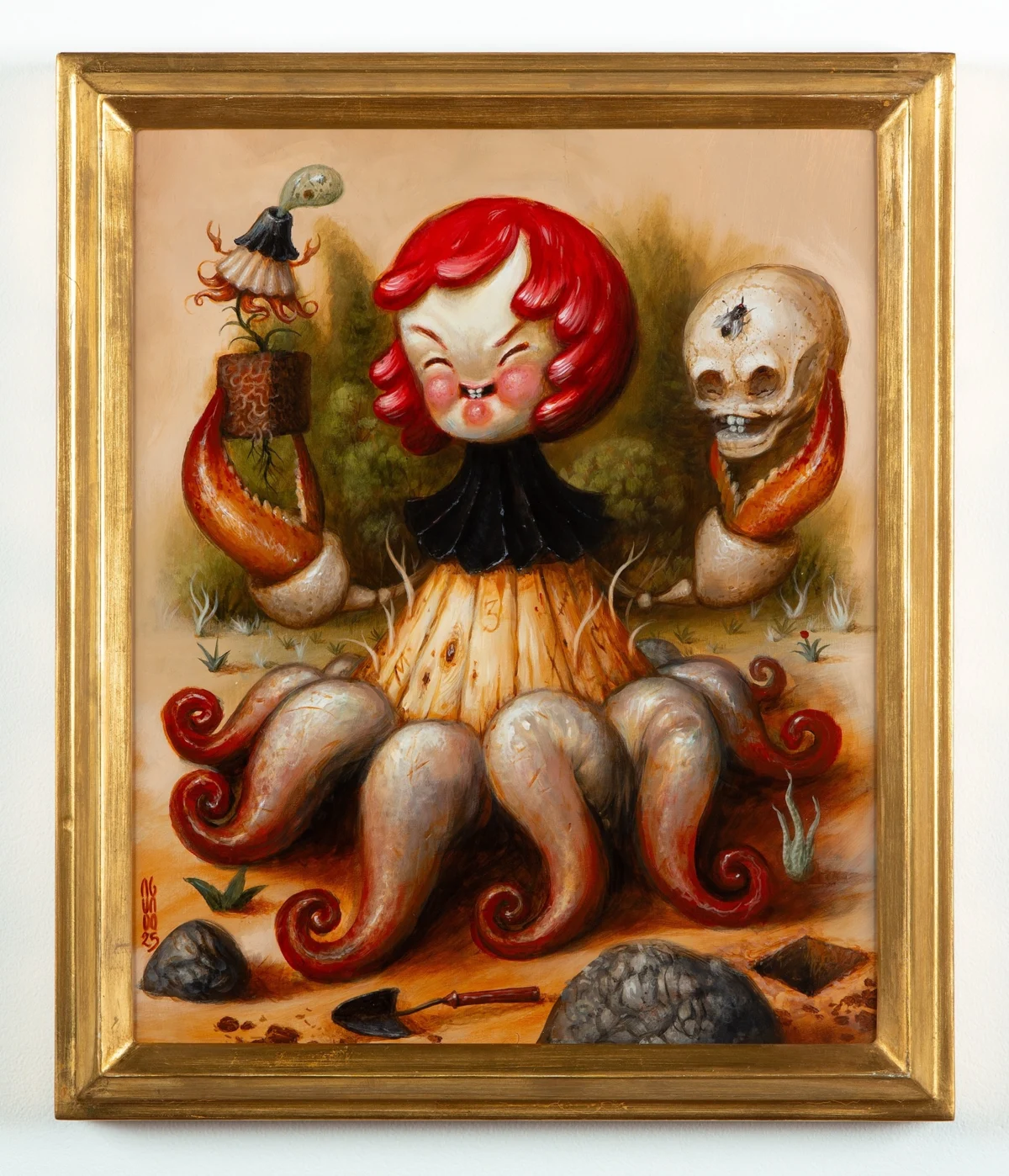
In the rapidly evolving landscape of generative media, where the prevailing trend leans toward hyper-realistic renders, clinical precision, and the often-unsettling "uncanny valley," a new movement is beginning to take root. This movement prioritizes the "human touch"—the deliberate inclusion of imperfection, texture, and warmth. At the forefront of this aesthetic shift is Jacob Holster, known to the digital art community as @bandyquantguy.
Holster, an Assistant Teaching Professor of Music Education at Penn State University, occupies a unique intersection of academic rigor and avant-garde creative practice. His work represents a departure from the "glossy" digital imagery that has come to define early AI art, opting instead for a painterly, tactile aesthetic that challenges our perceptions of what machine-assisted creativity can achieve.
Main Facts: Bridging the Gap Between Algorithm and Canvas
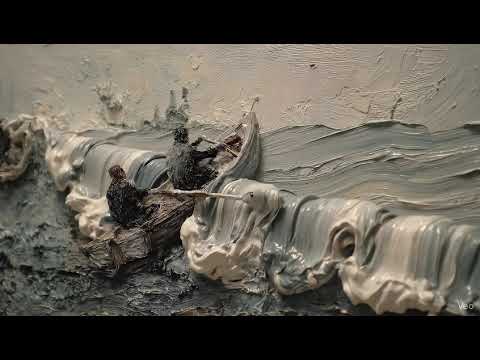
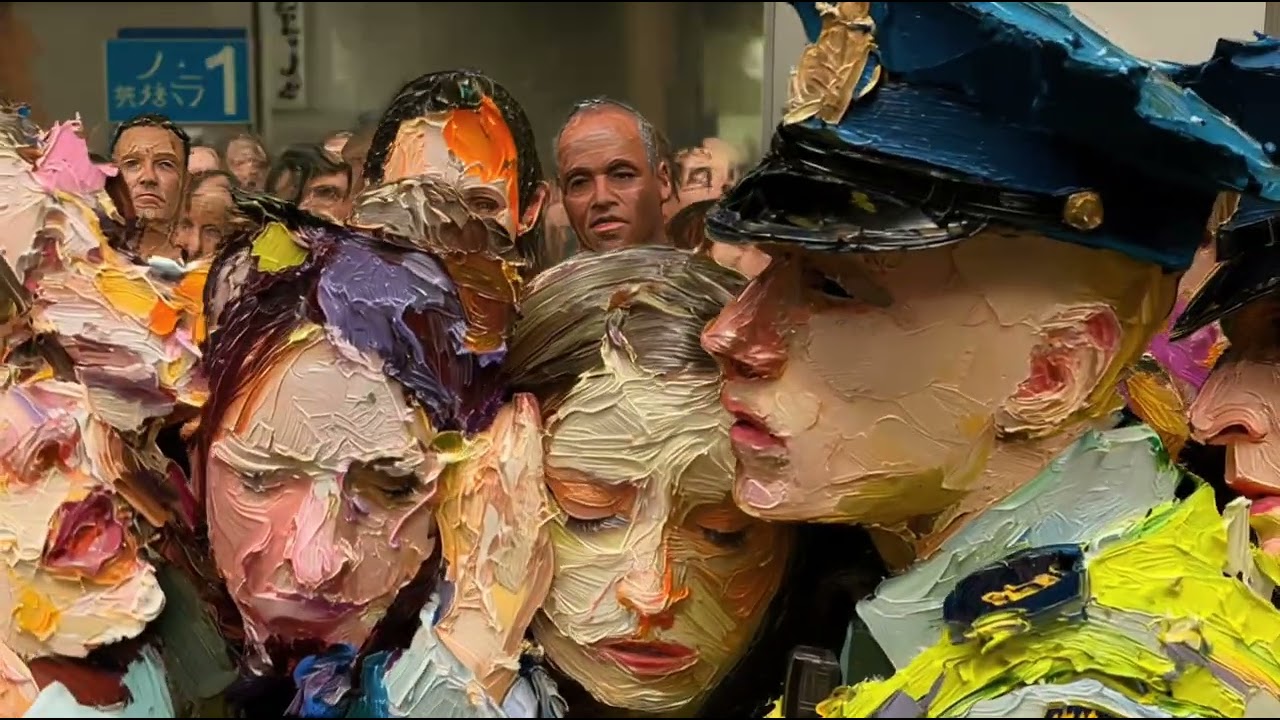
The core of Jacob Holster’s artistic output lies in his ability to subvert the standard output of generative models. While many users of tools like Midjourney, Stable Diffusion, or Sora strive for photographic realism, Holster’s work—specifically his "Paint World" series—evokes the heavy impasto and visible brushwork of traditional oil painting.

A Distinctive Artistic Voice
Holster’s work is characterized by several defining features:
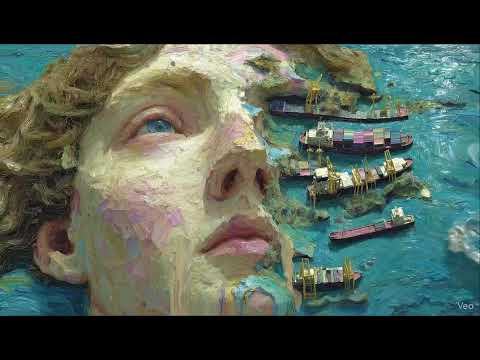
- Tactile Textures: His AI-generated films, such as Le Voyage and Recipe for Consciousness, do not look like pixels; they look like pigment. There is a perceived "weight" to the colors and a grit to the surfaces that mimic physical media.
- Humanistic Narrative: Rather than focusing on the spectacle of technology, Holster uses AI to explore conceptual depths, such as the nature of consciousness and the intersection of human terrain and digital artifice.
- The Academic Lens: As a professor at Penn State, Holster does not view AI as a mere toy. His research examines how these tools converge with pedagogy (the method of teaching) and music education, suggesting that the "symphony" of an AI prompt is not unlike the composition of a musical score.
Key Works and Platforms
Operating primarily through Instagram and YouTube, Holster has released a series of influential AI short films. Notable titles include:
- Art Is Human Terrain [Paint World 33]
- Le Voyage [Paint World 28]
- Recipe for Consciousness [Paint World 38]
- Wait for the Blue Boat [Paint World 18]
These works serve as a portfolio for a new philosophy of AI art: one where the machine is an apprentice to the artist’s specific, textured vision, rather than a black box that dictates the final style.
Chronology: From Quantitative Inquiry to Qualitative Art
To understand the rise of @bandyquantguy, one must look at the trajectory of AI art itself and how Holster’s background in music and education informed his visual evolution.
The Early Phase: The Rise of Generative Precision (2021–2022)
The initial wave of popular AI art was characterized by its ability to mimic high-definition photography and digital concept art. During this period, the "wow factor" was based on how closely an algorithm could replicate reality. However, for scholars like Holster, this phase was merely the technical foundation. His handle, "bandyquantguy," hints at a background in quantitative analysis—the "quant" side of music and education—which likely provided the technical literacy needed to navigate complex AI parameters.
The Middle Phase: The Synthesis of Sound and Sight (2023)
As an Assistant Teaching Professor of Music Education, Holster began integrating his pedagogical research with creative experimentation. Music education requires an understanding of rhythm, flow, and harmony—elements that are deeply embedded in the temporal nature of video. Holster began applying these musical principles to AI video generation, moving away from static images toward moving "paintings."
The Current Phase: The "Paint World" Series (2024–Present)
In the last year, Holster’s style has solidified into what critics are calling "Painterly AI." The release of Art Is Human Terrain marked a turning point. In this work, Holster moved beyond the experimental phase and into a cohesive aesthetic manifesto. He began utilizing AI not to create a "fake" reality, but to create a "heightened" one—a world where the boundaries between a digital frame and a physical canvas are blurred.
Supporting Data: The Technical and Psychological Appeal of Painterly AI
Why does Holster’s work resonate in a market saturated with AI content? The answer lies in the psychological and technical shifts occurring within the art world.
The "Clinical Fatigue" Phenomenon
Data from digital art forums and social media trends suggest a growing "fatigue" regarding hyper-realistic AI. When every image is perfectly lit and every texture is smoothed to perfection, the human eye begins to crave "noise." Holster’s work provides this noise through:
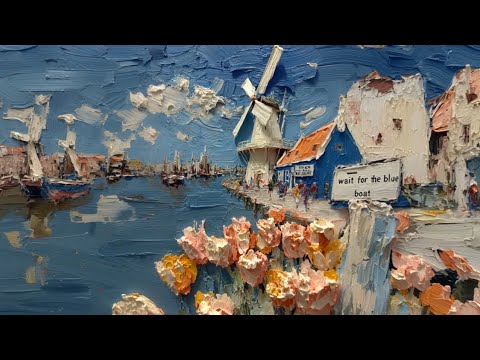
- Chromatic Depth: Using color palettes that feel aged and organic.
- Kinetic Brushstrokes: In his videos, the "paint" seems to move and flow, a technical feat achieved by manipulating the temporal consistency of AI video models to mimic the physical application of oil on canvas.
Pedagogy and AI Adoption
As a researcher at Penn State, Holster’s work is supported by the broader academic inquiry into AI. According to recent educational surveys, the integration of generative AI in creative arts programs has increased by over 40% in the last two years. However, the challenge remains how to teach students to maintain their "artistic soul" while using these tools. Holster’s work serves as a primary case study for "Human-in-the-loop" (HITL) creative processes, where the human’s aesthetic choices remain the dominant force over the machine’s output.
Official Context: The Academic Framework at Penn State
Jacob Holster’s role at Penn State University provides a level of institutional credibility that is often lacking in the world of social media art. As an Assistant Teaching Professor, his focus on the convergence of artificial intelligence and pedagogy is timely.
Research and Creative Practice
The University’s support of such interdisciplinary work reflects a broader trend in higher education to treat AI as a foundational shift in literacy. Holster’s research asks critical questions:
- How does AI change the way we teach creativity?
- Can a machine understand the "human terrain" of emotion and memory?
- What is the role of the "quant" (quantitative) in a field that is traditionally "qualitative" (art)?
By answering these questions through both academic papers and visual art, Holster bridges the gap between the laboratory and the gallery. His work suggests that the future of music and visual education will be intrinsically linked to how we "conduct" AI models.
Implications: The Future of Generative Media and Humanism
The work of @bandyquantguy carries significant implications for the future of the creative industries. As AI tools become more accessible, the value of an artist will shift from "the ability to execute" to "the ability to curate and conceptualize."
1. The Reclamation of the "Human Terrain"
Holster’s film Art Is Human Terrain suggests that art is not about the final product, but about the "terrain" of the human experience—the memories, the flaws, and the specific textures of our lives. If AI can be used to map this terrain rather than replace it, the technology becomes a tool for deeper self-expression.
2. A New Genre of Ambient Art
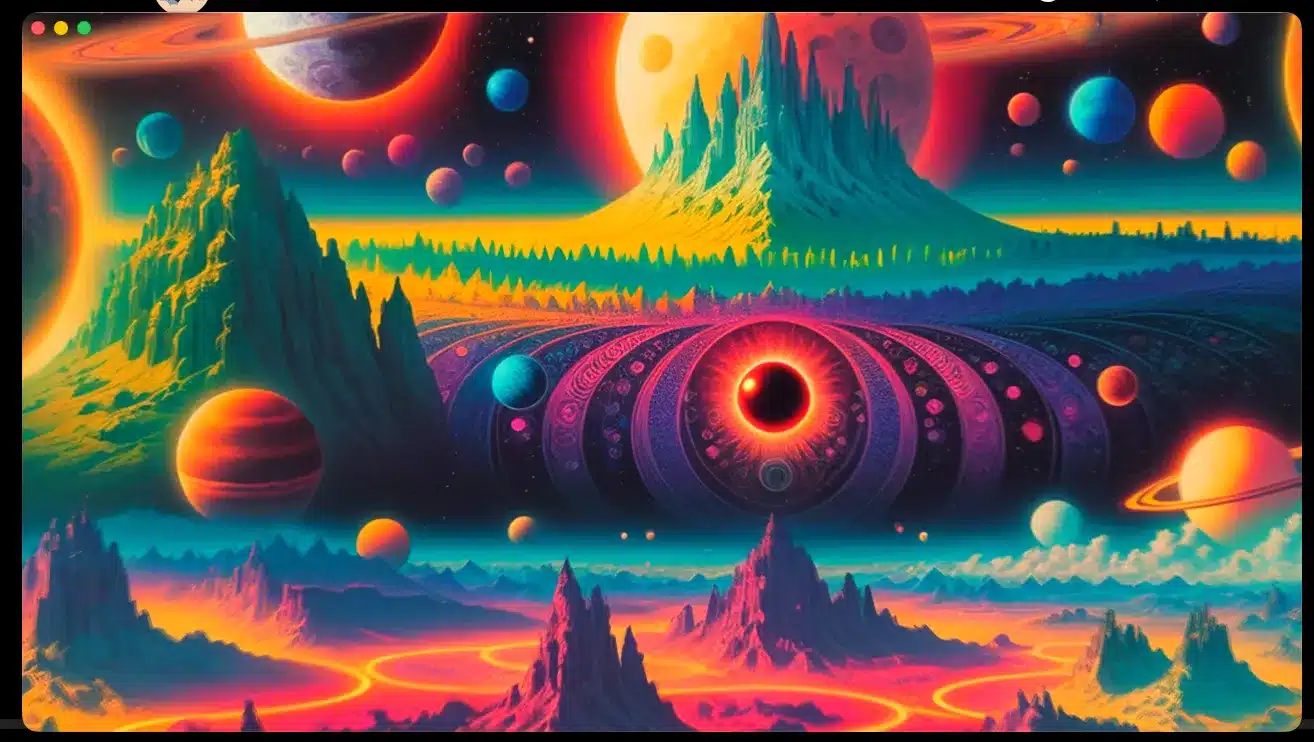
We are seeing the rise of "Ambient AI Painting"—art that is meant to be lived with, much like a traditional painting. Related projects like Infinidream.ai (which turns idle screens into living paintings) suggest a market for the kind of slow, textured, and evolving art that Holster creates. Unlike high-octane digital animations, Holster’s "Paint World" encourages contemplation.
3. Ethical and Aesthetic Standards
Holster’s approach offers a potential path forward in the ethical debate surrounding AI art. By focusing on a highly stylized, painterly aesthetic that is clearly a "digital interpretation" of traditional art, he avoids the pitfalls of "deepfake" realism. His work celebrates the artifice of the medium, making it clear that this is a collaboration between a human mind and a neural network.
4. Impact on Music and Visual Pedagogy
As Holster continues his work at Penn State, his influence on the next generation of educators will be profound. He is demonstrating that a "quantitative guy"—someone who understands the data and the math—can also be a "painterly guy." This synthesis of STEM and the Arts (STEAM) is the likely blueprint for the future of creative professional development.

Conclusion: The Machine as a Brush
Jacob Holster (@bandyquantguy) has successfully carved out a niche that is both intellectually stimulating and visually arresting. In a world of "gloss," he has chosen "grit." By leveraging his academic background in music education and quantitative research, he has brought a level of sophistication to AI art that transcends simple prompt engineering.
His "Paint World" series is a reminder that technology does not have to be cold, clinical, or robotic. In the hands of an artist who understands the "human terrain," the algorithm can become as expressive as a brush, and the screen can become as warm as a canvas. As we look toward the future of generative media, Holster’s work stands as a testament to the enduring power of the human aesthetic in an increasingly digital world.