The Versatile Shadow: Unearthing Sid Haig’s Legacy in the Forgotten Western Series ‘The Iron Horse’
Introduction: The Journeyman Behind the Mask
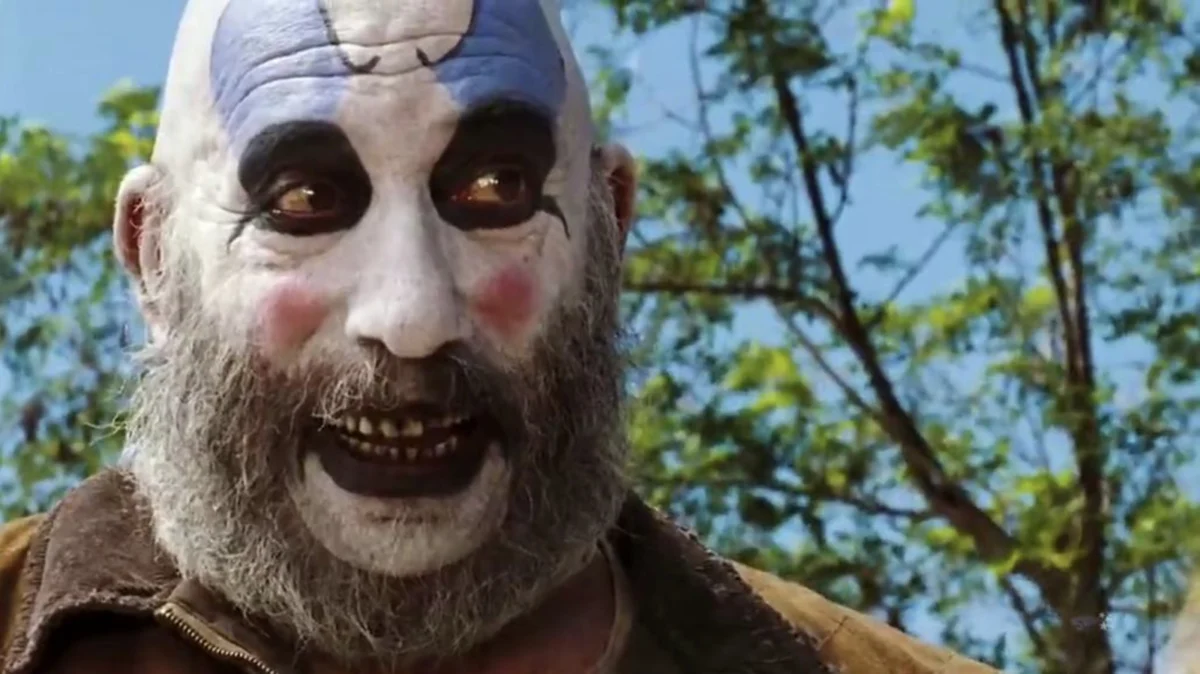
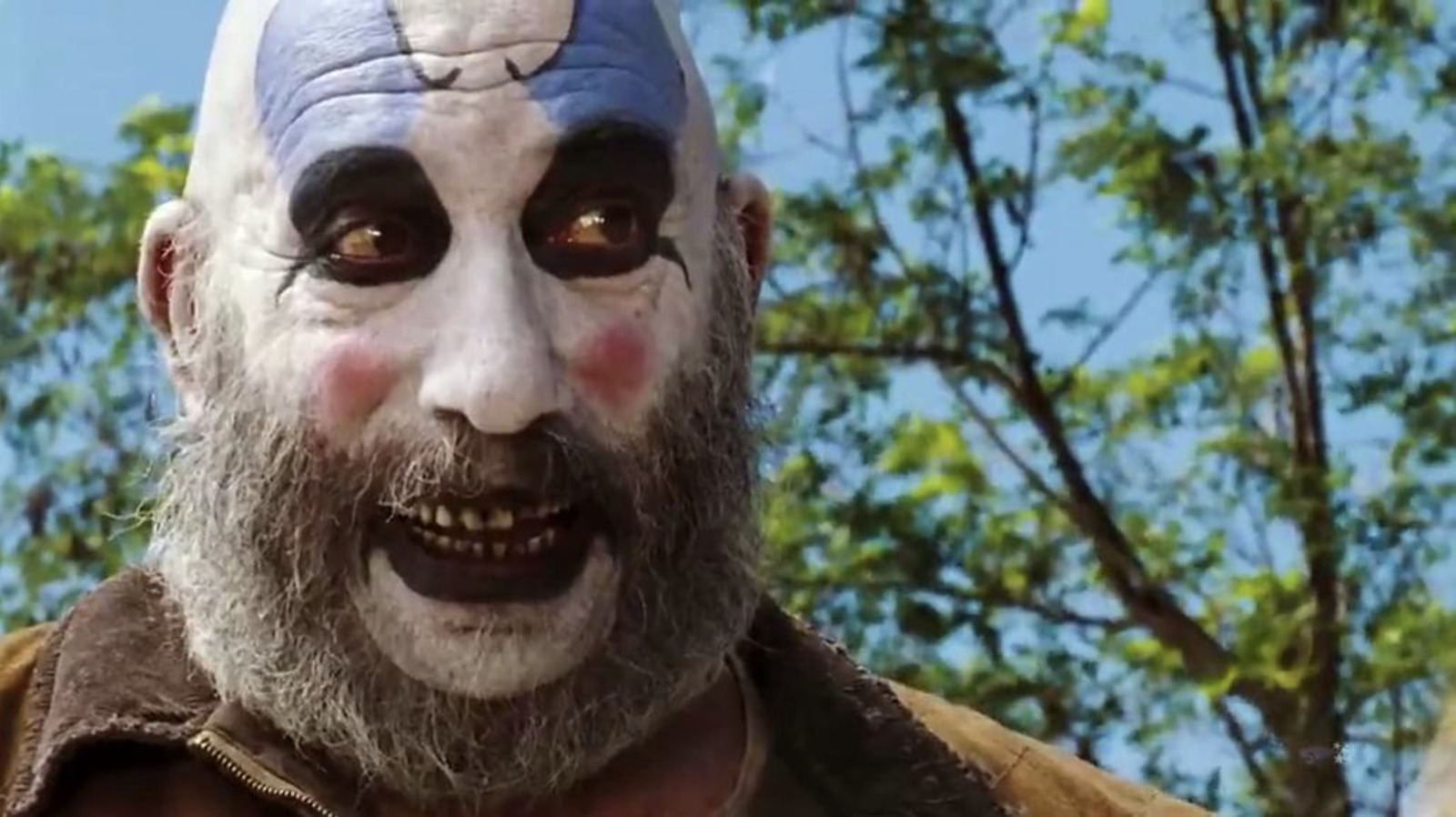
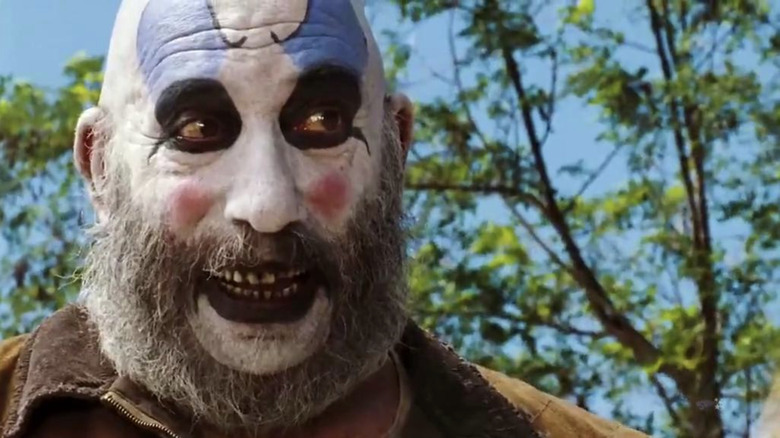
For contemporary audiences, the name Sid Haig is inextricably linked to the macabre. As Captain Spaulding, the grease-painted, profanity-spewing patriarch of the Firefly clan in Rob Zombie’s House of 1000 Corpses and The Devil’s Rejects, Haig cemented his status as a modern horror icon. His towering frame, grizzled visage, and a gaze that could oscillate between comedic and predatory made him the perfect vessel for the "theatricality of the extreme" that defines the horror genre.
However, to view Haig solely through the lens of a horror legend is to overlook a prolific, four-decade career as one of Hollywood’s most reliable "heavies." Long before he donned the clown suit, Haig was a staple of the American television landscape, navigating a variety of genres from science fiction to the gritty realism of the Western. One of the most fascinating chapters of this era is his involvement in The Iron Horse, a now-obscure Western series that aired on ABC in the late 1960s. Haig’s presence in the series—appearing twice as two distinct characters—serves as a masterclass in the life of a character actor during the Golden Age of television guest stars.
Main Facts: The Premise of ‘The Iron Horse’ and Haig’s Dual Roles
The Iron Horse premiered on September 12, 1966, and ran until January 6, 1968. Produced by Screen Gems for ABC, the series starred Dale Robertson as Ben Calhoun, a high-stakes gambler who wins a partially completed railroad line, the Buffalo Pass, Scalp Level & Missouri RR, in a poker game. The narrative thrust of the show centered on Calhoun’s relentless drive to complete the railroad while battling financial ruin, environmental hazards, and a rotating gallery of outlaws and corporate saboteurs.
While the show enjoyed moderate success during its two-season run, it has largely faded from the collective cultural consciousness, eclipsed by titans of the genre like Gunsmoke or Bonanza. Yet, for film historians and Haig enthusiasts, the series remains a vital artifact.
Sid Haig appeared in two pivotal episodes:
- Season 1, Episode 26: "Town Full of Fear" (1967): Haig played a character named Vega. In this early role, Haig utilized his imposing physical presence to embody the threat that the encroaching railroad posed to isolated frontier communities.
- Season 2, Episode 10: "The Return of Hode Avery" (1967): Returning to the set just months later, Haig took on the role of Rias. This "repeat casting" was a common practice in the 1960s, but it required an actor of Haig’s caliber to ensure the audience did not feel a sense of déjà vu. Haig’s ability to differentiate his characters through subtle shifts in temperament and physicality made him a favorite for casting directors.
Chronology: From the Jazz Stage to the Frontier
To understand how Haig ended up as a Western antagonist, one must look at the trajectory of his early career. Born Sidney Eddie Feldman in 1939, Haig did not initially set out to be an actor; he was a gifted musician, specifically a drummer, who found early success in the recording industry. However, his natural charisma led him to the Pasadena Playhouse, where he honed the skills that would eventually make him a fixture in Hollywood.
The 1960s: The Rise of the "Heavy"
By the mid-1960s, Haig had become the go-to actor for roles requiring a "heavy." In Hollywood parlance, a heavy is the antagonist—the muscle, the bandit, or the henchman. Haig’s casting in The Iron Horse in 1966 and 1967 coincided with a period of intense productivity.
The 1970s and 80s: Genre Hopping
Following his stints in Westerns, Haig transitioned seamlessly into the "Blaxploitation" era, frequently collaborating with director Jack Hill in films like The Big Doll House and Coffy. Simultaneously, he maintained a steady presence on television, appearing in everything from Star Trek: The Original Series to The Mary Tyler Moore Show.
The 2000s: The Horror Renaissance
After a brief retirement in the 1990s—reportedly due to frustration with being typecast in repetitive, low-quality roles—Haig was "rediscovered" by Rob Zombie. This led to his 2003 debut as Captain Spaulding, a role that re-contextualized his entire body of work for a new generation.
Supporting Data: The Phenomenon of the "Repeat Guest Star"
Sid Haig’s dual appearance in The Iron Horse was not an anomaly; it was a hallmark of his career. During the 1960s and 70s, television production operated on a model that favored a "stable" of reliable character actors. If an actor was professional, hit their marks, and resonated with the audience, they were frequently invited back to play entirely different characters within the same series.
Haig’s record for repeat appearances is staggering and provides a snapshot of the most iconic shows of the era:
- Mission: Impossible: Haig appeared in nine episodes over five seasons, playing eight different roles. This remains one of the most prolific guest-starring records in the history of the franchise.
- Gunsmoke: He appeared in four episodes as four different characters.
- Fantasy Island: He took on four different roles across four episodes.
- The Fall Guy: Four appearances as four distinct antagonists.
- Alias Smith and Jones: Three different roles.
- MacGyver, Buck Rogers in the 25th Century, and Police Story: Two appearances each as different characters.
This data underscores Haig’s versatility. He was not merely playing "himself"; he was a chameleon who could adapt to the specific tonal requirements of a spy thriller, a high-concept sci-fi, or a gritty Western.
Official Responses and Critical Reception
While The Iron Horse was not a critical darling on the level of The Twilight Zone, it was respected for its production values and its cast. At the time of its airing, the series was noted for its "risqué" portrayal of Ben Calhoun as a ladies’ man, a departure from the more stoic, puritanical Western heroes of the 1950s.
The Ellen Burstyn Connection
Interestingly, The Iron Horse also served as a springboard for other major talents. A young Ellen Burstyn (credited at the time as Ellen McRae) played Julie Parsons, Calhoun’s recurring romantic interest. Critics of the era noted the chemistry between Robertson and Burstyn, which added a layer of sophisticated drama to the standard "outlaw of the week" procedural format.
Industry Recognition of Haig
While guest stars rarely received formal awards in the 1960s, the industry’s "official response" to Haig was his constant employment. Directors like Jack Hill and later Quentin Tarantino (who cast him in Jackie Brown) have gone on record praising Haig’s "unmistakable presence." Tarantino famously remarked that Haig had a "very specific kind of energy" that could fill a room even without dialogue.
Implications: The Immortality of the Forgotten
The existence of Sid Haig’s work in The Iron Horse—and its current availability on streaming platforms like Tubi—carries several significant implications for the modern media landscape.
1. The Digital Afterlife of "Lost" Media
For decades, shows like The Iron Horse existed only in the memories of those who saw them live or in grainy syndication tapes. The advent of "FAST" (Free Ad-supported Streaming Television) channels has allowed for a digital excavation of these works. This provides fans with a more holistic view of an actor’s career, proving that icons like Haig did not emerge fully formed in the 2000s but were forged in the fires of the 1960s studio system.
2. The Evolution of the "Heavy"
Haig’s roles as Vega and Rias represent an era where the "villain" was often a monolithic force of nature. Examining these roles alongside Captain Spaulding shows the evolution of the American antagonist—from the external threat of the Western bandit to the internal, psychological horror of the modern slasher.
3. The Value of the Character Actor
In an age of "A-list" celebrity obsession, Haig’s career is a reminder of the foundational importance of the character actor. Without the "Vegas" and "Rias" of the world, the "Ben Calhouns" would have no one to fight, and the stakes of the story would vanish. Haig’s ability to treat a guest spot on a forgotten Western with the same intensity as a lead role in a cult film is why his legacy continues to endure.
Conclusion
Sid Haig may have passed away in 2019, but his filmography remains a sprawling, untamed frontier waiting to be explored. The Iron Horse stands as a testament to a time when television was the ultimate training ground for legends. By revisiting these forgotten episodes, we do more than just watch an old show; we witness the building blocks of a horror master, proving that before Sid Haig was a king of the macabre, he was a titan of the trail.