The Return of the Provocateur: Gregg Araki’s ‘I Want Your Sex’ and the Reclaiming of Adult Cinema
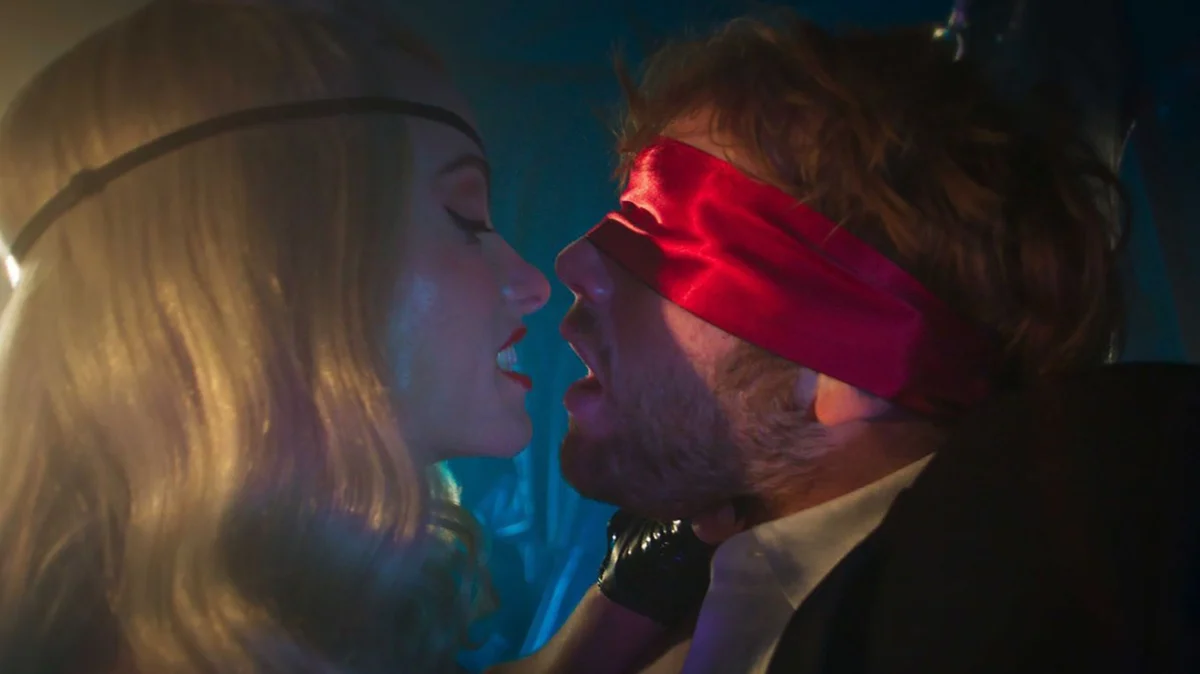
In 1987, George Michael released a track that would become a flashpoint for cultural censorship and sexual liberation: "I Want Your Sex." Decades later, New Queer Cinema pioneer Gregg Araki has adopted that same title for his first feature film in over ten years—a work that serves as both a neon-soaked homage to the past and a blistering interrogation of Gen Z’s relationship with intimacy. Released in 2026, I Want Your Sex has arrived not merely as a movie, but as a deliberate provocation, aiming to unsettle audiences across the generational divide while exploring the complexities of desire in an era of unprecedented digital surveillance.
Main Facts: A Bold Return to Form
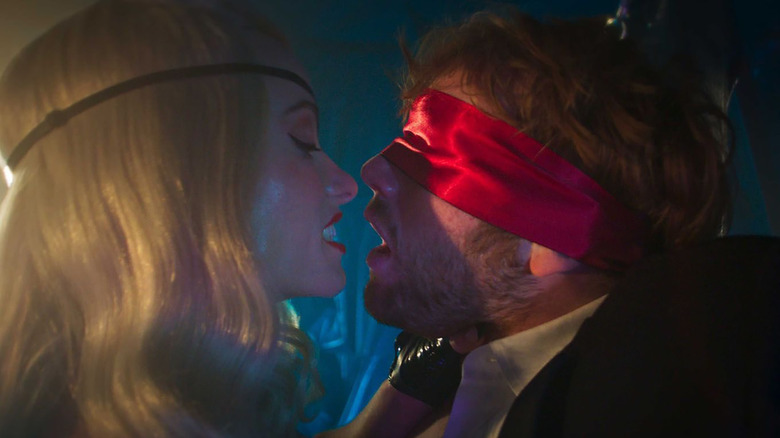
Gregg Araki, the director who defined a generation of alienated youth with his "Teen Apocalypse Trilogy," has spent much of the 2020s in a state of relative cinematic silence. With I Want Your Sex, distributed by Magnolia Pictures, Araki returns to the big screen with a script co-written by Karley Sciortino (his collaborator on the cult-favorite series Now Apocalypse). The film stars Olivia Wilde as Erika Tracy, a world-renowned and ruthlessly pretentious provocateur artist, and Cooper Hoffman as Elliot, her naive, submissive, and significantly younger assistant.
The film is a stylistic hybrid that critics have described as "Sunset Boulevard meets Secretary by way of Tex Avery cartoons." Set against the backdrop of a post-#MeToo landscape, it centers on the "mouthwateringly toxic" and unethical relationship between Erika and Elliot. However, rather than functioning as a moralizing cautionary tale, the film leans into the "campy, horny" energy that has long been Araki’s trademark. The supporting cast includes a diverse array of talent, from Chase Sui Wonders and Mason Gooding to a hilariously jarring cameo by Charli XCX and a detective duo played by Margaret Cho and Johnny Knoxville.
Chronology: The Evolution of an Unethical Romance
The narrative structure of I Want Your Sex is framed through a series of interrogations. We meet Elliot as he is being questioned by Detectives (Cho and Knoxville) regarding his relationship with Erika Tracy. This framing device allows the film to jump back in time, tracing the trajectory of their "sex-hell" from its inception.
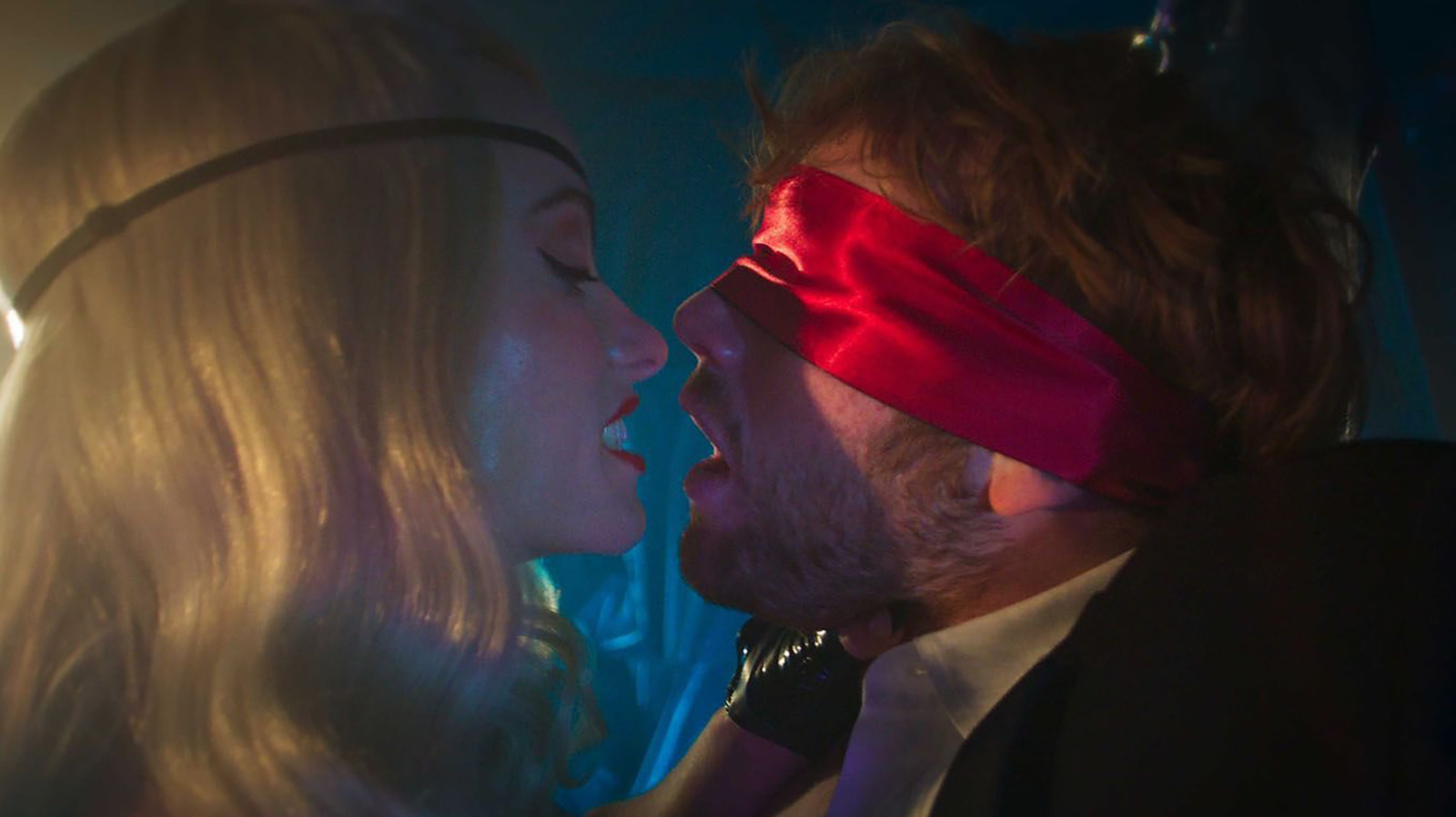
- The Meeting: Elliot, a quintessential Gen Z soul searching for purpose in a world of Discord servers and digital ennui, lands a job as an assistant to Erika Tracy. Erika is a "Baby Boomer" icon of sexual liberation who has built an empire on the commodification of her own desires.
- The Descent: The relationship quickly moves past professional boundaries. Erika begins to "mentor" Elliot in the art of submission, pushing him into a world of kinky, coercive, and often destabilizing intimacy.
- The Conflict: As Elliot becomes more entangled in Erika’s world, he faces an internal crisis. Raised in a culture that prioritizes being "safe" and avoiding the "problematic," he finds himself addicted to a relationship that is objectively "cringe" and ethically compromised.
- The Interrogation: The film constantly returns to the present, where Elliot tries to explain to the detectives—and himself—why the power imbalance in the relationship actually heightened the attraction.
- The Resolution: The climax of the film doesn’t offer a clean moral victory. Instead, it suggests that Elliot’s "mistakes" with Erika have forced him to experience more reality than a thousand hours of online discourse ever could.
Supporting Data: Sex, Surveillance, and the "Sex Recession"
Araki’s film arrives at a critical juncture in sociological history. Data from the mid-2020s continues to suggest that Gen Z is experiencing what researchers call a "sex recession." According to several studies, including those highlighted by Vice and other major outlets, younger generations are having significantly less physical sex than Gen X or Millennials did at the same age.
This trend is often attributed to several factors that Araki weaves directly into the film’s subtext:
- The Surveillance State: With the constant threat of being recorded or "canceled" for a private mistake, the film argues that Gen Z has become paralyzed by the fear of being seen as "problematic."
- Digital Displacement: The rise of parasocial relationships and digital intimacy has, for many, replaced the messy, "destabilizing" reality of physical touch.
- The Sanitization of Media: There has been a documented "puritanical" shift in modern cinema, with audiences increasingly complaining about sex scenes in movies. Araki’s film serves as a direct rebuttal to this trend, asserting that sex scenes are not just "filler" but essential tools for character exploration.
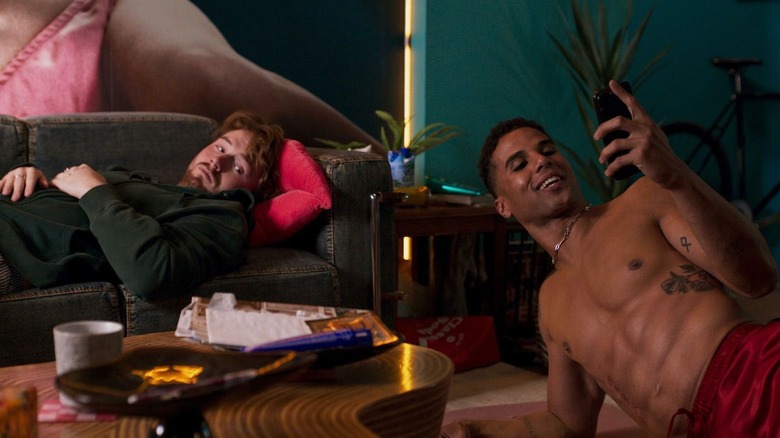
In I Want Your Sex, Araki contrasts Elliot’s hesitation with the character of Zap (Mason Gooding), who represents a more liberated, though perhaps equally chaotic, approach to modern hookup culture. Meanwhile, the character of Apple (Chase Sui Wonders) embodies the repressed confusion of a generation that has all the vocabulary for identity but struggles with the actual realization of it.
Official Responses: Critics and Creators Weigh In
The reaction to I Want Your Sex has been predictably polarized, which Araki suggests was the goal from the outset.
The Director’s Vision:
Gregg Araki has stated in interviews that he intended the film to be a "sermon cloaked in a leather harness." He acknowledges his own position as an "elder statesman" of the queer underground, but insists that his empathy lies with the youth. "None of us feel truly seen despite being constantly observed," Araki noted during the film’s press junket. "I wanted to show that there is liberation in hedonism, even when it’s messy."
Critical Reception:
Film critics have hailed Olivia Wilde’s performance as Erika Tracy as a "career-best." Following the mixed reception of her directorial effort Don’t Worry Darling and her subsequent comeback in The Invite, Wilde has embraced a role that leans into her public persona as a powerful, often misunderstood figure. SlashFilm noted that "Erika Tracy is a role built in a lab for her to dominate," praising her ability to balance the character’s artistic pretension with genuine trauma.
The "Positive Representation" Debate:
Predictably, the film has faced pushback from some circles for its depiction of an unethical BDSM relationship. However, proponents of the film argue that it follows in the footsteps of movies like Pillion, refusing to provide a "guidebook" for healthy behavior. Instead, it offers a raw exploration of how physical intimacy can be a "great avenue for humans to learn more about themselves and tear down the barriers they’ve built up."
Implications: A Necessary Conversation for the Present
The release of I Want Your Sex marks a potential turning point for adult-oriented comedy and drama in the 2020s. By directly addressing the "generational wars" regarding sexuality, Araki is attempting to bridge a gap that has grown wider in the age of social media.
Ending the Generational Wars:
The film suggests that both generations have something to learn. While the older generation (represented by Erika) may use sex as a balm for trauma, the younger generation (represented by Elliot) risks losing their humanity to a fear of social discomfort. The inclusion of James Duval in a cameo—the face of Araki’s 90s protagonists—serves as a bridge, linking the alienated youth of the past with the "cringe-fearing" youth of today.
The Future of the "Adult" Film:
In an industry dominated by sanitized blockbusters, I Want Your Sex is a loud, neon-colored demand for the return of the erotic thriller and the transgressive comedy. It posits that the "apocalypse" Araki has been warning us about for thirty years isn’t a nuclear blast, but a world where we are too afraid to touch one another.
Ultimately, I Want Your Sex is a hopeful proclamation. It argues that failure is life’s greatest teacher and that the best way to combat a world that is always watching is to become, in Araki’s words, "completely and utterly shameless." As the film rolls out in theaters across the country, it remains to be seen if audiences will embrace its "carnal conflict" or shrink back from its provocative gaze. But for Araki, the conversation itself is the victory. As the George Michael lyrics suggest: "Sex is natural, sex is good. Not everybody does it, but everybody should."