The Unfinished Ledger: Exploring the Iconic Iron Man Villains Missing from the MCU
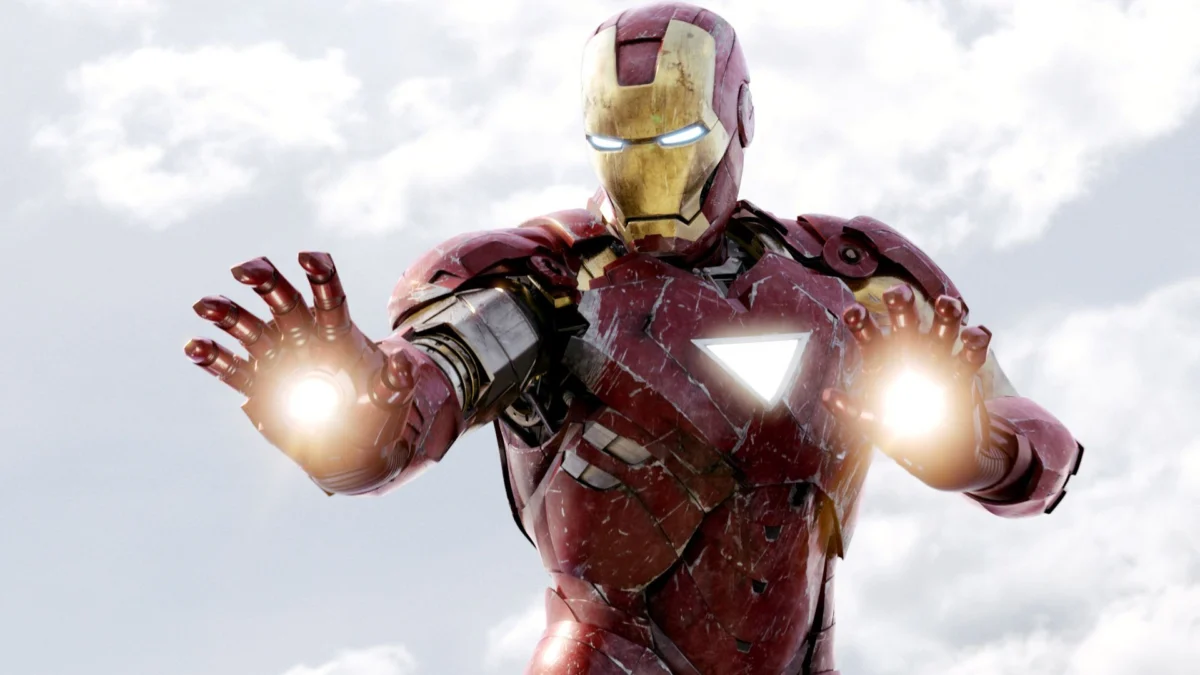
The Marvel Cinematic Universe (MCU) was built on the back of a singular, high-tech gamble in 2008. Robert Downey Jr.’s portrayal of Tony Stark didn’t just launch a franchise; it redefined the superhero archetype for the 21st century. Over eleven years and ten film appearances, Stark evolved from a "genius, billionaire, playboy, philanthropist" into the selfless savior of the universe. However, despite the depth of his character arc, many purists argue that the "Armored Avenger" was underserved in one specific department: his rogues’ gallery.
While the MCU successfully brought Iron Monger, Whiplash, and a controversial iteration of the Mandarin to the silver screen, the vast majority of Stark’s comic book adversaries remained on the page. Stark’s solo trilogy often pivoted toward internal struggles and the consequences of his own legacy, leaving little room for the colorful, technologically diverse, and politically complex villains that defined his sixty-year comic book history.
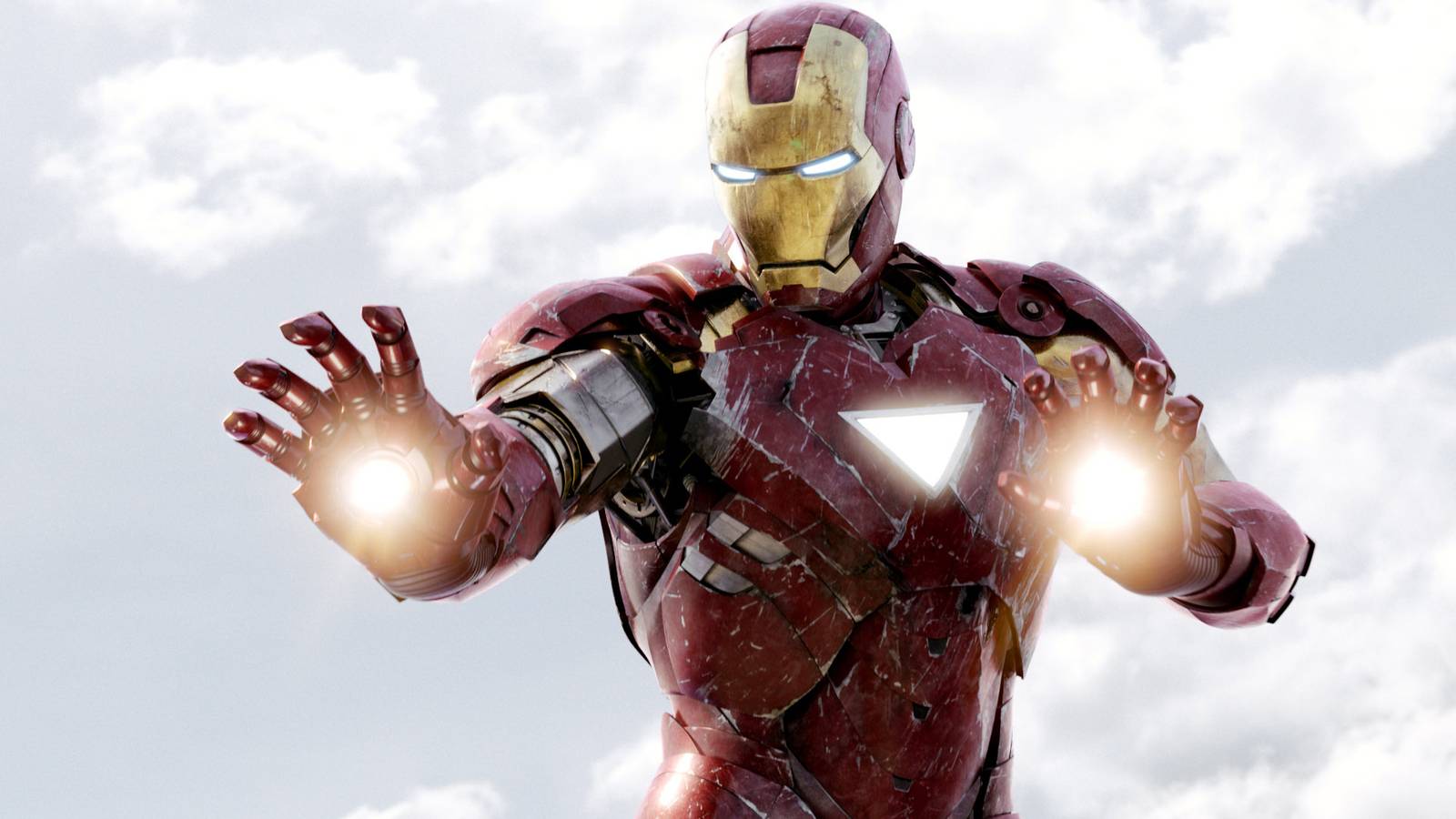
Below is a comprehensive analysis of the ten most significant Iron Man villains who never faced Tony Stark in the MCU, the history behind them, and the narrative implications of their absence.
Main Facts: The "Missing Ten"
The following characters represent a cross-section of Iron Man’s history, ranging from Cold War relics to cosmic horrors.

- Crimson Dynamo (Anton Vanko & Successors): The Soviet Union’s answer to Iron Man. While a character named Anton Vanko appeared in Iron Man 2, he was a composite of Crimson Dynamo and Whiplash, depriving fans of the iconic red-and-silver heavy armor.
- Titanium Man (Boris Bullski): A massive, propaganda-fueled suit designed to prove Soviet engineering was superior to Stark’s.
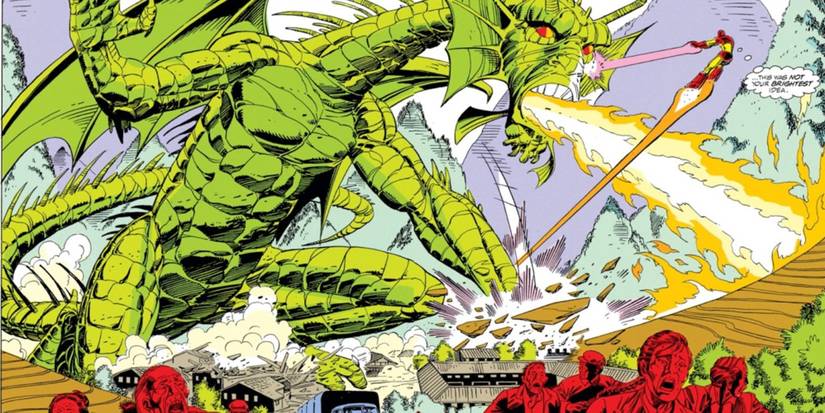
- Fin Fang Foom: An ancient Makluan dragon-like alien who represents the "science vs. magic" conflict Stark often faces.
- The Living Laser (Arthur Parks): A scientist turned into a being of pure light/photons, presenting a unique intangible threat.
- Count Nefaria: A Maggia crime lord who gained ionic powers, making him a physical match for the entire Avengers roster.
- Spymaster: An elite mercenary and master of industrial espionage, specializing in stealing Stark’s tech.
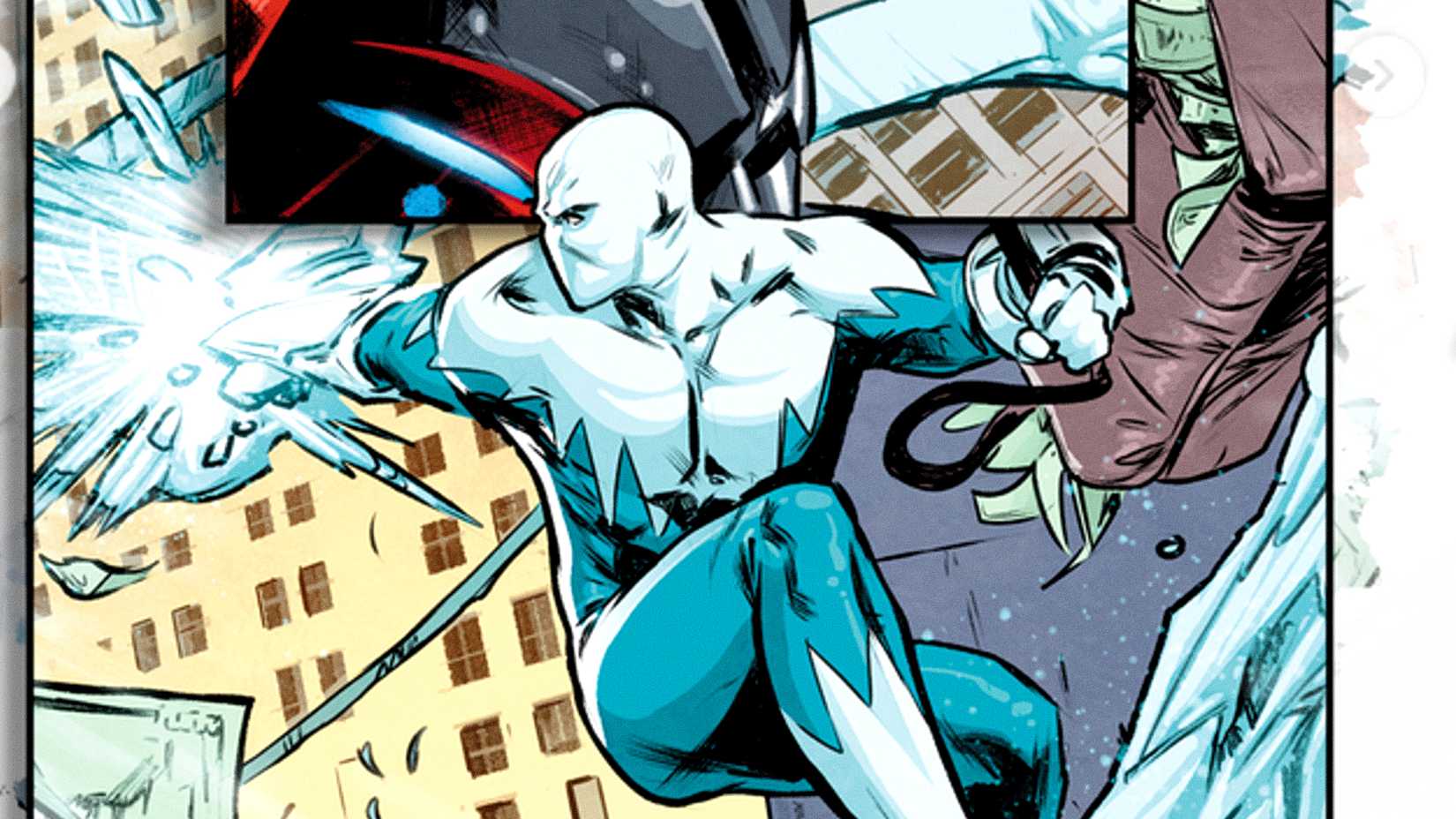
- Blizzard (Donny Gill): A recurring mercenary with cryo-tech who often serves as a "blue-collar" foil to Stark’s elitism.
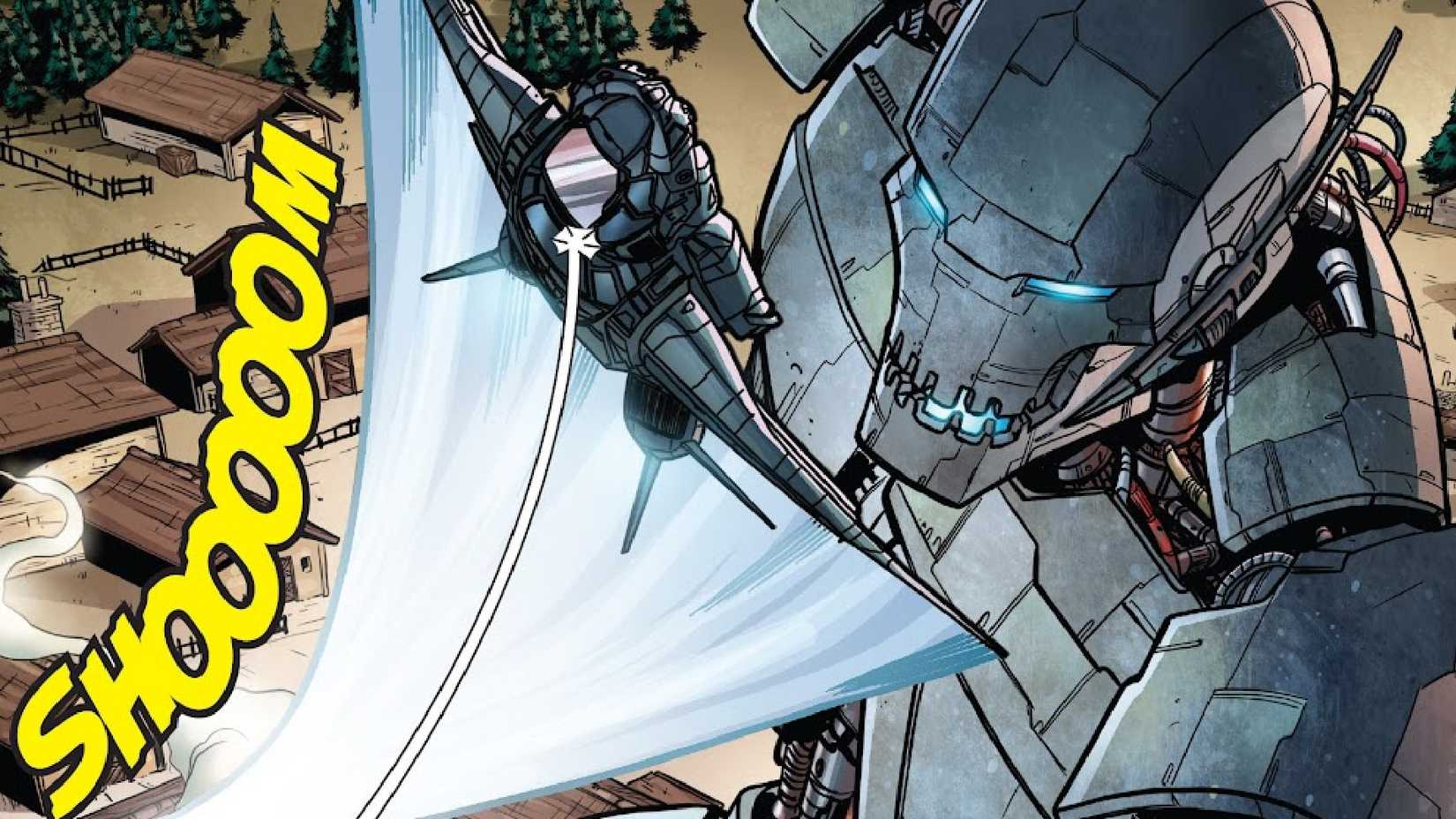
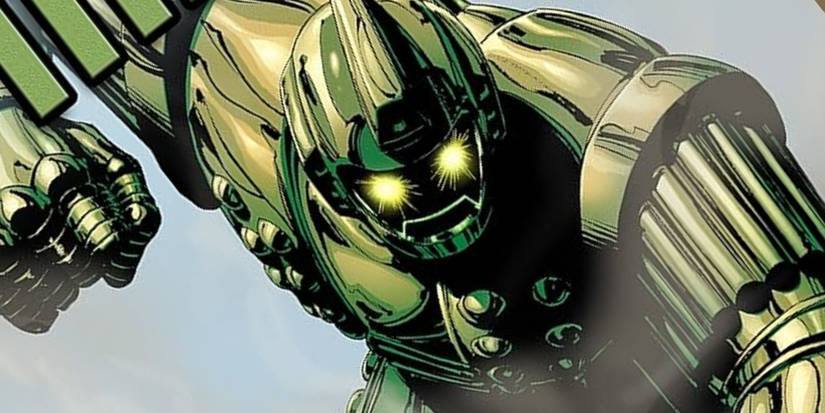
- Ultimo: A massive, planet-killing android from outer space often utilized by the Mandarin.
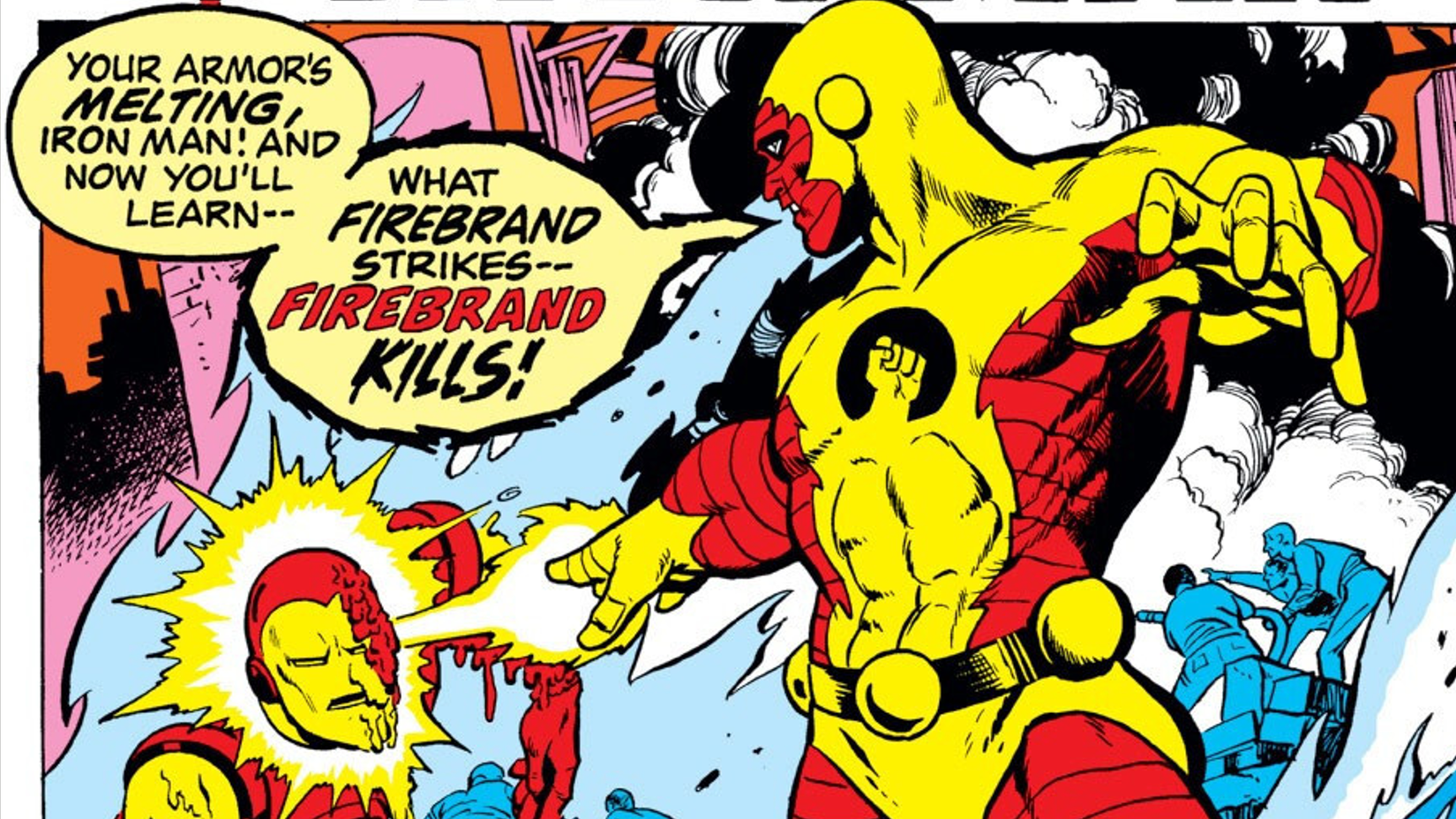
- Firebrand (Gary Gilbert): A radical activist who uses heat-based weaponry to attack what he perceives as corporate tyranny.
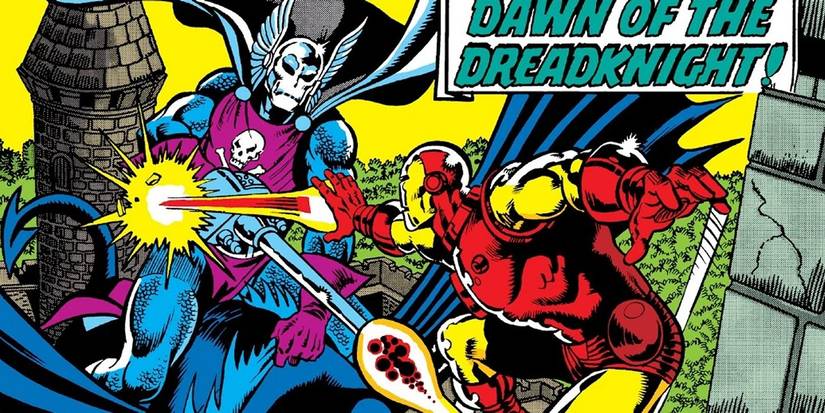
- Dreadknight (Bram Velsing): A fusion of medieval aesthetics and high-tech weaponry, often linked to both Stark and Doctor Doom.
Chronology of the Iron Man Mythos
To understand why these villains were omitted, one must look at the chronological evolution of Iron Man’s storytelling.
The Cold War Era (1963–1979)
In his early years, Iron Man was a staunch anti-communist figure. Villains like the Crimson Dynamo and Titanium Man were created to reflect the geopolitical tensions of the era. They weren’t just criminals; they were state-sponsored rivals. In the MCU, by the time Stark became Iron Man, the Cold War was over, leading Marvel Studios to favor "War on Terror" parallels or internal corporate betrayals.
The Corporate Espionage Era (1980–1999)
As Tony Stark’s character grew to encompass the "Armor Wars" and battles with alcoholism, his villains became more focused on the theft of his intellectual property. Spymaster and Justin Hammer (who was drastically changed for the MCU) represented the fear of Stark’s genius being sold to the highest bidder.
The Modern/Post-Human Era (2000–Present)
Recent comics have seen Stark face more existential threats. Villains like The Living Laser evolved from men in suits to "post-human" entities, challenging Stark to evolve his tech beyond simple metal plating.
Supporting Data: Character Profiles and Power Dynamics
The Soviet Heavyweights: Crimson Dynamo and Titanium Man
The absence of a true Crimson Dynamo is perhaps the most glaring omission for comic fans. In the source material, Anton Vanko was a sympathetic genius who eventually defected to the U.S. to work for Stark. His successors, however, remained loyal to the Kremlin. The Titanium Man, Boris Bullski, was even more formidable—standing over nine feet tall, his armor was built for sheer durability, acting as the "Goliath" to Stark’s "David."
The Mystical Anomaly: Fin Fang Foom
While Shang-Chi and the Legend of the Ten Rings introduced the "Dweller-in-Darkness," it skipped over Iron Man’s most famous non-human rival: Fin Fang Foom. This Makluan shapeshifter is telepathic and possesses strength that rivals the Hulk. Integrating a giant green dragon into the grounded world of Iron Man (2008) was deemed too "fantastical" at the time, though later MCU entries would have made him a perfect fit.
The Intangible Threat: The Living Laser
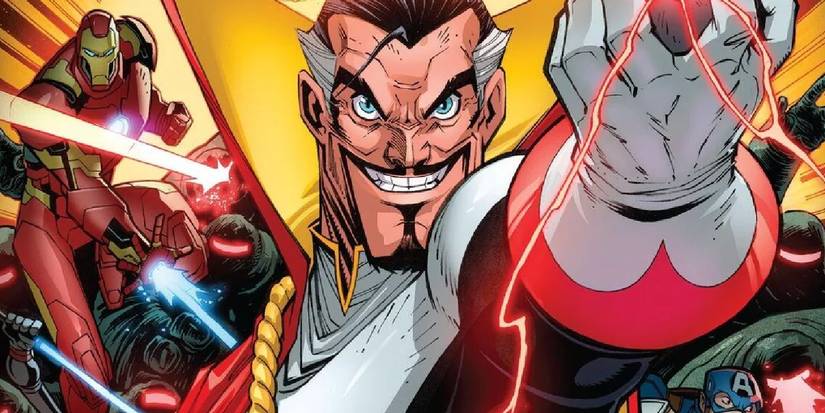
Arthur Parks, the Living Laser, provides a visual and tactical challenge that the MCU never quite replicated. By converting his body into light, he becomes immune to physical repulsors. His story is one of tragic obsession, as his descent into villainy was fueled by a mental breakdown over a failed romance, adding a psychological layer Stark rarely encountered on screen.
Official Responses and Creative Decisions
Marvel Studios executives and directors have occasionally touched upon why certain villains were left on the cutting floor.
Jon Favreau, director of the first two Iron Man films, famously pushed back against the inclusion of the Mandarin in the first movie, stating that the character’s "magical" rings felt out of place in a world of circuits and engines. This philosophy of "grounding" the franchise likely led to the exclusion of characters like Count Nefaria and Ultimo, who operate on a power scale closer to Thor or Thanos.
Shane Black, director of Iron Man 3, took a subversive approach to the Mandarin, turning him into an actor named Trevor Slattery. While this was a bold narrative choice, it effectively closed the door on seeing the "classic" Iron Man/Mandarin rivalry, which often involved Fin Fang Foom or Ultimo as secondary threats.
Fan reception toward these omissions has been mixed. While the MCU’s "legacy" villains (Obadiah Stane, Aldrich Killian, Mysterio) provided emotional resonance, a vocal segment of the fanbase has lamented the lack of "villain-centric" action. The common critique is that Stark’s MCU enemies were often just "men in slightly different suits," whereas the comics offered a broader palette of abilities.
Implications: The Future of the Armored Legacy
The death of Tony Stark in Avengers: Endgame does not necessarily mean these villains will never appear. The MCU is currently expanding its "Stark-adjacent" lore through projects like Ironheart and the upcoming Armor Wars film.
The "Armor Wars" Opportunity
The Armor Wars storyline in the comics is specifically about Stark’s technology falling into the wrong hands. This provides the perfect narrative vacuum for Spymaster to emerge as a primary antagonist, or for the Crimson Dynamo armor to be rediscovered by a new Russian faction. Since James Rhodes (War Machine) will be the protagonist, these villains could serve as a way to honor Stark’s history while providing new challenges.
The Doctor Doom Connection
With Robert Downey Jr. returning to the MCU as Doctor Doom, there is a renewed possibility for Dreadknight. In the comics, Bram Velsing was a Latverian scientist who felt slighted by Doom. His inclusion could serve as a bridge between the tech-based world of Iron Man and the mystical, sovereign world of Doom.
Conclusion
The MCU’s Iron Man was a triumph of character writing, but his rogue’s gallery remains a largely untapped goldmine of storytelling potential. By omitting the geopolitical rivalry of the Crimson Dynamo, the cosmic scale of Fin Fang Foom, and the corporate lethality of Spymaster, the films kept the focus tight on Tony Stark’s soul. As the franchise moves into a new era, these "missing" villains stand ready to challenge a new generation of heroes, proving that while the man may be gone, the threat of his technology—and the enemies it created—is eternal.