Reclaiming Vitality: Kristin McGee Unpacks Creatine’s Transformative Power for Midlife Women
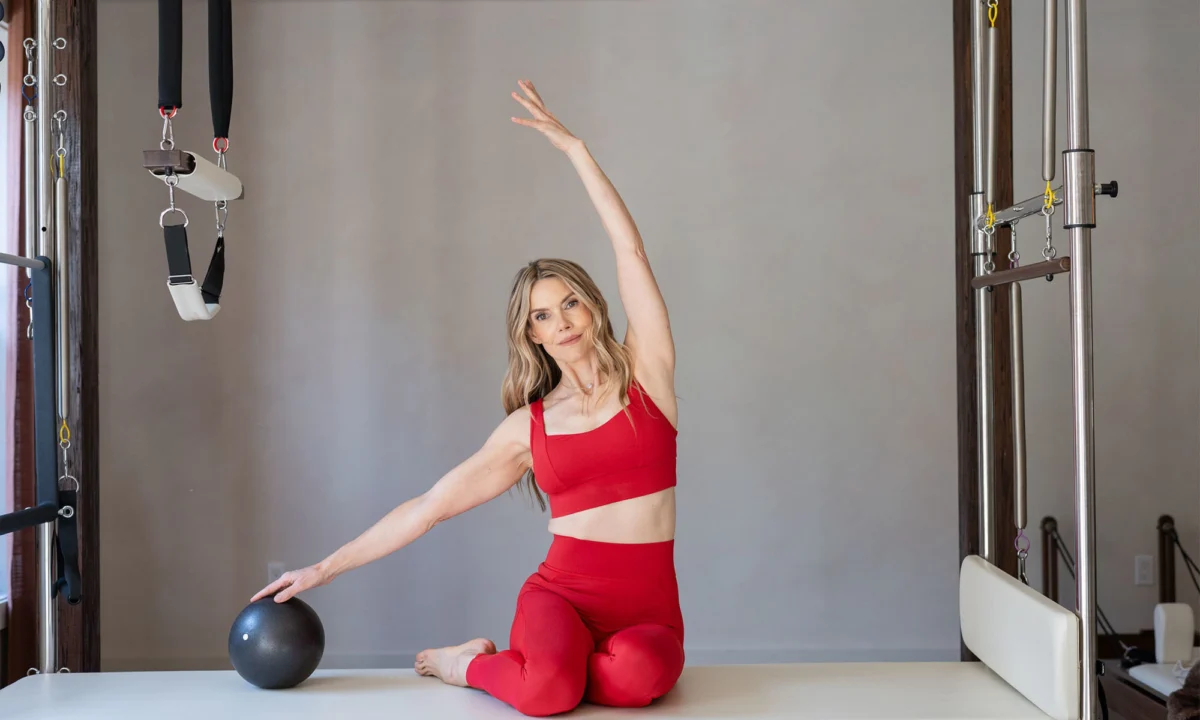
New York, NY – June 29, 2026 – In a wellness landscape often saturated with fleeting trends and unproven remedies, finding a supplement that genuinely delivers on its promises can feel like striking gold. For Kristin McGee, a revered Registered Yoga Teacher and Personal Trainer with a career spanning decades, that discovery came in the unassuming form of creatine. What began as a cautious experiment, influenced by trusted colleagues and a surprising medical endorsement, has evolved into a daily ritual she credits with profoundly enhancing her physical and cognitive well-being, particularly as she navigates the complexities of midlife.
McGee’s journey with creatine, detailed in a candid personal account, challenges the long-held misconception that this powerhouse supplement is solely the domain of "gym bros" and elite athletes. Instead, she highlights its burgeoning relevance for women experiencing the hormonal shifts of perimenopause and menopause, positioning it as a foundational support for muscle integrity, brain health, mood stability, and sustained energy. Her experience, fortified by growing scientific consensus and the emphatic recommendation of her own gynecologist, underscores a pivotal shift in understanding creatine’s broad spectrum of benefits.
From Skepticism to Steadfast Advocate: Kristin McGee’s Creatine Journey
Kristin McGee readily admits to a "drawer full of supplements" – a testament to the constant influx of new products in the wellness industry and her own pursuit of optimal health. Many, she recounts, failed to make a discernible difference, with some even eliciting adverse reactions. This backdrop of cautious skepticism makes her unwavering endorsement of creatine all the more compelling.
The catalyst for her creatine trial came from a familiar and trusted source: Colleen Wachob, co-founder and co-CEO of mindbodygreen. McGee’s professional relationship with Colleen and Jason Wachob, the visionary co-founders of the prominent wellness platform, stretches back over fifteen years, dating to her days teaching at Equinox and filming for Cody App. She vividly recalls Jason Wachob’s foresight in the nascent stages of longevity and wellness, a commitment to pioneering evidence-based health solutions that has deeply impressed her over the years. This established trust in mindbodygreen’s rigorous vetting process made her receptive to Colleen’s suggestion to try their creatine product.
Initially, McGee confessed to harboring the common stereotype of creatine as a supplement exclusively for muscle-bound men. However, her perspective underwent a radical transformation during a routine visit to her gynecologist. When she casually mentioned her new creatine regimen, she was "completely unprepared" for the enthusiastic response. Her doctor looked at her and declared, "So am I, and I think every woman in menopause should be on it." This definitive statement was a pivotal moment, shifting creatine from a mere experiment to a serious consideration for her long-term health strategy.
For the past year and a half, creatine has been a non-negotiable part of McGee’s daily routine. She reports experiencing a tangible difference, moving beyond anecdotal observation to a profound sense of enhanced vitality. This consistent use has allowed her to meticulously track its effects, leading to her current role as a vocal proponent for its wider adoption among women, particularly those navigating the transformative stages of midlife.
The Science Unveiled: Creatine, Estrogen, and Midlife Wellness
McGee’s gynecologist’s powerful endorsement was rooted in a burgeoning body of research exploring the intricate link between creatine metabolism and estrogen levels. It’s a connection that McGee herself initially didn’t fully grasp but has since come to appreciate as fundamental to creatine’s benefits for women.
Estrogen’s Role in Creatine Metabolism
Creatine is a naturally occurring compound synthesized primarily in the liver and kidneys, playing a crucial role in cellular energy production, particularly in tissues with high energy demands like muscles and the brain. It functions by regenerating adenosine triphosphate (ATP), the primary energy currency of the cell. What many, including McGee initially, didn’t realize is that estrogen significantly influences the body’s natural creatine production and utilization efficiency.
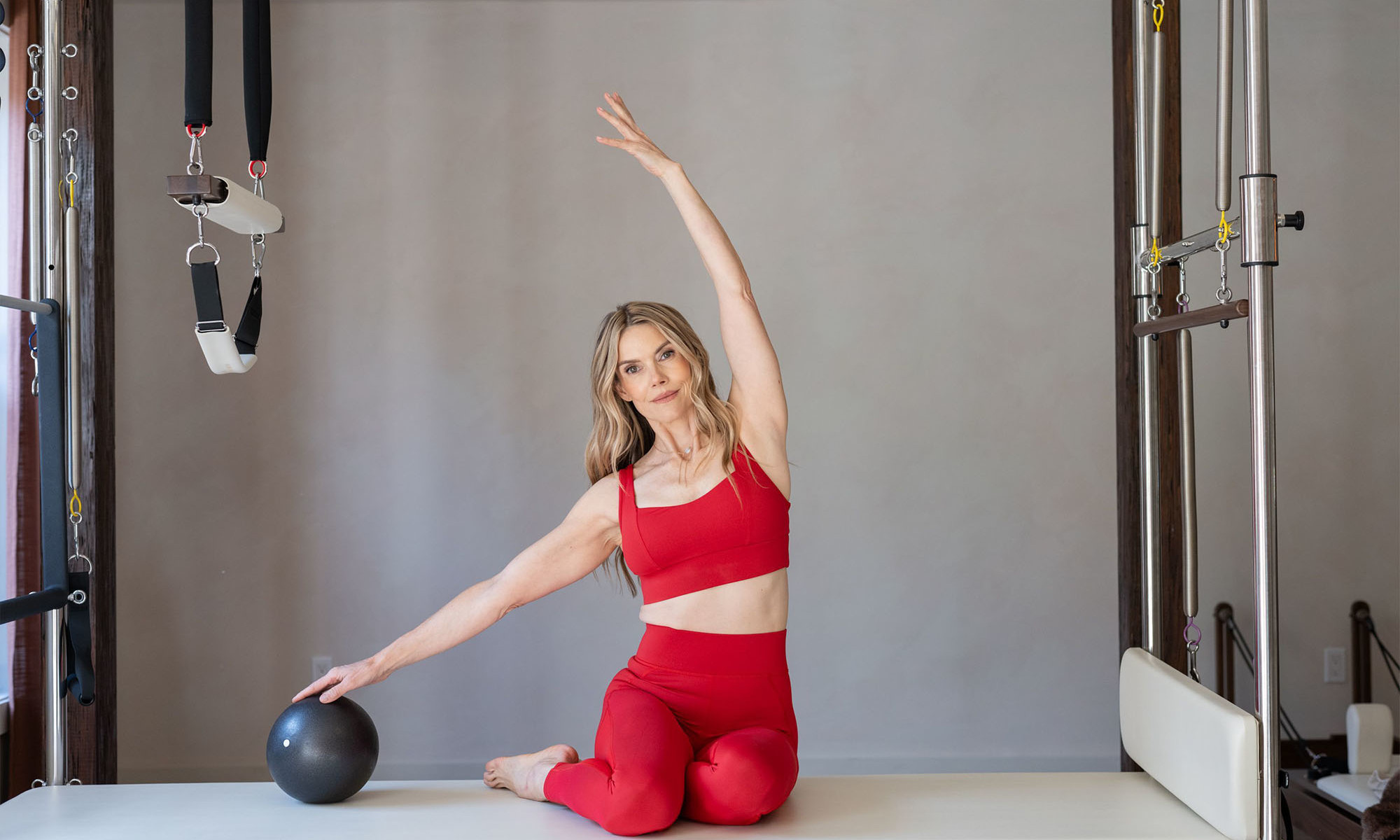
As women enter perimenopause and menopause, estrogen levels progressively decline. This hormonal shift appears to directly impact creatine metabolism, rendering the body less efficient at both synthesizing and transporting creatine. Researchers suggest that this decreased efficiency leads to lower creatine availability in critical tissues such as muscle and brain. This reduction can exacerbate several age-related changes that women commonly experience, including loss of muscle mass (sarcopenia), decreased bone density, and cognitive challenges.
Beyond Muscle: A Multifaceted Impact
While creatine’s association with muscle growth is well-established, its benefits extend far beyond the gym. McGee’s experience and scientific studies highlight its profound impact on various physiological systems, making it a powerful ally for midlife women:
- Muscle Mass and Strength Preservation: Estrogen plays an anabolic role, helping to maintain muscle protein synthesis. With declining estrogen, women often experience accelerated muscle loss. Creatine supplementation helps counteract this by enhancing ATP availability for muscle contractions, improving strength, and supporting muscle repair and growth, which is crucial for maintaining functional independence and metabolic health.
- Enhanced Exercise Recovery: Increased energy reserves from creatine mean muscles can recover more efficiently after strenuous activity. This translates to reduced muscle soreness and quicker readiness for subsequent workouts, enabling consistent physical activity – a cornerstone of healthy aging. McGee explicitly notes faster recovery from her strength training sessions on Tonal and in her app workouts.
- Bone Health Support: The link between estrogen decline and bone loss (osteoporosis risk) is well-known. Emerging research suggests creatine may play a role in bone health, potentially by stimulating osteoblast activity (bone-forming cells) or by supporting muscle strength, which indirectly benefits bone density through weight-bearing exercise.
- Cognitive Function and Brain Health: Creatine is vital for brain energy metabolism. The brain, like muscle, relies heavily on ATP for optimal function. During perimenopause, many women report "brain fog," memory issues, and difficulty concentrating – symptoms that align with reduced energy availability in neural tissue. Creatine supplementation helps the brain produce energy, supporting neurotransmitter function and neuronal health. Studies have demonstrated its capacity to improve memory and processing speed, particularly under conditions of stress or sleep deprivation, which are often prevalent during this life stage. McGee’s personal experience of her "brain fog genuinely better" and "mood steadier" strongly aligns with these findings.
- Mood Regulation: The brain’s energy status is intrinsically linked to mood. By optimizing neural energy, creatine may contribute to greater mood stability and resilience. This is particularly significant for women who experience mood fluctuations and increased susceptibility to anxiety or depression during hormonal transitions.
- Anecdotal Hair Growth: While not a primary, scientifically validated benefit, McGee’s mother’s report of improved hair growth after taking creatine points to its potential, albeit unconfirmed, broader metabolic effects that warrant further investigation.
The fact that creatine is one of the "most studied supplements" globally, with hundreds of published research papers, provides a strong foundation of confidence for its use. This extensive body of evidence contributes significantly to its safety profile and the growing understanding of its diverse applications.
Expert Validation and Quality Assurance
The medical community’s evolving perspective on creatine, particularly for women, is a critical component of its growing acceptance. McGee’s gynecologist’s unequivocal recommendation is a powerful illustration of this shift.
The Gynecologist’s Perspective: A Paradigm Shift
A gynecologist recommending creatine for menopausal women signifies a paradigm shift from viewing it solely as a performance enhancer to recognizing its therapeutic potential in managing the symptoms and risks associated with estrogen decline. This recommendation is likely based on:
- Holistic Health: Recognizing that menopause impacts not just reproductive health but also musculoskeletal, cognitive, and metabolic systems. Creatine offers a safe, evidence-based intervention to mitigate these systemic changes.
- Preventative Care: Proactively addressing the risk of sarcopenia (muscle loss), osteopenia/osteoporosis (bone loss), and cognitive decline that often accelerate post-menopause.
- Quality of Life: Supporting women in maintaining their strength, cognitive sharpness, and overall energy levels, thereby enhancing their quality of life as they age.
mindbodygreen’s Commitment to Excellence
McGee’s choice to consistently use mindbodygreen’s creatine is rooted in her long-standing trust in the brand’s commitment to quality and transparency. She emphasizes:
- Rigorous Vetting: The meticulous process mindbodygreen employs to vet every product ensures that only high-quality, effective, and safe supplements bear their name. This includes sourcing premium ingredients and adhering to stringent manufacturing standards.
- Third-Party Testing: A crucial aspect of supplement quality, third-party testing verifies the purity, potency, and absence of contaminants (like heavy metals or undeclared ingredients). This independent verification provides consumers with an added layer of assurance.
- Thoughtful Formulations: mindbodygreen offers various creatine formulations, catering to diverse needs. McGee uses their "Creatine with Electrolytes+," which combines creatine monohydrate with essential electrolytes like sodium, potassium, and magnesium – vital for hydration and cellular function, especially for active individuals. Her mother opts for the "raspberry flavor with taurine at 5 grams," highlighting the flexibility in dosage and additional supportive ingredients. Taurine, for instance, also plays roles in muscle function and nerve health.
This dedication to quality allows McGee to feel confident in recommending mindbodygreen’s products, knowing exactly what she and her family are consuming.
Practical Application and Dispelling Myths
McGee’s practical approach to creatine supplementation is straightforward and informed by her extensive experience. She takes 3 grams of creatine monohydrate daily, mixed into water, typically mid-morning or afternoon.

Addressing Common Concerns
- Weight Gain: A frequent concern, particularly among women, is that creatine causes significant weight gain. McGee addresses this directly: "the answer is no." She explains that while a slight initial water retention can occur as creatine draws water into muscle cells, this is temporary and resolves quickly. Far from leading to undesirable weight gain, she noted "more muscle definition after a month," indicating the positive body composition changes associated with enhanced muscle mass.
- Dosage: McGee suggests that "somewhere between 3 and 5 grams is the sweet spot for most women," encouraging individuals to experiment to find their optimal dosage in consultation with a healthcare provider.
- Mixing with Coffee: Another common myth is that coffee or caffeine negates the effects of creatine. McGee confirms, based on scientific evidence, that this is untrue. Creatine can be safely mixed into various beverages, including coffee or smoothies, without compromising its efficacy.
These practical insights, backed by her personal experience and knowledge, help demystify creatine and make it more accessible for everyday use.
Broader Implications and the Future of Women’s Wellness
Kristin McGee’s articulate advocacy for creatine extends beyond her personal experience; it carries significant implications for the broader discourse on women’s health and aging. Her story contributes to a vital re-education, challenging outdated perceptions and empowering women with actionable information.
Shifting the Narrative for Women
By sharing her journey, McGee plays a crucial role in dismantling the "gym bro" stereotype of creatine. She reframes it as a fundamental nutrient, especially for women navigating the unique physiological challenges of midlife. This narrative shift is critical for encouraging more women to explore a supplement that can genuinely enhance their health span – the period of life spent in good health – rather than just lifespan.
Empowering Active Aging
For women facing the muscle loss, cognitive changes, and energy dips associated with hormonal transitions, creatine offers a tangible tool for maintaining vitality. It supports the ability to stay physically active, preserve cognitive function, and sustain a positive mood, all of which are essential for active and independent aging. McGee’s experience of "overall sense of steady energy throughout the day that is hard to describe but very real. Not a buzz—more like a foundation that was not there before," speaks directly to this empowerment.
The Call for Personalized Wellness
Despite her enthusiastic endorsement, McGee maintains a professional and responsible stance, emphasizing that "I never believe in one-size-fits-all when it comes to supplements or anything else." Her crucial advice remains:
- Consult Your Doctor: Always discuss new supplements with a healthcare provider.
- Know Your Levels: Regular blood work and understanding individual health markers are paramount.
- Specific Disclaimers: Individuals who are pregnant, breastfeeding, or taking medications must consult with their doctor before starting any supplement routine.
This nuanced approach underscores the importance of personalized wellness strategies, where supplements like creatine are integrated thoughtfully into a comprehensive health plan.
In conclusion, Kristin McGee’s journey with creatine is a compelling narrative of discovery, transformation, and empowerment. It highlights a powerful, evidence-backed supplement that, when understood and utilized correctly, can significantly enhance the well-being of midlife women. Her story, amplified by the growing scientific understanding and validation from medical professionals, serves as a beacon for a more informed and proactive approach to women’s health in the years to come.