Todd Howard: A Bethesda Icon’s Enduring Passion Amidst Retirement Rumors
For decades, the name Todd Howard has been synonymous with Bethesda Game Studios, a guiding force behind some of the most beloved and expansive role-playing games in history. While his face and voice are instantly recognizable to millions of gamers worldwide, Howard, at 55 years old, remains deeply entrenched in the creative trenches. Recently, in a candid conversation with industry journalist Jason Schreier, Howard addressed long-standing speculation about his potential retirement, offering a clear vision for his continued involvement in shaping the future of Bethesda’s iconic franchises.
The discourse surrounding a legendary figure like Todd Howard inevitably drifts towards the topic of his eventual departure from the industry. After a career spanning over two decades at the helm of Bethesda, a studio he has steered through the development of landmark titles such as The Elder Scrolls and Fallout series, and most recently the ambitious new IP Starfield, questions about succession and retirement are natural. However, Howard’s recent remarks suggest that such considerations are far from his immediate focus, fueled by an unwavering passion for his craft and the collaborative spirit of Bethesda.
A Veteran’s Perspective: Addressing Retirement Speculation
The conversation regarding Howard’s potential retirement gained significant traction following an interview with Bloomberg’s Jason Schreier, a journalist renowned for his in-depth reporting on the gaming industry. In a recent YouTube video, Schreier shared a poignant quote from Howard that directly addressed the subject:
"The truth is there was a period of time a while back where I pondered what does it look like?" Howard admitted, referring to a time when he contemplated the concept of retirement. He was quick to clarify, however, that this introspection was not indicative of an impending departure. "Not is it imminent, but what does it look like? And I no longer do."
This statement underscores a fundamental shift in Howard’s perspective. The initial contemplation, a natural reflection for any long-tenured professional, has evidently given way to a renewed sense of purpose and exhilaration. His subsequent words painted a vivid picture of his current state of mind:
"I see the work we’re doing. I just love it. I love working with these people. [Retirement] is really not something I think about… Some folks in our industry that are a little older than me, they’re just making great stuff too, so it’s not something I’ve been thinking about."
This sentiment is particularly resonant. Howard’s acknowledgement of older industry veterans who continue to produce exceptional work serves as both inspiration and a testament to the enduring creative spirit that can persist throughout a career. It suggests that age is not a barrier to innovation and passion in game development, a field often perceived as favoring youth. Howard’s words effectively shut down any immediate speculation about him stepping away, reinforcing his deep commitment to Bethesda’s ongoing and future projects.
A Legacy Forged in Pixels: Howard’s Illustrious Career
To understand the significance of Howard’s continued dedication, it is crucial to appreciate the magnitude of his contributions to the gaming landscape. Todd Howard’s career at Bethesda Game Studios began in 1994, and he quickly rose through the ranks, becoming a pivotal figure in the development of some of the most critically acclaimed and commercially successful games of all time.
His directorial and executive producer credits read like a who’s who of gaming royalty:
-
The Elder Scrolls Series: Howard’s involvement with The Elder Scrolls franchise dates back to The Elder Scrolls II: Daggerfall (1996). He served as lead designer on The Elder Scrolls III: Morrowind (2002) and The Elder Scrolls IV: Oblivion (2006), and as director and executive producer for the monumental The Elder Scrolls V: Skyrim (2011). Skyrim, in particular, became a cultural phenomenon, lauded for its immense scope, freedom of exploration, and emergent storytelling, and it has seen numerous re-releases across multiple platforms, cementing its place as one of the best-selling and most enduring RPGs ever created.
-
The Fallout Series: Howard also spearheaded the transition of the Fallout franchise to Bethesda’s 3D engine. He served as director and executive producer for Fallout 3 (2008), which revitalized the post-apocalyptic series with its open-world exploration and dark, satirical tone. He continued this role for Fallout 4 (2015) and the online multiplayer experience Fallout 76 (2018).
-
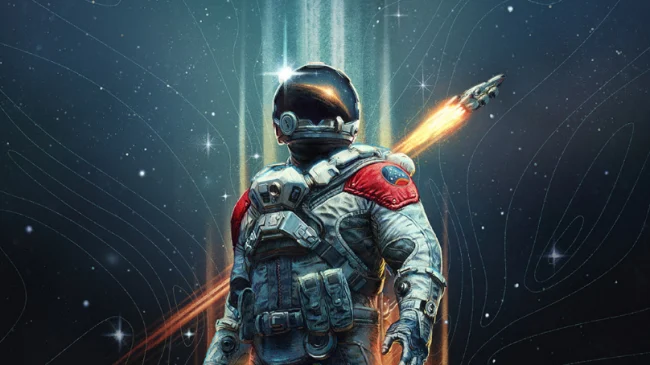
Starfield (2023): More recently, Howard took the helm as director and executive producer for Starfield, Bethesda’s first new intellectual property in over 25 years. This sprawling space-faring RPG, a testament to Bethesda’s ambition, aimed to deliver a vast universe for players to explore, featuring intricate lore, deep character customization, and a commitment to player freedom. While Starfield has received a range of critical reception, its launch marked a significant milestone for Bethesda and Howard, showcasing their continued drive to push the boundaries of interactive entertainment.
Howard’s signature style is often characterized by a focus on player agency, emergent gameplay, and richly detailed worlds that encourage exploration and discovery. His ability to craft compelling narratives within vast, open-ended environments has earned him widespread acclaim and a dedicated fanbase.

A Glimpse into the Future: Bethesda’s Ambitious Road Map
Howard’s commitment to Bethesda is not merely a personal sentiment; it is intrinsically linked to the studio’s ambitious future. Despite his typically guarded approach to revealing project details, Howard and his team have recently offered insights into the long-term plans for Bethesda’s flagship franchises, particularly under the umbrella of Xbox’s ownership.
The revelation of massive plans for Starfield, including the promised expansion with new Starborn content slated for 2027, along with additional stories and ongoing improvements, signals a dedication to nurturing this new universe. This commitment to post-launch support and content expansion is a crucial aspect of modern game development and demonstrates Bethesda’s intent to make Starfield a lasting cornerstone of their portfolio.
Furthermore, the anticipation surrounding the next installment in The Elder Scrolls series, The Elder Scrolls VI, continues to be a major talking point. While details remain scarce, the sheer expectation for this title, following the monumental success of Skyrim, places immense pressure and excitement on Howard and his team. His continued leadership is seen as vital in navigating the development of such a highly anticipated project.
Similarly, the future of the Fallout franchise is a constant source of discussion. With the recent success of the Amazon Prime Video series adaptation, interest in the gaming universe has surged. While no specific game announcements have been made, the continued relevance of the Fallout IP suggests that new installments or expansions are likely on the horizon, with Howard’s vision playing a crucial role in their direction.
The strategic acquisition of Bethesda by Xbox has undoubtedly amplified the focus on these top-tier franchises. Xbox leadership, including Phil Spencer, has expressed a strong desire to see Bethesda’s iconic series continue to thrive and reach new audiences. This strategic alignment suggests a period of sustained investment and creative freedom for Bethesda, with Howard at the helm.
Official Responses and Industry Implications
The confirmation from Todd Howard that he is not considering retirement carries significant weight within the gaming industry. His continued presence reassures fans and stakeholders alike, especially in the context of Bethesda’s ambitious development pipeline.
Phil Spencer, Head of Xbox Game Studios, has consistently expressed his admiration for Todd Howard and Bethesda’s creative output. While specific statements about Howard’s retirement plans are not directly quoted in the provided text, Spencer’s public remarks often highlight the value of experienced leadership and the unique vision that figures like Howard bring to game development. The success of Bethesda’s franchises is a critical component of Xbox’s overall gaming strategy, and retaining key creative leads like Howard is paramount to achieving those goals.
The implications of Howard’s continued dedication are far-reaching:
-
Creative Continuity: For players who have grown up with Bethesda’s worlds, Howard’s continued leadership ensures a sense of continuity and trust. His vision has shaped the very essence of these franchises, and his presence suggests that future installments will remain true to the core principles that have made them so beloved.
-
Talent Retention and Inspiration: Howard’s passion serves as a powerful motivator for the development teams at Bethesda. His own dedication to the craft, even after decades in the industry, likely inspires younger developers and fosters a culture of excellence. His acknowledgment of older, still-productive industry veterans also sets a positive precedent for career longevity in game development.
-
Strategic Stability for Xbox: From Microsoft’s perspective, Howard’s continued involvement provides immense strategic stability. The success of Bethesda’s flagship titles is crucial for Xbox’s content offerings, particularly as they aim to expand their reach across various platforms and services like Game Pass. Knowing that a proven visionary is steering these key franchises offers a significant competitive advantage.
-
Player Expectations: The news will undoubtedly be met with relief and excitement from the vast Elder Scrolls, Fallout, and Starfield communities. The prospect of new adventures crafted under Howard’s guidance is a compelling one, and his reassurance that he is "really not something I think about" regarding retirement, signifies a long runway for his creative endeavors.
In conclusion, Todd Howard’s recent comments have effectively quelled any immediate concerns about his retirement. His unwavering passion for game development, his love for his work and colleagues at Bethesda, and his commitment to shaping the future of iconic franchises like The Elder Scrolls, Fallout, and Starfield paint a clear picture of a leader deeply invested in his craft. As Bethesda continues to expand its ambitious road map under Xbox’s ownership, Todd Howard’s enduring presence at the creative helm is a significant factor in ensuring the continued success and evolution of some of gaming’s most cherished worlds. The industry, and its millions of fans, can look forward to many more years of his visionary contributions.