Grounded in the Sky: Analyzing the Catastrophic Box Office Debut of DC’s ‘Supergirl’
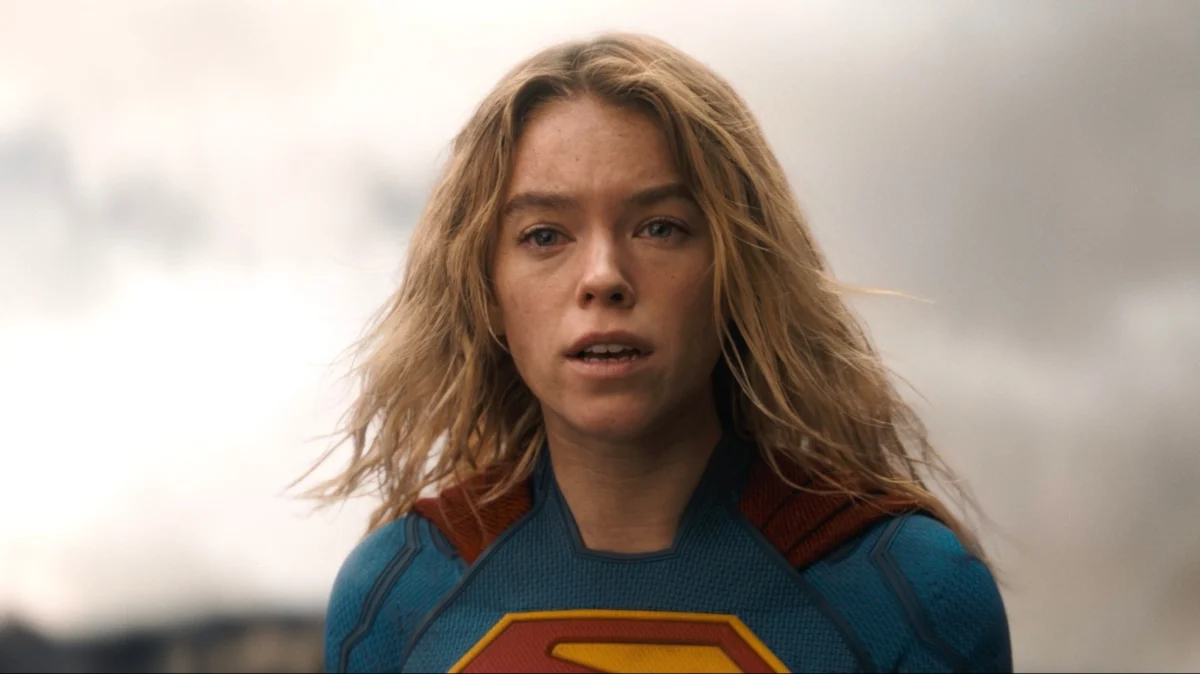
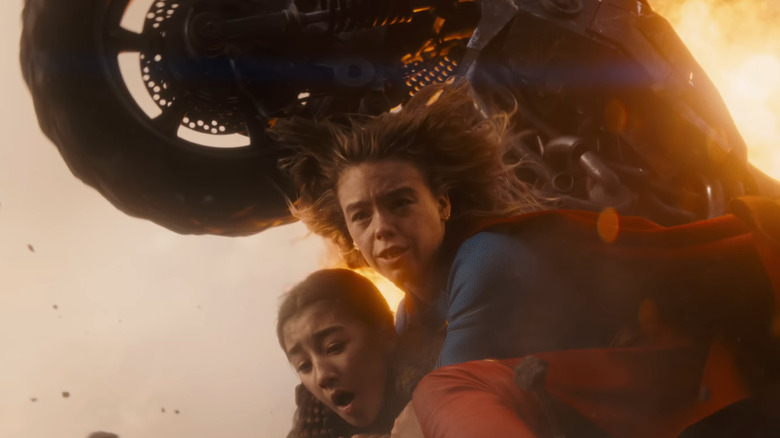
The high-flying aspirations of the newly minted DC Universe (DCU) hit a significant pocket of turbulence this past weekend. Warner Bros. and DC Studios’ Supergirl, the second theatrical entry in the "Chapter 1: Gods and Monsters" slate, arrived in theaters not with a roar, but with a whimper. Despite a high-profile casting in Milly Alcock and the creative guidance of director Craig Gillespie, the film has posted one of the most concerning opening weekends for a major superhero tentpole in recent memory.
Main Facts: A Crash Landing for the Girl of Steel
The financial data paints a grim picture for the $170 million production. Supergirl opened to a meager $38 million domestically, significantly trailing behind even the most conservative pre-release tracking, which had estimated a floor of $47 million. The international story was even more sobering, with the film pulling in just $30 million from overseas markets, resulting in a global launch of $68 million.
To put these numbers into perspective, Supergirl is currently pacing alongside Shazam! Fury of the Gods, a film widely regarded as one of the biggest commercial failures in the genre’s history. While last year’s Superman successfully revitalized the brand with a $618 million global haul, Supergirl has failed to capture that same lightning in a bottle. With a B- CinemaScore and a critical approval rating hovering at 55% on Rotten Tomatoes, the path to profitability appears nearly non-existent.
Chronology: From Concept to Commercial Crisis
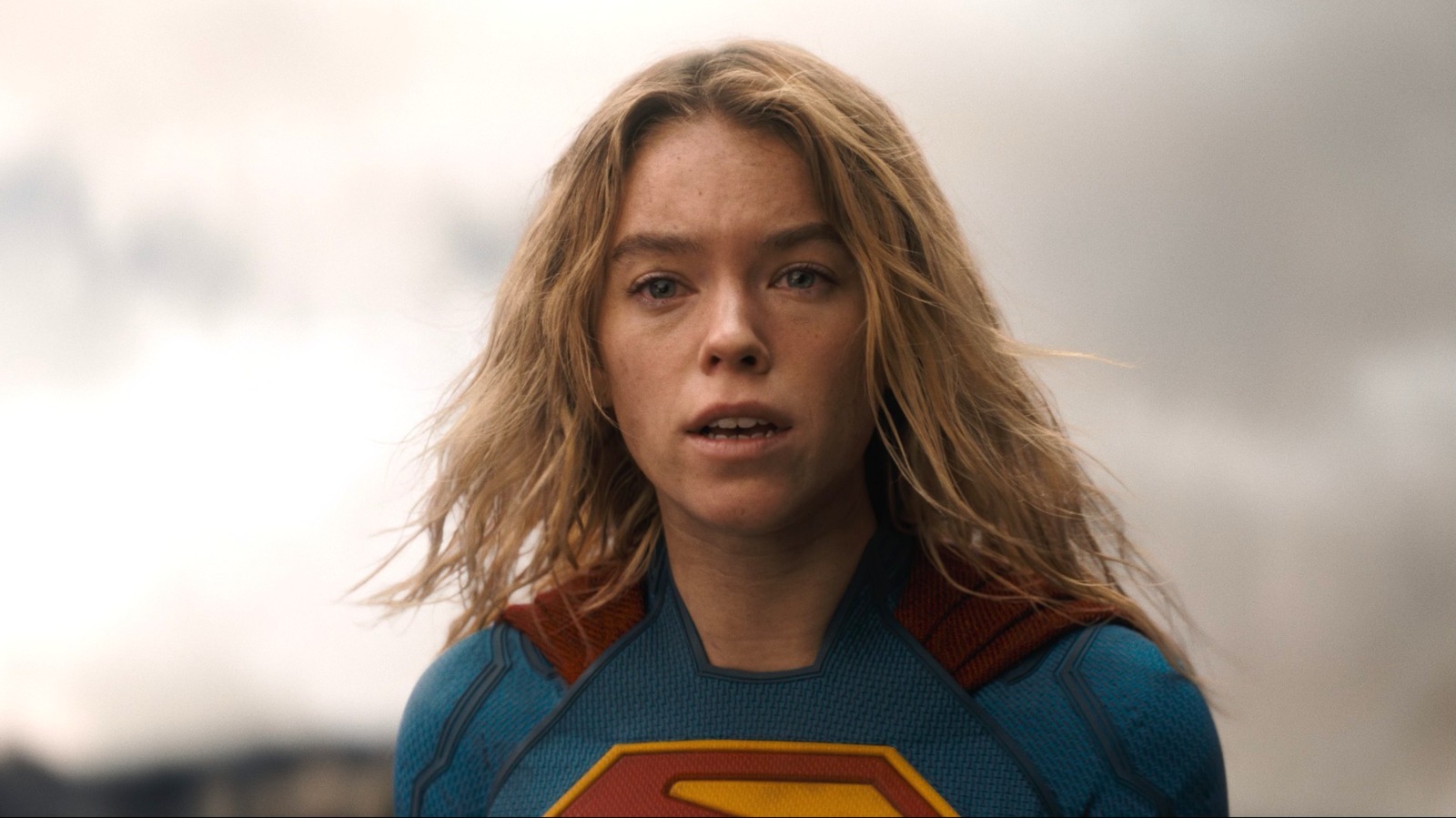
The journey of Supergirl began with immense promise. Following the appointment of James Gunn and Peter Safran as co-leads of DC Studios, the character was positioned as a cornerstone of their new continuity.
The Vision and Production (2023–2025)
Inspired by Tom King and Bilquis Evely’s acclaimed comic run Supergirl: Woman of Tomorrow, the film was intended to be a departure from the traditional "hope and sunshine" Kryptonian narrative. In early 2024, Milly Alcock, breakout star of House of the Dragon, was cast as Kara Zor-El. Director Craig Gillespie was brought on to lend the project a gritty, character-focused edge similar to his work on I, Tonya and Cruella. Production was touted as a seamless integration of practical effects and cutting-edge Volume technology.
The Marketing Blitz (Early 2026)
The marketing campaign focused heavily on the film’s unique tone—a space-faring western featuring a jaded, battle-hardened protagonist. Trailers emphasized the arrival of Krypto the Superdog and a scene-stealing performance by Jason Momoa as the intergalactic bounty hunter Lobo. However, industry analysts noted that tracking remained stagnant. While the "hardcore" fanbase was engaged, the general public seemed confused by the film’s place in the timeline, especially following the brief appearance of Sasha Calle’s Supergirl in 2023’s The Flash.
The Opening Weekend (Current)
Supergirl premiered against Pixar’s Toy Story 5, which was entering its second weekend. While Warner Bros. hoped for counter-programming success, Toy Story 5 maintained its dominance with a $70 million second frame. By Friday night, it was clear that Supergirl was not connecting with families or casual moviegoers, leading to the disappointing $38 million domestic finish.
Supporting Data: Five Reasons for the Failure
The failure of a $170 million asset is rarely the result of a single mistake. Instead, it is a "perfect storm" of creative, financial, and market-driven factors.
1. A Divisive Critical and Audience Response
The "B-" CinemaScore is perhaps the most damning piece of data. In the world of blockbuster cinema, a grade in the ‘B’ range typically indicates poor word-of-mouth. While Milly Alcock’s performance was widely praised as a "self-destructive savior," the film’s narrative structure was criticized for being overly bleak and inaccessible. When a movie is this expensive, it must function as a "crowd-pleaser" to recoup its costs; Supergirl opted for an auteur-driven approach that alienated the very families that usually bolster the "Super-family" brand.

2. The Burden of an Excessive Budget
The $170 million production budget (not including a marketing spend estimated at $100 million) set an impossibly high bar for success. To break even, Supergirl would likely need to gross upwards of $425 million globally. Currently, the film is struggling to cross the $100 million mark. Analysts point to Birds of Prey (2020) as a missed lesson; that film cost roughly $80 million, making its $205 million gross a manageable loss rather than a studio-shaking disaster. Supergirl represents a return to the "over-spending" habits that have plagued DC for a decade.
3. The "Tier 2" Character Struggle
While Batman, Superman, and Wonder Woman remain "A-list" draws, Supergirl has historically struggled to carry a solo theatrical franchise. Despite a successful seven-season run on The CW, the character lacks the "must-see" status required to pull audiences away from streaming services. Without an "extraordinary" critical reception (such as the 90%+ ratings seen by The Batman), the general public viewed the film as optional rather than essential.
4. A Chronic Lack of Brand Trust
The DC brand carries significant baggage. For over a decade, audiences have been subjected to multiple reboots, tonal shifts, and behind-the-scenes drama. While James Gunn’s Superman was a step in the right direction, one hit was not enough to erase the memories of Justice League or Black Adam. Audiences are currently in a "wait and see" mode with DC, and Supergirl did not offer enough of a hook to overcome that skepticism.
5. The End of Superhero Infallibility
We are no longer in the 2010s, where a superhero logo guaranteed an $800 million global gross. The "age of dominance" is over. This is evidenced by the recent underperformances of Marvel’s The Marvels, *Thunderbolts*, and Captain America: Brave New World. Today’s audiences demand either undeniable quality or a unique "event" feel (such as Deadpool & Wolverine). Supergirl* felt like a standard entry in a genre that the public is increasingly exhausted by.
Official Responses: Putting on a Brave Face
In the wake of the opening weekend numbers, DC Studios and Warner Bros. Discovery have attempted to manage the narrative.
A spokesperson for Warner Bros. released a brief statement: "While we hoped for a stronger start domestically, we are incredibly proud of the film Craig Gillespie and Milly Alcock have delivered. We believe in the long-term vision of the DCU and look forward to the film’s continued rollout in several key international territories."
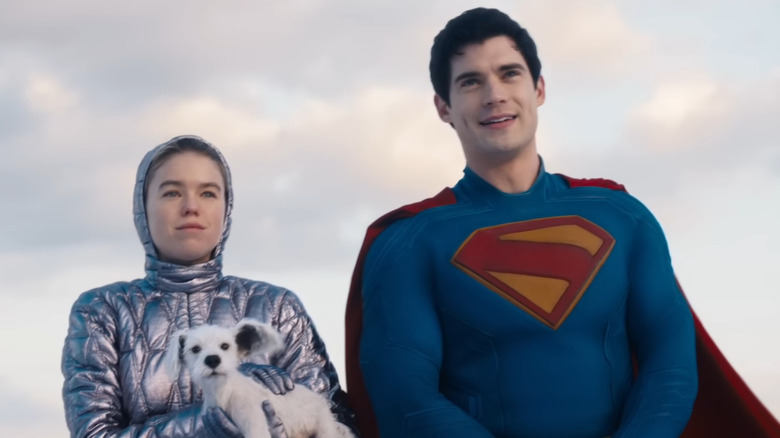
Sources close to DC Studios suggest that James Gunn remains committed to the character of Kara Zor-El, noting that her role in the upcoming Justice League ensemble remains unchanged. However, internal reports suggest that future solo projects for "Tier 2" characters may see significant budget slashes or moves to the Max streaming platform to mitigate financial risk.
Implications: What This Means for the DCU
The failure of Supergirl sends shockwaves through the industry and raises uncomfortable questions about the viability of the "Gods and Monsters" slate.
Re-evaluating the "Shared Universe" Model
The DCU was built on the premise that every film is a "chapter" in a larger story. However, if audiences ignore a chapter, the momentum of the entire narrative is threatened. Warner Bros. may be forced to pivot back to standalone, filmmaker-driven projects (like Joker or The Batman) rather than interconnected sagas that require viewers to see every installment.

The Future of Female-Led Superhero Films
There is a growing concern among industry observers that the failure of Supergirl, following The Marvels, will lead to a regressive trend in studio greenlighting. While the failure was due to budget and tone, studios often draw the wrong conclusions, potentially leading to fewer opportunities for female-led action blockbusters in the $100M+ range.
Budgetary Discipline
Moving forward, it is likely that DC Studios will implement stricter budgetary controls. The success of Deadpool (2016) and Joker (2019) proved that R-rated or character-focused films can thrive on mid-range budgets. If the DCU is to survive, it must learn to tell epic stories without requiring every film to be a top-ten all-time earner.
In conclusion, Supergirl is a sobering reminder that the "Super" prefix is no longer a shield against market realities. As the film begins its likely rapid descent from the box office charts, the architects of the DCU must decide if they will stay the course or adjust their trajectory before the next hero takes flight.