
The New Horizon of Middle-earth: Peter Jackson and the Quest for The Silmarillion
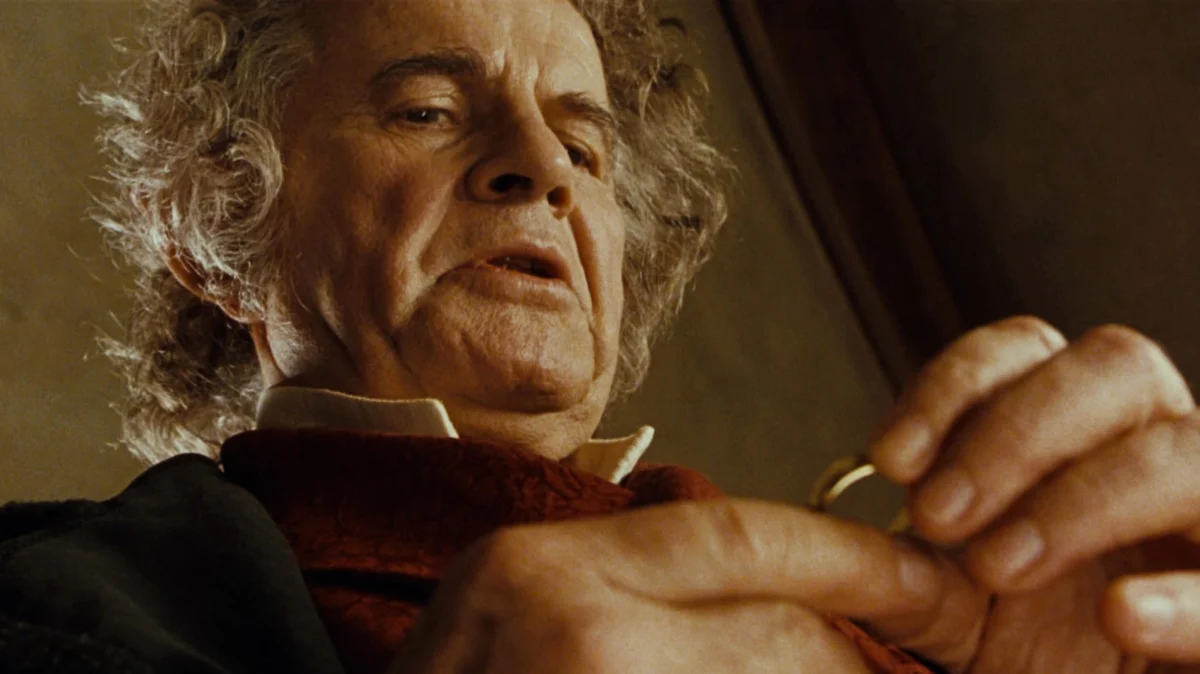
The landscape of cinematic fantasy is shifting once again. For decades, the complex web of licensing rights surrounding J.R.R. Tolkien’s legendarium has been the primary obstacle preventing some of the author’s most profound works from reaching the silver screen. However, recent developments suggest that the "Holy Grail" of fantasy literature—The Silmarillion—may finally be within reach for filmmaker Peter Jackson and Warner Bros. Discovery.
As the franchise prepares for a massive resurgence in 2026 and 2027, the potential acquisition of these rights marks a turning point for Middle-earth. This move would transition the franchise from adapting footnotes and appendices to dramatizing the foundational myths of Tolkien’s world.
Main Facts: A New Era for Warner Bros. and Tolkien
In a recent interview with Deadline, Peter Jackson confirmed that he and Warner Bros. are currently in active discussions with the Tolkien Estate. The goal is to license specific narratives from The Silmarillion and Unfinished Tales, books that have historically been off-limits to filmmakers. Jackson’s remarks indicate a strategic shift in the relationship between the studio and the estate, particularly following the passing of Christopher Tolkien and the rise of a younger generation of board members.
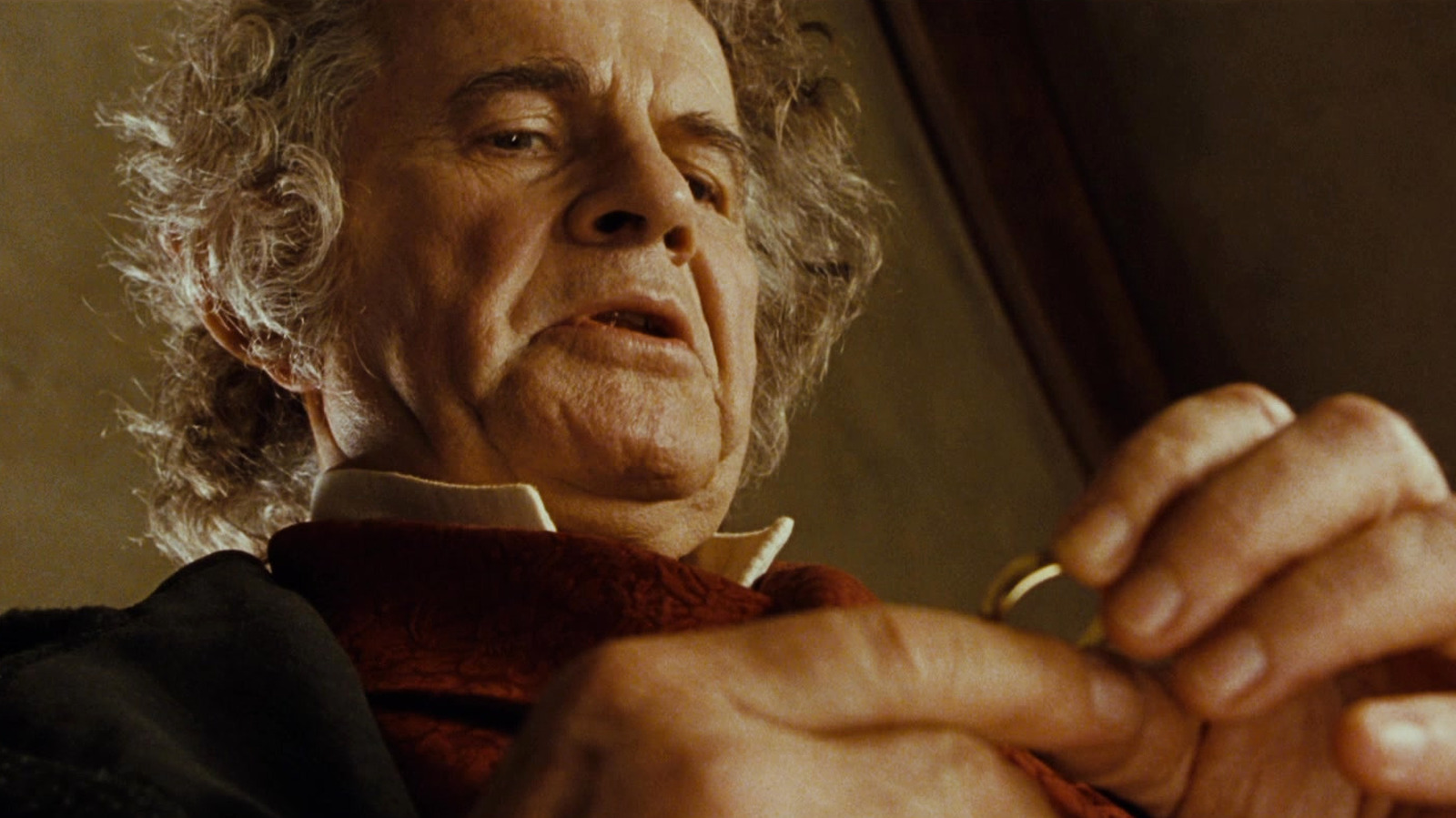
"There’s a lot more Tolkien writing, which would actually make great movies," Jackson stated, emphasizing a desire to move beyond the fragmented history found in the Lord of the Rings appendices. This news arrives amidst a crowded schedule for the franchise:
- The Rings of Power Season 3: Slated for November 2026 on Amazon Prime.
- The Hunt for Gollum: Directed by Andy Serkis and produced by Jackson, set for a late 2027 release.
- The Stephen Colbert Project: A newly announced film project spearheaded by the renowned Tolkien enthusiast.
By securing the rights to The Silmarillion, Warner Bros. would effectively gain the blueprint for a "Middle-earth Cinematic Universe" that spans thousands of years, offering stories that are arguably more epic in scale than the original trilogy.
Chronology: The Evolution of Middle-earth Rights
To understand the weight of this development, one must look at the convoluted history of Tolkien’s intellectual property.
- 1969: J.R.R. Tolkien sold the film rights to The Hobbit and The Lord of the Rings to United Artists for £100,000. These rights eventually moved to Saul Zaentz’s Middle-earth Enterprises.
- 2001–2003: Peter Jackson’s trilogy is released, based strictly on the books sold in 1969.
- 2012–2014: The Hobbit trilogy is released. Again, legal restrictions meant the films could not reference characters or events exclusive to The Silmarillion.
- 2017: Amazon Studios strikes a landmark $250 million deal with the Tolkien Estate to produce a television series. Crucially, they only had access to the Lord of the Rings appendices, forcing the writers to "fill in the gaps" for the Second Age.
- 2022: Embracer Group acquires Middle-earth Enterprises, gaining the rights to films, games, and merchandise for the primary trilogy and The Hobbit.
- 2024–2026: Warner Bros. and Peter Jackson begin negotiating directly with the Tolkien Estate for the "excluded" books, seeking to unify the lore under one creative vision.
Supporting Data: 5 Stories That Could Redefine Fantasy Cinema
If Jackson successfully secures the rights, the narrative potential is staggering. Here are the five primary candidates for adaptation, each offering a distinct tone and scale.
1. Beren and Lúthien: The Ultimate Romance
Of all the tales in The Silmarillion, the story of the mortal man Beren and the Elven princess Lúthien was the most personal to Tolkien (the names are even inscribed on his and his wife’s gravestones).
- The Plot: Lúthien’s father, King Thingol, demands an impossible dowry for his daughter’s hand: a Silmaril from the iron crown of Morgoth, the original Dark Lord.
- Cinematic Potential: This story features the first successful heist against the ultimate evil. It includes the giant wolf Carcharoth, the talking hound Huan, and a display of female heroism that surpasses almost anything in the current film canon.
2. The Children of Húrin: A Dark, Gritty Tragedy
While The Lord of the Rings is a story of hope, The Children of Húrin is a relentless tragedy. Edited into a standalone novel by Christopher Tolkien, it follows Túrin Turambar, a hero cursed by Morgoth.
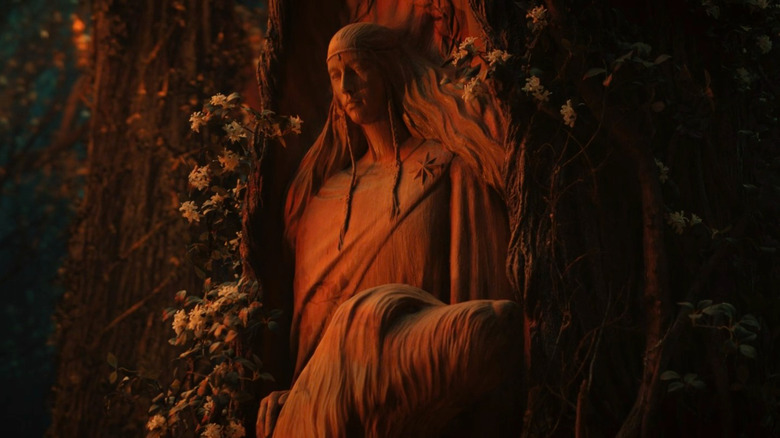
- The Plot: After the hero Húrin is captured, Morgoth curses his entire lineage. Túrin grows up to be a formidable but haunted warrior whose every "heroic" action leads to unintentional disaster, including the accidental destruction of kingdoms and a tragic, incestuous marriage.
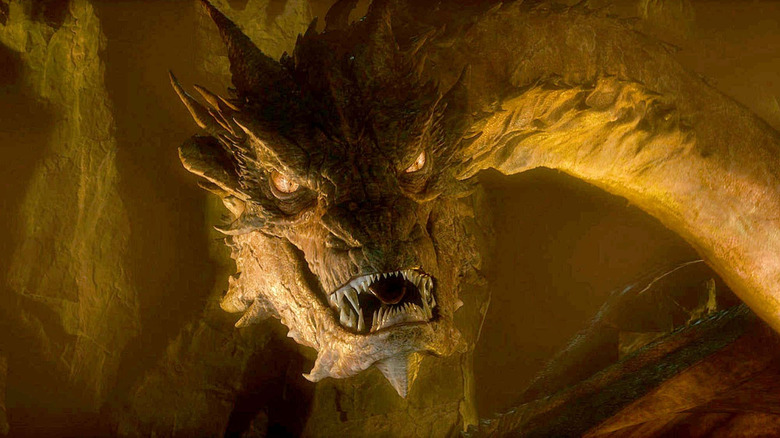
- Cinematic Potential: This is Tolkien’s "Game of Thrones." It is dark, mature, and features one of the most terrifying dragons in literature—Glaurung the Deceiver.
3. The Fall of Gondolin: The Epic Siege
This was the first story of Middle-earth that Tolkien ever wrote, composed in the trenches of World War I. It tells the story of Tuor and his journey to the hidden city of Gondolin.
- The Plot: Gondolin is a secret Elven sanctuary, the last holdout against Morgoth. Tuor arrives to warn of its doom, but the city is eventually betrayed from within.
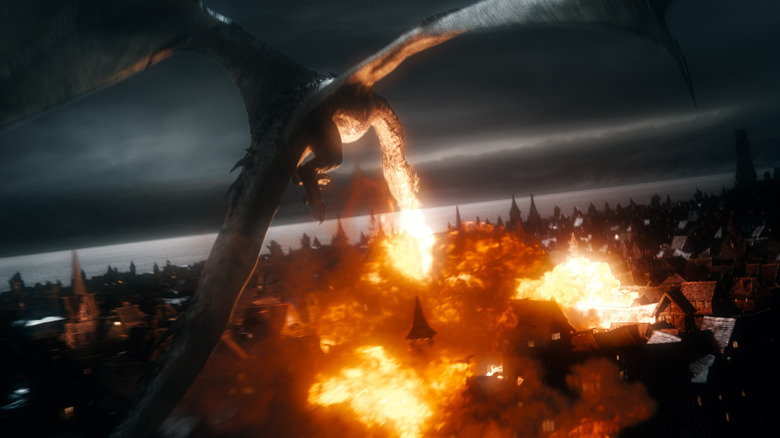
- Cinematic Potential: The siege of Gondolin would make the Battle of Pelennor Fields look small. It features armies of Balrogs, mechanical fire-drakes, and the heroic sacrifice of Glorfindel. It also introduces Eärendil, the mariner who eventually saves Middle-earth.
4. Aldarion and Erendis: The Mariner’s Wife
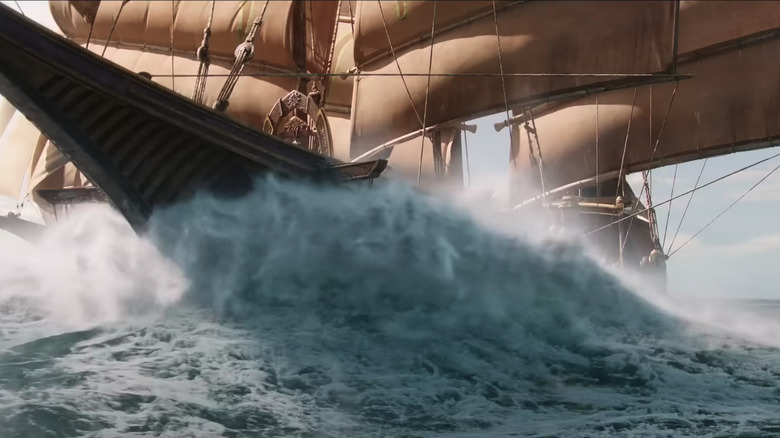
For a change of pace, Jackson could look to Unfinished Tales for this Second Age drama. It is a domestic story set in the island kingdom of Númenor during its golden age.
- The Plot: Prince Aldarion is obsessed with the sea and the exploration of Middle-earth, while his wife, Erendis, longs for the forests of her home. Their marriage collapses under the weight of his ambition and the "sea-longing."
- Cinematic Potential: This offers a "prestige drama" look at Númenor, focusing on character development and the environmental cost of expansion, providing a grounded counterpoint to the high-fantasy battles.
5. Cirion and Eorl: The Birth of Rohan
This story from Unfinished Tales serves as the perfect prequel for fans of the Rohirrim.
- The Plot: Set 500 years before the War of the Ring, it depicts a desperate Gondor under siege. A young leader named Eorl leads his Northmen on a massive cavalry charge to save Gondor, leading to a permanent oath of friendship and the gifting of the land that would become Rohan.
- Cinematic Potential: It utilizes the "Tolkienian cavalry charge" that Jackson directs so well, providing a historical foundation for the iconic "The Beacons are Lit" moment.
Official Responses and Industry Context
The response from the industry has been one of cautious optimism. Warner Bros. Discovery CEO David Zaslav has been vocal about his desire to "meaningfully" expand the studio’s most valuable franchises. By involving Peter Jackson—the architect of the franchise’s cinematic success—the studio is attempting to reassure a fanbase that has been divided by more recent adaptations.
The Tolkien Estate has not issued a formal press release regarding the negotiations, but Jackson’s public comments suggest that the "younger members" of the estate are more open to the "transmedia" nature of modern storytelling. This represents a significant departure from the late Christopher Tolkien’s stance, who was famously protective of the literary purity of his father’s work.
Implications: The Future of the Legendarium
The licensing of The Silmarillion and Unfinished Tales would have three major implications for the future of entertainment:
1. Narrative Cohesion: Currently, the rights are fractured. Amazon has the Second Age (sort of), and Warner Bros. has the Third Age. Access to the First Age texts would allow Jackson to create a cohesive timeline that explains the origins of the Rings, the Wizards, and the various races of Middle-earth.
2. Visual Innovation: The Silmarillion describes events on a cosmic scale—the creation of the world through music, the darkening of the Two Trees, and the War of Wrath. These would require a leap in visual effects technology, potentially pushing the boundaries of cinema just as the original trilogy did in 2001.
3. Intellectual Longevity: By moving into the "Deep Lore," Warner Bros. ensures that Middle-earth remains a viable franchise for decades. They are no longer limited to remaking the same three books; they have thousands of years of history to mine for anthology films, limited series, and epic sagas.
As 2026 approaches, the "buzz" in the fan community is not just about the return of Gollum or the next season of a TV show. It is about the possibility that the most profound and mythic stories of J.R.R. Tolkien’s life’s work may finally be translated into the visual language of the 21st century. If Peter Jackson can bridge the gap between the Estate and the Studio, the Second Golden Age of Middle-earth cinema is about to begin.

Leave a Comment