The Virtual Frontier: A Comprehensive Guide to VR and MR Releases in July 2026
The landscape of immersive technology is shifting rapidly as we enter the third quarter of 2026. Following a high-octane spring and a June defined by massive industry announcements, July arrives not as a lull, but as a strategic expansion of the virtual reality (VR) and mixed reality (MR) libraries. With the echoes of the UploadVR Summer Showcase and the VR Games Showcase still vibrating through the community, players are transitioning from anticipation to hands-on engagement.
This month’s lineup reflects a maturing industry. We are seeing fewer experimental "tech demos" and more polished, multi-platform releases that bridge the gap between mobile-focused standalone headsets and high-fidelity PC VR environments. From tactical shooters that demand millisecond precision to cozy spatial builders that transform the living room, July 2026 offers a diverse portfolio for enthusiasts across Meta Quest, SteamVR, and PlayStation VR2.
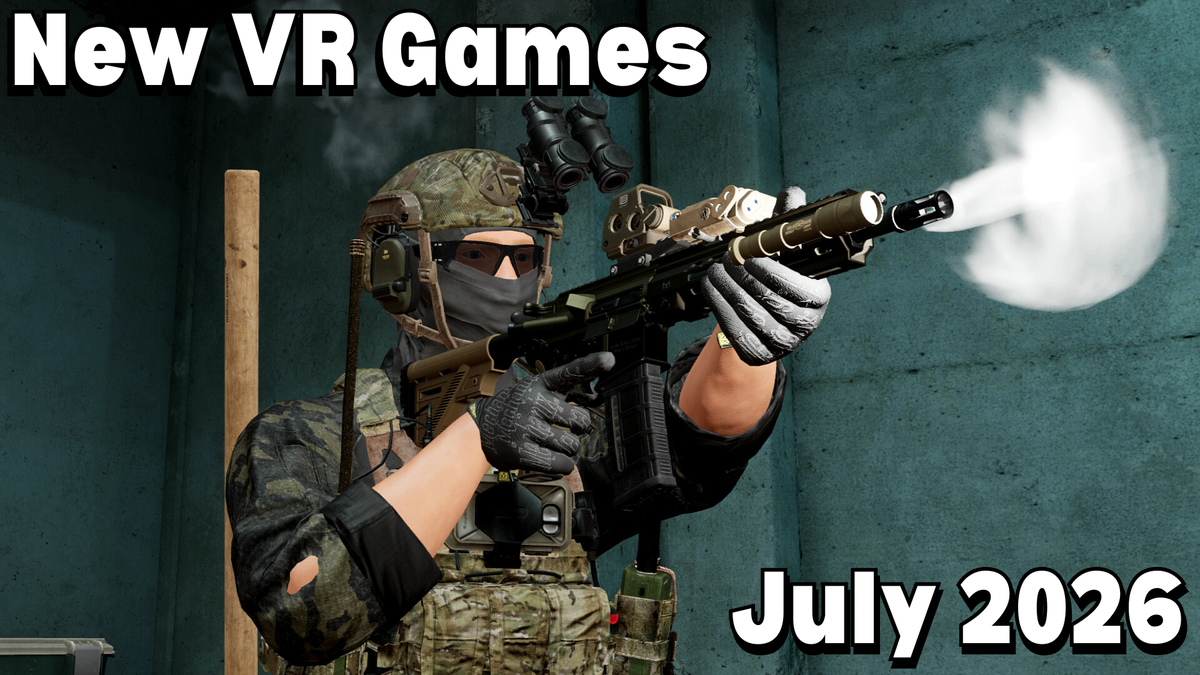
Main Facts: The July VR Landscape
July 2026 serves as a pivotal month for platform parity and the emergence of Mixed Reality as a standard feature rather than a niche experimental mode. Several key themes define this month’s release schedule:
- The Rise of the Hybrid Port: Developers are increasingly focusing on bringing successful Quest or mobile titles to PC VR with enhanced assets, or vice versa, ensuring that hardware limitations no longer dictate the quality of the gameplay experience.
- Tactical Realism and High-Stakes Action: The demand for "hardcore" tactical shooters remains at an all-time high, with titles like Geronimo attempting to capture the niche left by traditional flatscreen tactical sims.
- Mixed Reality (MR) Integration: With the Quest 3 and subsequent headsets now firmly established in the market, developers are moving beyond simple pass-through modes to create games like Cybercore Protocol, where the physical environment is a core gameplay mechanic.
- Summer Sales Synergy: The month is bolstered by significant retail events, including the tail end of the UploadVR Summer Showcase Humble Bundle and the ongoing Steam and Meta Summer Sales, making it one of the most cost-effective months for players to expand their digital libraries.
Chronology of Releases: July 2026
The following timeline outlines the key software launches scheduled for the month. These dates are subject to the inherent fluidity of software development, but they represent the current roadmap for the industry.
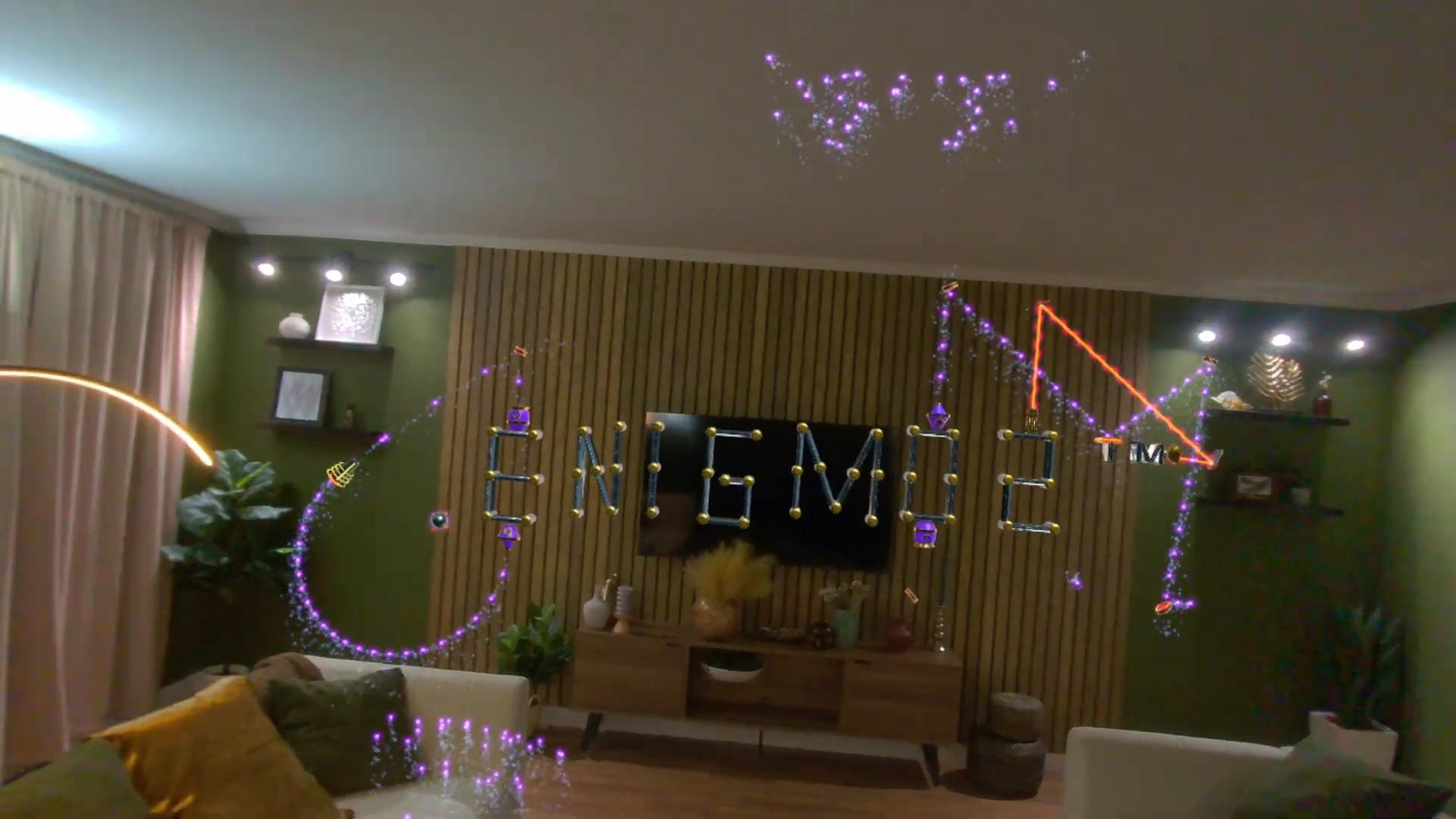
July 7: Enigmo (PC VR)
Kicking off the month is Enigmo, an award-winning puzzle classic that has undergone a complete "spatialization" process. Developed by Fortell Games, Enigmo originally found fame on mobile platforms but has been rebuilt to take advantage of 3D space. Players manipulate various parts—slides, bumpers, and sponges—to direct a flow of liquid into a target container.
The Steam release on July 7 brings high-resolution textures and precise motion control support that were previously missing from the mobile experience. While the Meta Horizon store listing suggests a "Fall 2026" window for the standalone version, PC VR users get an early look at how classic puzzle mechanics can be revitalized through spatial computing.
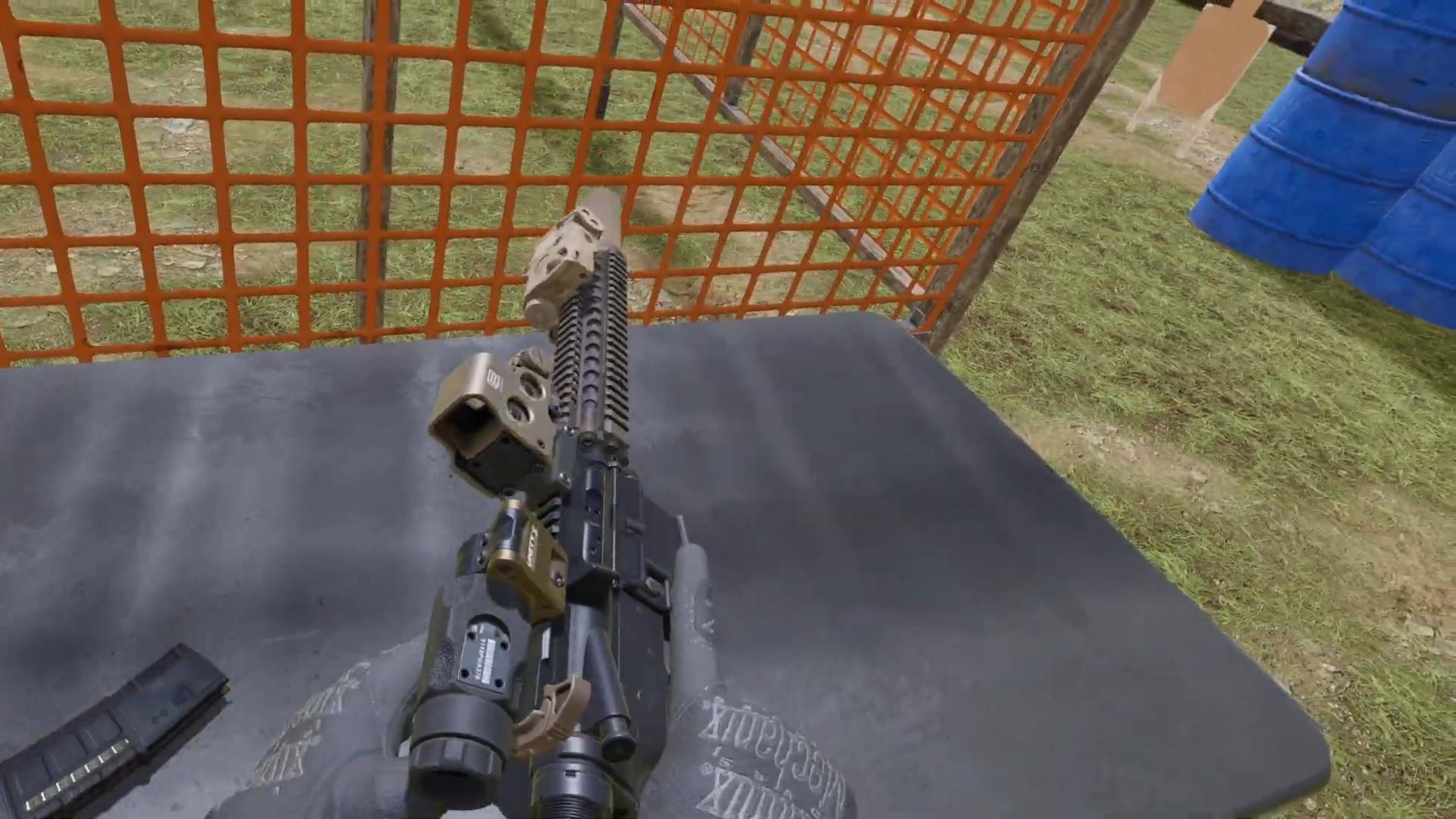
July 10: Geronimo* (PC VR – Early Access)
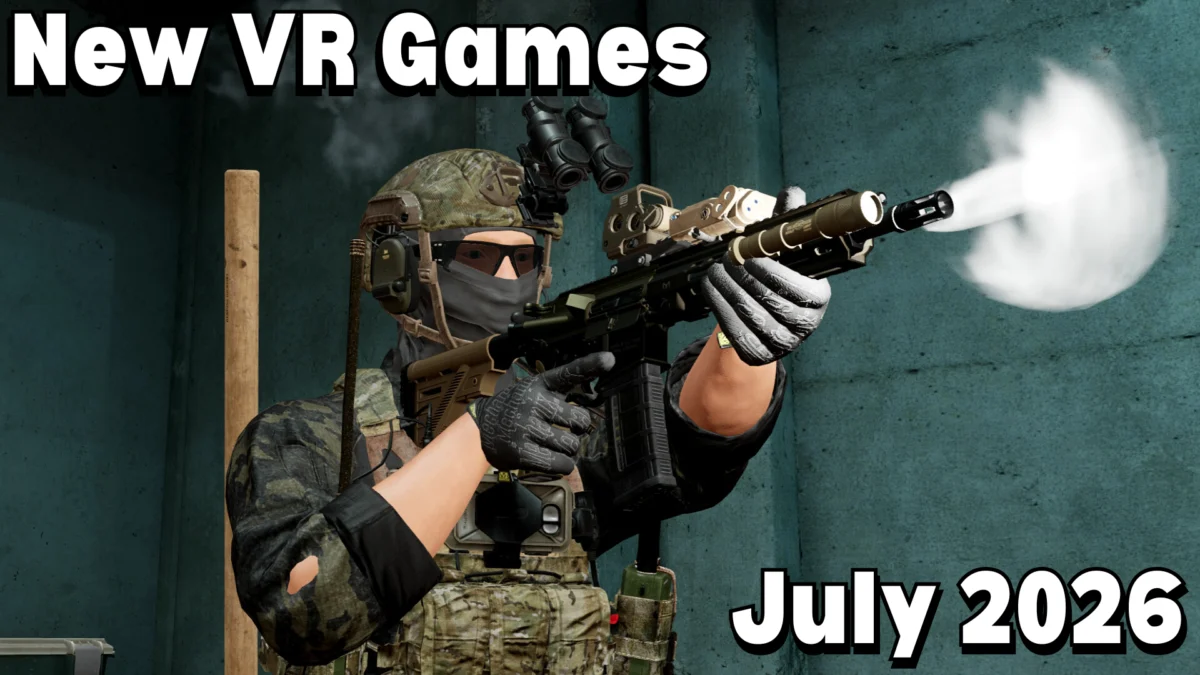
Perhaps the most anticipated title for fans of military simulation, Geronimo enters Early Access on July 10. Inspired by tactical giants like Ready or Not and Insurgency Sandstorm, Geronimo focuses on close-quarters-battle (CQB) realism.
The game has been in development since 2023, with the developers emphasizing procedural room clearing and realistic ballistic physics. Entering Early Access allows the community to provide feedback on weapon handling and AI behavior—two critical components for a game aiming to unseat established tactical shooters in the VR space.

July 16: Fixer Undercover (PC VR)
Mid-month sees the arrival of Fixer Undercover on PC VR. This title is a spy-thriller-themed escape room puzzler that originally garnered acclaim on the Meta Quest platform (earning a solid 4/5 stars from critics).
The PC port is not a simple 1:1 translation; it is a flatscreen/VR hybrid that features significantly improved lighting, shadow effects, and physics-based world interactions. This release highlights a growing trend of "premium ports" where developers use the extra overhead of PC hardware to realize the artistic vision that was constrained by mobile processors.

July 23: A Double Header for Quest 3
July 23 marks a significant day for Meta Quest 3 owners with two major releases:
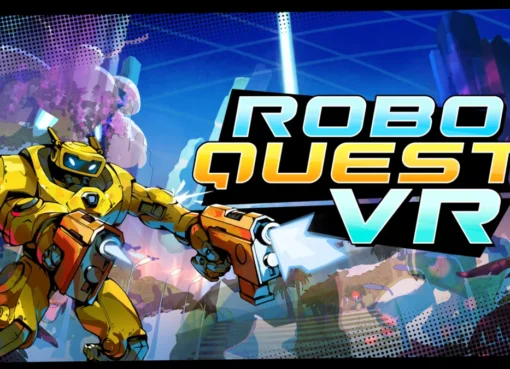
- Roboquest VR: After a disappointing delay in May, the high-octane roguelite FPS finally arrives. The delay was specifically utilized to ensure the Quest 3 version maintained the "blistering speed" of its PC and PS VR2 counterparts. This launch coincides with a massive co-op update, enabling cross-platform play and solidifying the game’s position as a social action staple.
- Puzzles of the World: Shifting gears to a more relaxed pace, this cozy builder leaves Early Access for a full release. It utilizes the Quest’s MR capabilities to let players build intricate miniatures of world-famous locations on their real-world coffee tables.
July 26: Cybercore Protocol (Quest)
Late in the month, Cybercore Protocol launches as a dedicated Mixed Reality action game. Unlike traditional VR games that block out the world, Cybercore Protocol scans the user’s room and turns it into a digital bunker. Portals appear on your actual walls, and enemies attempt to breach your physical space. It represents a "next-gen" approach to MR gaming where the play space is unique to every user.
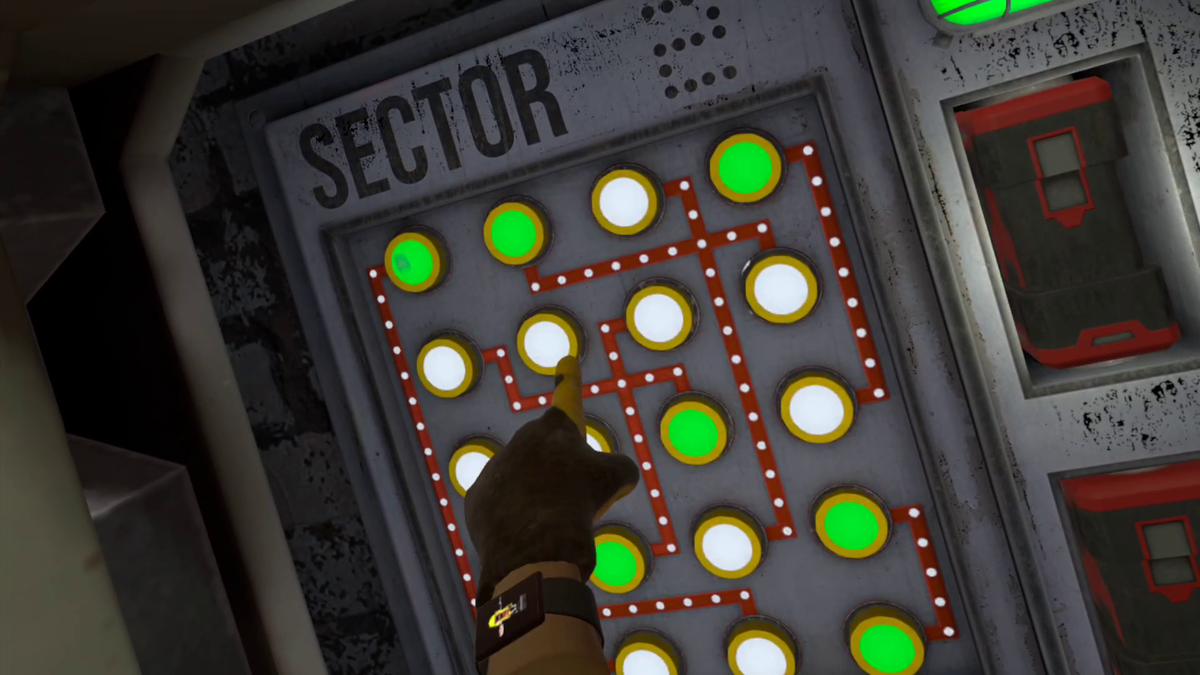
July 30: Closing the Month with Hyperstacks and Streets of Miami VR
The month concludes with two very different takes on the action genre:
- Hyperstacks (Steam): A parkour-driven combat game that has been refined in Early Access since 2021. Its "Greenlink" system allows for user-generated content (UGC), ensuring that the game has a lifespan far beyond its initial levels.
- Streets of Miami VR (Steam/Quest): Heavily influenced by the Grand Theft Auto series, this 1980s crime drama offers a semi-open world. Players must climb the criminal ladder in a neon-soaked Miami. While slated for both platforms, the community is watching closely to see if the ambitious open-world mechanics translate smoothly to the Quest’s mobile chipset.
Supporting Data: The Economic and Technical Context
The release schedule of July 2026 does not exist in a vacuum. It is supported by a robust economic ecosystem. The UploadVR Summer Showcase Humble Bundle, live until July 8, has already contributed to a surge in the active player base for older titles, creating a "halo effect" that benefits new releases.
Furthermore, the Steam Summer Sale and Meta Quest Summer Sale have historically shown that VR users are highly likely to "bundle" their purchases. Data from previous years suggests that for every new "AA" title purchased in July, users typically buy 2.5 older titles on sale. This provides a crucial revenue stream for indie developers who may not have a new release this month but benefit from the increased traffic on digital storefronts.
From a technical standpoint, the hardware split in July 2026 is telling. Approximately 60% of the month’s releases feature specific optimizations for the Quest 3’s Snapdragon XR2 Gen 2 chip, particularly in the realm of Mixed Reality and AI-driven NPC behavior.

Official Responses and Developer Insights
Developers have been vocal about the challenges and opportunities of the July window. A spokesperson for Squirrel Bytes, the team behind Hyperstacks, noted that the move to a full Steam release was driven by the desire to "unify the community through cross-platform level sharing." They emphasized that UGC is the "future of VR longevity."
Regarding the delay of Roboquest VR, the development team issued a statement in late May:
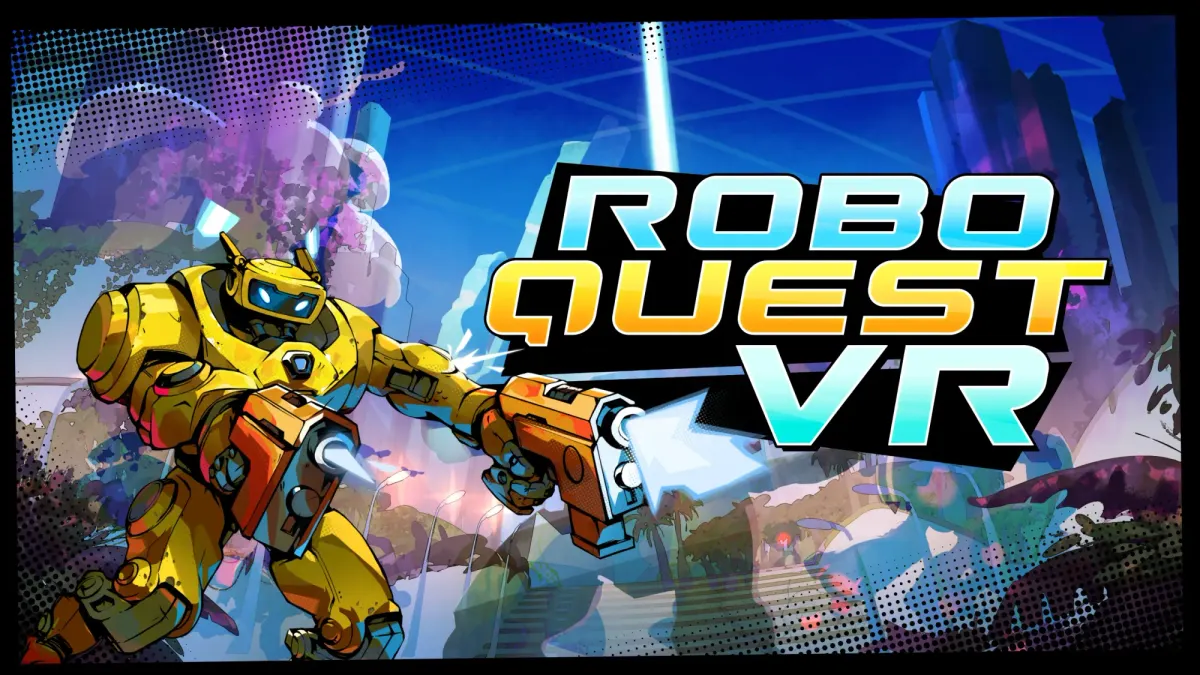
"We realized that a ‘good’ port wasn’t enough. Roboquest is defined by its fluidity. If we dropped a single frame on the Quest 3, the experience would break. We took the extra two months to ensure that the mobile version feels indistinguishable from the PC version in terms of gameplay response."
This sentiment reflects a broader industry shift where developers are now willing to delay releases to ensure high-performance standards, a lesson learned from the "clunky" porting era of 2022-2023.

Implications: What This Means for the Future of XR
The implications of the July 2026 release slate are profound for the remainder of the year.
First, the heavy emphasis on Mixed Reality in games like Cybercore Protocol and Puzzles of the World suggests that the industry is successfully moving past the "novelty" phase of MR. Developers are finding legitimate gameplay reasons to keep the pass-through cameras on, reducing the "isolation factor" that has long been a barrier to entry for VR.
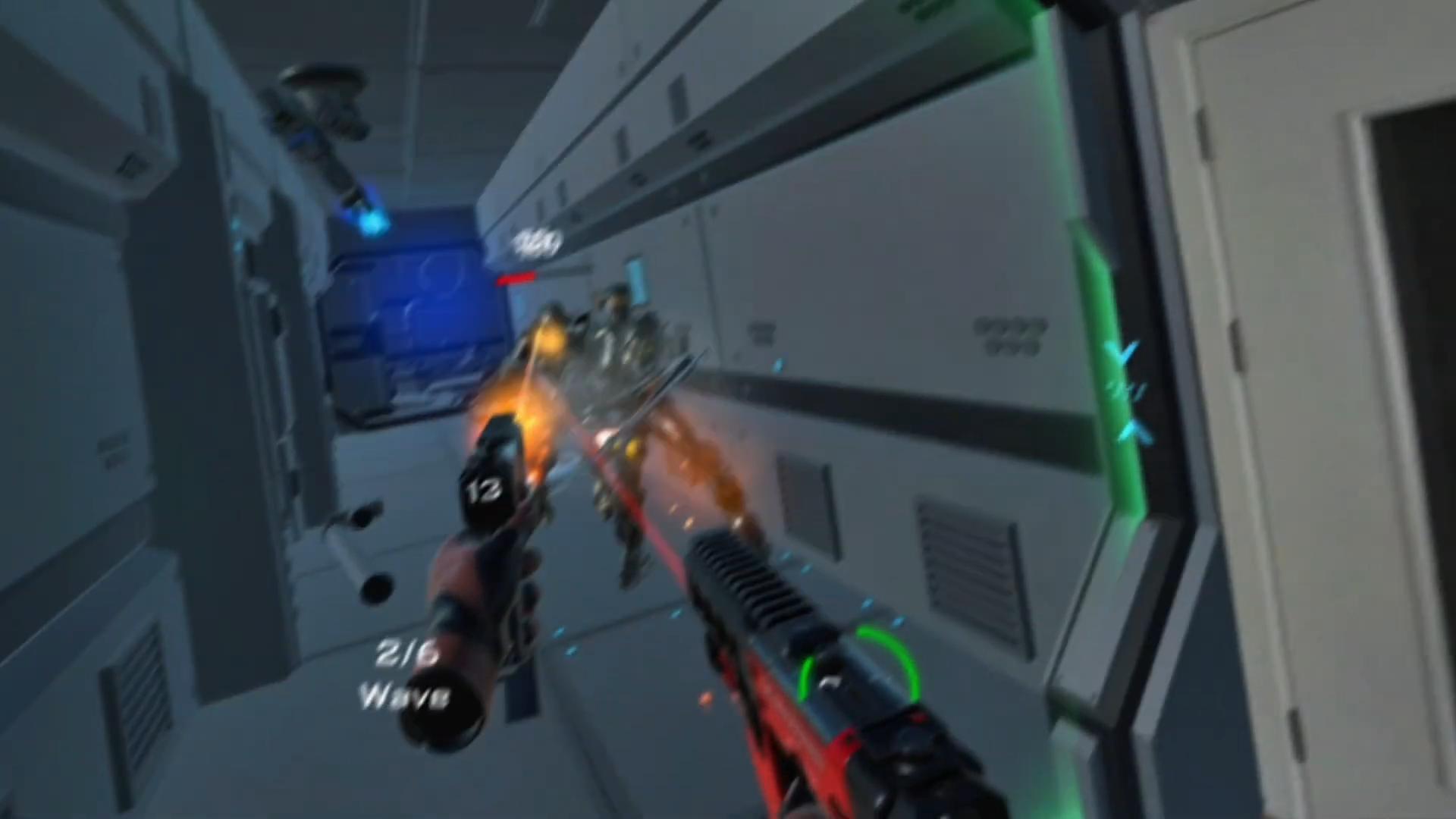
Second, the cross-platform co-op trend seen in Roboquest VR indicates that the "walled garden" approach is dying. For VR to thrive, the player base cannot be fragmented by hardware choices. July’s focus on interoperability is a healthy sign for the ecosystem’s long-term viability.
Finally, the sheer variety of genres—from 80s crime dramas to tactical CQB simulators—shows that VR is no longer just a haven for "rhythm games and wave shooters." It has become a mature gaming platform capable of supporting complex narratives and deep mechanical systems. As we look toward the holiday season of 2026 and into 2027, July stands as the foundation upon which the next generation of immersive hits will be built.