Bridging the Long Night: Game of Thrones Fans Turn to Digital Realms Amidst Multi-Year Television Hiatus
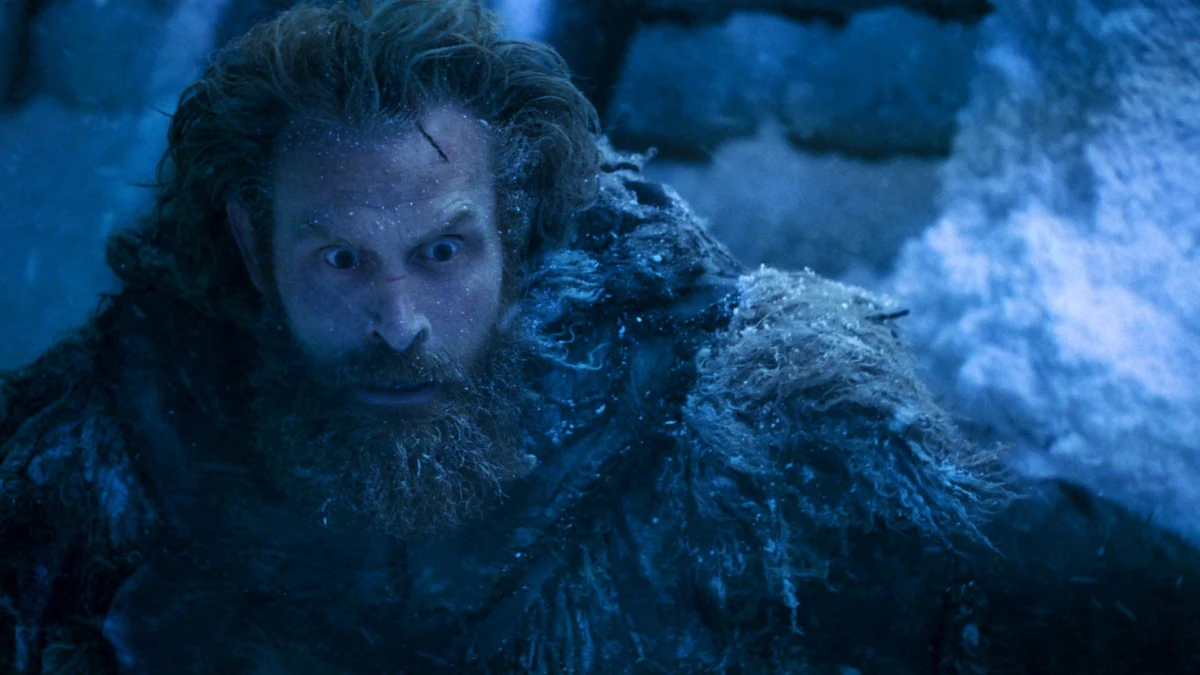
The sprawling world of Westeros has officially entered what seasoned fans call a "Long Night"—a protracted interregnum between major television releases. Following the conclusion of House of the Dragon Season 2 and the wrap-up of subsequent production cycles, the franchise has settled into a quiet period that is expected to last until at least 2027. However, while the silver screen remains dark, the digital and theatrical landscapes are providing a crucial lifeline for the fandom.
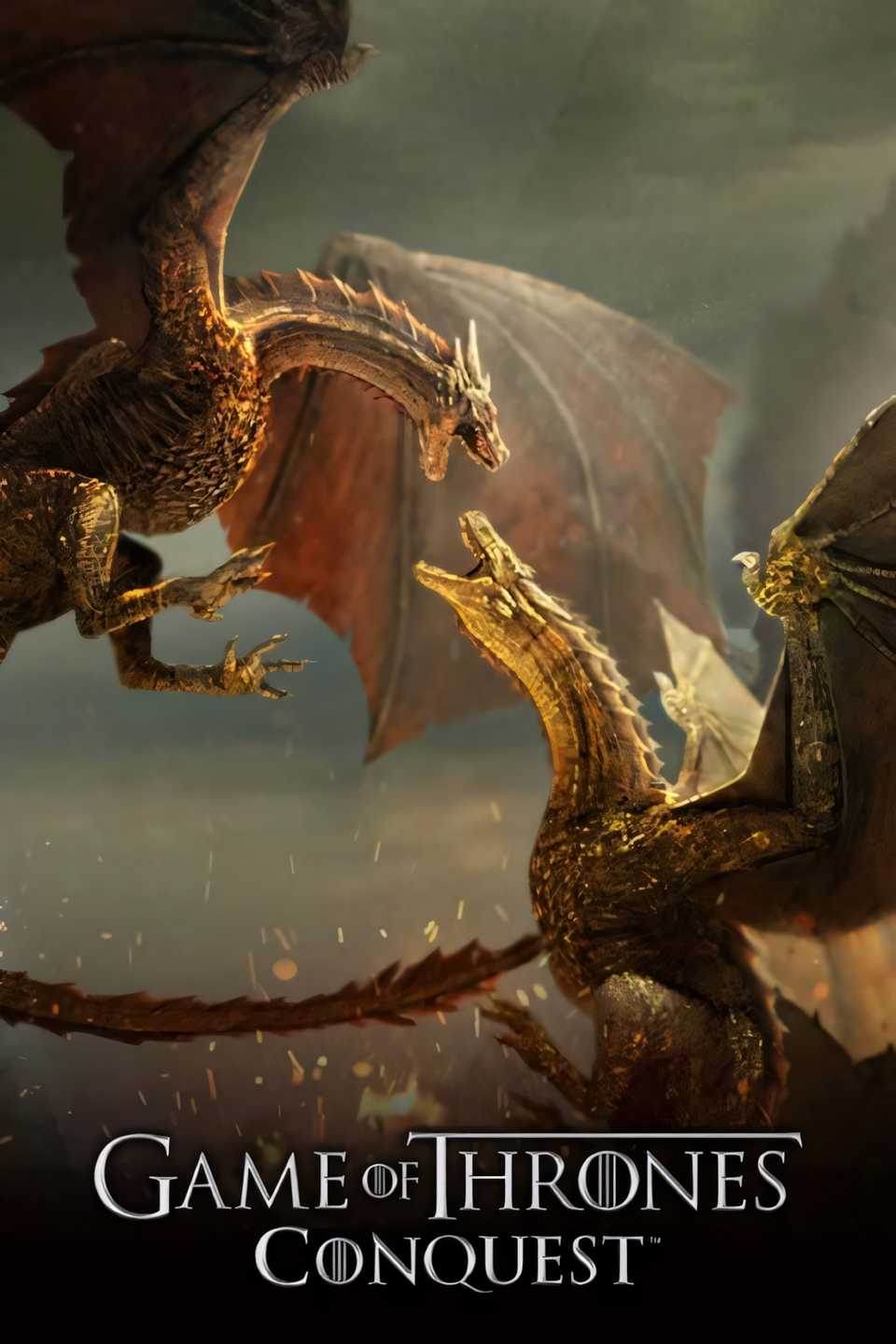
From the limited-run stage play The Mad King to the high-stakes strategy of mobile gaming, the Game of Thrones ecosystem is currently being sustained by interactive and live experiences. Most notably, the mobile titan Game of Thrones: Conquest has emerged as the primary vehicle for narrative and community engagement, launching its "The Great Hunt" event this August to bridge the gap left by delayed triple-A titles and television seasons.
Main Facts: The State of the Seven Kingdoms
The current state of the Game of Thrones franchise is characterized by a significant shift in release windows. While HBO’s House of the Dragon remains the flagship property, the wait for Season 3 is confirmed to extend into 2027. Similarly, the spin-off series A Knight of the Seven Kingdoms has seen its Season 2 timeline pushed back to the same year.
In the realm of digital entertainment, the landscape is equally complex. The highly anticipated real-time strategy (RTS) title War for Westeros, developed by PlaySide Studios, was originally slated for a late 2026 release. However, recent industry updates confirm that this project has also been delayed to 2027, leaving a vacuum in the high-end gaming sector.
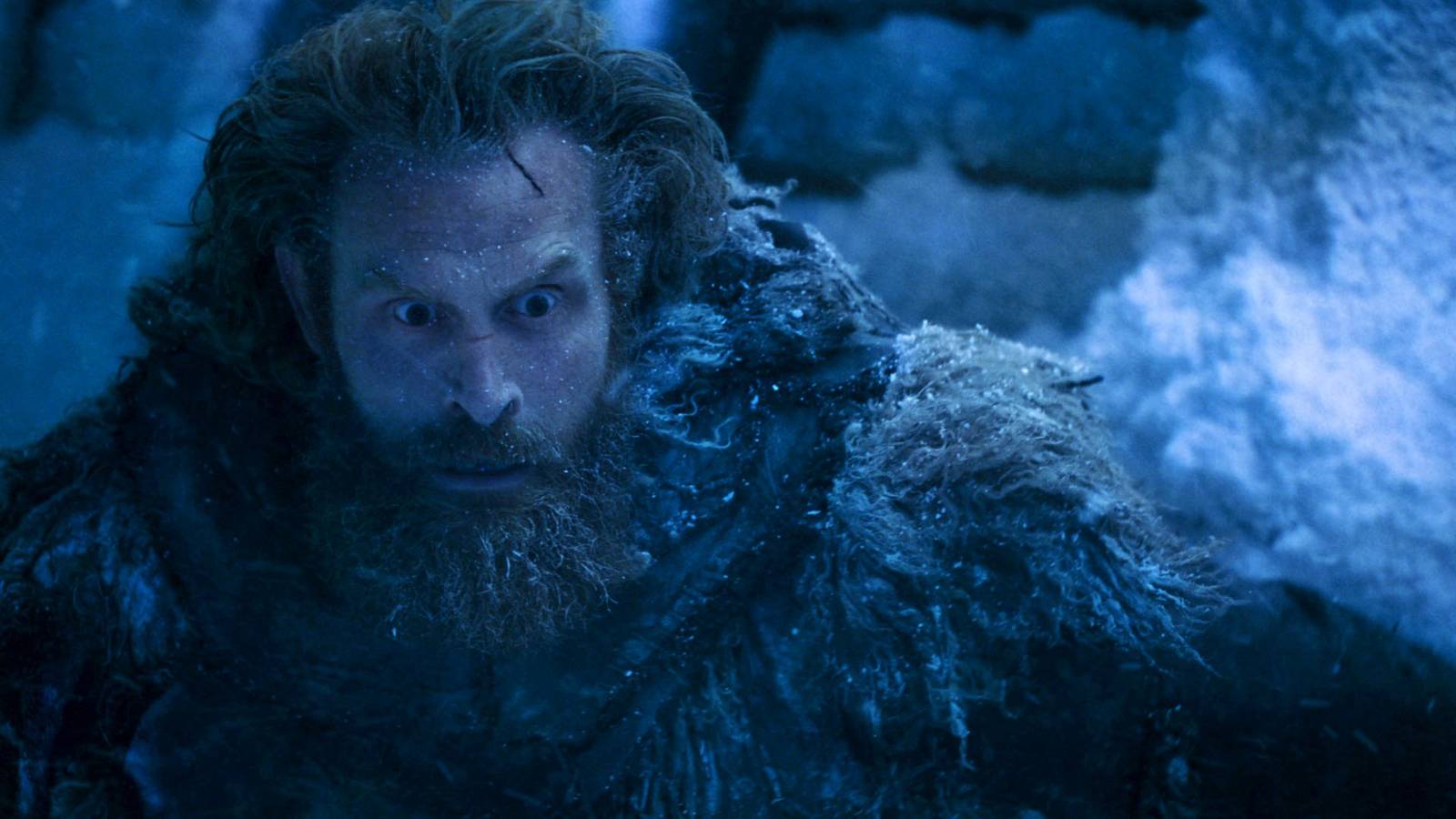
In response to this content drought, Warner Bros. Games Boston and Turbine have doubled down on their flagship mobile title, Game of Thrones: Conquest. This month, the game serves as the epicenter of the franchise’s activity through the "History and Visions" arc. The centerpiece of this initiative is "The Great Hunt," a cooperative Player-vs-Environment (PvE) event running from August 18 to August 22, 2026. This event is designed to foster community engagement and provide a sense of progression that mirrors the political maneuvering and warfare seen in the original series.
Chronology: The Roadmap Through 2027
To understand the current "Long Night," one must look at the timeline of releases and events that define the next eighteen months of the franchise:
- August 10 – 24, 2026: The House of the Dragon mini-arc remains live in Game of Thrones: Conquest, featuring tie-ins to the HBO series, including Vhagar Hero Relics and themed cosmetics.
- August 18 – 22, 2026: "The Great Hunt" takes place. This specific window is the most critical for active players looking to secure rare materials and cooperative rewards.
- August 24 – 31, 2026: The "Honor of the Old Gods" event serves as the finale for the "History and Visions" arc.
- September 5, 2026: The final performance of the stage play The Mad King at the Royal Shakespeare Theatre in Stratford-upon-Avon. This marks the end of the current live-theatrical expansion of the lore.
- Late 2026 – Early 2027: A projected "silent period" where no major scripted content is expected, representing the peak of the production lull.
- Early 2027: The tentative release window for A Knight of the Seven Kingdoms Season 2.
- Mid-to-Late 2027: The anticipated return of House of the Dragon Season 3 and the rescheduled launch of the RTS game War for Westeros.
Supporting Data: The Resilience of the Digital Ecosystem
Despite the absence of new television episodes, the Game of Thrones brand remains a powerhouse in the mobile market. Data from Google Play and the Apple App Store consistently place Game of Thrones: Conquest and its companion title Dragonfire among the top-downloaded strategy games globally.
The success of these titles is rooted in their ability to provide "live service" updates that react to the franchise’s broader movements. For instance, "The Great Hunt" is not merely a repetitive task but a structured Allegiance-based event. In Conquest terminology, an "Allegiance" is a player-run guild. "The Great Hunt" requires these groups to rally against creatures far more powerful than the standard PvE enemies found on the world map.

This cooperative mechanic serves two purposes:
- Community Retention: By forcing players to coordinate attacks, the game strengthens the social bonds of the player base, making it less likely for fans to drift away during the television hiatus.
- Resource Management: The event offers "Flashback Gear" materials. In a game that has been active since 2017, the ability to obtain materials from previous seasons is a vital catch-up mechanic for newer players and a refinement tool for veterans.
Furthermore, the integration of House of the Dragon elements—such as Vhagar Hero Relics and Dragon Heir March Pawn shards—demonstrates a sophisticated transmedia strategy. By using the mobile game to keep the imagery of the TV shows fresh in the minds of consumers, Warner Bros. maintains brand salience without the multi-million dollar overhead of a full production season.
Official Responses and Developer Insights
Warner Bros. Games Boston has emphasized that their goal with the August "History and Visions" arc is to provide depth that television often cannot. In statements regarding the current event cycle, the developers noted that special events like "The Great Hunt" are designed to sit outside the regular "PvE, PvP, and progression" loops. These are "unusual mechanics" intended to make the world of Westeros feel alive and unpredictable.
The delay of War for Westeros has been met with a mixture of disappointment and understanding from the gaming community. PlaySide Studios indicated that the push to 2027 was necessary to ensure the game meets the "epic scale" expected by the fanbase. While this creates a longer wait, it also places more pressure on Game of Thrones: Conquest to serve as the primary interactive outlet for the next year.
Journalists and analysts, including Nicholas Becher, have pointed out that the franchise’s survival during these gaps depends on the quality of these "smaller" experiences. Becher notes that the creative pedigree of the developers—many of whom hold advanced degrees in creative writing and years of experience in high-level gaming journalism—ensures that even mobile events are treated with a level of narrative respect that honors George R.R. Martin’s original vision.
Implications: The Future of Transmedia Storytelling
The current situation of the Game of Thrones franchise serves as a case study for the modern "mega-franchise." In an era where prestige television requires three years of production for a single season, the "Long Night" is no longer an anomaly—it is the standard.
The Shift to "Always-On" Content
The reliance on Game of Thrones: Conquest highlights a shift toward "always-on" content. For a franchise to remain relevant, it can no longer rely solely on a Sunday night time slot. It must exist on phones, on stages, and in the social interactions of its fans. The "Great Hunt" is a microcosm of this: it is a temporary event that creates a permanent memory of engagement.
The Risk of Franchise Fatigue vs. The Reward of Anticipation
There is a delicate balance between keeping a franchise alive and over-saturating the market. By focusing on high-quality, limited-time events rather than a constant stream of mediocre spin-offs, HBO and Warner Bros. are betting on the "scarcity model." The delay of War for Westeros and the long wait for House of the Dragon build a hunger for the world of Westeros that mobile games help to sate without fully satisfying.
The Role of Niche Media
The success of the The Mad King stage play suggests that there is a significant market for niche, high-brow expansions of popular IPs. While the play ends its run in September 2026, its existence proves that the Game of Thrones lore is flexible enough to transition from the visceral violence of a mobile war game to the psychological depth of the Royal Shakespeare Theatre.
Conclusion
As fans prepare for the remainder of 2026 and the long trek through 2027, the "The Great Hunt" and the "History and Visions" arc represent more than just mobile game updates. They are the flickering torches in the darkness of a production hiatus. While the wait for the return of the Targaryens and the Starks to television remains long, the digital battlefields of Westeros remain open for those willing to take up the sword. For the dedicated fan, the Long Night is not a time of stagnation, but a time to rally the Allegiance, hunt the great beasts of the north, and prepare for the eventual return of the dragon’s fire.