Shimmering Scales and Cinematic Ambition: Studiocanal Greenlights Handcrafted Adaptation of ‘The Rainbow Fish’
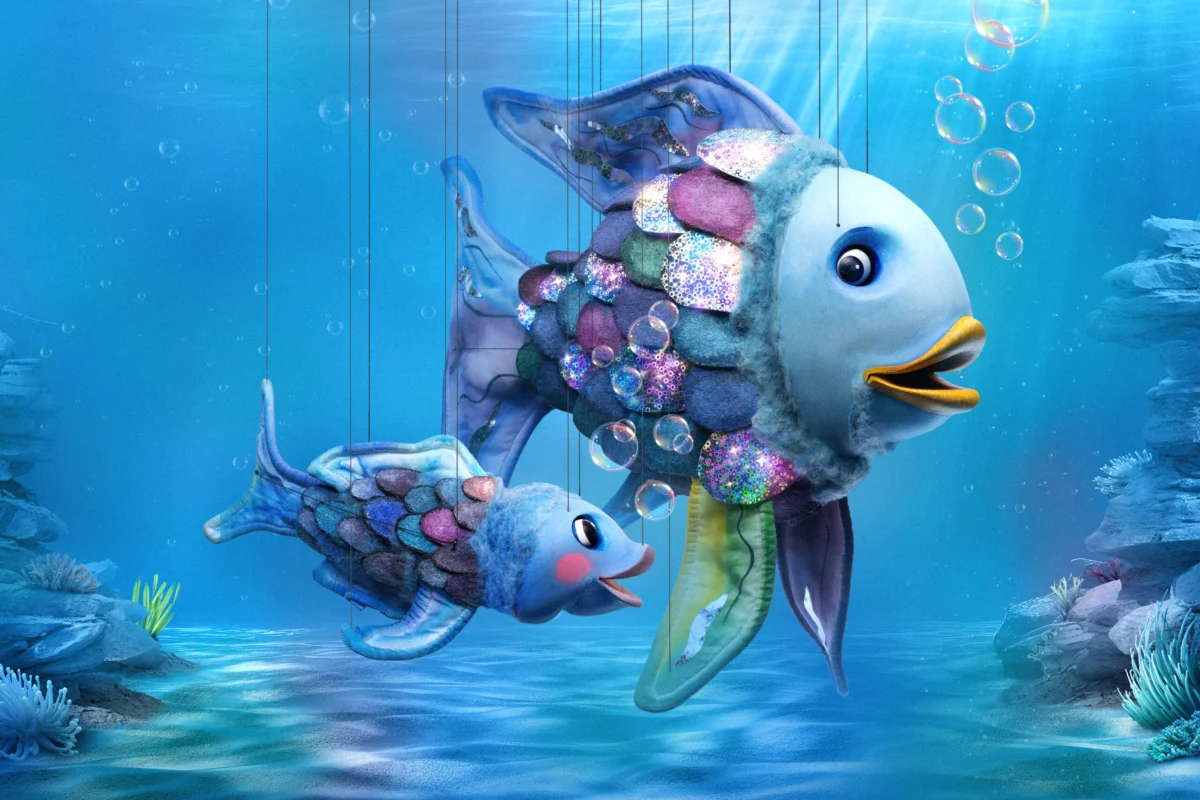
The global landscape of children’s entertainment is set to receive a splash of nostalgic brilliance as Studiocanal, the pan-European film giant, officially announces its latest venture: a feature-length animated adaptation of Marcus Pfister’s seminal work, The Rainbow Fish. This project marks a significant moment in European cinema, combining the heritage of a 30-million-copy bestseller with the artisanal craftsmanship of traditional German puppetry.
As the production gets underway, the film aims to translate the shimmering, tactile world of Pfister’s underwater kingdom into a "major cinematic experience." However, the adaptation arrives at a time when the source material is being viewed through a more critical contemporary lens, making the project not just a technical endeavor, but a cultural one as well.
Main Facts: A Powerhouse Collaboration
The announcement of The Rainbow Fish feature film is underpinned by a robust partnership between some of the most successful entities in European family entertainment. Studiocanal Germany is leading the charge, reuniting with longtime collaborators Claussen + Putz Filmproduktion and Zodiac Pictures. This "dream team" of production has a proven track record of modernizing German literary classics, having previously delivered box-office successes such as The Robber Hotzenplotz, The Little Witch, and the globally acclaimed Heidi.
Key Production Details
- Production Partners: Studiocanal Germany, Claussen + Putz Filmproduktion, Zodiac Pictures, and the Augsburg Puppet Theatre.
- Technique: Handcrafted puppet film combined with modern animation techniques.
- Director/Screenwriter: Florian Moch.
- Voice Cast: A high-profile German ensemble including Jannik Schümann, Luna Wedler, and Bela B. Felsenheimer.
- Release Date: Scheduled for German theatrical release on November 19, 2026.
- Distribution: Studiocanal is handling worldwide sales and distribution.
The film’s plot expands upon the 1992 picture book. While the core theme remains the Rainbow Fish’s journey from vanity to friendship, the screenplay introduces a more adventurous narrative. In this version, the Rainbow Fish loses one of his beloved scales and embarks on a perilous journey into the deep ocean. Accompanied by the "Little Blue Fish," the protagonist discovers that bravery is found in numbers and that true wealth lies in connection rather than aesthetic superiority.
Chronology: From Swiss Picture Book to Global Screen
The journey of The Rainbow Fish began in 1992 when Swiss author and illustrator Marcus Pfister first published the book with NorthSouth Books. Its defining feature—the holographic, shimmering foil scales—captured the imagination of a generation.
- 1992: The Rainbow Fish is published, quickly becoming a global sensation due to its unique visual style.
- 1992–2020: The book is translated into over 50 languages and sells more than 30 million copies worldwide, spawning several sequels and a short-lived animated television series in the late 1990s.
- 2020–Present: The book enters the center of a "cancel culture" debate in the United States, with critics questioning its moral lessons regarding individuality and the price of social acceptance.
- 2024: Studiocanal Germany announces the formal start of production for the feature film in partnership with the Augsburg Puppet Theatre.
- July 2024: Principal filming in Augsburg is scheduled to continue through mid-July, focusing on the intricate puppet work.
- November 2026: The projected theatrical release date for the German market, followed by international distribution.
Supporting Data: The Art of the Augsburg Puppetry
One of the most striking aspects of this adaptation is the choice of medium. Rather than opting for standard 3D CGI—a staple of modern children’s films—Studiocanal has opted for a "handcrafted puppet film." This decision draws on the deep cultural heritage of the Augsburg Puppet Theatre (Augsburger Puppenkiste), an institution that has been a cornerstone of German television and theater for 80 years.
The Craftsmanship of Florian Moch
Director Florian Moch is a veteran of the Augsburg Puppet Theatre. His involvement ensures that the film maintains a tactile, organic quality that mirrors the physical beauty of the original book’s foil-stamped pages. Moch has reportedly crafted most of the puppets himself, ensuring that each creature in the underwater community has a distinct personality and physical presence.
The use of traditional puppetry in a major feature film is a bold aesthetic choice. It positions The Rainbow Fish as an alternative to the "clean" look of Pixar or DreamWorks, offering instead a textured, artisanal world. This approach aligns with a growing trend in global cinema where audiences are showing renewed interest in stop-motion and handcrafted visuals, as seen in the success of projects like Guillermo del Toro’s Pinocchio.
The Voice Talent
To ensure the film’s commercial viability, Studiocanal has assembled a "who’s who" of German talent. The cast includes:
- Jannik Schümann & Luna Wedler: Two of Germany’s most prominent young actors, providing the emotional core of the film.
- Bela B. Felsenheimer: The legendary drummer of the punk-rock band Die Ärzte, lending his distinct voice to the underwater world.
- Oliver Kalkofe & Hella von Sinnen: Comedic veterans who will likely provide the humor necessary for a multi-generational audience.
- Tom Böttcher: A content creator whose inclusion signals Studiocanal’s intent to reach younger, digitally-native demographics.
Official Responses: Reinterpreting a Classic
The leadership at Studiocanal Germany has expressed immense confidence in the project, emphasizing the "universal" nature of the story. Hooman Afshari and Lutz Rippe, co-heads of Studiocanal Germany, released a joint statement highlighting the film’s broad appeal:
"The Rainbow Fish carries a universal message that is understood and loved all over the world. It is a great joy for us to reinterpret this special story together with our partners as a major cinematic experience for audiences of all ages."
This sentiment was echoed by Director Florian Moch, who described the project as a personal milestone. "Being able to create a contemporary, handcrafted puppet film with The Rainbow Fish is something very special—and a childhood dream come true for me," Moch stated. His vision for the film appears to be one that honors the past while utilizing modern cinematic techniques to bring the underwater world to life on a grand scale.
The production team at Claussen + Putz and Zodiac Pictures also noted that the film aims to be more than just a visual spectacle. By expanding the narrative into an "adventurous journey," the filmmakers are looking to provide a more nuanced exploration of the Rainbow Fish’s character development than what was possible in the original 30-page picture book.
Implications: Navigating the Waters of Modern Controversy
While the production is moving forward with significant momentum, it does so against a backdrop of modern cultural debate. In recent years, particularly in the United States, The Rainbow Fish has become a flashpoint for discussions regarding the "message" of children’s literature.
The Philosophical Debate
The original story concludes with the Rainbow Fish giving away his shimmering scales—his most prized and unique physical traits—to other fish until he has only one left. Marcus Pfister has long maintained that the story is a simple parable about the joy of sharing and the realization that material wealth (or physical beauty) cannot buy happiness or friendship.
However, modern critics have argued that the book sends a problematic message: that one must "give away parts of oneself" or "diminish one’s own light" to be accepted by the group. This critique frames the story as a cautionary tale about forced conformity and the loss of individuality, rather than a celebration of generosity. Some educators and psychologists have voiced concerns that the book teaches children that they must give up their boundaries to have friends.
The Film’s Potential Impact
Studiocanal’s adaptation has the opportunity to address these critiques. By framing the story as an "adventurous journey" where the Rainbow Fish learns that "together we are much braver than alone," the film seems to be shifting the focus from the act of giving away scales to the value of community and mutual support.
The inclusion of a "search into the deepest parts of the ocean" suggests a more complex character arc. If the film can successfully navigate the fine line between "sharing" and "self-sacrifice," it could redefine The Rainbow Fish for a new generation, effectively silencing the "cancel culture" debates that have swirled around the book in recent years.
Economic and Industry Implications
For Studiocanal, The Rainbow Fish is a strategic play for the global family market. European animation has seen a resurgence, and by leveraging a brand with 30 million books in circulation, Studiocanal is positioning itself to compete with major Hollywood studios. The "worldwide distribution" aspect is key; the studio is not just looking for a German hit, but a global franchise.
Furthermore, the partnership with the Augsburg Puppet Theatre provides a unique selling point for international sales. In a market saturated with CGI, the "handcrafted" label acts as a mark of quality and artistic integrity, potentially appealing to prestige distributors and film festivals.
Conclusion
Studiocanal’s The Rainbow Fish is more than just a film adaptation; it is a high-stakes attempt to revitalize a beloved but debated classic through the lens of traditional artistry. By combining the star power of a modern German cast with the timeless craft of puppetry, the production seeks to bridge the gap between 1992 nostalgia and 2026 sensibilities. As filming continues in Augsburg, the world will be watching to see if this new Rainbow Fish can truly find its place in the modern cinematic ocean, proving that some stories are indeed more precious than the most magnificent coat of scales.