Disney’s Lost Rabbit Returns: Oswald the Lucky Rabbit Set for Grand Revival in Nostalgic 2D Series
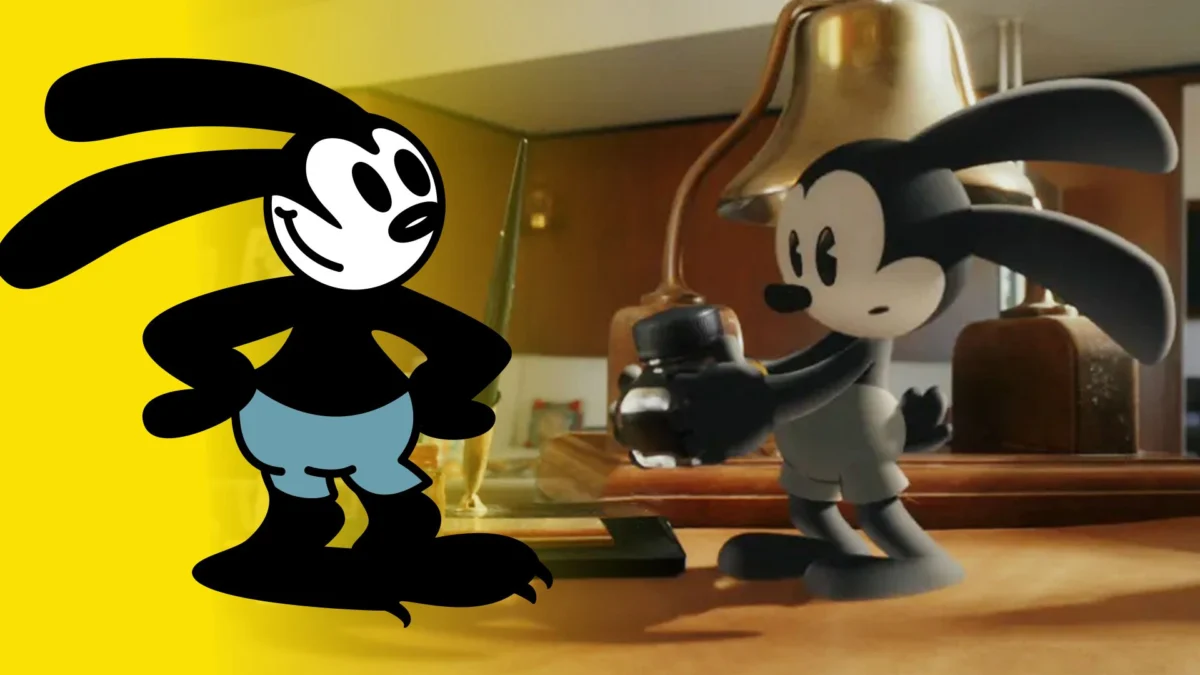
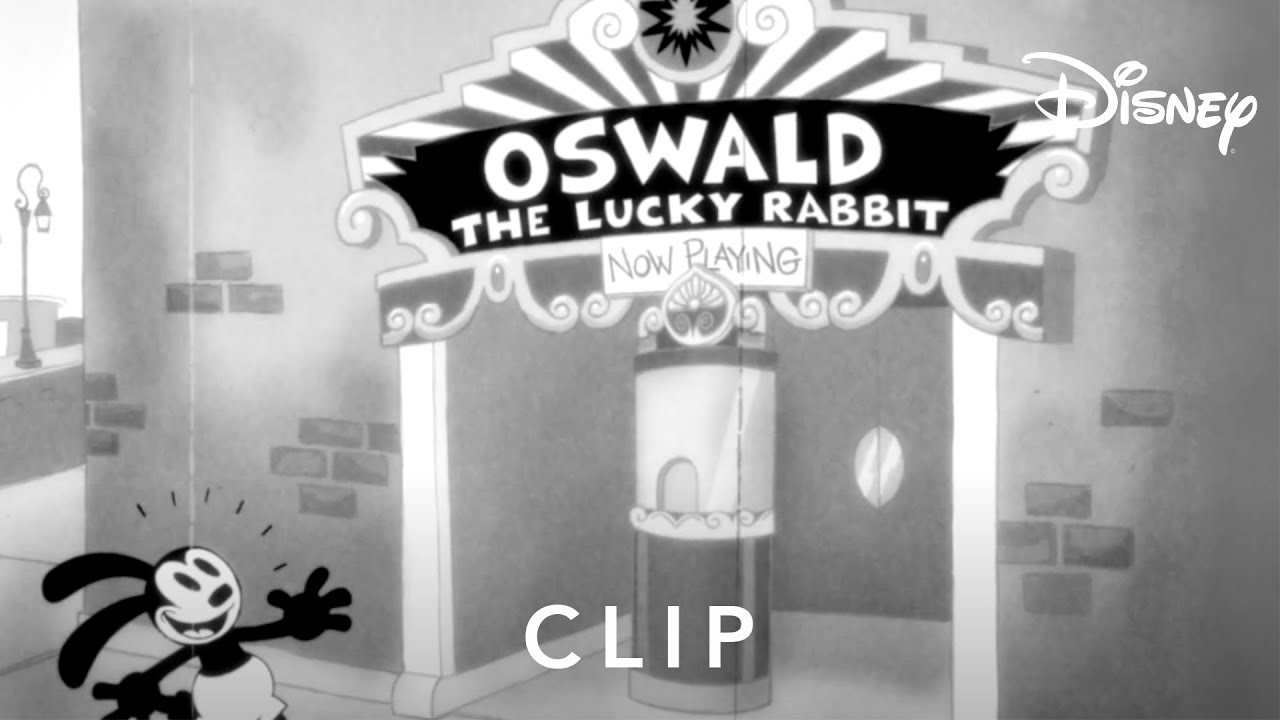
Los Angeles, CA – As the world gears up to celebrate Mickey Mouse’s centenary in 2028, Disney is taking a remarkable journey back to its very origins. At the recent D23 fan convention, alongside the unveiling of Pixar’s "Ghost Market," the iconic studio announced a significant revival: the return of its oldest animated star, Oswald the Lucky Rabbit, in a series that promises to embrace a cherished, traditional 2D animation style. This move marks a significant moment for Disney, not only as a nod to its foundational characters but also as a potential answer to a long-held desire among fans for a return to classic animation techniques.
The Pre-Mickey Marvel: Unearthing the Legacy of Oswald the Lucky Rabbit
Long before Mickey Mouse became a global icon, there was Oswald the Lucky Rabbit. Created by Walt Disney and Ub Iwerks, Oswald was Disney’s very first recurring cartoon character, gracing the screen in 26 black-and-white shorts between 1927 and 1928. These early works, characterized by their lively animation and whimsical storytelling, laid the groundwork for the animation empire that Disney would become. However, the tale of Oswald’s early departure is a poignant chapter in Disney’s history, a stark reminder of the precarious nature of creative control in the burgeoning film industry of the late 1920s.
The rights to Oswald legally belonged to Universal Pictures and Winkler Pictures, led by Charles Mintz. A bitter contract dispute erupted, leading Mintz to lure away many of Disney’s animators and take Oswald with him. This painful loss prompted Walt Disney to create a new character, one that would ultimately eclipse Oswald in fame and fortune: Mickey Mouse. While Mickey’s creation was born out of necessity and heartbreak, it set Disney on an unparalleled trajectory of success. Oswald, meanwhile, continued to produce over 150 more cartoons for Universal but gradually faded into obscurity after the early 1940s, a forgotten pioneer of animation.
The narrative arc of Oswald’s journey is one of remarkable symmetry. In a significant turn of events, Disney reacquired the rights to Oswald the Lucky Rabbit in 2006. Although the character had entered the public domain, Disney’s acquisition paved the way for his official, proper return to the screen. Now, after decades of absence, the studio is set to reintroduce Oswald to a new generation, and to the delight of long-time fans, he will be presented in his original, beloved 2D animation style.
A Nostalgic Return: Embracing the Art of 2D Animation
The announcement of Oswald’s revival comes at a time when many Disney fans have expressed a yearning for a return to traditional 2D animation. Following the studio’s decisive shift towards 3D computer-generated imagery in the early 2000s, a segment of the audience has consistently advocated for the preservation and continuation of hand-drawn animation. Oswald’s new series appears to be a direct response to this sentiment, promising a visual experience that harks back to the golden age of animation.
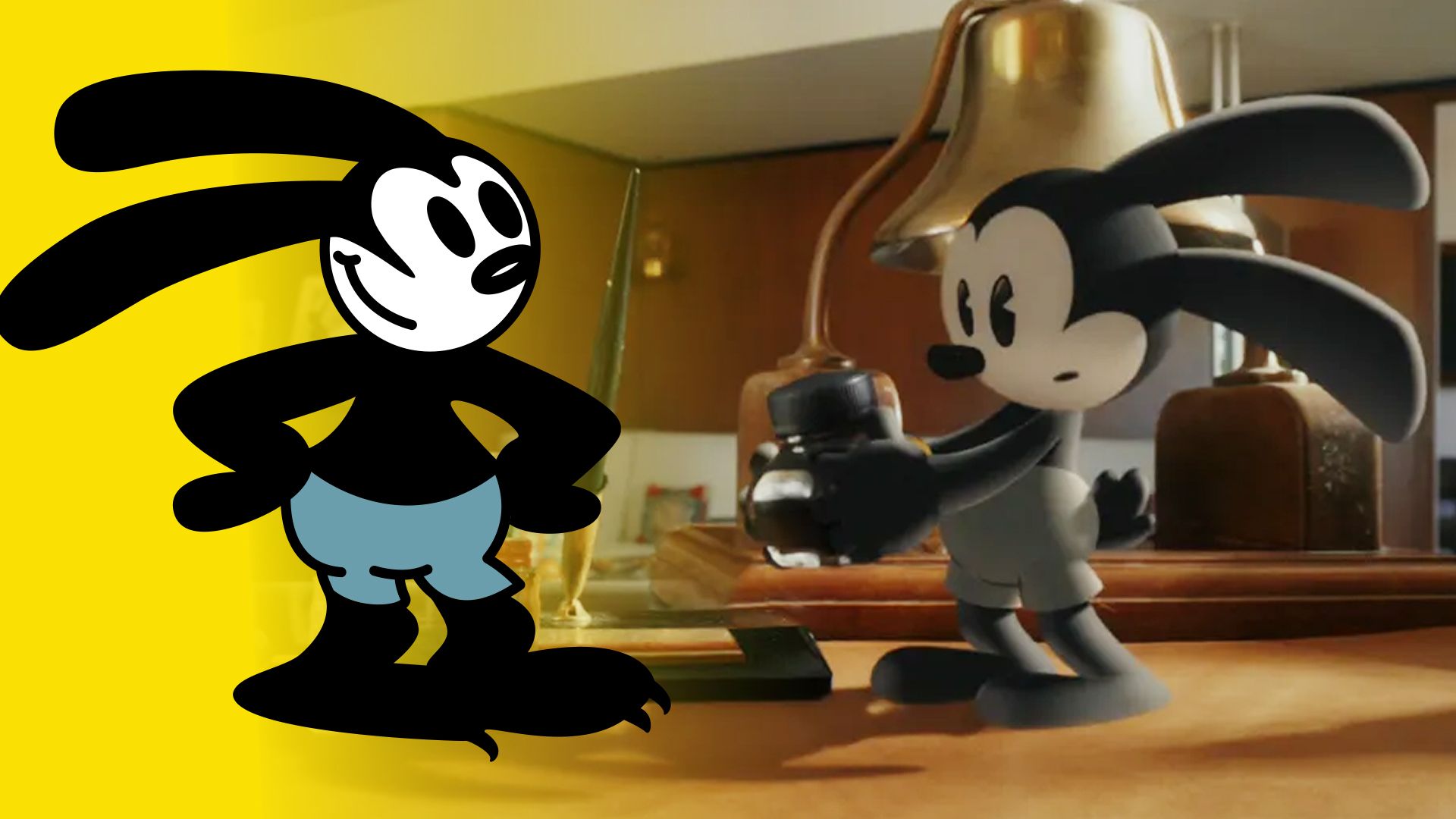
However, this revival is not merely a carbon copy of the past. The new Oswald series is set to blend the charm of hand-drawn 2D animation with live-action elements, a creative approach that evokes memories of the groundbreaking "Who Framed Roger Rabbit." This innovative fusion suggests a narrative that could explore the very fabric of Disney’s history, potentially blurring the lines between the animated world and the real-life legacy of the studio.
The cast for this ambitious project is impressive, featuring acclaimed actors such as Amy Sedaris, Kathryn Hahn, and Steve Martin, alongside emerging talents like Ryder Allen and Mykal-Michelle Harris, who recently lent her voice to Blaze in "Toy Story 5." The involvement of such a diverse and talented ensemble hints at a rich and engaging storytelling experience.
Disney has confirmed that the animation will be meticulously crafted by veteran Disney animators, ensuring a high level of quality and authenticity. International studios, including SPA Studios, the acclaimed force behind the visually stunning "Klaus," will also contribute to the animation, bringing a global perspective to the project. Furthermore, the live-action settings will include iconic locations such as Disneyland and Walt Disney’s Burbank office, further grounding the series in the tangible reality of the Disney empire.
Behind the Scenes: Jon Favreau at the Helm
Spearheading this significant revival is none other than Jon Favreau, a filmmaker with a proven track record of delivering critically and commercially successful projects for Disney. Favreau is set to write, direct, and executive produce the three-part Oswald series. His previous directorial work for Disney includes beloved live-action adaptations of animated classics such as "The Jungle Book" and "The Lion King." More recently, he has been instrumental in the success of the "Star Wars" universe with "The Mandalorian" and its spin-offs.
Favreau’s involvement is a strong indicator of the project’s ambition and potential. His ability to blend cutting-edge technology with heartfelt storytelling, while respecting the source material, bodes well for the faithful yet innovative reimagining of Oswald the Lucky Rabbit. His deep understanding of the Disney brand and his proven skill in creating immersive cinematic experiences suggest that Oswald’s return will be handled with the care and respect his legacy deserves.
A Meta-Narrative for a New Era?
The inclusion of live-action settings like Disneyland and Walt Disney’s Burbank office, coupled with the meta-narrative approach hinted at by the production, suggests that the series might explore Disney’s own rich history. This could manifest as a story that delves into the studio’s past, its creative processes, and the characters that have defined its legacy. Such a meta-narrative would not only entertain but also educate audiences about the foundational moments of Disney animation, offering a unique perspective on the studio’s evolution.
This approach could also serve as a way to address the complexities of Disney’s history, including the unfortunate circumstances surrounding Oswald’s departure. By framing the series within a context that acknowledges Disney’s past, the studio can engage with its legacy in a transparent and thoughtful manner. This is a stark contrast to the controversies surrounding recent film releases like "Coyote Vs Acme," suggesting a deliberate attempt to tread a more carefully considered path with this new venture.
Anticipation and the Road Ahead
The prospect of Oswald the Lucky Rabbit’s return has ignited considerable excitement among animation enthusiasts and Disney aficionados. The promise of a return to classic 2D animation, combined with Favreau’s directorial vision and the intriguing meta-narrative possibilities, sets high expectations for the series.
While Oswald has made sporadic appearances in shorter animations, such as a special short for Disney’s 100th anniversary, and even alongside Mickey Mouse in the 2010 video game "Epic Mickey," this new mini-series represents a significant and dedicated effort to re-establish him as a prominent figure in the Disney canon.
The release of Oswald’s new series is scheduled for February 2027 on Disney+. This date offers ample time for anticipation to build, and for fans to prepare for the grand reintroduction of a character who, though once lost, is now poised to reclaim his rightful place in animation history. The return of Oswald the Lucky Rabbit is not just a revival of a character; it’s a celebration of Disney’s foundational artistry and a bold step towards embracing its rich and complex legacy.