From the Podium to the Metaverse: Maestro Expands Symphony VR Experience with Attack on Titan DLC and Major Updates
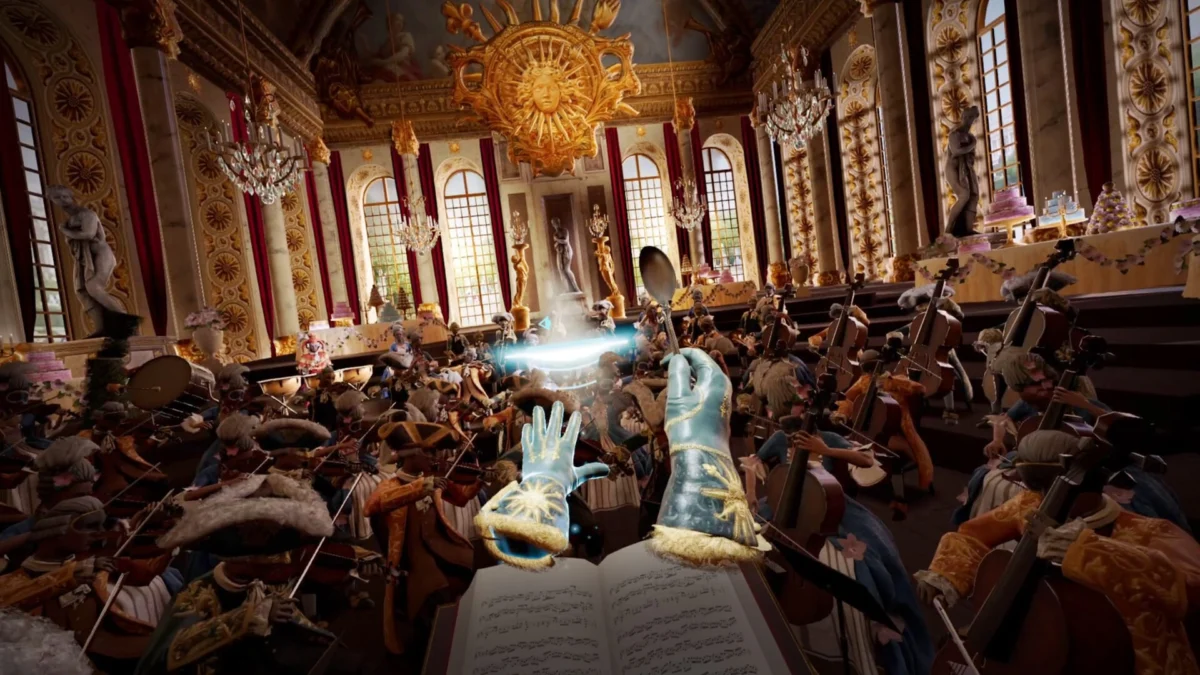
The virtual reality landscape has long been dominated by high-energy rhythm games that require players to slash blocks or punch targets to the beat of electronic dance music. However, Maestro, the innovative conducting simulator, has carved out a unique niche by placing players in the tuxedo of a world-class conductor. In a significant expansion of its digital repertoire, developer Doublepoint has announced a major content roadmap during the recent VR Games Showcase, headlined by a collaboration with the globally acclaimed Attack on Titan franchise and a mysterious, high-profile mystery DLC.
Main Facts: A New Movement for the Virtual Orchestra
The announcement, delivered via a stylistically distinct and humorous trailer, centers on the arrival of two major DLC packs and a substantial free "Quality of Life" update. The headline act is the official Attack on Titan DLC, which brings the operatic and cinematic intensity of the hit anime series to the conductor’s podium.
The Attack on Titan Collaboration
The collaboration features two of the most iconic tracks from the series’ storied discography:
- "Attack on Titan" – Composed by the legendary Hiroyuki Sawano, known for his sweeping orchestral arrangements and "SawanoDrop" crescendos.
- "Ashes on The Fire" – Composed by Kohta Yamamoto, a track that became the defining anthem of the series’ Final Season, characterized by its driving percussion and haunting choral elements.
These additions represent a strategic shift for Maestro, moving beyond classical staples and Western cinematic scores (such as the previously released Pirates of the Caribbean pack) into the massive global market of anime enthusiasts.
The Mystery DLC Tease
In a move designed to generate community speculation, the trailer also teased a second upcoming DLC property. In a comedic sequence narrated by a conductor from within the "metaverse," the name of the intellectual property and the specific tracks were bleeped out and visually censored. While the identity remains under wraps, the developer’s willingness to tease it alongside a giant like Attack on Titan suggests another heavy-hitting license is in the wings.
The "Coming Soon" Free Update
Beyond paid content, Doublepoint confirmed a robust free update for all existing players. This update is slated to include:
- Graphical and Audio Overhaul: Enhanced visual fidelity and improved spatial audio processing to better simulate the acoustics of a grand concert hall.
- Two New Free Tracks: Expanding the base game’s library at no additional cost.
- Scoring System Revamp: A refined algorithm to better reflect the precision of a conductor’s movements.
- Expert Difficulty: A new tier of challenge designed specifically for veteran rhythm gamers who have mastered the current "Maestro" levels.
Chronology: The Evolution of Maestro
To understand the significance of this update, one must look at the trajectory of Maestro since its inception. The game first caught the attention of the VR community with its unique premise: instead of reactionary movements, it focused on the nuance of tempo, cues, and dynamics—the "language" of a conductor.
- Early 2024: Maestro launched across major VR platforms, including Meta Quest, PlayStation VR2, SteamVR, and Pico. It was praised for its accessible yet deep gameplay mechanics that utilized gesture tracking to simulate a baton.
- Mid-2024: The "All Aboard" DLC was released, featuring music from Pirates of the Caribbean. This served as a proof-of-concept for licensed cinematic content, proving that players were eager to conduct familiar, high-stakes movie scores.
- The VR Games Showcase (Current): The latest trailer marks the next phase of the game’s lifecycle. By pivoting to anime and teasing a mystery property, the developers are signaling a long-term commitment to live-service updates and cultural cross-pollination.
Supporting Data: Market Context and Technical Specifications
The expansion of Maestro comes at a time when the VR rhythm genre is seeking "sticky" content to retain users. While the trailer did not explicitly state a price for the Attack on Titan DLC, historical data provides a reliable benchmark.
Pricing Analysis
The previous All Aboard pack, which similarly featured high-profile licensed music, was priced at $8.99. Industry analysts expect the Attack on Titan pack to follow a similar pricing structure, likely falling between $7.99 and $9.99 depending on the final track count. This "micro-premium" pricing model has become the standard for VR titles like Beat Saber and Synth Riders, allowing developers to fund expensive licensing fees while keeping the entry barrier low for players.
Technical Enhancements
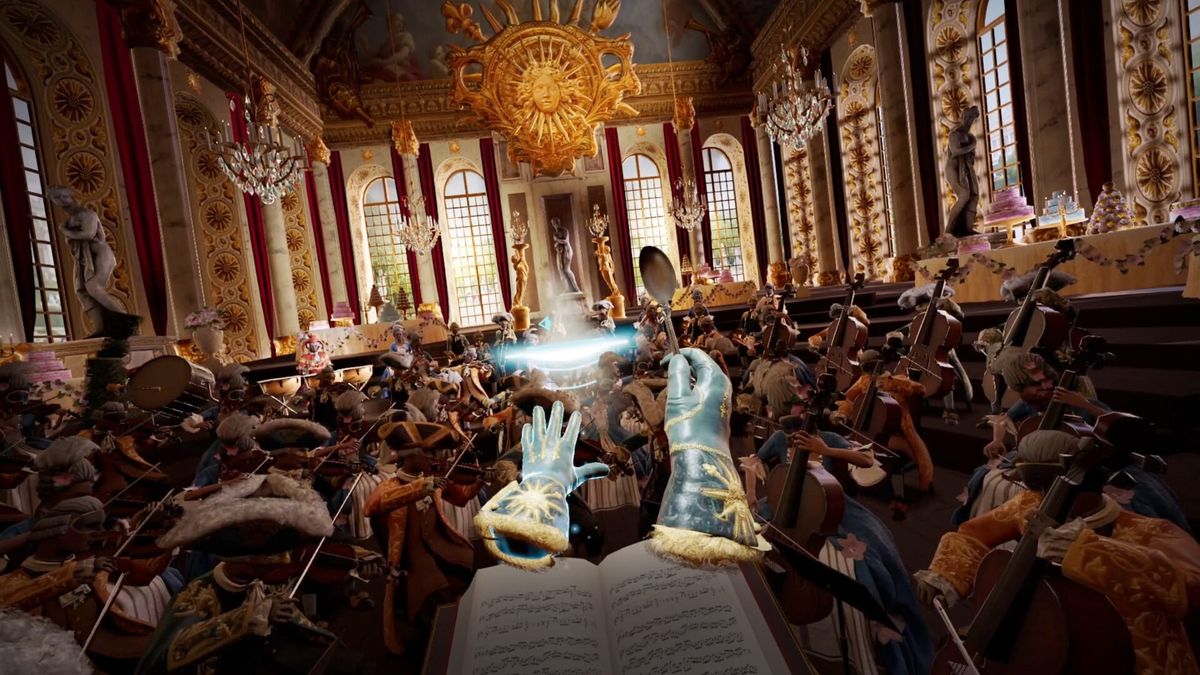
The promised graphical and audio upgrades are particularly pertinent for Meta Quest 3 users. With the recent hardware jump, developers are increasingly patching titles to utilize the Quest 3’s increased GPU overhead for better anti-aliasing and textures. For a game like Maestro, where immersion in a 3D orchestra is paramount, the audio upgrade likely involves improved HRTF (Head-Related Transfer Function) to ensure that when a conductor turns their head toward the violins or the brass section, the soundscape shifts with pinpoint accuracy.
Platform Availability
Maestro continues to maintain a broad hardware footprint, ensuring the new DLC reaches the widest possible audience:
- Meta Quest (2, 3, and Pro): The primary driver of sales due to the untethered experience.
- PlayStation VR2: Utilizing the headset’s haptic feedback to simulate the "weight" of the air during a crescendo.
- SteamVR: Catering to the high-end audiophile and PC enthusiast market.
- Pico: Capturing the growing standalone market in Europe and Asia.
Official Responses and Community Reception
The "humorous" tone of the trailer—narrated by a conductor who seems both prestigious and slightly unhinged by the digital nature of his existence—has been met with positive early feedback from the community.
In discussions on platforms like Reddit’s r/virtualreality and the UploadVR forums, fans have noted that the inclusion of Hiroyuki Sawano’s music is a "masterstroke." One user commented, "Conducting the ‘Attack on Titan’ theme is something I didn’t know I needed until now. The sheer scale of that music fits the ‘Maestro’ vibe perfectly."
While Doublepoint has not issued a formal press release beyond the trailer, the messaging is clear: they are leaning into the "theatrics" of conducting. The decision to censor the second DLC has sparked a "guess the IP" meta-game among fans, with theories ranging from Star Wars to Final Fantasy, further driving engagement and social media impressions for the title.
Implications: The Future of the "Conducting" Genre
The announcement of the Attack on Titan DLC and the surrounding updates carries several broader implications for the VR industry and the rhythm game genre.
1. The "Anime-ification" of VR Rhythm Games
Following the success of anime music packs in Beat Saber, Maestro’s move into this space confirms that the crossover between anime fandom and VR enthusiasts is one of the most lucrative segments of the market. Anime scores, particularly those by Sawano, are inherently "conductive"—they are orchestral, dramatic, and rely heavily on timing and explosive transitions, making them a perfect fit for a symphonic simulator.
2. Bridging the Gap Between Casual and Hardcore
By introducing an "Expert Difficulty" and a "Scoring System Update," Doublepoint is addressing a common criticism of non-traditional rhythm games: the "skill ceiling." For Maestro to survive long-term, it needs to provide a path for players to move from casual wand-waving to genuine technical mastery. This update signals that the game is maturing from a novelty experience into a competitive rhythm title.
3. The Licensed Content Arms Race
As the VR market matures, the "base game" is often just the foundation. The real value lies in the DLC ecosystem. By securing a license like Attack on Titan, Maestro is positioning itself as a serious contender against larger studios. It demonstrates that niche titles can successfully compete for major global IPs if the gameplay mechanics provide a unique way to experience that music.
4. Technical Parity and Polish
The commitment to a free graphical and audio upgrade suggests that Doublepoint is focused on "future-proofing" the game. As VR hardware continues to iterate rapidly, games that don’t update their visual and auditory fidelity risk looking like "legacy" software within months. This update ensures Maestro remains a "showcase" title for new VR owners looking to demonstrate the immersive power of the medium to friends and family.
Conclusion
Maestro is preparing for its most ambitious season yet. By blending the high-stakes drama of Attack on Titan with significant technical improvements and a mystery that keeps the community talking, Doublepoint is ensuring that their virtual podium remains the center of attention. While a specific release date and price point remain unconfirmed, the "coming soon" window suggests that players won’t have to wait long to take up the baton and face the music—and perhaps a few Titans—in the grandest concert hall the metaverse has to offer.