
The Resurgence of a Surrealist Masterpiece: Dino Buzzati’s "Poem Strip" and the Evolution of the Graphic Poem
The intersection of high literature and sequential art has often produced works that defy easy categorization, yet few are as haunting or visually arresting as Dino Buzzati’s Poem Strip. Originally published in 1969 as Poema a fumetti, the work represented a radical departure for Buzzati, a titan of Italian letters known for his surrealist prose and journalistic rigor. In 2026, New York Review Comics (NYRC) released a definitive new edition, featuring a fresh translation by Marina Harss and lettering by Rich Tommaso. This release serves not only as a restoration of a lost classic but as a poignant reminder of the power of the "graphic poem"—a medium that suggests rather than depicts, and states rather than overstates.
Main Facts: The Intersection of Myth and Mod Culture
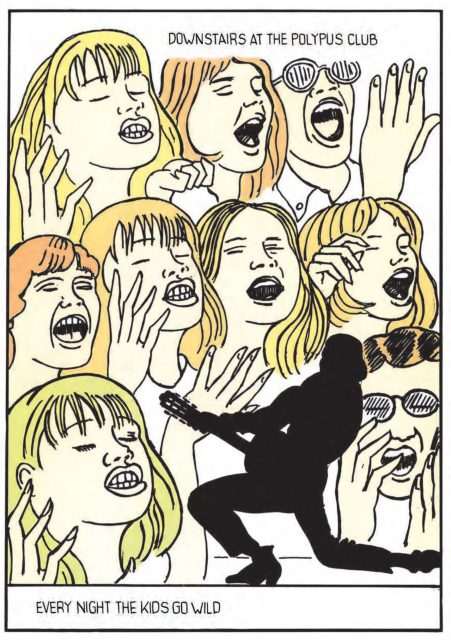
At its core, Poem Strip is a sophisticated retelling of the Orpheus and Eurydice myth, transplanted into the "Swinging Sixties." The protagonist, Orfi, is a brooding rock ‘n’ roll icon—a composite of Elvis Presley’s animal magnetism, Bob Dylan’s poetic cynicism, and Neil Diamond’s pop sensibility. Orfi spends his nights at the Polypus Club, where mini-skirted mod dancers "frug" into a frenzy. Despite his celebrity and sexual appeal, Orfi’s life is defined by a hollow existential dread.
The catalyst for the narrative is Eura, the object of Orfi’s affection. One rainy spring evening, Orfi witnesses Eura entering a nondescript door on a bleak street. This threshold serves as the gateway to the underworld, prompting Orfi’s descent into a realm that is less a pit of fire and more a mirror of modern bureaucracy and existential exhaustion.
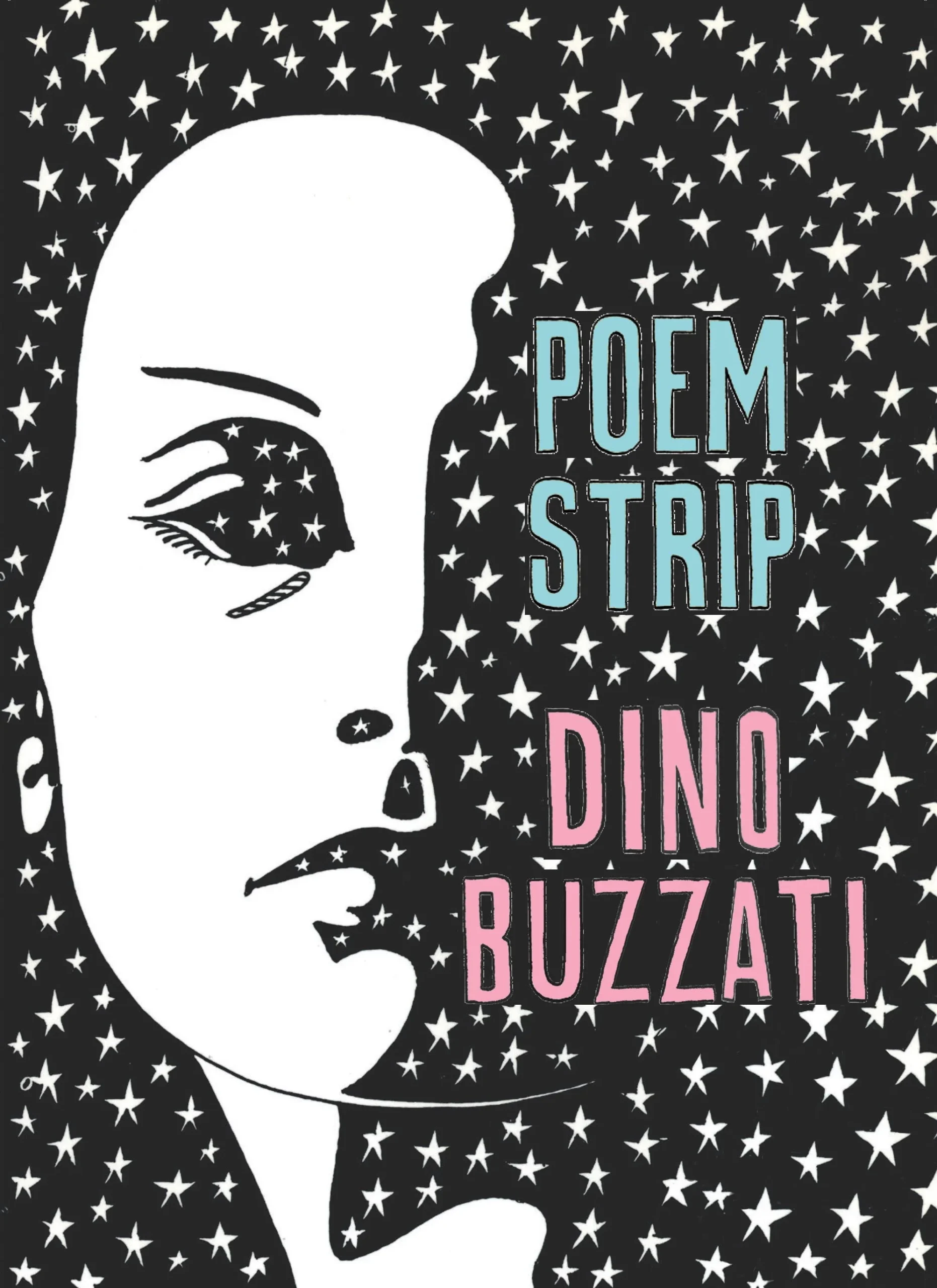
The NYRC edition, priced at $22.95, spans 220 pages. It marks a significant effort to reintroduce Buzzati’s visual language to an English-speaking audience, correcting the shortcomings of a poorly received late-1960s translation. By utilizing a simple palette of pastels and high-impact, poster-like imagery, the book captures the zeitgeist of the 1960s while maintaining the timeless, somber tone of Buzzati’s literary oeuvre.
Chronology: From Post-War Italy to the 2026 Revival
The journey of Poem Strip is inextricably linked to the life of its creator. Dino Buzzati (1902–1972) was a multifaceted intellectual who spent much of his career as a journalist for Corriere della Sera. While he achieved international fame with his 1940 novel The Tartar Steppe, Buzzati was always a closeted visual artist, frequently illustrating his own stories with a style that blended magical realism with a stark, journalistic eye.
1969: The Birth of Poema a Fumetti
When Buzzati released Poema a fumetti in 1969, the Italian literary establishment was largely skeptical of the "fumetti" (comics) medium. However, Buzzati saw the format as the perfect vessel for his ruminations on death and the subconscious. He was deeply influenced by the contemporary Pop Art movement and the burgeoning psychedelic aesthetic, yet he infused these trends with a distinctly European sense of melancholy.
The Late 20th Century: A Fragmented Legacy
An early English translation was attempted in the late 1960s, but critics and scholars have long argued that it failed to capture the rhythmic nuances of Buzzati’s prose. For decades, the work remained a cult item, known primarily to Italian scholars and hardcore comics aficionados who sought out imported copies.
2026: The NYRC Restoration
The decision by New York Review Comics to commission a new translation by Marina Harss reflects a growing academic and commercial interest in "literary comics." Harss’s translation aims for a conversational yet poetic flow, ensuring that Buzzati’s rock-lyric-inspired dialogue—including playful nods to The Beatles and "Streetcar Named Desire"—resonates with a modern audience.
Supporting Data: Narrative Structure and Visual Language
Unlike a traditional graphic novel, Poem Strip functions as a series of thematic riffs. Buzzati prioritizes mood over plot, often pausing the narrative for extended meditations on the nature of the afterlife or the prevalence of "witches" in the modern city.
The Architecture of the Underworld
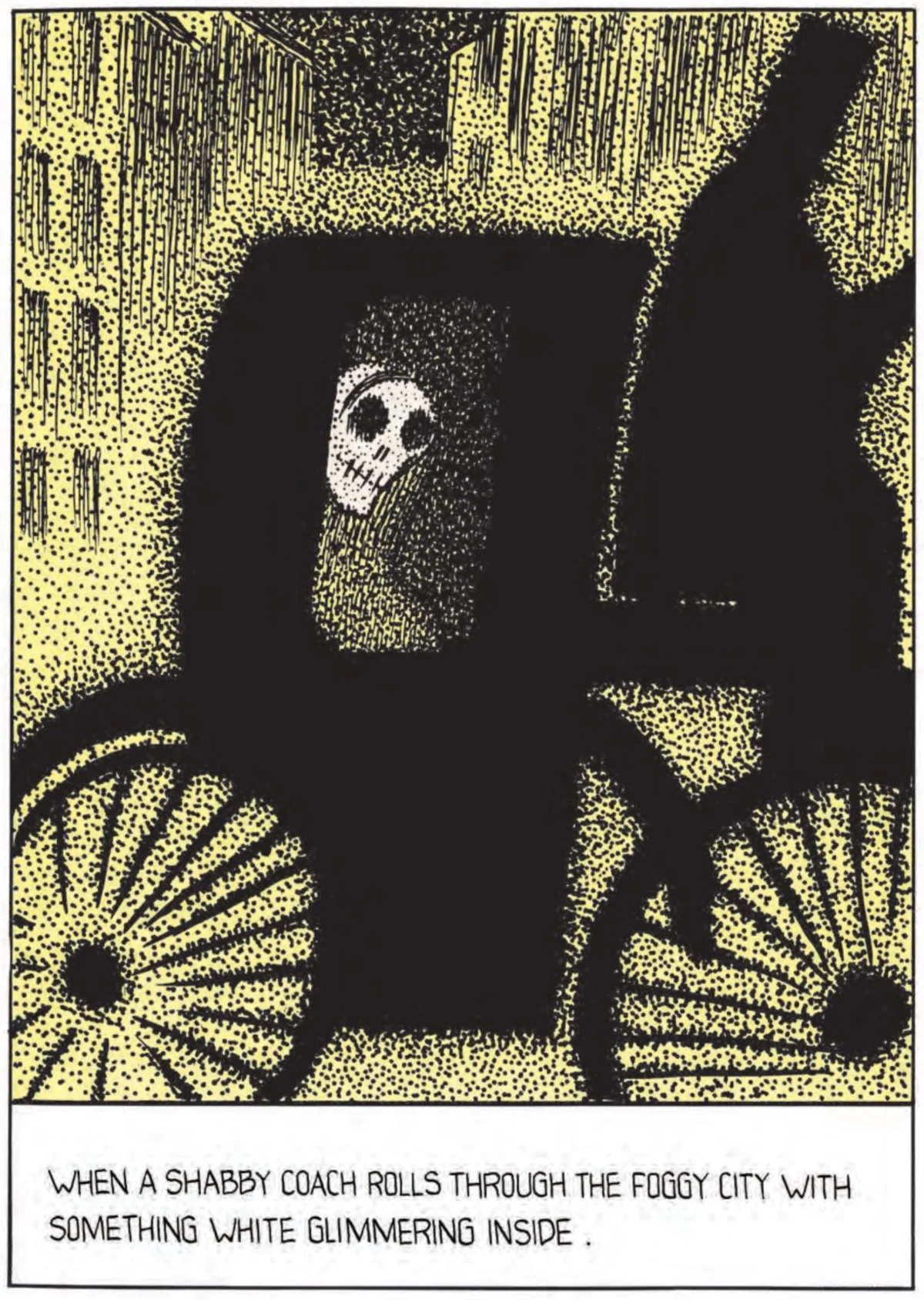
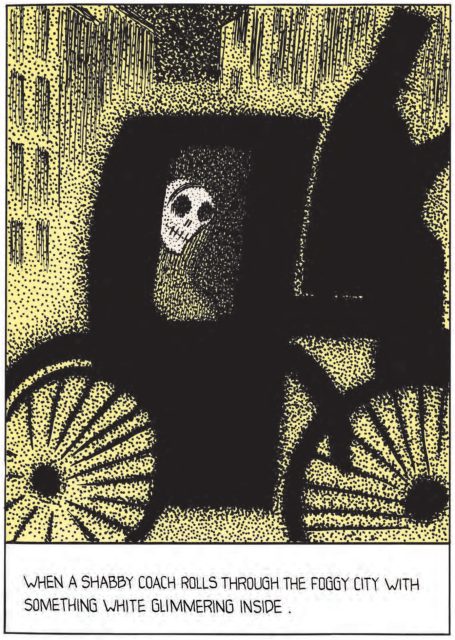
One of the most striking sections of the book is the "Explanation of The Afterlife." Buzzati rejects the dramatic, hellish landscapes of Dante in favor of a "quiet hell." This underworld is characterized by emptiness, compartmentalization, and an oppressive sense of bureaucracy. The inhabitants are not tortured by demons but by their own fatigue and inability to transcend their former lives. Buzzati’s skill as an observer is at its peak here, suggesting that humanity is already well-prepared for this version of the afterlife through the mundane drudgery of modern existence.
Visual Artistry and Influences
Buzzati’s art is mercurial and intentionally inconsistent. He employs several distinct visual modes:
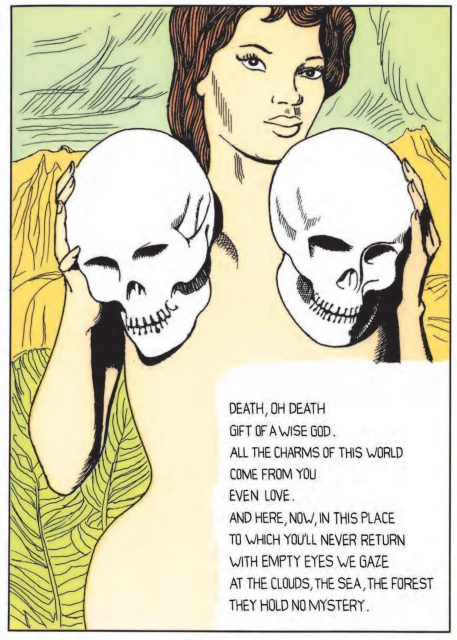
- Photo-referencing: Certain figures appear to be traced or heavily referenced from contemporary fashion photography, grounding the myth in the 1960s.
- Expressionism: The influence of German Expressionist cinema, particularly F.W. Murnau’s Nosferatu, is evident in the distorted shadows and elongated figures of the underworld.
- Op Art: Sections of the book utilize the geometric abstractions of Op Art to represent the sensory overload of Orfi’s music and the psychological fracturing of his journey.
- Italian Plazas: The stark, sweeping plazas of post-war Italian architecture provide a backdrop that feels both ancient and alienating.
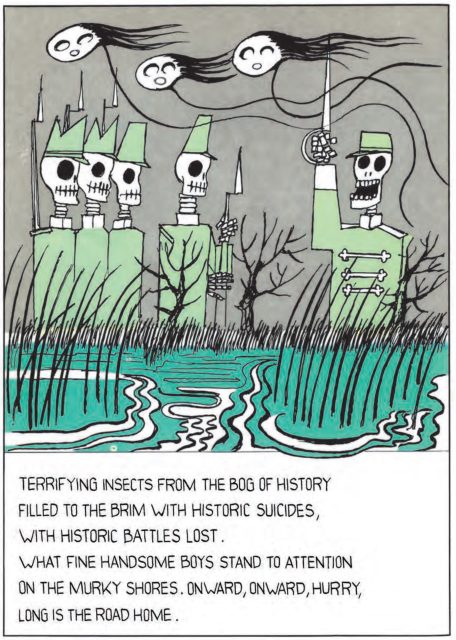
Buzzati’s line work is often freehand and raw. If a drawing appears "out of whack," it is usually a deliberate choice to mirror the anguished emotional state of the characters. This lack of "polish" separates Buzzati from professional cartoonists of his era, lending the work an authentic, outsider-art quality.
Official Responses: Critical Reception and Translation Analysis
The 2026 edition has been met with significant praise for its production values and the sensitivity of its translation. Critic Frank M. Young notes that Marina Harss’s hand "retains the feel of Buzzati’s POV," avoiding the forced or stilted language that often plagues translations of surrealist poetry.
However, the release has not been without its minor controversies. One notable "cavil" from the critical community is the lack of an afterword or scholarly introduction. Given Buzzati’s complex history and the specific cultural context of Poema a fumetti, some reviewers argue that NYRC missed an opportunity to provide much-needed context for new readers.
Comparisons have been drawn between Buzzati and American comics legends like Jack Kirby. While their styles are diametrically opposed—Kirby’s work being maximalist and kinetic, Buzzati’s being minimalist and contemplative—both shared a tireless compulsion to create. Scholars suggest that Poem Strip deserves a permanent place in the comics canon, alongside works that pushed the boundaries of the medium in the mid-20th century.
Implications: The Future of the "Non-Comics" Creator
The success and revival of Poem Strip have broader implications for the comics industry and the literary world. It serves as a proof of concept for the "outsider" comic—work created by individuals who are not trained in the traditional grammar of sequential art but who bring a unique literary or poetic sensibility to the page.
Challenging Traditional Narratives
Buzzati’s work demonstrates that comics do not need to be "page-turners" in the traditional sense. By working best in sections, read as the mood strikes, Poem Strip challenges the industry’s reliance on serialized, plot-heavy storytelling. It encourages a slower, more meditative engagement with the medium.
A Call to Action for New Artists
The final pages of the NYRC edition act as a silent invitation. By proving that the Orpheus myth can be successfully reimagined through a blend of rock lyrics, fashion sketches, and existential philosophy, Buzzati opens the door for contemporary artists to experiment with non-traditional storytelling.
In conclusion, the 2026 release of Poem Strip is more than a mere reprint; it is a vital reclamation of a work that sits at the nexus of literature, art, and music. Dino Buzzati’s descent into the underworld remains as relevant today as it was in 1969, offering a hauntingly beautiful vision of the "quiet death of the heart" that occurs when life is lived without reflection. As comics continue to gain ground in the hallowed halls of high art, Poem Strip stands as a sentinel, reminding creators and readers alike that the most powerful stories are often those that leave the most to the imagination.


Leave a Comment