The Golden Standard: Unveiling the Power of High-Polyphenol Olive Oils for Optimal Health
By [Your Name/Journalistic Byline]
June 10, 2024
Olive oil, often hailed as the liquid gold of the Mediterranean, has long been a cornerstone of healthy culinary traditions across the globe. Decades of rigorous scientific inquiry have consistently linked its regular consumption to an impressive array of health benefits, ranging from bolstering cardiovascular health and supporting healthy aging to potentially extending longevity. While its remarkable fatty acid profile, rich in monounsaturated fats like oleic acid, rightly receives much credit, a deeper dive reveals another powerful component: polyphenols. These naturally occurring plant compounds act as potent antioxidants and anti-inflammatory agents, elevating olive oil from a mere cooking fat to a functional food.
However, navigating the vast market of olive oils can be challenging. Many commercial offerings do not disclose their polyphenol content, which can fluctuate dramatically based on factors such as olive variety, harvest timing, and processing methods. This opacity often leaves consumers in the dark about the true nutritional potency of their chosen oil. This is where the emerging category of high-phenolic olive oils steps into the spotlight. These premium oils are intentionally cultivated and processed to preserve and maximize their polyphenol levels, typically through meticulous early harvests and advanced cold extraction techniques.
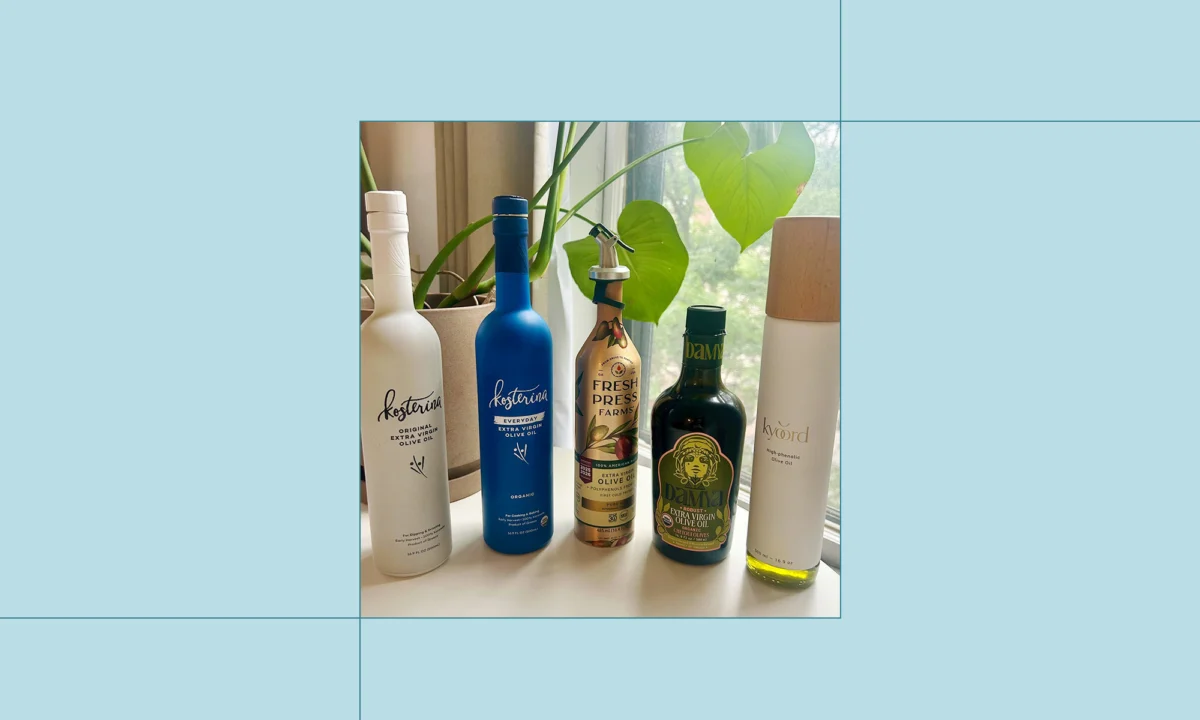
To demystify this segment and guide health-conscious consumers, Registered Dietitian Nutritionist Molly Knudsen, M.S., RDN, undertook a comprehensive review. Sampling several leading high-polyphenol olive oils, she meticulously evaluated their flavor profiles, freshness, and sourcing integrity. Her findings, presented here, offer invaluable insights for anyone looking to elevate their dietary staples and harness the full spectrum of olive oil’s health-promoting properties.
The Main Facts: A Curated Selection of High-Polyphenol Excellence
The quest for truly exceptional high-polyphenol olive oil is not merely about taste; it’s about optimizing health benefits through superior quality and transparency. Our expert review focused on brands that demonstrate an unwavering commitment to these principles, ensuring that each bottle delivers on its promise of potent phenolic compounds and unparalleled culinary experience.
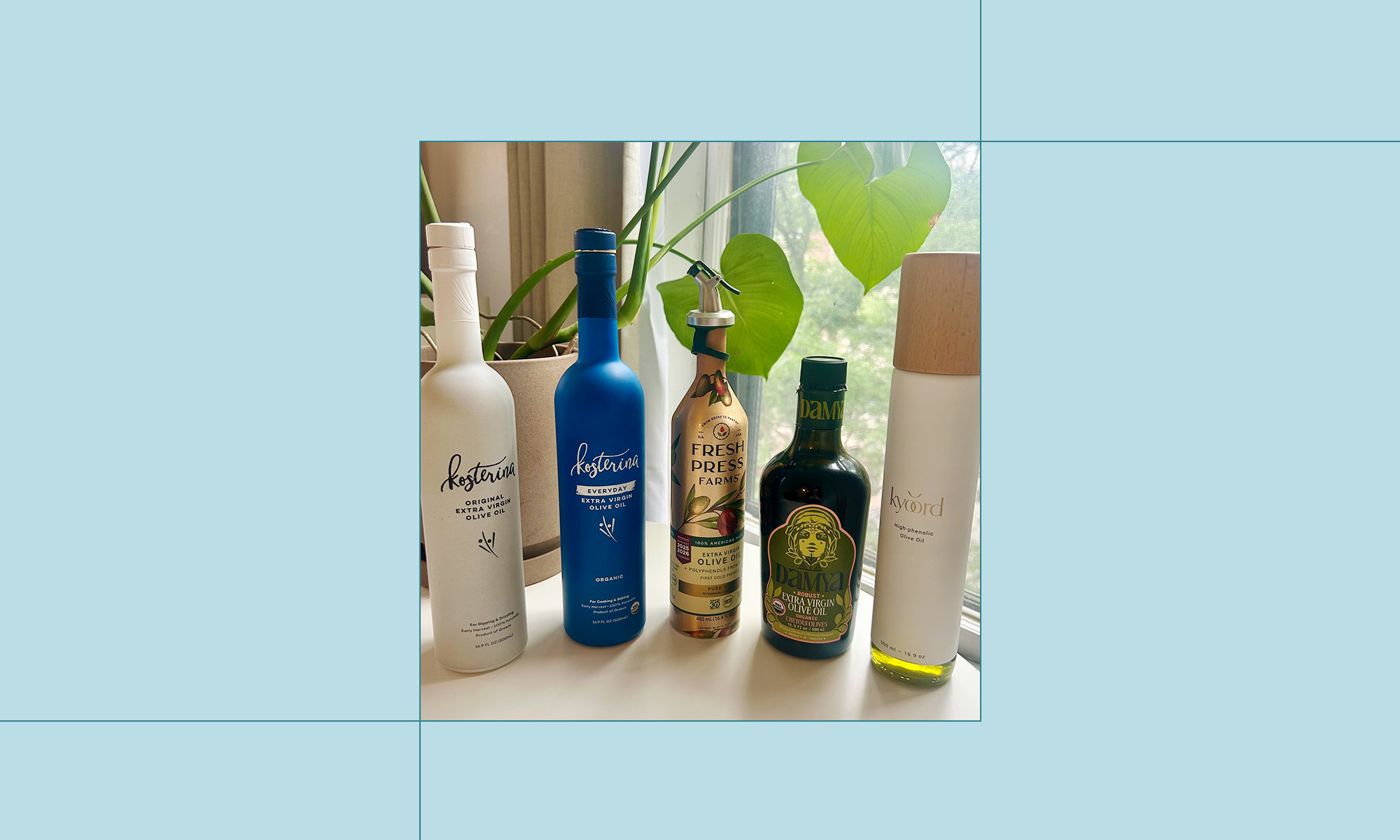
Kosterina Extra Virgin Duo: The Versatile Champion
- Best Overall
- Origin: Greece
- Olive Variety: Koroneiki
- Polyphenols: 350–500 mg/kg
- Pros: Awarded "World’s Best Olive Oils of 2026" (as per original article’s future date reference); Offers distinct cooking and finishing options; Sourced from 100% Greek Koroneiki olives.
- Cons: The "Everyday" oil, designed for cooking and baking, has a lower polyphenol concentration compared to the finishing oil.
Kosterina’s Extra Virgin Duo stands out as the top overall recommendation for its innovative approach to everyday use. This thoughtful set eliminates the guesswork for consumers, providing two distinct olive oils tailored for specific culinary applications. The organic everyday oil is perfectly suited for general cooking and baking, while the more robust finishing oil is designed to be drizzled over salads, vegetables, or fresh bread, imparting a vibrant, peppery kick. Both oils are crafted from the Koroneiki olive variety, renowned for its naturally high polyphenol content, cultivated in the sun-drenched groves of Greece. The resulting flavor is fresh and distinctly peppery, yet remarkably balanced and approachable, making it an ideal choice for those new to the world of high-phenolic olive oils who seek both versatility and uncompromising quality in their kitchen.
Fresh Press Farms Pure Gold Olive Oil: The Budget-Friendly Gem
- Best Drizzling Oil
- Origin: United States
- Olive Variety: Koroneiki, Arbosana & Arbequina
- Polyphenols: 1,000 mg/kg
- Pros: Light and herbaceous flavor profile; Grown and cold-pressed entirely within the U.S.; Exceptional value.
- Cons: Not certified organic, though no chemical fertilizers are used.
A true revelation in the tasting lineup, Fresh Press Farms Pure Gold Olive Oil surprised with its exceptional quality at an incredibly accessible price point, making it the most budget-friendly option at just $13. This oil boasts a light, herbaceous character, distinguishing it from some of the bolder contenders, yet it delivers an impressive guaranteed polyphenol concentration of 1,000 mg/kg or higher. A unique aspect of its production involves the recovery and reincorporation of olive-derived polyphenols that might otherwise be lost during the milling process, maximizing its health benefits. It is the ideal choice for finishing salads, enhancing roasted vegetables, or simply dipping warm, crusty bread, further aided by a convenient pour spout.
Fresh Press Farms operates from Georgia, ensuring that all olives are grown, harvested, cold-pressed, and bottled on-site, reaching consumers’ shelves within a remarkable three months of harvest. This dedication to freshness and local production is a testament to supporting U.S. agriculture, and while the oils are not USDA-certified organic, the farm strictly avoids chemical fertilizers.
Damya Robust Extra Virgin Olive Oil: The Bold Flavor Statement
- Best Bold-Flavored Olive Oil
- Origin: Tunisia
- Olive Variety: Chetoui
- Polyphenols: 831.24 mg/kg
- Pros: Distinctly bold and peppery taste, yet beautifully balanced; Features the unique Chetoui olive variety native to Tunisia; USDA-certified organic.
- Cons: Its assertive flavor profile may not appeal to all palates.
Damya Robust is an olive oil with undeniable character, perfect for those occasions when you want to make a statement, particularly when entertaining guests. Crafted from Chetoui olives, a variety indigenous to Tunisia and celebrated for yielding exceptionally robust oils, this offering is intense without being overwhelming. It presents a pronounced peppery finish and a complex flavor that brilliantly complements grilled meats, hearty roasted vegetables, and aged cheeses. The reviewer also found it sublime when drizzled over a simple summer favorite: sliced tomatoes, creamy burrata, and a sprinkle of flaky salt.
The 2024 harvest of Chetoui olives was particularly noteworthy, benefiting from favorable rainfall that contributed to outstanding fruit quality. This USDA-certified organic oil is never blended across different regions or harvests, thereby preserving its unique "sense of place" and offering a truly authentic taste of Tunisia. This brand serves as a powerful reminder not to overlook the rich tradition and quality of Tunisian olive oils.

Kyoord High-Phenolic Olive Oil: The Polyphenol Powerhouse
- Best Mixed Olive Variety
- Origin: Greece
- Olive Variety: Lianolia & Koroneiki
- Polyphenols: 1,007 mg/kg
- Pros: Exceptionally high polyphenol concentration; Developed by a Ph.D. in molecular biology, emphasizing scientific rigor; Suitable for both cooking and baking.
- Cons: One of the pricier options on the market.
For consumers whose primary objective is to maximize their intake of polyphenols, Kyoord High-Phenolic Olive Oil is an unbeatable contender. Its unique blend of Koroneiki and Lianolia olives delivers an impressive concentration of over 1,000 mg/kg of polyphenols. This includes particularly high levels of oleocanthal and oleacein – key compounds responsible for olive oil’s characteristic peppery bite and its formidable antioxidant and anti-inflammatory properties.
Among the oils sampled, Kyoord exhibited the earthiest flavor profile, making it an excellent companion for savory dishes such as roasted vegetables, pasta, hearty soups, and marinades, rather than more delicate preparations like seafood. While it commands a higher price, this premium is a reflection of the labor-intensive production process meticulously designed to preserve these valuable phenolic compounds. The brand’s foundation by a Ph.D. in molecular biology further underscores its commitment to scientific excellence and health optimization.
Chronology: From Grove to Gold – The Journey of High-Phenolic Olive Oil
The superior quality and elevated polyphenol content of these elite olive oils are not accidental; they are the result of a deliberate, precise, and often ancient process that has been refined over centuries. Understanding this journey from grove to bottle is crucial for appreciating the value of high-phenolic olive oils.
1. Early Harvest: The Green Advantage
The journey begins with the timing of the harvest. Unlike conventional olive oils that often use fully ripened, black olives for maximum oil yield, high-phenolic oils prioritize early harvest. Olives are picked while still green and immature, typically between late September and early November in the Northern Hemisphere. At this stage, the fruit’s pulp is at its peak concentration of polyphenols, though the oil content is lower. This decision sacrifices quantity for quality, ensuring a richer, more potent oil. The green hue of early harvest olives also contributes to the vibrant, often intense, color of the resulting oil.
2. Rapid Transport and Immediate Processing
Once harvested, the delicate olives must be transported to the mill as quickly as possible, ideally within a few hours. Any delay can lead to oxidation and degradation of polyphenols and other volatile compounds, compromising the oil’s quality and health benefits. This urgency underscores the commitment of producers to preserve freshness and potency.

3. Cold Extraction: The Gentle Art of Milling
The heart of high-phenolic olive oil production lies in the cold extraction process. This method ensures that the olives are crushed and pressed at temperatures below 27°C (80.6°F). Excessive heat during milling can destroy heat-sensitive polyphenols, diminish aroma, and negatively impact flavor. Modern cold-extraction mills utilize sophisticated machinery to crush the olives into a paste, which is then gently malaxed (slowly stirred) to allow the oil droplets to coalesce, before being separated from the pomace (solids) and water. This meticulous process, while slower and less efficient in terms of oil yield, is paramount for preserving the delicate phenolic compounds, volatile aromatics, and overall nutritional integrity of the oil.
4. Filtration and Storage: Protecting the Potency
After extraction, the oil undergoes minimal filtration to remove any remaining sediment, which could otherwise accelerate spoilage. While some high-quality oils are left unfiltered for a more robust character, controlled filtration is often employed to enhance stability. The fresh oil is then stored in dark, airtight containers, typically stainless steel tanks, in cool, stable conditions. Exposure to light, air, and heat are the primary enemies of olive oil, causing oxidation and a rapid decline in polyphenol content. Bottling usually occurs in dark glass bottles to further protect the oil from light degradation.
5. Testing and Certification: The Seal of Assurance
For high-phenolic olive oils, the process doesn’t end with bottling. Many reputable producers invest in independent laboratory testing to verify the polyphenol content of each batch. This commitment to transparency is what distinguishes these oils and provides consumers with assurance regarding their health claims. Certifications such as USDA Organic, Protected Designation of Origin (PDO), or specific high-polyphenol labels further authenticate the product’s quality and origin.
Supporting Data: The Science Behind the "Liquid Gold"
The esteemed reputation of olive oil, particularly its high-polyphenol variants, is firmly rooted in a robust body of scientific evidence. Beyond its role as a healthy fat, it’s the synergistic action of its diverse compounds that truly elevates its status as a superfood.
What Counts as High-Polyphenol Olive Oil?
The concentration of polyphenols in olive oil is typically measured in milligrams per kilogram of oil (mg/kg). While an official, universally recognized threshold for "high-polyphenol" olive oil is still evolving, a consensus among experts suggests the following ranges:

- Standard Extra Virgin Olive Oil (EVOO): Typically 50-300 mg/kg
- High-Polyphenol EVOO: Generally above 250-300 mg/kg, with premium varieties often exceeding 500 mg/kg.
- Therapeutic/Ultra-High Polyphenol EVOO: Can range from 800 mg/kg to over 1,500 mg/kg.
Several factors critically influence the final polyphenol count in the bottle:
- Olive Variety: Certain olive cultivars are naturally richer in polyphenols. Kalamon (or Kalamata) olives, for instance, are polyphenol powerhouses, often yielding oils with 1,000–1,500 mg/kg and a distinctive bold, peppery flavor attributed to compounds like oleocanthal. Other notable varieties include Koroneiki (500–900 mg/kg), Picual (400–800 mg/kg), Coratina (300–700 mg/kg), and Chetoui.
- Harvest Timing: As discussed, olives picked early in the season, while still green, contain significantly more polyphenols than fully ripened fruit. This "early harvest" practice is a hallmark of high-phenolic production.
- Extraction Process: Cold-pressing, which avoids excessive heat, is essential. Prolonged processing or high temperatures can degrade delicate phenolic compounds.
- Storage Conditions: Proper storage in dark, airtight containers away from heat and light is vital to maintain polyphenol integrity over time.
It’s important to note that a higher polyphenol content often correlates with a more assertive flavor profile, characterized by bitterness and a peppery sensation at the back of the throat. This intensity is a hallmark of freshness and potency. However, as demonstrated by the reviewed oils, lighter high-polyphenol options exist, offering diverse culinary applications.
The Benefits of High-Polyphenol Olive Oil: A Deep Dive
While much research has focused on general olive oil consumption, the elevated polyphenol content in specialized oils amplifies these benefits, making them a potent tool for health. Key health advantages include:
- Powerful Antioxidant Activity: Polyphenols, such as hydroxytyrosol, tyrosol, oleuropein, and lignans, are formidable antioxidants. They neutralize free radicals in the body, which are unstable molecules that can damage cells and DNA, contributing to chronic diseases and aging. This protective action is crucial for overall cellular health.
- Robust Anti-Inflammatory Effects: One of the most celebrated polyphenols in olive oil is oleocanthal, which possesses anti-inflammatory properties remarkably similar to ibuprofen. Chronic inflammation is a root cause of many modern diseases, including heart disease, diabetes, and certain cancers. High-polyphenol olive oil can significantly contribute to reducing systemic inflammation.
- Cardiovascular Health Guardian: The combination of monounsaturated fatty acids (MUFAs) and polyphenols makes olive oil a champion for heart health. MUFAs help lower LDL ("bad") cholesterol while maintaining HDL ("good") cholesterol levels. Polyphenols further contribute by improving endothelial function (the lining of blood vessels), reducing oxidative stress, inhibiting platelet aggregation, and potentially lowering blood pressure, thereby reducing the risk of coronary heart disease and stroke.
- Cognitive Function and Neuroprotection: Emerging research suggests that polyphenols in olive oil may play a protective role against neurodegenerative diseases like Alzheimer’s. Their antioxidant and anti-inflammatory actions can safeguard brain cells from damage and may improve cognitive function. Oleocanthal, in particular, has been studied for its potential to clear amyloid-beta plaques, a hallmark of Alzheimer’s disease.
- Potential Anti-Cancer Properties: While more research is ongoing, studies have indicated that compounds in extra virgin olive oil, especially its polyphenols, may possess anti-cancer properties. They can inhibit the proliferation of cancer cells, induce apoptosis (programmed cell death), and reduce tumor growth in various types of cancer, including breast, colon, and prostate.
- Gut Health Modulation: Olive oil polyphenols can positively influence the gut microbiome, promoting the growth of beneficial bacteria and inhibiting harmful ones. A healthy gut microbiome is increasingly recognized as critical for immune function, digestion, and overall well-being.
- Support for Healthy Aging and Longevity: By combating oxidative stress, reducing inflammation, and protecting against chronic diseases, the regular consumption of high-polyphenol olive oil contributes to a longer, healthier life span, aligning with the observed longevity in Mediterranean populations.
Official Responses: Endorsements and Industry Standards
The health benefits of olive oil are not merely anecdotal; they are recognized and endorsed by leading health organizations and experts worldwide.
1. FDA Qualified Health Claim: The U.S. Food and Drug Administration (FDA) has issued a qualified health claim stating that consuming about 1.5 tablespoons (23 grams) of olive oil daily, in place of saturated fats, may reduce the risk of coronary heart disease due to its oleic acid content. This official recognition underscores the significant role of olive oil in a heart-healthy diet.

2. Expert Consensus: Registered Dietitians and nutritionists widely recommend extra virgin olive oil as a primary fat source. Molly Knudsen, M.S., RDN, whose expertise underpins this review, emphasizes the strategic advantage of high-polyphenol varieties: "If you’re already using olive oil regularly, upgrading to a high-polyphenol extra virgin olive oil is one of the easiest ways to get more out of an everyday staple. I am now a true proponent for having multiple high-polyphenol options on hand at a time." This sentiment reflects a growing consensus within the nutritional science community regarding the amplified benefits of these specialized oils.
3. Industry Certifications: Several certifications and labels provide official assurance of olive oil quality and authenticity:
- USDA Organic: Guarantees that the olives were grown without synthetic pesticides or fertilizers.
- Protected Designation of Origin (PDO) / Protected Geographical Indication (PGI): European Union labels that ensure a product originates from a specific region and adheres to strict production standards, linking quality to geographical origin.
- California Olive Oil Council (COOC) Seal: For U.S. produced oils, this seal indicates adherence to stringent quality and purity standards, often exceeding international benchmarks.
- High-Phenolic Labels: While not a universal standard, some producers voluntarily test and label their polyphenol content, often accompanied by independent lab reports, providing direct "official response" from the product itself.
Implications: Elevating Your Culinary and Health Journey
The growing understanding and availability of high-polyphenol olive oils carry significant implications for consumers, the olive oil industry, and public health.
Consumer Empowerment and Education
For the discerning consumer, the implications are profound. It means moving beyond generic "extra virgin olive oil" labels to actively seek out products that offer verified health benefits. This shift requires a greater understanding of what to look for on labels:
- Harvest Date: Always look for a recent harvest date (within 18 months, ideally much sooner).
- Origin: Knowing the region and even the specific farm can indicate quality.
- Olive Variety: Familiarity with varieties like Koroneiki, Picual, or Chetoui can help predict flavor and polyphenol levels.
- Cold-Pressed/Cold-Extracted: Essential for polyphenol preservation.
- Polyphenol Content: If disclosed, this is a direct indicator of its health potency.
- Dark Bottle: Crucial for protecting the oil from light degradation.
This knowledge empowers consumers to make informed choices, transforming a simple pantry staple into a powerful dietary tool.

Transforming the Olive Oil Industry
The rising demand for high-phenolic olive oils is prompting a notable evolution within the industry. Producers are increasingly focusing on quality over quantity, adopting early harvest techniques and meticulous cold-extraction processes, even if it means lower yields. This trend encourages sustainable farming practices that prioritize tree health and fruit quality. It also fosters greater transparency, as brands recognize the value of providing lab analyses and detailed information to differentiate their premium products. The emphasis on unique olive varieties and regional distinctiveness also celebrates the rich biodiversity of olive cultivation.
Public Health and Dietary Integration
From a public health perspective, the wider adoption of high-polyphenol olive oil can have a ripple effect. As a core component of the Mediterranean diet, its increased consumption can contribute to a reduction in the prevalence of chronic diseases associated with Western diets. Integrating these potent oils into daily cooking and finishing dishes makes it easier for individuals to naturally enhance their intake of beneficial antioxidants and anti-inflammatory compounds. It positions olive oil not just as a cooking ingredient, but as a functional food with tangible therapeutic potential.
Furthermore, the discussion around high-polyphenol olive oils encourages a broader conversation about dietary fats, dispelling misconceptions and highlighting the importance of choosing healthy fats that offer more than just calories.
Conclusion: An Indispensable Upgrade
In conclusion, if you are already a regular user of olive oil, upgrading to a high-polyphenol extra virgin olive oil represents one of the most impactful yet effortless enhancements you can make to your daily diet. The review by Molly Knudsen, M.S., RDN, clearly illustrates the compelling reasons to embrace these superior oils. As she aptly states, "I am now a true proponent for having multiple high-polyphenol options on hand at a time. That’s why the Kosterina Extra Virgin Duo is fantastic for daily use. However, I still want something like Damya’s Robust to liven up a dish."
The journey from ordinary to extraordinary in your kitchen and for your health begins with understanding and appreciating the nuanced world of high-phenolic olive oils. Once you experience the vibrant flavors, unparalleled freshness, and profound health benefits these exceptional oils offer, you will find it incredibly difficult to revert to anything less. With excellent options like those highlighted in this review, you can confidently embark on this enriching culinary and wellness journey.