Tabletop Gaming Issue 117 Unveils a Multiverse of Adventures: From DC Superheroes to Cyberpunk Night City
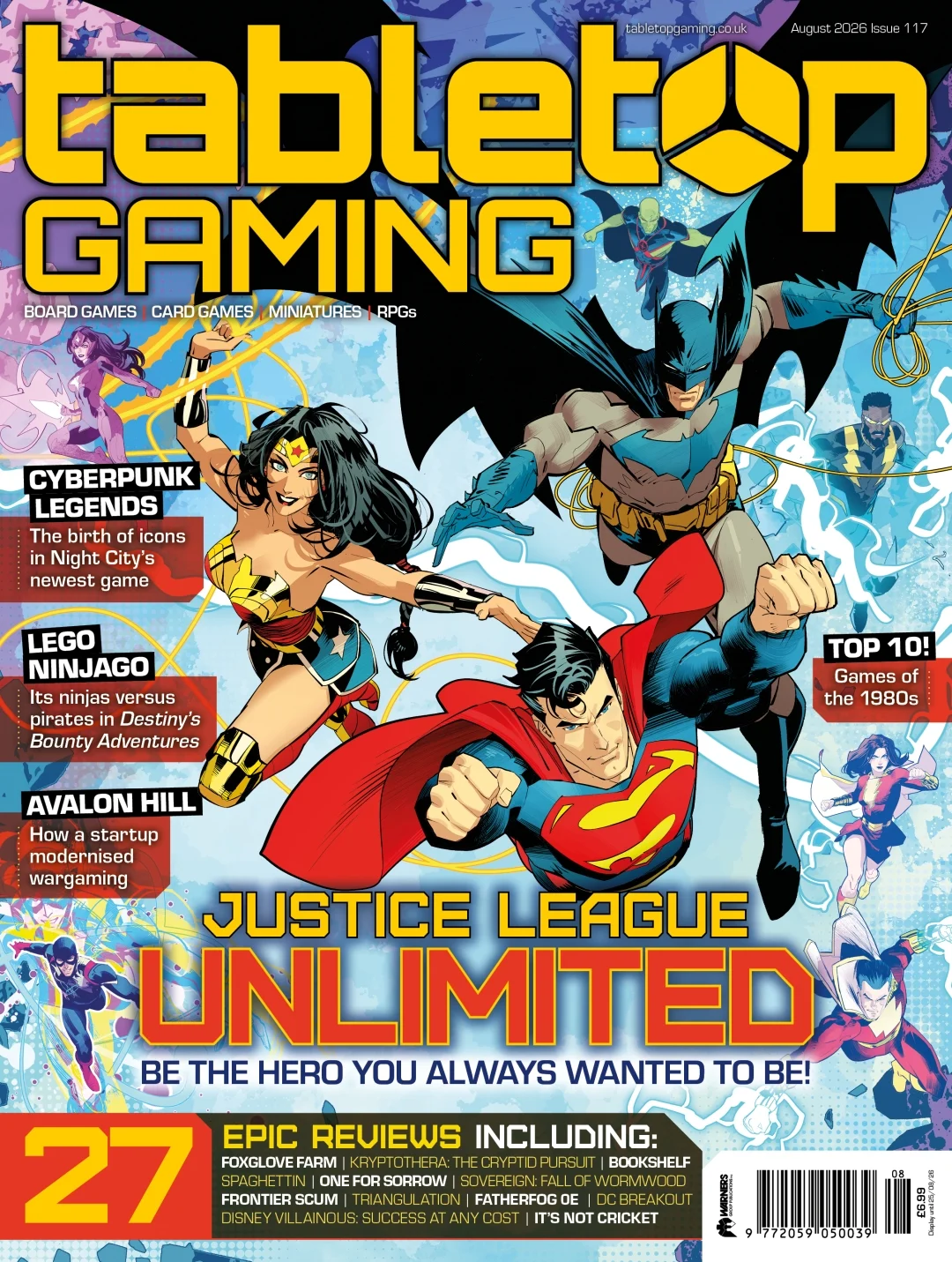
London, UK – Tabletop Gaming magazine proudly announces the release of its 117th issue, an expansive edition that plunges readers into a diverse array of tabletop experiences, from the heroic realms of DC Comics to the neon-drenched streets of Night City. This latest installment promises to equip enthusiasts with everything they need to be the hero of their own story, offering deep dives into highly anticipated releases, nostalgic retrospectives, and poignant tributes to the craft and community of tabletop gaming.
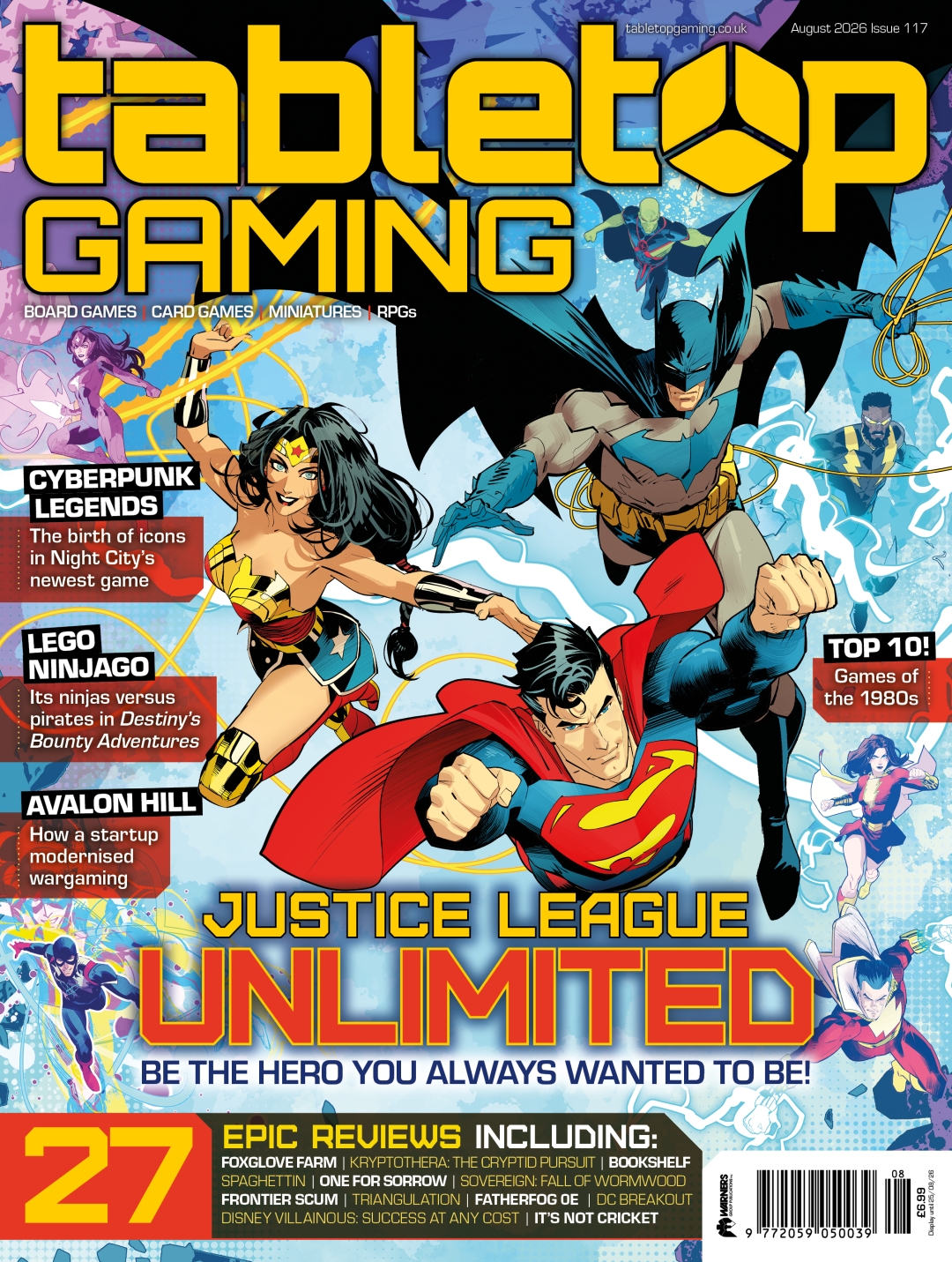
The cover story highlights the triumphant return of DC superheroes to the tabletop roleplaying game (TTRPG) scene after a two-decade hiatus, positioning readers directly into the shoes of their favorite caped crusaders. Concurrently, the issue transports players to the dystopian future of the Cyberpunk universe with an exclusive look at the new Cyberpunk Legends card game. Beyond these headline features, Issue 117 delivers a rich tapestry of content, including a celebration of the best board games from the 1980s, an emotional tribute to a legendary Dungeon Master, and comprehensive reviews of the latest and most exciting titles hitting the market.
Main Facts: A Heroic Return and a Dystopian Future Take Center Stage
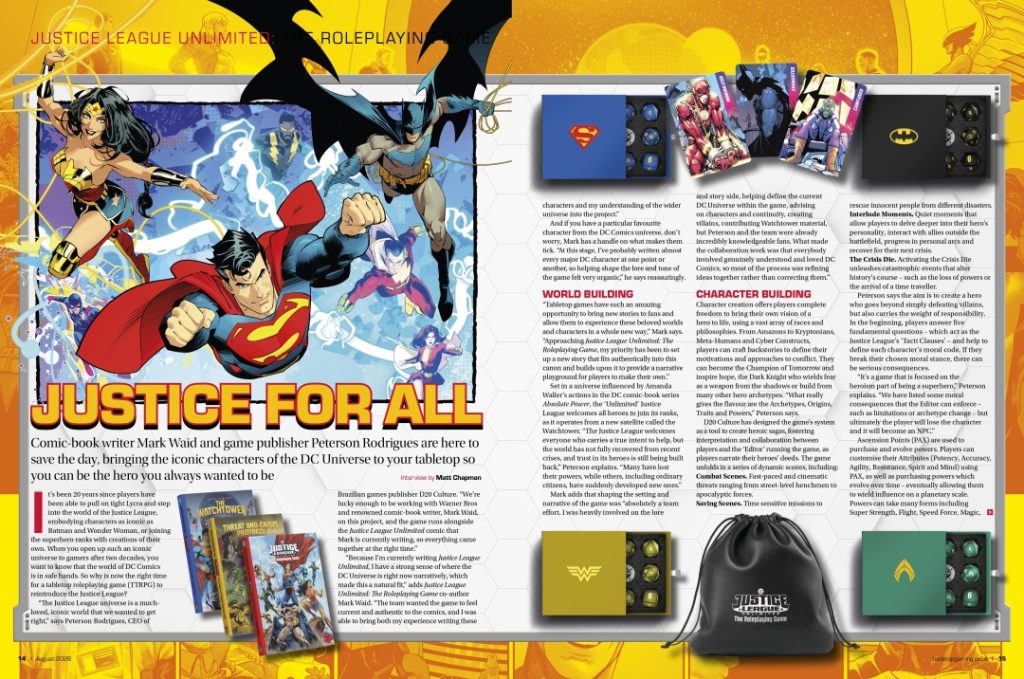
Tabletop Gaming Issue 117 marks a significant moment for fans of licensed intellectual properties within the tabletop hobby, showcasing the industry’s vibrant ability to adapt beloved franchises into engaging game experiences. The magazine’s cover proudly features DC Comics, signaling the much-anticipated debut of Justice League Unlimited: The Roleplaying Game. This release is not merely a new game; it represents the first official DC Comics TTRPG in 20 years, inviting a new generation of players to don the mantle of heroism and protect the innocent within the iconic DC Universe. Esteemed comic-book writer Mark Waid and game publisher Peterson Rodrigues spearhead this project, promising an immersive experience that allows players to embody the heroes they’ve always aspired to be.
Complementing this superheroic offering is an exclusive look into Cyberpunk Legends, a new card game set within the gritty, high-tech, low-life world of Night City. James Portnow of Night Crew Games provides a candid introduction to this exciting addition to the ever-expanding Cyberpunk franchise, offering insights into its development and gameplay. This feature underscores the enduring appeal of the Cyberpunk universe, which continues to captivate audiences across various media, from its original TTRPG roots to blockbuster video games.
Beyond these tentpole features, the issue also delves into a broad spectrum of the tabletop world. Readers can anticipate a journey back in time with a curated list of the "10 best board games of the 1980s," a nostalgic reflection on the foundational titles that shaped modern gaming. A touching tribute is paid to Randy Baker, a Dungeons & Dragons Dungeon Master whose meticulously crafted world and enduring legacy continue to inspire his adventuring party even after his passing. The magazine’s renowned reviews section is packed with verdicts on a diverse range of games, including DC Breakout, Disney Villainous: Success At Any Cost, and Horrified: D&D – Ravenloft, providing invaluable guidance for consumers navigating the bustling market of new releases.
Chronology: Tracing the Evolution of Tabletop Gaming
The narrative of Issue 117 is deeply interwoven with the chronology of tabletop gaming itself, offering both a look back at its rich history and a glimpse into its future.
The Two-Decade Wait for DC Roleplaying
The return of DC Comics to the TTRPG space with Justice League Unlimited: The Roleplaying Game (page 14) is a particularly significant chronological event. The article highlights that it has been two decades since the DC Comics universe officially appeared in a tabletop RPG. This gap speaks volumes about the complexities of licensing and developing games based on major intellectual properties. Earlier attempts, such as Mayfair Games’ DC Heroes (1984-1993), which garnered critical acclaim for its innovative MEGS (Mayfair Exponential Game System) ruleset, and West End Games’ DC Universe Roleplaying Game (1999-2001), showcased the potential and challenges of translating the vast DC lore into a playable format. The 20-year hiatus since the last official iteration has left a void for many fans, making the arrival of Justice League Unlimited a highly anticipated moment. This new game aims to not only fill that void but also to introduce the iconic heroes and villains of DC to a new generation of TTRPG players, leveraging modern game design philosophies.
The Enduring Appeal of Cyberpunk
The Cyberpunk Legends card game represents another chronological thread, tying into a franchise that has spanned decades and multiple media. The Cyberpunk universe originated with Mike Pondsmith’s Cyberpunk 2013 TTRPG in 1988, evolving through Cyberpunk 2020 (1990) and Cyberpunk RED (2020). Its influence reached a global audience with the massive success of the Cyberpunk 2077 video game. This new card game, introduced by James Portnow of Night Crew Games, extends the franchise’s reach further, demonstrating its adaptability and sustained relevance. The shift from a sprawling TTRPG to a card game format indicates a strategic move to capture different segments of the gaming market, offering a more streamlined yet equally thematic experience within Night City.
A Journey Back to the 1980s
The "10 best board games of the 1980s" feature (page 28) provides a direct chronological anchor, celebrating an era that was pivotal for modern board gaming. The 1980s saw significant innovations, with the rise of complex strategy games, early examples of thematic integration, and the continued popularity of traditional family games. This period, characterized by Cold War tensions, the explosion of arcade culture with Pac-Man, and the global phenomenon of The Rubik’s Cube, profoundly influenced game design. The article offers a curated look at the titles that defined this decade, showcasing how these games laid the groundwork for many contemporary design principles and fostered a burgeoning community of dedicated players.

Avalon Hill’s Legacy: A Timeline of Innovation
The "Timelines: Avalon Hill" feature further enriches the chronological perspective, charting the history of one of the most iconic publishers in tabletop gaming. Founded in 1952, Avalon Hill virtually invented the modern wargame and played a crucial role in the development of strategy board games. Its history is a testament to the evolution of the industry, from its early focus on historical simulations to its later diversification into broader genres. The article explores how the company’s "can-do attitude and a desire to keep it local built a brand" that has endured for decades, influencing countless designers and players.
15 Years of LEGO Ninjago Adventures
The celebration of 15 years of LEGO Ninjago board games with the new title LEGO Ninjago: Destiny’s Bounty Adventures also provides a specific chronological milestone. Dotted Games CEO Birgitte Bülow and Head of Games Jonas Resting-Jeppesen reflect on this enduring collaboration, highlighting how the LEGO Ninjago brand has successfully transitioned from toys and animation into engaging tabletop experiences, capturing the imagination of younger players and families.
Supporting Data: Delving Deeper into the Hobby’s Fabric
The supporting data within Issue 117 comes in various forms, from developer insights to market trends and artistic legacies, painting a comprehensive picture of the tabletop gaming ecosystem.
Developer Insights on Licensed IPs
The involvement of prominent figures like Mark Waid and Peterson Rodrigues in Justice League Unlimited: The Roleplaying Game provides significant supporting data on the quality and direction of this new DC RPG. Mark Waid, a celebrated comic-book writer known for his extensive work on DC titles, brings an unparalleled understanding of the source material. His creative vision, combined with Peterson Rodrigues’ publishing expertise, suggests a game deeply rooted in the DC mythos while offering robust and engaging mechanics. This collaboration is crucial for a successful licensed game, ensuring authenticity and playability.
Similarly, James Portnow of Night Crew Games introducing Cyberpunk Legends offers critical insight into the design philosophy behind this new card game. Portnow’s reputation in game design suggests a thoughtful approach to adapting the complex Cyberpunk universe into a card game format, likely focusing on strategic decision-making and thematic immersion within Night City’s cutthroat environment. His "out-of-control card collection" anecdote playfully hints at the passion and dedication invested in the project.

The Heart of the Community: The Forever DM
The story of Randy Baker, "The Forever DM" (page 78), provides powerful supporting data on the intrinsic value of individual contributions to the TTRPG community. This feature goes beyond game mechanics, highlighting the profound impact a dedicated Dungeon Master can have on their players. Randy Baker’s "incredible, in-depth world" living on after his death, sustained by his adventuring party, exemplifies the enduring nature of collaborative storytelling and the deep bonds forged at the gaming table. This narrative underscores that TTRPGs are not just about rules and dice, but about shared experiences, creativity, and community. It serves as a testament to the thousands of unsung DMs worldwide who create unforgettable experiences for their groups.
Artistic Vision: The Legacy of John Blanche
The "Tabletop Legacy: John Blanche" feature is another crucial piece of supporting data, emphasizing the role of art in shaping the aesthetic and thematic identity of tabletop games. John Blanche, an iconic artist for Warhammer, Dungeons & Dragons, and Fighting Fantasy, is credited with defining the "bleak nature of the grimdark." His distinctive style, characterized by gothic horror, detailed fantasy, and a sense of pervasive decay, became synonymous with the early look and feel of Games Workshop’s Warhammer universe. This section illustrates how an artist’s vision can profoundly influence the perception and longevity of a game world, providing visual language that resonates with players for decades.
Market Trends and New Mechanics
The "What’s Hot" section, highlighting titles like Entropy and Warhammer 40,000: Armageddon, offers real-time supporting data on current market trends and player interests. These games represent the pulse of the hobby, indicating what is currently captivating the tabletop community. The inclusion of Disney Lorcana: Attack of the Vine! with its "few new mechanics" and Ross Gilbert’s welcome of the Naruto TCG to Bandai’s lineup provides insights into the evolving trading card game (TCG) market. It demonstrates how TCGs continually innovate with new gameplay elements and leverage popular IPs to attract diverse player bases.
The Breadth of the Review Section
The extensive reviews section, covering titles from Bookshelf to Horrified: D&D – Ravenloft, provides critical supporting data for consumers. Each review acts as a detailed assessment, offering insights into gameplay, components, theme, and overall player experience. This comprehensive coverage ensures that readers are well-informed before making purchasing decisions, contributing to a more discerning and educated player base.
Official Responses: Voices from the Creators and Innovators
The article, while an announcement from Tabletop Gaming magazine, is rich with what can be interpreted as official responses and insights from the creators and companies driving the featured content. These direct or implied statements illuminate the motivations, design philosophies, and excitement surrounding the various projects.
DC RPG Creators Speak
The involvement of "Comic-book Writer Mark Waid and Game Publisher Peterson Rodrigues" for Justice League Unlimited: The Roleplaying Game is a direct official response to the demand for a modern DC TTRPG. Their stated goal to "turn you into the DC hero you always wanted to be!" is a clear mission statement, indicating a focus on player agency and authentic superheroic experiences. This commitment from prominent figures in both comics and game publishing lends significant credibility and excitement to the project, assuaging concerns that might arise from the long absence of DC in this space.
James Portnow on Cyberpunk Legends
James Portnow of Night Crew Games’ introduction to Cyberpunk Legends serves as an official insight into the game’s development. His sharing of an "out-of-control card collection" hints at a deep passion for the genre and likely a comprehensive understanding of card game design. While not a formal press release quote, his personal touch conveys enthusiasm and a creator-driven approach to expanding the Cyberpunk universe, assuring fans that the game is in dedicated hands.
Indie RPG Designers’ Perspectives
The "Indie RPG Roundup," specifically "chatting with Night Shift: Devil Division designer Sacha Lightfoot," provides official responses from the indie development scene. These conversations offer direct windows into the creative process, the challenges, and the unique visions driving smaller-scale RPG projects like Tyrant Philosophers and Lightfoot’s work. Such insights are crucial for fostering community and showcasing the innovative spirit outside of major publishers.
Dotted Games on LEGO Ninjago’s Longevity
Birgitte Bülow (CEO) and Jonas Resting-Jeppesen (Head of Games) from Dotted Games officially "celebrate 15 years of LEGO Ninjago board games with a new title." Their collective statement represents the company’s perspective on the brand’s success and its continued evolution in the tabletop space. This response highlights the sustained creative partnership between LEGO and Dotted Games, emphasizing the careful balance of brand integrity with engaging gameplay for a younger audience.
Bandai’s TCG Expansion
Ross Gilbert’s welcoming of the Naruto TCG as "another Bandai TCG" serves as an official confirmation of Bandai’s continued investment in the trading card game market and its strategy of leveraging popular anime and manga IPs. This indicates a robust pipeline for new releases and a commitment to expanding its portfolio alongside existing successful TCGs.
Implications: Shaping the Future of Tabletop Gaming
The content of Tabletop Gaming Issue 117 carries several significant implications for the broader tabletop gaming industry and community.
The Resurgence of Licensed IP in TTRPGs
The most immediate implication stems from the Justice League Unlimited: The Roleplaying Game. Its release after a 20-year gap signals a renewed confidence in licensed TTRPGs, particularly for major comic book properties. This could pave the way for other iconic franchises to explore or re-enter the TTRPG market, leading to a golden age of diverse and high-quality licensed games. The success of this DC RPG could inspire publishers to invest more in securing rights to beloved universes, offering fans new ways to interact with their favorite stories.
Diversification of Established Franchises
The introduction of Cyberpunk Legends as a card game within the Cyberpunk universe highlights a broader trend of franchise diversification. Publishers are increasingly exploring different game formats (e.g., card games, board games, miniature games) to extend the reach of popular IPs beyond their original medium (TTRPGs or video games). This strategy allows for broader market penetration, catering to players with varying preferences for complexity, play time, and group size. It implies a future where a single beloved universe can offer multiple distinct gaming experiences.
The Valued Role of Community and Legacy
The tribute to Randy Baker, "The Forever DM," underscores the profound implication of community and legacy within TTRPGs. It reinforces that the human element—the shared stories, the friendships, and the enduring worlds created by DMs and players—is as vital as the games themselves. This emphasis on legacy encourages players to cherish their gaming groups and DMs, and highlights the potential for TTRPGs to create lasting memories and even posthumous tributes. It implies a growing recognition of the social and emotional impact of tabletop gaming.
The Power of Artistic Vision
John Blanche’s "Tabletop Legacy" emphasizes the lasting implication of artistic vision in shaping game aesthetics and thematic identity. His influence on "grimdark" not only defined Warhammer but also created an entire subgenre of dark fantasy art. This implies that strong, distinctive art direction is crucial for game success and longevity, impacting player immersion and the overall cultural footprint of a game. It may encourage future game developers to invest more in unique artistic styles.
The Dynamic Growth of the TCG Market
The features on Disney Lorcana and the Naruto TCG indicate a continuously dynamic and expanding trading card game market. The introduction of new mechanics in Lorcana suggests ongoing innovation, while the embrace of Naruto by Bandai points to the lucrative nature of adapting popular anime/manga IPs. The implication is a vibrant TCG landscape with fierce competition, constant evolution, and a steady stream of new products catering to diverse fandoms, ensuring the genre’s continued relevance and growth.

Tabletop Gaming as a Holistic Experience
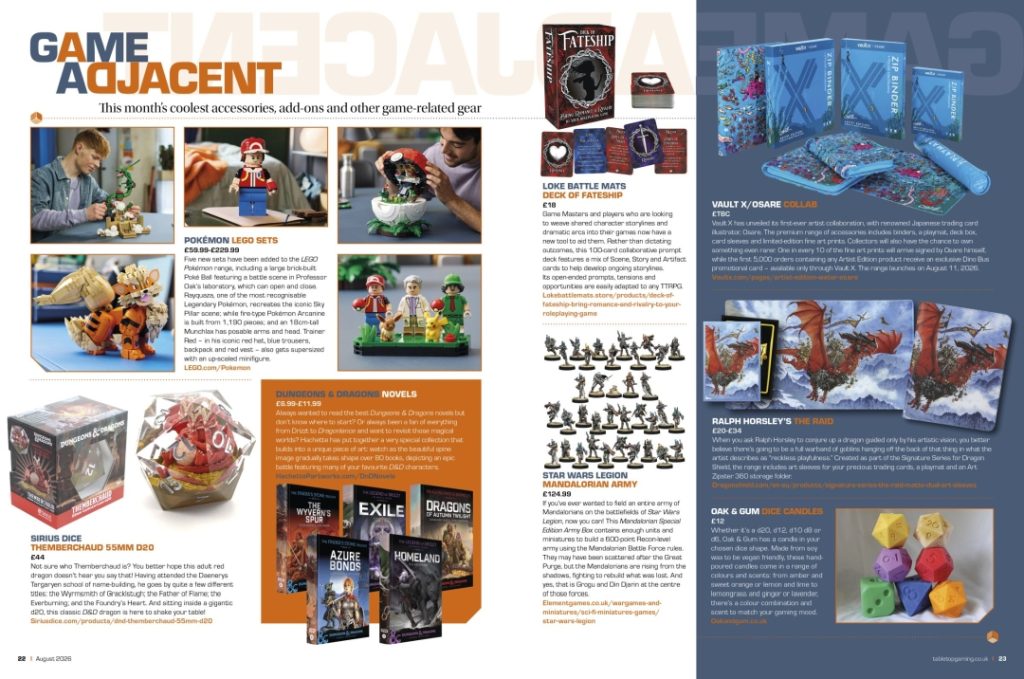
The inclusion of "Game Adjacent" content, featuring items like a table-shaking d20 dice and Dungeons & Dragons novels, implies a holistic view of the tabletop hobby. It suggests that the experience extends beyond the game itself, encompassing accessories, lore, and supplementary materials. This indicates that the market for tabletop gaming is maturing, with consumers looking for ways to enhance their immersion and engagement through a wider range of related products.
In conclusion, Tabletop Gaming Issue 117 is more than just a magazine; it’s a comprehensive snapshot of a thriving, evolving industry. From major licensed revivals to indie innovations and poignant tributes, the issue illuminates the past, celebrates the present, and casts an optimistic light on the future of tabletop gaming, inviting every reader to find their next great adventure.