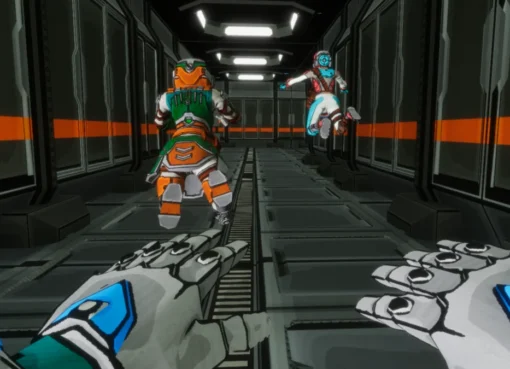
Velocity Reborn: Omega Pilot Evolution Arrives on PS VR2 to Redefine Futuristic Racing
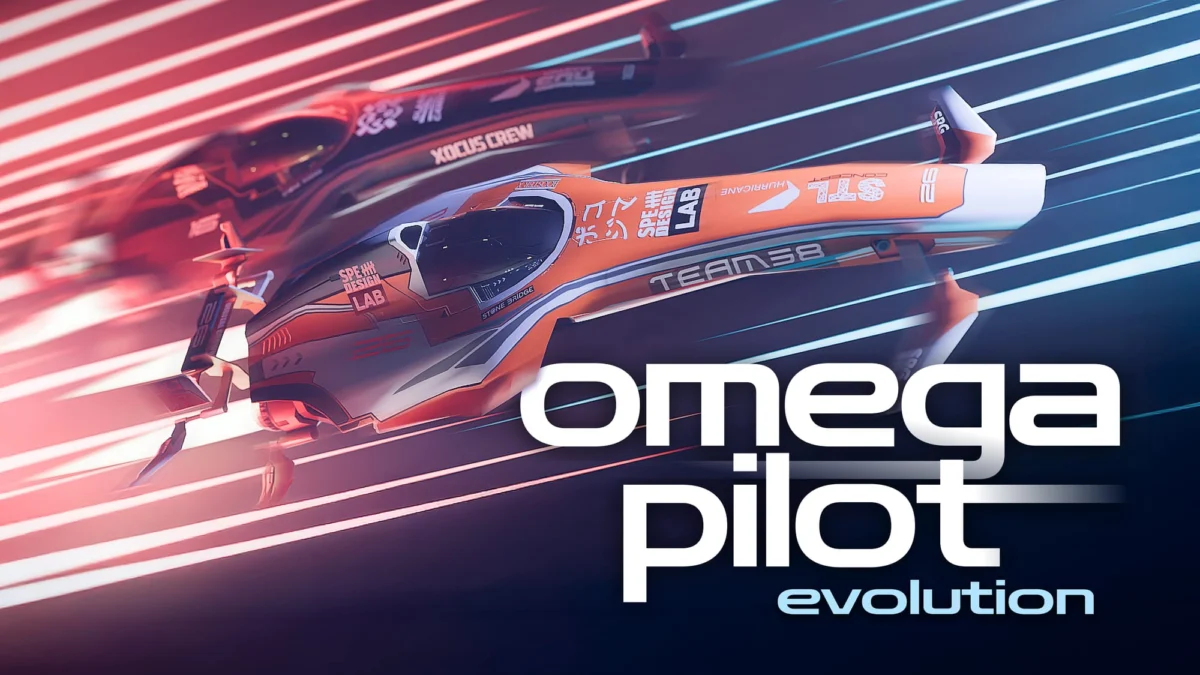
The landscape of virtual reality racing has just received a high-octane injection of adrenaline. Today, developer XOCUS, the creative force behind the critically acclaimed EXOcars, officially launched Omega Pilot Evolution on the PlayStation VR2 (PS VR2) and PlayStation 5. Announced as a centerpiece of the latest VR Showcase, the title promises to bridge the gap between traditional flat-screen gaming and the immersive frontiers of virtual reality, offering a high-speed, anti-gravity experience that pays homage to the golden era of futuristic racers while pushing the boundaries of modern hardware.
I. Main Facts: A New Contender in the Anti-Gravity Arena
Omega Pilot Evolution is not merely a port or a simple racing sim; it is a meticulously crafted "first-person futuristic racing experience" designed to test the limits of pilot reflexes and spatial awareness. The game places players inside the cockpits of advanced anti-gravity crafts, capable of reaching speeds that blur the environment into a neon-streaked haze.
Core Launch Details
The game’s arrival on the PlayStation ecosystem marks a significant milestone for XOCUS. Key launch facts include:
- Dual-Format Accessibility: Every purchase of Omega Pilot Evolution includes both the PlayStation VR2 version and the standard PlayStation 5 flat-screen version. This "cross-buy" approach ensures that players can transition between immersive VR and casual TV play without additional costs.
- Cross-Platform Connectivity: One of the game’s most ambitious features is its cross-platform multiplayer. Players on PS VR2 can compete directly against those on flat screens, and eventually against players on Meta Quest, Steam, and PICO.
- Multiplayer Architecture: The game supports real-time online racing for up to five players per lobby. For those seeking a more solitary challenge, asynchronous multiplayer via global leaderboards allows pilots to compete against the "ghosts" of the world’s fastest racers.
- Combat and Customization: Beyond pure speed, the game introduces a dedicated combat racing mode, adding a layer of tactical depth. Players can also engage in extensive customization, upgrading their ships’ performance and aesthetics to suit their racing style.
II. Chronology: The Road to Evolution
The journey of Omega Pilot Evolution is a testament to the evolving strategy of XOCUS and the broader VR industry’s move toward multi-platform parity.
The XOCUS Pedigree
XOCUS established its reputation with EXOcars, a game praised for its physics-based driving and tactile feedback. Leveraging the lessons learned from off-road VR simulation, the team pivoted toward the "Omega" project to explore the potential of high-speed flight and verticality.
The Launch Cycle
- The PS VR2 Debut (Today): The game’s release on Sony’s flagship VR platform serves as its primary launchpad. By utilizing the PS5’s processing power, the developers have aimed to deliver a stable, high-frame-rate experience essential for preventing motion sickness in high-speed VR.
- The Meta Quest Expansion (August 27, 2024): In less than two weeks, the game will migrate to the standalone Meta Quest platform. This version is expected to significantly broaden the player base, providing a critical test for the game’s cross-play infrastructure.
- The Long-Term Roadmap (Fall 2026): In a move that highlights the long-tail planning of the studio, XOCUS has scheduled the Steam and PICO versions for a Fall 2026 release. This staggered rollout suggests a commitment to optimizing the game for specific hardware ecosystems rather than a rushed, simultaneous port.
III. Supporting Data: Technical Specifications and Gameplay Mechanics
To understand why Omega Pilot Evolution is drawing comparisons to legends like Wipeout and F-Zero, one must look at the technical pillars supporting its gameplay.
The Physics of Anti-Gravity
Unlike traditional racers, Omega Pilot Evolution focuses on "six degrees of freedom" (6DoF) movement within the constraints of a racing track. The anti-gravity flight model incorporates:
- Inertia Management: Pilots must account for the drift and momentum of a vehicle that has no friction with the ground.
- Verticality: Tracks are designed with loops, corkscrews, and vertical drops that utilize the VR headset’s ability to provide a true sense of scale and depth.
Visual and Auditory Immersion
On the PS VR2, the game leverages the headset’s OLED panels to produce vibrant neon contrasts and deep blacks, essential for the futuristic aesthetic.
- Haptic Feedback: Utilizing the PS VR2 Sense controllers and the headset’s internal motor, players feel the "thrum" of the engine and the jarring impact of combat or wall-scrapes.
- Spatial Audio: The game’s soundscape is engineered to provide directional cues. Hearing a rival pilot’s engine approaching from the rear-left allows players to make defensive maneuvers without taking their eyes off the racing line.
Engagement Metrics
XOCUS has integrated "Intelligent Matchmaking" to ensure that the five-player lobbies remain competitive. By analyzing player skill levels and latency, the system aims to minimize the "rubber-banding" often found in high-speed online racers. The inclusion of asynchronous leaderboards further extends the game’s life cycle, providing a "Daily Challenge" style hook for the community.
IV. Official Responses: The Developer’s Vision
While XOCUS has remained focused on the technical execution of the launch, their public statements reflect a clear philosophy: VR racing should be accessible, social, and uncompromising in its speed.
A spokesperson for XOCUS emphasized that Omega Pilot Evolution was designed to be the "ultimate realization of the anti-gravity genre in a 3D space." The developer’s description of the game as an experience that "pushes the limits of anti-gravity flight" is more than marketing jargon; it reflects a design choice to prioritize "true-to-life" cockpit perspectives.
The decision to bundle the VR and flat-screen versions was a deliberate response to the "siloing" of VR communities. "We want friends to be able to race together, regardless of their hardware preferences," XOCUS noted during the VR Showcase. This "platform-agnostic" approach is increasingly seen as the gold standard for indie developers looking to sustain a healthy online population in the niche VR market.
V. Implications: A Catalyst for the PS VR2 Ecosystem
The release of Omega Pilot Evolution carries weight beyond its own sales figures. It represents a vital moment for the PS VR2 and the futuristic racing genre as a whole.
Filling the "Wipeout" Void
For years, PlayStation fans have clamored for a new entry in the Wipeout franchise. While Wipeout Omega Collection received a stellar VR patch, the series has remained dormant. Omega Pilot Evolution steps into this vacuum, offering a fresh IP that captures the aesthetic and mechanical spirit of 90s futuristic racers while utilizing 2024 technology. Its success could signal to Sony and other publishers that there is a deep, untapped hunger for high-speed, stylized racing in the VR space.
The Hybrid Gaming Model
The inclusion of a flat-screen mode is a strategic hedge. By allowing players to play on their TVs, XOCUS reduces the "friction" of VR—the physical fatigue or the setup time—while still providing the option for a premium, immersive experience. This hybrid model may become the blueprint for future VR titles, ensuring that games do not die out if the VR-specific player base fluctuates.
Cross-Platform Longevity
By planning a rollout across Meta Quest, Steam, and PICO, XOCUS is building a unified ecosystem. In the world of multiplayer gaming, "population is king." By the time the Steam version launches in 2026, the game will ideally have a seasoned community of PlayStation and Quest pilots, creating a rich, competitive environment for newcomers.
Conclusion
Omega Pilot Evolution is more than just a game launch; it is a declaration that the futuristic racing genre is alive and well in the virtual domain. With its combination of high-speed technical precision, combat depth, and inclusive multiplayer design, it stands as a significant addition to the PS VR2 library. As pilots strap into their cockpits today, they aren’t just racing toward a finish line—they are helping to define the next era of immersive competitive sports.
For those ready to defy gravity, the gates are open on PlayStation 5 and PS VR2. The rest of the world will join the grid starting August 27.