"The New Prophecy: 1 of 3" Graphic Novel Ignites Enthusiasm Ahead of Tencent-Disney Animated Series
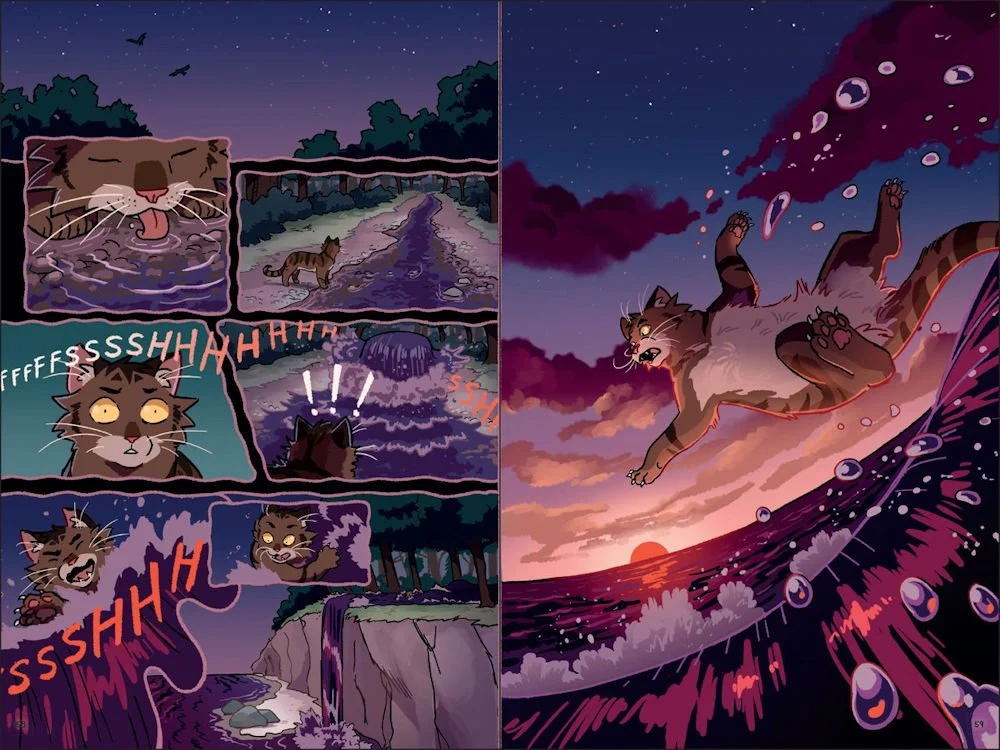
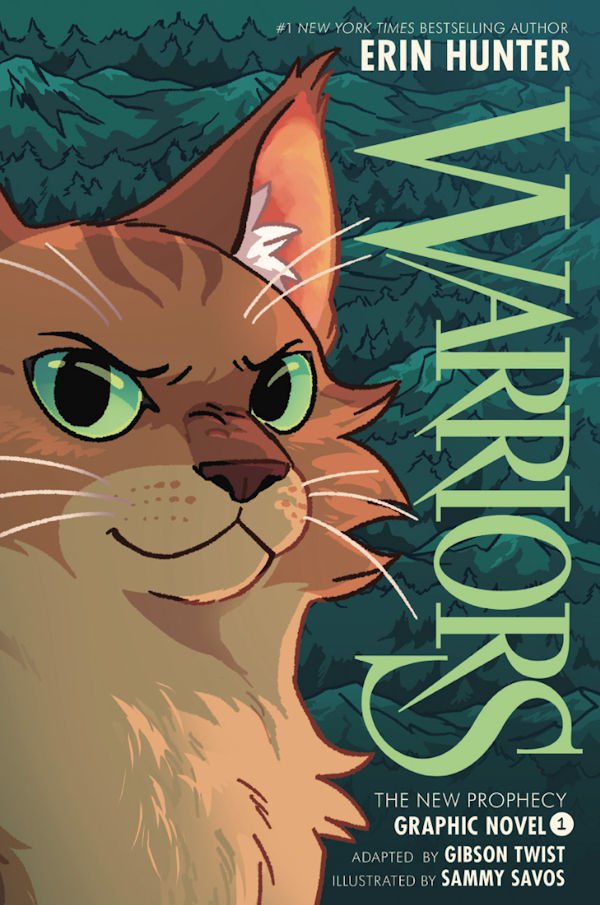
A groundbreaking adaptation of the beloved Warrior Cats saga, "The New Prophecy: 1 of 3," is poised to captivate both seasoned fans and a new generation of readers, particularly as anticipation builds for the forthcoming animated series from Tencent and Disney. This graphic novel not only serves as an ideal entry point into the intricate world of the forest Clans but also stands as a testament to the enduring power of visual storytelling in reimagining a cherished literary phenomenon.
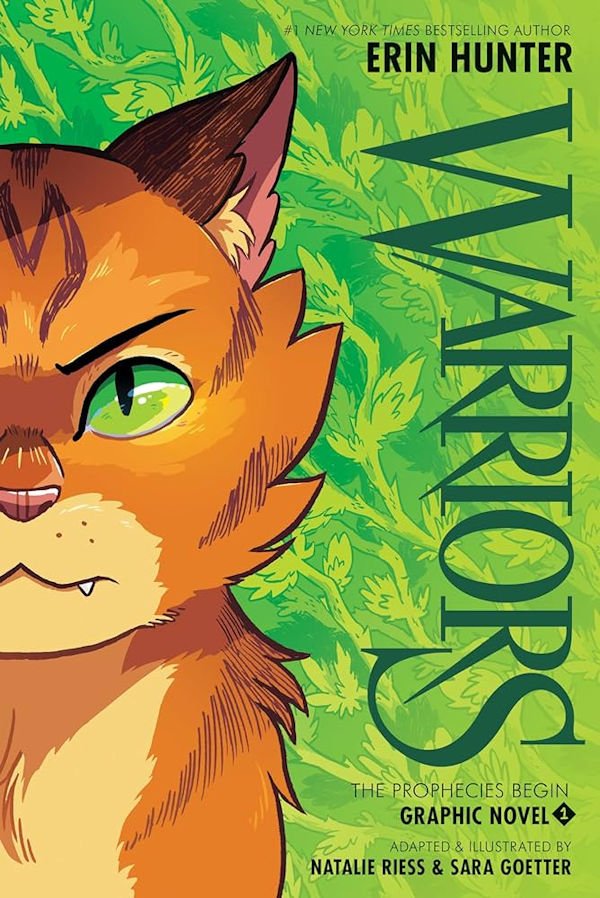
The Warrior Cats universe, a sprawling epic penned by the collective known as Erin Hunter, has long held a significant place in the hearts of millions. With the recent announcement of a major animated adaptation, interest in the series has surged, prompting a fresh look at existing content. The graphic novel adaptations, beginning with The Prophecies Begin and now continuing with The New Prophecy: 1 of 3, are proving to be exceptionally timely and well-executed companions to the original prose novels. Reviewers are hailing these graphic novels, particularly the latest installment, as masterful reinterpretations that deepen character understanding and enrich the narrative landscape, making them indispensable for anyone diving into the world of StarClan and the wild Clans.
The Looming Peril: Main Facts of "The New Prophecy"
"The New Prophecy: 1 of 3" plunges readers back into the heart of the forest, where an uneasy peace among the wild cat Clans is shattered by an ominous prophecy. Brambleclaw, a ThunderClan warrior striving to forge his own identity beyond the shadow of his villainous father, Tigerstar, receives a dire vision from StarClan. This prophecy speaks of a mysterious danger threatening the very existence of their forest home, compelling him to unite the fiercest warriors from all Clans on a perilous quest into the mountains.
The journey itself is fraught with challenges, testing the resolve and unity of the questing cats. Back in the forest, tensions escalate as ThunderClan leader Firestar and his apprentice Leafpaw witness their world teetering on the brink of collapse. As the chosen cats grapple with the enigmatic meaning of the prophecy, turmoil threatens to engulf the Clans, setting the stage for monumental changes. The graphic novel masterfully captures this escalating drama, presenting a visually rich and emotionally resonant narrative that honors the original story while infusing it with renewed vibrancy.
This adaptation is particularly significant as it arrives at a pivotal moment for the franchise. With the weight of a major animated series announcement, the graphic novels are strategically positioned to introduce Warrior Cats to a broader, potentially global audience. The positive reception of The New Prophecy: 1 of 3, with its superb storyboarding by Gibson Twist and evocative character art by Sammy Savos, underscores the success of this strategy. These visual storytellers, alongside earlier adapters Natalie Riess and Sara Goetter for The Prophecies Begin, have collectively elevated the graphic novel series into a benchmark for literary adaptations.
A Saga Unfurled: Chronology of the Warrior Cats Universe
The Warrior Cats saga boasts a rich and extensive history, beginning over two decades ago. Understanding its chronological development helps contextualize the significance of these new adaptations.
The Genesis of a Phenomenon: The Original Warrior Cats Series
The Warrior Cats series first emerged in 2003 with Into the Wild, introducing readers to the intricate world of four wild cat Clans – ThunderClan, RiverClan, WindClan, and ShadowClan – living by a warrior code and guided by the spirits of their ancestors, StarClan. Conceived by editor Victoria Holmes, and primarily penned by authors Kate Cary, Cherith Baldry, and Tui T. Sutherland (with later contributions from Inbali Iserles and Gillian Philip), under the collective pseudonym Erin Hunter, the series rapidly gained a devoted following. Its blend of high fantasy, intricate social dynamics, coming-of-age themes, and fierce battles resonated deeply with young readers.
The initial arc, The Prophecies Begin, established the core mythology, focusing on the journey of Rusty, a housecat who joins ThunderClan and becomes the legendary Firestar. Following its immense success, subsequent arcs expanded the universe, delving into new prophecies, territorial disputes, and evolving threats. The New Prophecy arc, comprising six books (Midnight, Moonrise, Dawn, Starlight, Twilight, Sunset), originally published between 2005 and 2006, marked a significant shift in the narrative. It introduced a new generation of protagonists, including Brambleclaw, Squirrelpaw, Crowpaw, Tawnypelt, Stormfur, and Feathertail, and explored themes of environmental change, forced migration, and the difficult choices required for survival. This arc is particularly beloved by many fans for its epic scope and the deep character development it offers.
From Text to Panel: The Graphic Novel Adaptation Journey
The decision to adapt the main Warrior Cats arcs into graphic novels was met with a mix of anticipation and, for some, skepticism. Many long-time fans, like the reviewer, initially questioned the necessity of re-telling stories already well-established in prose. However, the release of The Prophecies Begin graphic novel adaptation, illustrated and adapted by Natalie Riess and Sara Goetter, swiftly converted skeptics into believers. Its vibrant artwork, concise storytelling, and faithful yet fresh interpretation demonstrated the immense potential of the graphic novel format to breathe new life into familiar tales.
The New Prophecy 1 of 3 follows in this successful vein, adapting the first two books of the original New Prophecy arc, Midnight and Moonrise, into a single, cohesive graphic novel volume. This adaptation represents a crucial step in making the entire saga more accessible and engaging, particularly for readers who may prefer visual narratives or are new to the Warrior Cats world. The timing of its release is impeccable, capitalizing on the heightened interest generated by the impending animated series.
The Animated Future: Tencent and Disney’s Vision
The announcement that global entertainment giants Tencent and Disney are collaborating to develop an animated Warrior Cats show has sent ripples of excitement through the fandom and beyond. This venture signals a significant expansion of the franchise’s global reach, promising to introduce the captivating world of the Clans to an even wider audience across various cultural landscapes. The involvement of such prominent studios implies a substantial investment in production quality and marketing, suggesting a high-caliber adaptation that could rival other major animated fantasy series.
While details about the animated series’ specific narrative focus, animation style, and release timeline are still emerging, its potential impact is undeniable. It could serve as the ultimate gateway for millions of new viewers, who may then be inspired to explore the extensive backlist of novels and graphic novels. This multi-platform strategy – original books, graphic novel adaptations, and an animated series – creates a powerful synergy, ensuring the Warrior Cats legacy continues to grow and evolve for years to come.
Visualizing Valor: Supporting Data on the Adaptation’s Success
The success of The New Prophecy: 1 of 3 as an adaptation lies in its meticulous execution, particularly in its artistic interpretation and narrative pacing.
Artistic Interpretation and Character Depth
Sammy Savos’s character art is a standout feature, lauded for its ability to imbue even minor characters with profound emotional depth. This visual enhancement is critical in a series where the cats’ internal lives and motivations are central to the narrative. For instance, Crowpaw, often perceived in the original novels as merely "prickly" or "rude," is visually transformed by Savos. His art reveals Crowpaw’s underlying insecurity, his subtle yearning for approval, and a playful, good-spirited snark that was previously only hinted at. This visual nuance allows readers to empathize more deeply with his struggles and understand his complex personality.
Similarly, Squirrelpaw, who could sometimes come across as arrogant or spoiled in the early prose novels, is depicted by Savos as precocious, self-aware, and eager to please. Her mischievousness is portrayed with a sense of intelligent curiosity rather than mere petulance. These visual cues add layers of understanding that might take chapters of prose to convey, making the characters feel more immediate and relatable.
Beyond the main protagonists, Savos’s art enriches the entire ensemble. The reviewer’s favorite example, the constant, unnamed inclusion of Cloudtail and Brightheart affectionately sharing tongues and chores in the background, is a brilliant demonstration of this. These subtle visual narratives tell mini-stories within the larger plot, reinforcing relationships, establishing the mundane rhythms of Clan life, and creating a living, breathing world without needing explicit textual exposition. The body language, facial expressions, and overall demeanor of each cat in every panel contribute significantly to their characterization, making them feel fully fleshed out and emotionally resonant. This is where the graphic novel truly shines, translating complex internal states into readily digestible visual information.
World-Building and Narrative Pacing in Graphic Form
Gibson Twist’s storyboarding, combined with Savos’s art, excels at capturing the everyday goings-on of the Clans, a detail often lost in adaptations that prioritize plot over atmosphere. Numerous panels depict hunting scenes, from solo excursions to full Clan patrols and apprentice lessons. These moments, while not always driving the main prophecy, are crucial for grounding the reader in the reality of the cats’ existence and reinforcing their connection to the forest.
A particularly effective adaptation highlighted is the monthly Gathering. Graphic novels face the challenge of portraying large crowds without overwhelming the reader or resorting to generic, unidentifiable figures. Twist and Savos manage to convey the scale and significance of the Gathering through clever panel composition and distinct character designs, making it feel grand from the Clans’ perspective without feeling exaggerated or losing individual identities. This attention to detail in world-building ensures that the graphic novel feels authentic to the Warrior Cats experience.
One of the most significant concerns for adapting a six-book prose arc into a three-book graphic novel series is the potential for information loss or awkward narrative breaks. The reviewer’s praise for how The New Prophecy 1 of 3 balances its timing and ending is a testament to the adapters’ skill. By choosing to conclude the first volume at the natural story note equivalent to the end of Moonrise, the second book in the original arc, Twist ensures a satisfying, albeit suspenseful, resolution that propels readers toward the next installment without feeling abruptly cut off. This strategic pacing demonstrates a deep understanding of both the source material and the demands of the graphic novel format, allowing for a coherent and engaging reading experience.
Bridging Gaps: Accessibility for New and Returning Fans
The graphic novel format offers unparalleled accessibility for various types of readers. For newcomers to the Warrior Cats universe, these adaptations provide a less daunting entry point compared to embarking on a multi-book prose series. The visual nature helps quickly establish characters, settings, and complex Clan dynamics, making the story easier to follow and more immediately engaging. This is especially true for younger readers who may be "picky" or struggle with longer text-heavy books; the combination of compelling visuals and digestible text can spark a love for reading.
For adult fans returning to the series, the graphic novels offer a fresh perspective and a nostalgic journey. They serve as "easy reading" that can be enjoyed between more demanding literary works, allowing readers to revisit beloved characters and plots with a new visual interpretation. The artistic flourishes and character nuances discovered in the graphic novels can deepen their appreciation for the original stories, providing new insights into familiar narratives. This dual appeal makes The New Prophecy: 1 of 3 a valuable addition to any fan’s bookshelf, regardless of their prior engagement with the series.
Industry Recognition: Official Responses and Creative Approach
While the original review primarily offers a fan’s perspective, it implicitly acknowledges the strategic decisions and collaborative efforts behind these successful adaptations.
Publisher’s Strategy and Vision
The enthusiastic reception of the graphic novels suggests a strong endorsement of HarperCollins’ (the primary publisher of the Warrior Cats series) strategy to expand the franchise into new formats. The decision to invest in high-quality graphic novel adaptations of the main arcs indicates a keen understanding of market trends and a commitment to reaching diverse audiences. By allowing reviewers early access, the publisher demonstrates confidence in the quality of the product and aims to generate significant buzz, a strategy that clearly paid off in this instance. This proactive approach ensures the Warrior Cats brand remains relevant and continues to attract new readers alongside its existing, dedicated fanbase. The reviewer’s appreciation for early access underscores the positive relationship between creators/publishers and the critical community, fostering genuine enthusiasm.
Creative Team’s Approach
The success of The New Prophecy 1 of 3 is a direct result of the creative team’s approach: a profound respect for the source material coupled with an innovative vision for its visual translation. Adapters Gibson Twist and artists Sammy Savos (and earlier, Natalie Riess and Sara Goetter) have demonstrated an acute understanding of the original novels’ essence – their character arcs, thematic depth, and pacing. Their work is not merely a panel-by-panel transcription but a thoughtful re-imagining that leverages the strengths of the graphic novel medium.
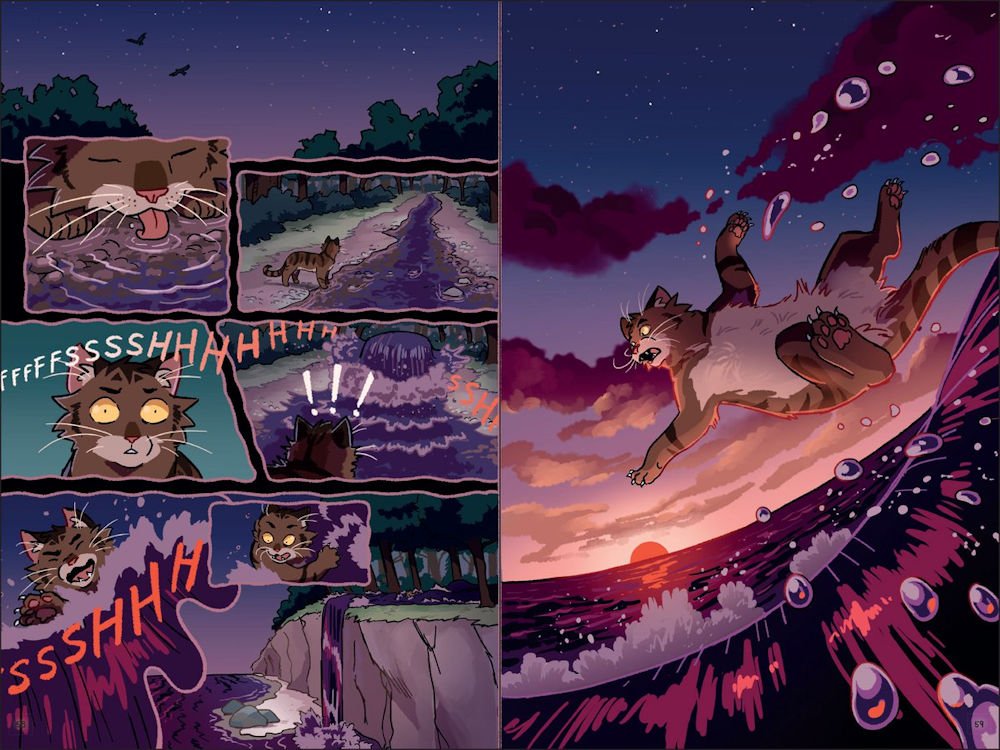
This involves making judicious choices about what to show versus what to tell, how to convey internal monologues visually, and how to condense six books into three without sacrificing critical plot points or emotional resonance. The ability to enhance character depth, as seen with Crowpaw and Squirrelpaw, through visual cues alone speaks volumes about their interpretive skill. This meticulous and respectful yet innovative approach is precisely what makes these adaptations so compelling and effective, earning them a place as some of the "best Warrior Cat releases since Omen of the Stars."
A Feline Future: Implications for the Warrior Cats Franchise
The confluence of critically acclaimed graphic novel adaptations and a high-profile animated series signals a vibrant future for the Warrior Cats franchise, with far-reaching implications for its enduring legacy and broader industry trends.
Revitalization of a Beloved Franchise
The simultaneous release of compelling graphic novels and the announcement of a major animated series represents a significant revitalization of the Warrior Cats franchise. For a series that has spanned over two decades and dozens of books, maintaining freshness and attracting new readers is crucial. These new formats effectively achieve this, breathing new life into established narratives and characters. This renewed interest is likely to translate into increased sales across all Warrior Cats media, potentially leading to new spin-off books, merchandise, and even interactive experiences. The franchise is poised to enter a new golden age, expanding its reach and deepening its cultural footprint globally.
The Future of Young Adult and Middle Grade Adaptations
The success of the Warrior Cats graphic novels offers a compelling blueprint for the adaptation of other beloved young adult and middle-grade book series. It demonstrates the power of visual storytelling to engage contemporary audiences, many of whom are growing up immersed in visual media. As reading habits evolve, graphic novels and animated series provide accessible and exciting pathways into complex narratives, ensuring that cherished stories continue to resonate across generations. This trend highlights a broader industry shift towards multi-platform storytelling, where a single intellectual property can thrive in various formats, catering to diverse preferences. The meticulous attention to detail and character development in The New Prophecy: 1 of 3 sets a high bar for future adaptations.
Enduring Legacy and Community Impact
At its core, Warrior Cats explores universal themes of loyalty, survival, destiny, family, and the delicate balance between nature and society. These themes remain profoundly relevant, contributing to the series’ enduring appeal. The new adaptations not only reinforce these core messages but also introduce them to new audiences in engaging ways. The thriving Warrior Cats fandom, known for its creativity and passion, will undoubtedly be strengthened by these new releases, fostering a renewed sense of community and inviting a fresh wave of enthusiasts to participate. The combined effect of these ventures is to solidify the Warrior Cats saga’s place as a modern classic, ensuring its tales of courage and conflict among the wild Clans continue to inspire and entertain for decades to come.
In conclusion, "The New Prophecy: 1 of 3" is more than just a graphic novel adaptation; it is a pivotal moment for the Warrior Cats franchise. It stands as a testament to the enduring appeal of its world and characters, brilliantly reimagined through the artistry of Savos and Twist, and perfectly timed to welcome a new generation of fans catalyzed by the impending animated series. Whether one is a long-time Clan follower or a curious newcomer, this graphic novel promises an immersive and unforgettable journey into the heart of the wild.