"Hello Wizard I Have a Problem": A Deep Dive into Collaborative Magical Mayhem
FOR IMMEDIATE RELEASE
London, UK – [Insert Date of Publication] – A new tabletop roleplaying game (TRPG) is poised to enchant and amuse players with its unique blend of collaborative storytelling, magical mishaps, and absurdist comedy. Titled "Hello Wizard I Have a Problem," this upcoming game challenges the traditional GM-player dynamic by inviting all participants to contribute to both the narrative and the inevitable catastrophic failures of their powerful, yet spectacularly incompetent, spellcasters. Developed by acclaimed TRPG designer Sam Armstrong, with captivating artwork by Evlyn Moreau, the game recently concluded a successful crowdfunding campaign, signaling a strong appetite within the gaming community for innovative and humor-driven roleplaying experiences.
Main Facts: Unveiling a World of Incompetent Sorcery
"Hello Wizard I Have a Problem" emerges as a fresh contender in the tabletop roleplaying landscape, offering a distinctly lighthearted and collaborative approach to fantasy adventuring. At its core, the game invites any number of players to weave a shared narrative around a coven of chaotic wizards whose attempts at spellcasting invariably go awry. This premise, while simple, underpins a sophisticated design philosophy that prioritizes emergent storytelling and shared laughter over complex rule sets and rigid game master directives.
The game’s primary appeal lies in its commitment to absurdist, fantastical comedy. Drawing inspiration from iconic British comedic groups like Monty Python, alongside modern cult favorites such as The Mighty Boosh and the mockumentary series "What We Do in the Shadows," "Hello Wizard I Have a Problem" thrives on rapid-fire scenes brimming with the strange, unexpected, and often hilariously disastrous. Players are not merely spectators to a GM’s narrative; they are active co-creators of a constantly unfolding spectacle of magical incompetence.
A standout feature is its innovative approach to game mastery. Unlike many conventional TRPGs where a single Game Master (GM) dictates the world and its challenges, "Hello Wizard I Have a Problem" employs a rotating spotlight system. Players take turns assuming the role of the "active spellcaster," describing the magnificent (or at least, intended) effects of their wizard’s magic. Crucially, the remaining players collectively assume the GM role, collaboratively deciding how these spells deviate from their intended outcome, often with chaotic and uproarious results. This dynamic ensures constant engagement from all participants, fostering a truly communal storytelling experience.
To fuel this comedic chaos, the game incorporates a "Problem Generator" within its rulebook. This ingenious tool is designed to provide over 200,000 unique prompts for magical mishaps, ensuring that no two spell failures are quite the same. From summoning an army of sentient teacups instead of a formidable beast to accidentally transforming the king’s crown into a live badger, the possibilities for absurdity are virtually limitless. The game culminates when each player has had ample opportunity in the spellcasting spotlight, with a loose improv-based "points" system determining who among the group is deemed the "most impressive" wizard – a title that likely rewards the most spectacularly entertaining failures.
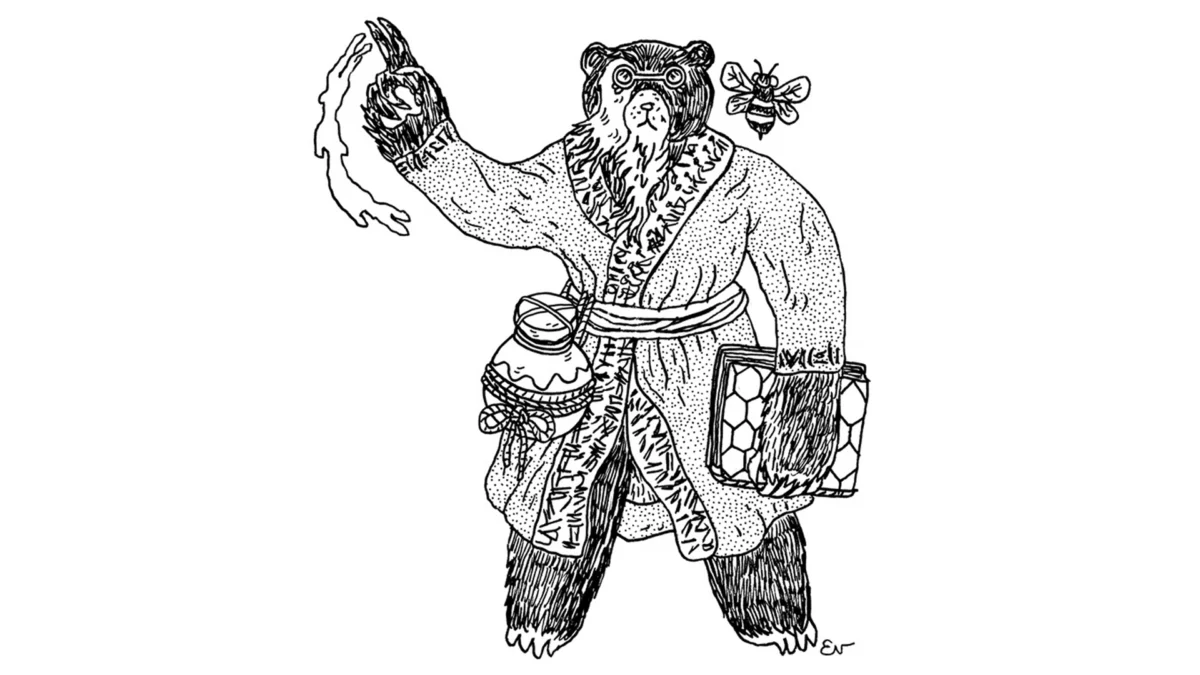
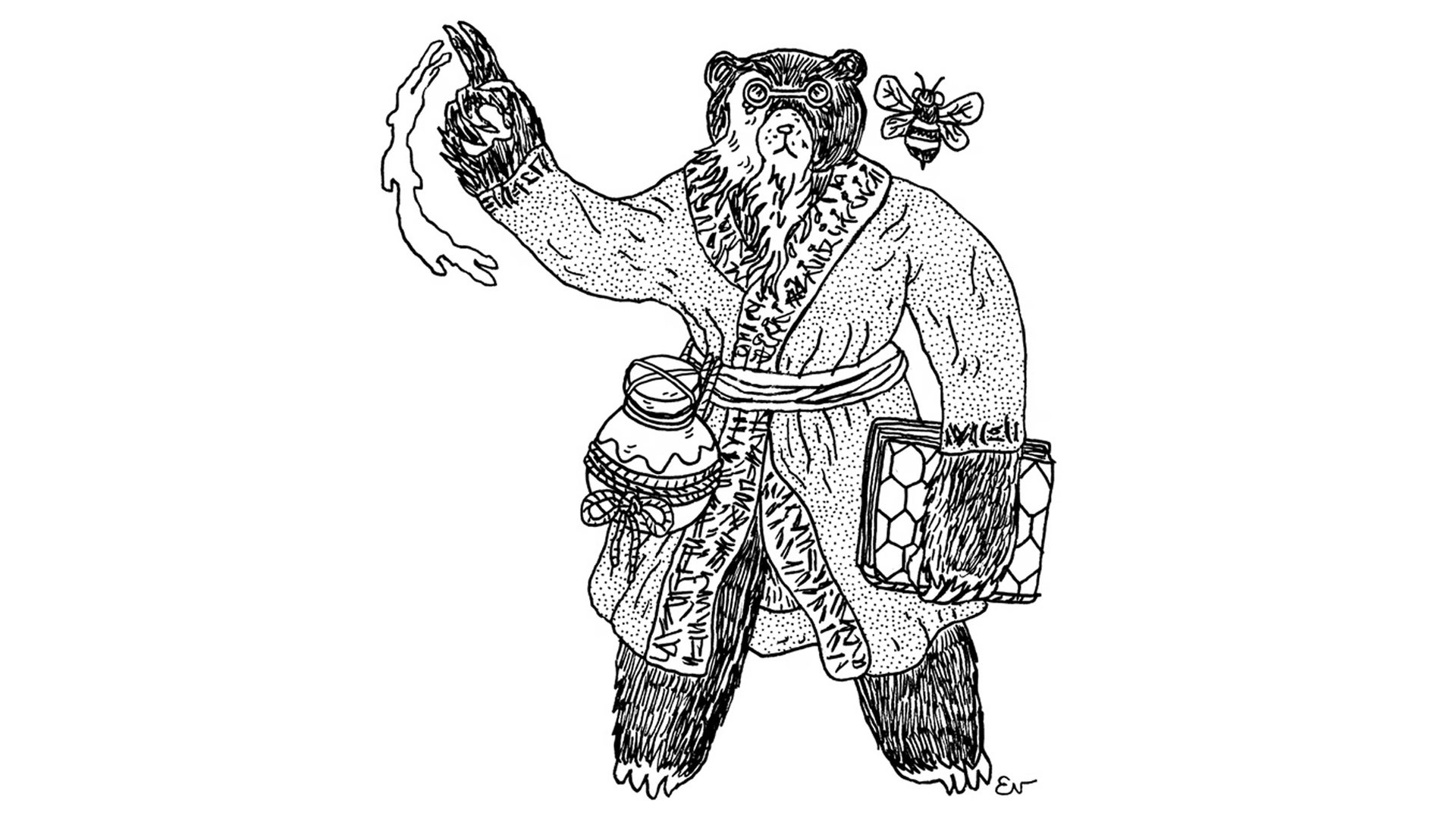
The design emphasizes accessibility, featuring a straightforward rule system that is easy for newcomers to grasp and quick to set up. This commitment to ease of entry is further supported by the inclusion of advice and optional rules in the rulebook, allowing groups to tailor their experience to their preferences. The game’s vibrant visual identity, crafted by illustrator Evlyn Moreau, perfectly complements its whimsical tone, depicting a world where magic is less about grandeur and more about glorious, unpredictable pandemonium.
Chronology: From Concept to Crowdfunding Success
The journey of "Hello Wizard I Have a Problem" reflects a growing trend in the independent tabletop roleplaying sphere: designers leveraging digital platforms and crowdfunding to bring unique visions to life. The game is the brainchild of Sam Armstrong, a prolific TRPG designer with a distinctive portfolio that showcases a penchant for innovative mechanics and thematic depth.
Armstrong’s previous works provide a compelling context for "Hello Wizard I Have a Problem." Titles such as "All Bastard" – a fantasy TRPG where players embody either heroic figures or the "bastards" they’ve vanquished – demonstrate an early exploration of narrative duality and player-driven perspective shifts. Similarly, the horror roleplaying game "Slasher" highlights Armstrong’s versatility across genres, proving an ability to craft engaging experiences regardless of theme. These earlier projects underscore a consistent design philosophy focused on compelling player agency and streamlined rule sets, elements that are clearly refined and amplified in "Hello Wizard I Have a Problem."
The artistic vision for the game is brought to life by Evlyn Moreau, an illustrator whose distinctive style has graced several notable RPGs, including "Liminal High School." Moreau’s art is characterized by its evocative quality, often blending whimsical elements with a subtle underlying sense of character and atmosphere. Her collaboration with Armstrong on "Hello Wizard I Have a Problem" is a testament to the power of synergistic creative partnerships in the indie gaming space, where the visual aesthetic plays a crucial role in conveying the game’s tone and inviting players into its world.
The "Hello Wizard I Have a Problem" crowdfunding campaign, hosted on Kickstarter, served as the primary vehicle for the game’s public debut and financial backing. Launched with clear objectives and engaging promotional material, the campaign quickly garnered attention from TRPG enthusiasts eager for fresh experiences. The campaign’s success is not merely a financial achievement but also a strong indicator of community interest in games that prioritize humor, collaboration, and narrative flexibility over traditional combat-heavy or system-intensive play.
Throughout the campaign, Armstrong provided regular updates, engaging with backers and building anticipation for the game’s release. The pledge tiers were structured to offer accessible entry points, with a digital PDF version available for £4 ($5) and a physical copy for £8 ($10), ensuring that the game was within reach for a wide audience. The prompt fulfillment schedule, with physical copies slated for June delivery, further instilled confidence among backers. Following the Kickstarter, there is potential for the game to become available on Armstrong’s Itch.io page, a platform popular among independent game developers for digital distribution, thereby extending its reach beyond the initial crowdfunding cohort. This trajectory from concept to successful crowdfunding exemplifies the modern pathway for many indie TRPGs to find their audience and secure their future.
Supporting Data: The Mechanics of Mirth and Mayhem
The core mechanics of "Hello Wizard I Have a Problem" are meticulously designed to facilitate its unique blend of comedy and collaborative storytelling. The game’s departure from a dedicated GM, instead opting for a collective GM approach, is a significant innovation that addresses several common challenges in TRPGs.
The Collective GM System: A Paradigm Shift
In many traditional RPGs, the GM bears the primary burden of world-building, plot progression, and rule arbitration. While rewarding, this role can be demanding and may inadvertently lead to a more passive experience for other players. "Hello Wizard I Have a Problem" deftly sidesteps this by empowering every player to contribute to the narrative’s direction and the comedic twists. When a player takes the "spellcasting spotlight," their primary goal is to describe their wizard’s grandiose magical attempt. This encourages creative expression and allows players to fully embody their character’s magical aspirations, however misguided.
The collective GM role, assumed by all non-active players, then becomes a creative crucible. Instead of merely reacting to a GM’s rulings, players actively brainstorm and decide how the spell goes wrong. This collaborative decision-making process is where much of the game’s humor originates. It fosters a sense of shared ownership over the narrative’s failures, turning potential frustrations into celebrated moments of absurdity. This system also naturally reduces GM burnout, as the creative load is distributed evenly, and allows everyone to experience the game from both sides of the narrative coin. It’s a mechanic that promotes improvisation and quick thinking, essential for the game’s fast-paced, scene-driven structure.
The Problem Generator: Fueling Endless Folly
The inclusion of a "Problem Generator" is a stroke of design genius. Rather than relying solely on player ingenuity to devise spell failures, the generator provides a structured framework for unexpected outcomes. With over 200,000 potential prompts, the sheer variety ensures replayability and prevents the game from feeling repetitive. This tool serves multiple functions:
- Sparking Creativity: When players are collectively acting as GM, the generator can offer a starting point for their collaborative decision, especially if ideas are slow to form.
- Injecting Unpredictability: Even the most imaginative players might fall into habitual patterns of failure; the generator introduces truly bizarre and unforeseen complications.
- Maintaining Tone: The prompts are curated to align with the game’s absurdist comedic tone, ensuring that failures are funny rather than merely frustrating.
This mechanism democratizes the act of creating narrative challenges, making it accessible even to players new to improvisation or game mastering. It transforms the act of "things going wrong" from a potential roadblock into the very engine of the game’s enjoyment.
Comedic Influences and Thematic Resonance
The game’s explicit references to Monty Python, The Mighty Boosh, and "What We Do in the Shadows" are not merely stylistic nods; they inform the very fabric of its gameplay.
- Monty Python: The influence is evident in the surreal, often illogical humor, the rapid scene changes, and the willingness to subvert expectations. Players are encouraged to embrace the ridiculous, much like the iconic sketches of the Pythons.
- The Mighty Boosh: This influence suggests a blend of whimsical fantasy, eccentric characters, and a tendency for narratives to spiral into delightful non-sequiturs. The incompetent wizards of "Hello Wizard" embody this spirit, striving for grandeur while constantly stumbling into bizarre predicaments.
- "What We Do in the Shadows": The mockumentary style, where powerful beings grapple with mundane problems and social awkwardness, provides a blueprint for the "incompetent spellcaster" archetype. These wizards are powerful, yes, but their power often manifests in the most unhelpful or counterproductive ways, leading to observational comedy rooted in their attempts to impress each other and navigate a world they barely understand.
This thematic grounding ensures that the humor is consistent and serves the game’s core purpose: to create shared, memorable, and often hilarious stories of magical ineptitude.
Accessibility and Design Philosophy
The emphasis on "straightforward rules" and "quick setup" is a deliberate design choice aimed at broadening the TRPG audience. Many traditional RPGs come with extensive rulebooks and steep learning curves, which can be intimidating for newcomers. "Hello Wizard I Have a Problem" positions itself as an entry point, offering the rich experience of collaborative storytelling without the barriers of complex mechanics. This minimalist approach allows players to focus on character, narrative, and improvisation, rather than getting bogged down in dice rolls or intricate combat systems. The inclusion of optional rules caters to more experienced groups who might wish to add layers of complexity, but the core experience remains accessible to all. This design philosophy aligns with a growing segment of the TRPG market that values narrative fluidity and social interaction above all else.
Official Responses: The Vision of the Creators
While the initial news article does not contain direct quotes from Sam Armstrong or Evlyn Moreau, their design choices and artistic contributions speak volumes about their vision for "Hello Wizard I Have a Problem." Based on the game’s mechanics and thematic presentation, one can infer the core philosophies driving its creation.
Sam Armstrong on Design and Player Experience:
Armstrong’s previous works, like "All Bastard" and "Slasher," demonstrate a consistent interest in player agency and emergent narratives. For "Hello Wizard I Have a Problem," it is evident that a primary goal was to democratize the storytelling process. Armstrong likely envisioned a game where the traditional power imbalance between GM and players is dissolved, allowing for a truly shared creative burden and a more dynamic, unpredictable narrative flow.

"The objective was always to craft an experience where every participant feels genuinely empowered to shape the story’s trajectory, not just their character’s," Armstrong is understood to have conveyed through the game’s design principles. "By rotating the spotlight and making the ‘failure’ a collective creative act, we wanted to ensure that the humor and narrative twists emerge organically from the group. It’s about celebrating the shared journey, especially when that journey is spectacularly off-course." The emphasis on quick setup and simple rules further suggests a dedication to removing barriers to entry, making the immersive world of TRPGs accessible to a wider audience, regardless of their prior experience. This focus on immediate engagement and low cognitive load is a hallmark of Armstrong’s design philosophy for this particular title.
Evlyn Moreau on Artistic Direction and Immersion:
Evlyn Moreau’s distinctive illustrative style plays a crucial role in establishing the game’s unique tone. Her previous work on "Liminal High School" showcases an ability to blend the fantastical with relatable elements, creating worlds that are both whimsical and strangely grounded. For "Hello Wizard I Have a Problem," Moreau’s artwork is clearly designed to amplify the game’s comedic and fantastical elements, inviting players into a world where magic is both potent and prone to ludicrous malfunction.
Moreau’s artistic vision for "Hello Wizard" is believed to center on capturing the chaotic energy and eccentric personalities of the spellcasters. "The art needed to convey a sense of playful absurdity," Moreau’s approach would likely emphasize, "to visually underscore the contrast between the wizards’ self-perception of grandeur and the often-hilarious reality of their magical endeavors. Every piece aims to spark imagination and encourage players to lean into the inherent silliness and charm of their bumbling characters." The use of vibrant colors, expressive character designs, and dynamic compositions creates a visual language that is immediately engaging and perfectly aligns with the game’s lighthearted premise. The artwork serves not just as decoration but as an integral component of the game’s world-building, preparing players for a session filled with unexpected delights and visual gags.
Implications: Reshaping the Indie TRPG Landscape
"Hello Wizard I Have a Problem" is poised to have several significant implications for the broader tabletop roleplaying game community, particularly within the burgeoning indie scene. Its innovative mechanics and thematic focus address current trends and potentially pave the way for future design philosophies.
Impact on Collaborative Storytelling
The game’s most profound implication lies in its robust implementation of collaborative storytelling and collective GMing. While concepts of shared narrative authority exist in other games, "Hello Wizard I Have a Problem" streamlines and centralizes it as the core mechanic for conflict generation. This could inspire other designers to explore more deeply how to distribute narrative control among players, potentially leading to a new wave of TRPGs that prioritize group creativity over individual authority. It demonstrates that compelling narratives and challenging gameplay can emerge not from a single overarching planner, but from the spontaneous interplay of multiple minds.
Accessibility and New Player Acquisition
By consciously designing for ease of learning and quick setup, "Hello Wizard I Have a Problem" serves as an excellent gateway game for individuals new to tabletop roleplaying. The low barrier to entry, coupled with a focus on humor and improvisation rather than complex rules or tactical combat, makes it less intimidating than many traditional RPGs. This accessibility is crucial for expanding the hobby’s reach, attracting players who might be interested in collaborative storytelling but deterred by the perceived complexity of systems like Dungeons & Dragons or Pathfinder. Its success could encourage publishers and designers to invest further in "rules-light, narrative-heavy" experiences.
The Rise of Comedic RPGs
While humor has always been a component of many TRPG sessions, "Hello Wizard I Have a Problem" places it front and center, making absurdity and magical incompetence the very engine of play. In a market often dominated by serious fantasy, gritty sci-fi, or intense horror, the game offers a refreshing alternative. Its success underscores a demand for games that prioritize laughter and lighthearted fun. This could lead to a greater emphasis on comedic design in future TRPGs, exploring different comedic subgenres and mechanics specifically tailored to generate humorous situations.
Indie Game Development and Crowdfunding
The successful Kickstarter campaign for "Hello Wizard I Have a Problem" reinforces the vital role crowdfunding platforms play in nurturing independent game development. It allows niche concepts, which might not appeal to larger publishers, to find their dedicated audience and secure funding directly. The relatively modest pledge tiers also highlight a sustainable model for indie creators to produce high-quality games without prohibitive costs for players. This success story offers encouragement and a blueprint for other aspiring designers looking to bring their unique visions to market.
Future for Sam Armstrong and Evlyn Moreau
The positive reception for "Hello Wizard I Have a Problem" undoubtedly bolsters the profiles of both Sam Armstrong and Evlyn Moreau. For Armstrong, it further establishes his reputation as an innovative designer capable of creating engaging and unique TRPG experiences across various themes. For Moreau, it solidifies her position as a distinctive and sought-after illustrator in the TRPG community, whose art effectively enhances gameplay and narrative. Their continued collaboration, or individual projects, will likely be watched with keen interest by fans and industry observers alike.
In conclusion, "Hello Wizard I Have a Problem" is more than just a new game; it’s a statement about the evolving landscape of tabletop roleplaying. It champions collaboration, celebrates absurdity, and democratizes the art of storytelling, all while promising countless hours of magical, albeit incompetent, fun. As the game makes its way to players, it stands as a testament to the creativity and innovation flourishing within the independent TRPG community.