Ubisoft’s "Black Flag Resynced" Roars to Life: Early Steam Figures Signal a Resounding Return to Piracy’s Golden Age
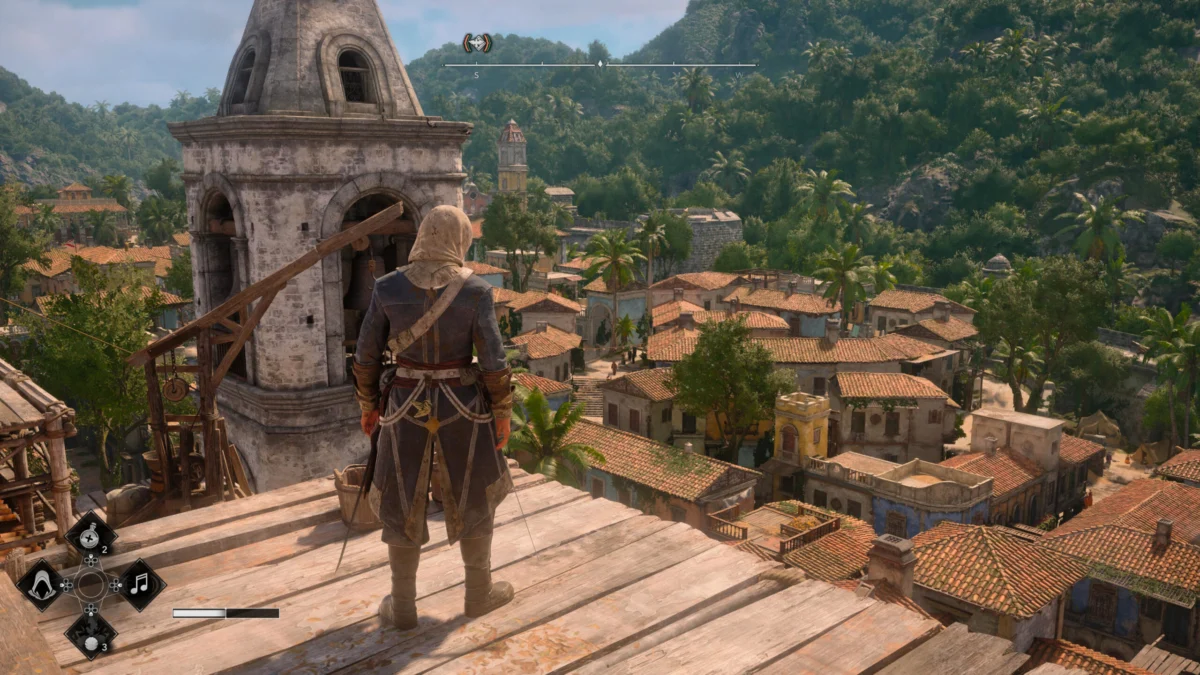
Ubisoft’s highly anticipated reimagining of the beloved pirate adventure, "Assassin’s Creed: Black Flag Resynced," is already making waves, with early pre-order figures on Steam dramatically outperforming the lifetime sales of its spiritual successor, "Skull and Bones." This robust initial demand suggests a fervent player appetite for the return to Edward Kenway’s legendary era, a stark contrast to the lukewarm reception of Ubisoft’s more recent naval combat title.
The early success of "Black Flag Resynced" on PC, as evidenced by data from SteamDB, is a potent indicator of the enduring appeal of its predecessor’s unique blend of swashbuckling action, compelling narrative, and breathtaking open-world exploration. This resurgence of interest in the golden age of piracy, as embodied by "Black Flag," offers a valuable case study for Ubisoft, potentially shaping future development strategies and highlighting the importance of understanding player nostalgia and established franchise strengths.
The comparison with "Skull and Bones" is particularly striking. Developed by Ubisoft Singapore, the very studio now helming the "Black Flag Resynced" project, the latter’s early performance on Steam serves as a powerful testament to the lingering affection for Kenway’s original exploits. While "Skull and Bones" aimed to carve its own niche within the pirate genre, focusing heavily on naval combat, it failed to capture the imagination of the wider gaming audience. "Black Flag Resynced," conversely, promises to build upon the foundations of a critically acclaimed and commercially successful title, enhancing it with modern technological advancements and refined gameplay mechanics.
This early triumph for "Black Flag Resynced" is not merely a statistical anomaly; it represents a significant moment for Ubisoft. It underscores the potential for revisiting and revitalizing established IPs, particularly those with a dedicated and passionate fanbase. The success suggests that players are eager for a more narrative-driven, character-focused pirate experience, one that "Black Flag" masterfully delivered. As the gaming landscape continues to evolve, this strong initial reception for "Black Flag Resynced" could serve as a powerful signal to developers and publishers about the enduring power of well-crafted, nostalgic experiences.
The Storm Gathers: A Chronology of Anticipation and Early Success
The journey towards "Black Flag Resynced" began with a growing sentiment among fans for a return to the high seas of the Caribbean, a desire amplified by the passage of time since the original "Assassin’s Creed IV: Black Flag" first set sail in 2013. While the franchise has explored various historical periods and gameplay styles since then, the unique charm and broad appeal of the pirate era have remained a persistent point of discussion within the gaming community.
The official announcement of "Black Flag Resynced" was met with a surge of excitement. This wasn’t just a remaster; the term "Resynced" suggested a more ambitious undertaking – a full-fledged remake designed to leverage contemporary gaming technology. The promise of enhanced visuals, modernized gameplay mechanics, and potentially new narrative threads or expanded content immediately ignited player interest.
The critical juncture arrived with the commencement of pre-orders on digital storefronts, most notably Steam. It is at this stage that the true mettle of player enthusiasm began to be measured. SteamDB, a widely respected platform for tracking Steam game data, began to reveal early sales figures and pre-order trends.
The initial data points were astonishing. Reports emerged that "Black Flag Resynced" had, within its pre-order window, already surpassed the entire lifetime sales of "Skull and Bones" on the same platform. This was a remarkable achievement, especially considering "Skull and Bones" had been in development for an extended period, undergoing significant reworks and facing its own set of challenges.
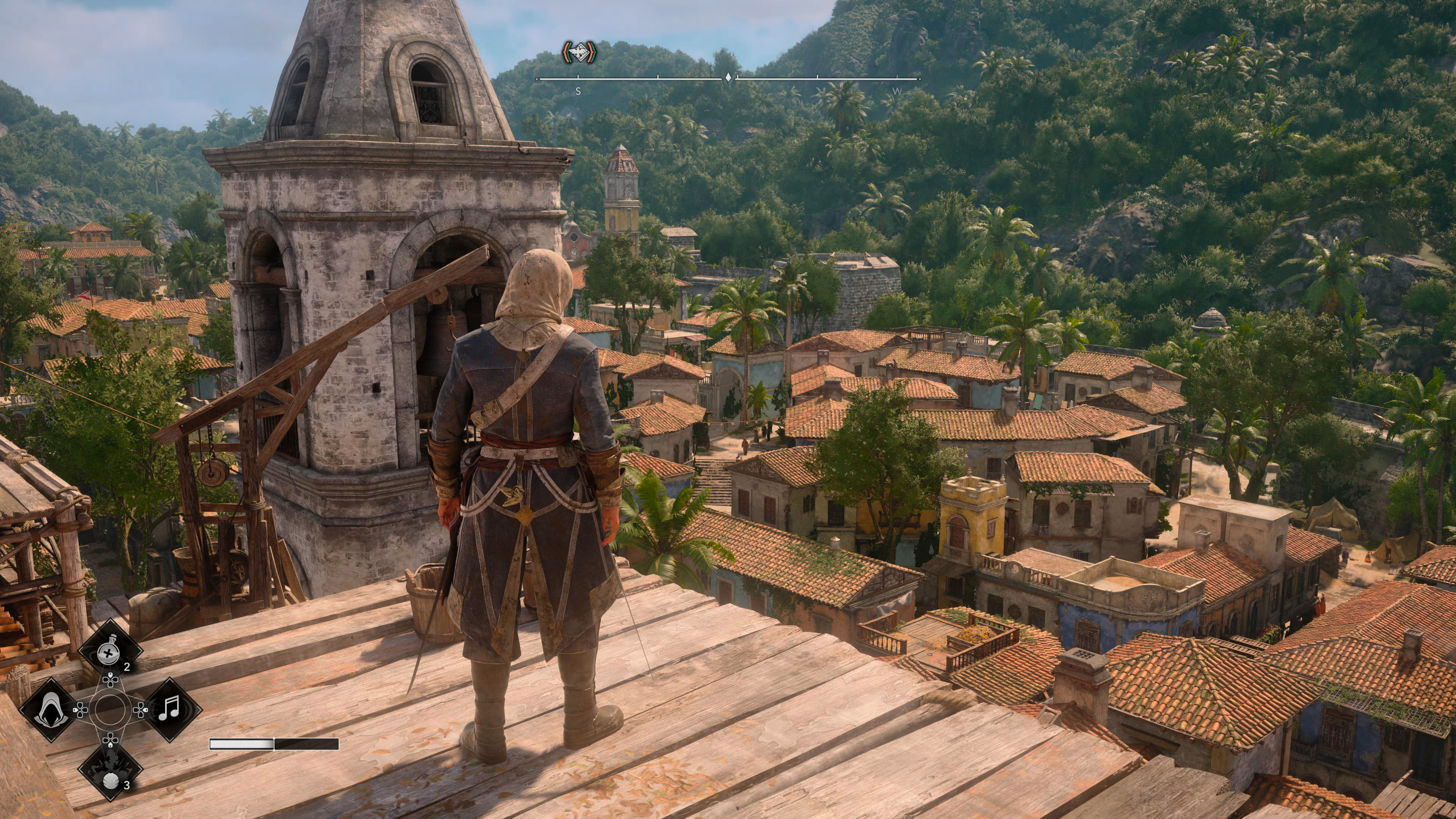
This stark contrast in early performance is not simply a matter of one game selling well and another not. It highlights a fundamental difference in player perception and desire. "Skull and Bones," despite its focus on naval combat, struggled to connect with players on the same level as "Black Flag." The latter’s success was built on a more holistic experience, encompassing exploration, stealth, combat, and a deeply engaging protagonist in Edward Kenway.
The chronology of events leading to this point can be summarized as follows:
- 2013: Release of "Assassin’s Creed IV: Black Flag," a critical and commercial success that cemented the pirate era as a fan favorite.
- Years Following: "Assassin’s Creed" franchise explores various historical settings, with fans frequently expressing a desire for a return to the pirate theme.
- Development of "Skull and Bones": Ubisoft embarks on a new pirate-themed IP, initially envisioned as a naval expansion for "Assassin’s Creed IV." Over time, it evolves into a standalone title.
- "Skull and Bones" Release (2024): The game launches to a largely indifferent reception, failing to meet sales expectations and garnering mixed reviews.
- Announcement of "Assassin’s Creed: Black Flag Resynced": Ubisoft confirms a remake of the beloved "Black Flag," promising a modern take on the classic.
- Pre-Order Period for "Black Flag Resynced": Early data from SteamDB reveals pre-order figures that significantly exceed "Skull and Bones’" lifetime sales, signaling immense player enthusiasm.
This timeline underscores the significant gap in player engagement and anticipation between the two titles, with "Black Flag Resynced" emerging as the clear victor in the early stages of its public reception.
The Data Speaks Louder Than Cannon Fire: Quantifying the Demand
The figures emerging from SteamDB paint a vivid picture of player sentiment, offering concrete evidence of the overwhelming demand for "Black Flag Resynced." While exact pre-order numbers are often proprietary, the comparative data between "Black Flag Resynced" and "Skull and Bones" on Steam provides an irrefutable narrative.
According to the latest available data, "Black Flag Resynced" has already managed to surpass the entire lifetime sales of "Skull and Bones" on the Steam platform. This is a monumental achievement for several key reasons:
- Lifetime vs. Pre-Order: "Skull and Bones" has been available on Steam for some time, accumulating its sales over its entire lifespan. "Black Flag Resynced," in contrast, has achieved this feat solely through pre-orders. This highlights a significantly higher immediate purchasing intent from players.
- The Power of Nostalgia: The original "Assassin’s Creed IV: Black Flag" is fondly remembered for its rich storytelling, charismatic protagonist, and expansive open world. The success of "Black Flag Resynced" is a clear indicator that this nostalgia is a powerful driving force, with players eager to revisit these cherished elements with a modern polish.
- Critique of "Skull and Bones": The performance of "Skull and Bones" has been widely discussed within the gaming community. Its struggles to find a substantial audience, coupled with its mixed critical reception, have set a low benchmark. However, the fact that "Black Flag Resynced" has not only met but drastically exceeded this benchmark solely through pre-orders is a testament to the enduring appeal of the original "Black Flag."
- Developer Connection: The fact that both games originate from Ubisoft, with "Black Flag Resynced" being led by the same studio (Ubisoft Singapore) that developed "Skull and Bones," adds another layer of intrigue. This comparison implicitly suggests that players are more drawn to a modernized iteration of a proven formula than to a new IP that struggled to find its footing.
The implications of these figures are far-reaching. They suggest that player trust and affinity for established, beloved titles can significantly outweigh the allure of a new intellectual property, especially when that IP has struggled to deliver on its initial promise. For Ubisoft, this data is invaluable. It provides a clear signal about what resonates most strongly with their player base in the current market.
While specific numbers are not publicly disclosed by Steam, the qualitative comparison is undeniable. The early success of "Black Flag Resynced" is not a matter of speculation; it is a data-driven reality that speaks volumes about the market’s appetite for the golden age of piracy as defined by Edward Kenway’s saga. This early momentum is likely to translate into a strong launch and sustained player engagement, solidifying "Black Flag Resynced" as a significant success for Ubisoft.
Echoes from the Captain’s Quarters: Official Responses and Industry Reactions
While official statements directly addressing the comparative sales figures between "Black Flag Resynced" and "Skull and Bones" from Ubisoft are yet to be widely disseminated, the industry’s reaction to the early data has been palpable. The stark contrast in pre-order success has generated considerable discussion among gaming journalists, analysts, and the player community alike.

Ubisoft, typically, offers measured responses to early performance indicators. However, the magnitude of "Black Flag Resynced’s" early triumph is such that it is unlikely to go unnoticed within the company’s strategic planning departments. One can anticipate that future communications will likely emphasize the strong player reception and the enduring legacy of "Assassin’s Creed IV: Black Flag." There may be subtle nods to the "resynced" aspect, highlighting how the remake is building upon a beloved foundation while introducing modern innovations.
Industry analysts, who closely monitor market trends and sales data, have been quick to interpret these early figures. They see it as a clear validation of the "remake/remaster" model when applied to critically acclaimed and fan-favorite titles. The success of "Black Flag Resynced" could embolden other publishers to revisit their own back catalogs, particularly for games that established strong identities and garnered significant goodwill.
The player community, as always, has been the most vocal. Online forums, social media platforms, and gaming news comment sections are abuzz with discussions. Many players express their vindication, having long advocated for a return to the "Black Flag" experience. There is a sense of satisfaction that the demand for a quality pirate adventure is being recognized and met. Conversely, there are also discussions that are critical of "Skull and Bones," with some players feeling that Ubisoft should have focused its resources on "Black Flag Resynced" from the outset.
While direct quotes from Ubisoft executives specifically comparing the two titles might be scarce at this early stage, the implications of the data are clear. The success of "Black Flag Resynced" serves as a powerful endorsement of player preference for familiar, well-executed experiences over potentially riskier new ventures that fail to resonate. This early success is a strong signal that the pirate genre, when executed with the quality and depth that "Black Flag" offered, remains a highly lucrative and sought-after segment of the gaming market. The industry is watching, and the message is undeniable: players are ready to set sail with Edward Kenway once more.
Charting a New Course: Implications for Ubisoft and the Gaming Landscape
The resounding early success of "Assassin’s Creed: Black Flag Resynced" carries significant implications for Ubisoft’s future strategies and the broader gaming industry. This triumph, driven by a fervent player demand for a return to the golden age of piracy, offers valuable lessons and potentially reshapes how developers approach established intellectual properties and new ventures.
For Ubisoft:
- Validation of Nostalgia and Proven Formulas: The most immediate implication is the powerful validation of revisiting and enhancing beloved titles. "Black Flag Resynced" demonstrates that there is a substantial and willing market for high-quality remakes of games that have already achieved critical and commercial success. This could encourage Ubisoft to explore similar revivals for other popular entries in their extensive back catalog.
- Rethinking Development Priorities: The stark contrast in performance between "Black Flag Resynced" and "Skull and Bones" inevitably prompts a re-evaluation of development resource allocation. The overwhelming player interest in a modernized "Black Flag" suggests that investing in such projects, when executed with care and fidelity to the original’s strengths, can yield significantly greater returns than launching new, unproven IPs that may require extensive development and face uncertain market reception.
- Understanding Player Expectations for the Pirate Genre: The success of "Black Flag Resynced" provides clear data on what players expect from a pirate-themed game. The original’s success was built on a robust narrative, engaging character development (Edward Kenway), satisfying naval combat, and a rich open world. This suggests that future pirate-themed ventures, whether remakes or new IPs, must prioritize these core elements to capture player imagination.
- Leveraging Established IP for Long-Term Engagement: By successfully tapping into the nostalgia and enduring appeal of "Black Flag," Ubisoft can foster long-term player engagement. A well-executed remake can reintroduce a classic to a new generation of players while offering existing fans a fresh and enhanced experience, potentially driving sales across different platforms and age groups.
For the Broader Gaming Landscape:
- The Enduring Power of Remakes and Remasters: The success of "Black Flag Resynced" reinforces the trend of remakes and remasters becoming increasingly viable and profitable endeavors. As the industry matures, there is a growing appreciation for the history of gaming, and players are often eager to experience classic titles with modern polish. This could lead to a more concentrated effort by publishers to revisit their most cherished IPs.
- A Cautionary Tale for New IPs: The performance of "Skull and Bones" serves as a stark reminder of the challenges faced by new intellectual properties. While innovation is crucial, it must be coupled with a clear understanding of market demand and player preferences. When a new venture fails to capture the essence of what players desire, even significant investment and development time may not guarantee success.
- The Importance of Narrative and Character in Open-World Games: "Black Flag’s" enduring appeal is deeply rooted in its compelling narrative and the charismatic portrayal of Edward Kenway. The success of "Black Flag Resynced" underscores the fact that even in action-heavy open-world games, strong storytelling and memorable characters remain paramount to player investment and long-term satisfaction.
- The Evolving Definition of "Success": The early figures for "Black Flag Resynced" demonstrate that success can be measured not just by initial sales of a new product, but also by the powerful resonance of a revisited, well-loved experience. This redefines how publishers might gauge the potential of their existing franchises and the efficacy of their development pipelines.
In conclusion, the early triumph of "Assassin’s Creed: Black Flag Resynced" is more than just a promising start; it’s a strategic indicator. It signals a clear demand for expertly crafted, nostalgic experiences and provides valuable insights for Ubisoft and the wider industry, potentially charting a course for more player-centric development and a renewed appreciation for the timeless appeal of classic gaming. The ship has sailed for "Black Flag Resynced," and the winds are strong, promising a grand adventure for all who dare to board.