The Unseen Architect of Thought: How Daniel Kahneman’s Thinking, Fast and Slow Illuminates Human Decision-Making and Inspires Speculative Fiction
Main Facts
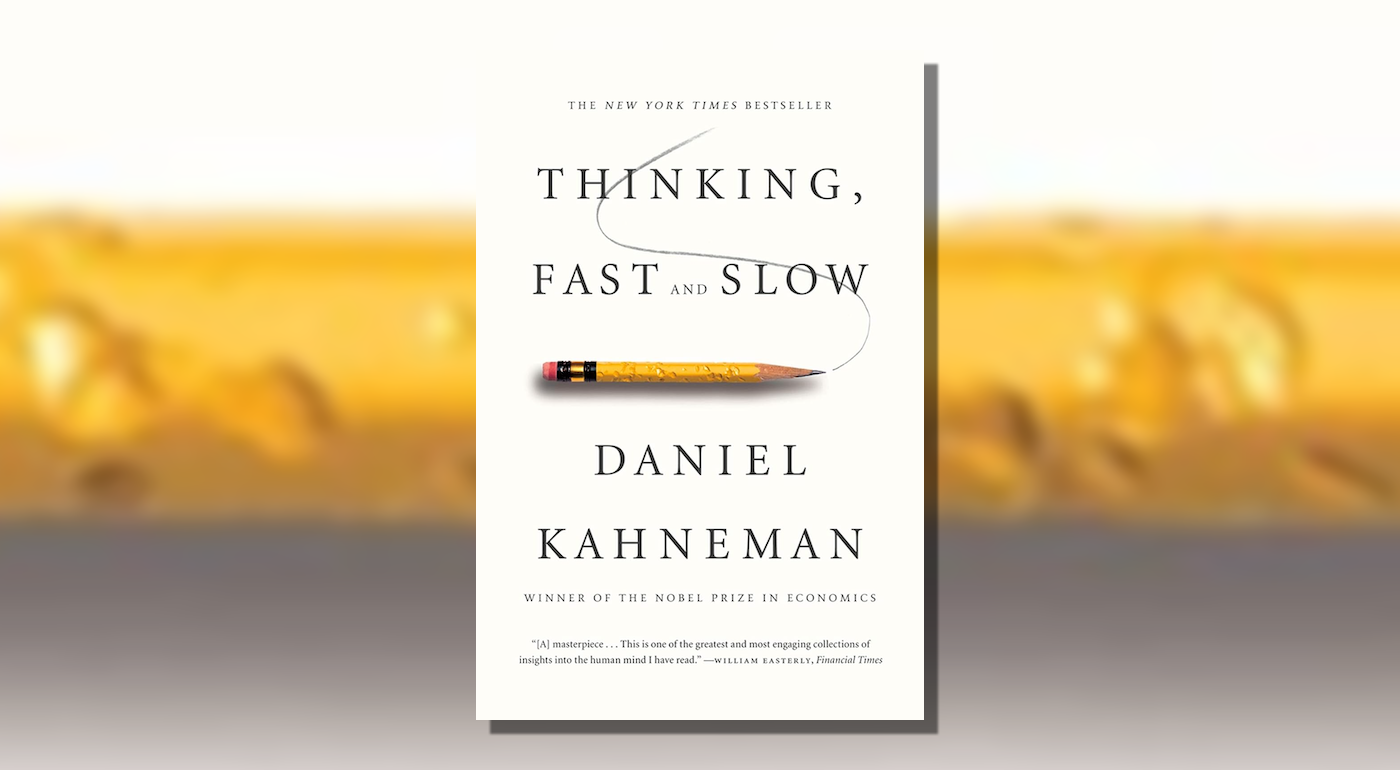
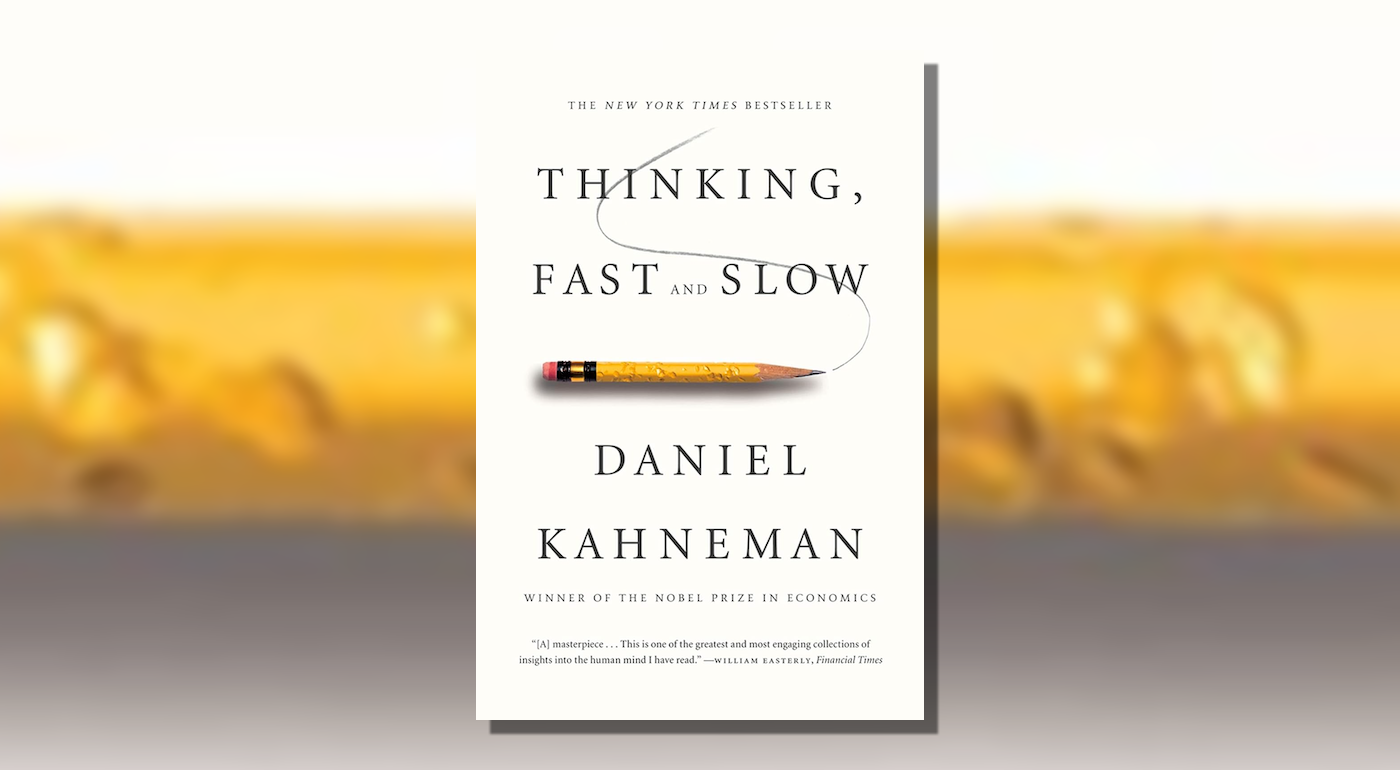
Daniel Kahneman’s seminal work, Thinking, Fast and Slow, published in 2011, stands as a landmark achievement in the fields of psychology and behavioral economics. It synthesizes decades of groundbreaking research into a compelling narrative that demystifies the intricacies of human cognition. At its core, the book introduces a revolutionary dual-system model of the mind, positing two distinct modes of thought: System 1, which is fast, intuitive, and largely automatic; and System 2, which is slower, more deliberate, and effortful. This framework provides a unified explanation for the pervasive cognitive biases and heuristics that shape our judgments and decisions, often without our conscious awareness.
Kahneman, a Nobel laureate in Economic Sciences, fundamentally challenged the long-held economic premise of Homo economicus – the notion of a perfectly rational decision-maker. His work, much of it conducted with his late collaborator Amos Tversky, revealed that human rationality is not only bounded but systematically flawed in predictable ways. These "errors" are not mere imperfections but rather adaptive shortcuts, or heuristics, that evolved to facilitate rapid decision-making in complex, information-scarce environments. However, in the atypical circumstances of modern life, these same heuristics frequently lead to systematic deviations from logical thought, giving rise to cognitive biases. Thinking, Fast and Slow not only chronicles these biases but, more importantly, offers a profound underlying explanation for why they occur, making complex psychological research accessible and profoundly relevant to understanding human behavior in all its messy, fascinating reality.
Chronology
The Genesis of a Revolution: Early Work with Amos Tversky
The intellectual journey that culminated in Thinking, Fast and Slow began decades before its publication, rooted in the extraordinary collaboration between Daniel Kahneman and Amos Tversky. Their partnership, forged in the 1970s, marked a pivotal moment in cognitive psychology. Prior to their work, the prevailing view in psychology and economics largely assumed human decision-making to be a rational process. Kahneman and Tversky meticulously dismantled this assumption through a series of ingenious experiments. They introduced the concepts of "heuristics and biases," demonstrating that individuals consistently rely on mental shortcuts (heuristics) that, while efficient, often lead to predictable and systematic errors in judgment (biases).
Their early research laid the groundwork for Prospect Theory, a groundbreaking alternative to expected utility theory, which describes how individuals make decisions under risk and uncertainty. Instead of objective probabilities and outcomes, Prospect Theory highlighted the subjective weighting of probabilities and the asymmetry between gains and losses. This period was characterized by intense intellectual ferment, where the two researchers challenged conventional wisdom, publishing influential papers that would collectively reshape our understanding of human cognition. Their collaborative spirit, marked by rigorous debate and mutual intellectual respect, became legendary, as famously chronicled in Michael Lewis’s The Undoing Project.
The Nobel Recognition: A Paradigm Shift for Economic Sciences
The profound impact of Kahneman and Tversky’s work transcended the boundaries of psychology, eventually earning Daniel Kahneman the Nobel Memorial Prize in Economic Sciences in 2002. Tversky, who tragically passed away in 1996, would undoubtedly have shared in the honor. The Nobel Committee’s recognition underscored the revolutionary nature of their contributions, acknowledging that psychological insights into human judgment and decision-making could profoundly influence economic theory.
By demonstrating that real human behavior often deviates from the idealized rational actor of classical economics (Homo economicus), Kahneman and Tversky effectively founded the field of behavioral economics. Their findings provided empirical evidence for why markets might not always be perfectly efficient, why individuals make seemingly irrational financial choices, and why policy interventions might need to account for cognitive biases. This recognition was not merely an accolade for two brilliant minds; it was a formal acknowledgment by the establishment that understanding the human mind’s inherent "bugs and features" was crucial for comprehending complex societal and economic phenomena.
Thinking, Fast and Slow‘s Arrival: A Synthesis of Decades
Published in 2011, Thinking, Fast and Slow served as Kahneman’s magnum opus, a comprehensive synthesis of his life’s work and the culmination of his intellectual journey. The book was a deliberate effort to consolidate the myriad of individual biases and heuristics into a cohesive, overarching explanatory framework: the dual-system model. Instead of a disconnected "laundry list" of cognitive errors, Kahneman presented System 1 and System 2 as the fundamental architecture responsible for these phenomena.
This book was not just a collection of past research; it also reflected Kahneman’s evolving perspective, particularly his move away from merely cataloging individual biases towards understanding the systemic cognitive processes at play. Its appearance in airport bookstores, despite its academic rigor and substantial length, was a testament to its broad appeal and profound relevance. Kahneman aimed to empower the general public with a greater understanding of their own minds, providing a shared vocabulary for discussing and mitigating the predictable errors that arise from our cognitive machinery. The book became an instant classic, influencing not only academic discourse but also business strategy, public policy, and popular self-understanding.
Evolution of Thought: From Individual Biases to Systemic Understanding
A key evolutionary aspect highlighted in Thinking, Fast and Slow is Kahneman’s shift in focus from the individual cognitive biases themselves to the underlying cognitive systems that generate them. While his earlier work with Tversky meticulously identified and described numerous heuristics and biases, Kahneman observed a burgeoning academic trend he wryly termed "bias-identification bias" – a proliferation of increasingly specific, sometimes trivial, named biases, driven perhaps by the academic incentive for novel publications.
In Thinking, Fast and Slow, Kahneman explicitly articulated his belief that this fragmented approach obscured a more fundamental truth. He argued that what truly matters is the systematic nature of these errors, which points to common cognitive origins. The dual-system model—System 1 and System 2—was his proposed solution, offering a more parsimonious and powerful explanation. This shift represented a maturation of the field, moving from empirical observation to theoretical integration, providing a deeper understanding of how our quick, intuitive judgments interact with our slower, more deliberate reasoning, and why this interplay inevitably leads to predictable patterns of thought, both brilliant and flawed.
Supporting Data
Unpacking System 1 and System 2
The core explanatory framework of Thinking, Fast and Slow is the dual-system model of cognition, which delineates two distinct modes of thinking that operate in concert to shape our perceptions, judgments, and decisions.
System 1, often referred to as the "fast" or "intuitive" system, is characterized by its speed, automaticity, and effortlessness. It operates unconsciously, generating impressions, feelings, and inclinations without demanding significant cognitive resources. This system is responsible for many of our immediate reactions: recognizing faces, understanding simple sentences, detecting hostility in a voice, driving on an empty road, or reacting to a sudden noise. System 1 is highly efficient, constantly processing information and making rapid assessments based on patterns, associations, and learned expertise. It excels in familiar situations, allowing us to navigate the world quickly and effectively, often providing "good enough" solutions (a concept Kahneman terms "satisficing") when time and information are limited. It is the realm of instinct, well-honed intuition, and deeply ingrained habits. However, its reliance on shortcuts and associations also makes it prone to systematic errors, especially when confronted with novel or complex problems that deviate from its learned patterns.
System 2, the "slow" or "deliberate" system, is conscious, effortful, and analytical. It is engaged when System 1 encounters a problem it cannot solve, or when a situation demands careful attention, logical reasoning, and sustained mental exertion. Tasks like solving a complex math problem, comparing intricate options, or consciously choosing to override an initial gut feeling all rely on System 2. This system is capable of abstract thought, hypothetical reasoning, and self-control. Its advantages lie in its capacity for thoroughness, its ability to integrate new information, and its potential to correct the impulsive errors of System 1. However, System 2 has a limited capacity; conscious effort is a finite resource that can be depleted, leading to cognitive fatigue. When System 2 is overloaded or disengaged, System 1 often takes over, increasing the likelihood of biases influencing decisions.
Crucially, Kahneman emphasizes that these "systems" are not distinct brain regions but rather a heuristic themselves – a conceptual tool to understand different types of mental operations. They work in tandem, with System 1 constantly feeding suggestions and impressions to System 2, which then has the option to endorse, modify, or override them. The dynamic tension between these two systems forms the bedrock of human decision-making, illustrating why our minds are simultaneously capable of brilliant insights and profound, predictable mistakes.
The Pervasiveness of Heuristics and Biases
The interplay between System 1 and System 2 inevitably gives rise to a wide array of heuristics and cognitive biases, many of which Kahneman and Tversky famously identified. These mental shortcuts, while often adaptive in evolutionary terms, prove to be fertile ground for error in the modern world.
One prominent example is the availability heuristic. This shortcut leads us to judge the frequency or likelihood of an event based on how easily examples or instances come to mind. In ancestral environments, where information was primarily derived from direct experience and local social circles, this heuristic was highly effective: if you often heard about bears near a berry patch, bears were indeed likely to be a threat. However, in the age of global news and social media, the availability heuristic becomes a liability. News cycles, driven by the imperative to capture attention, disproportionately highlight dramatic, rare, or emotionally charged events, regardless of their statistical prevalence. This can lead individuals to vastly overestimate the risks of sensationalized dangers (e.g., plane crashes, exotic diseases) while underestimating more common, mundane threats (e.g., car accidents, heart disease). People’s perceived safety often correlates more strongly with their media consumption than with the actual safety statistics of their neighborhoods, illustrating a profound disconnect driven by this cognitive shortcut.
Another classic illustration is the Linda Problem, which demonstrates the conjunction fallacy. Participants are told about Linda, a single, outspoken, and bright philosophy major who is deeply concerned with issues of discrimination and social justice. They are then asked to rank the probability of several statements, including "Linda is a bank teller" and "Linda is a bank teller and is active in the feminist movement." A significant majority incorrectly rate the latter (the conjunction of two events) as more probable than the former (a single event). System 1, drawn by the rich, consistent narrative, finds "feminist bank teller" more representative of Linda’s description than simply "bank teller," even though logically, the probability of two events occurring together cannot be greater than the probability of one of those events occurring alone. While this specific fallacy often appears in trick questions, it reveals a fundamental aspect of how System 1 prioritizes representativeness and narrative coherence over strict statistical logic.
Beyond these specific examples, the article also touches upon confirmation bias, the tendency to seek out, interpret, and remember information in a way that confirms one’s pre-existing beliefs or hypotheses. This bias is particularly potent in the current information landscape, exacerbated by filter bubbles and the rise of AI-driven "search" algorithms that can inadvertently act as a "yes-man" for unexamined assumptions, reinforcing existing worldviews rather than challenging them. The author’s personal anecdote of responding "Ooh, confirmation bias!" highlights its pervasiveness and the need for greater cognitive literacy. While a vast and sometimes "trivial" list of biases has emerged in psychological research, Kahneman’s ultimate message in Thinking, Fast and Slow is that understanding the underlying dual systems provides a more profound and actionable insight into why these systematic errors persist.
The Science of Intuitive Expertise
One of the most compelling "seeds" for speculative fiction in Thinking, Fast and Slow is Kahneman’s exploration, alongside Gary Klein, of "intuitive expertise." This concept delves into the conditions under which System 1’s rapid judgments can be not just efficient but also remarkably accurate, forming the basis of what we often perceive as genius or preternatural skill.
Kahneman and Klein identified two critical conditions necessary for the development of true intuitive expertise:
- A regular, predictable environment: The domain in which expertise is developed must have discernible patterns, rules, or cause-and-effect relationships that are consistent over time. The environment must provide reliable cues.
- Opportunity to learn those regularities through practice and immediate, clear feedback: The expert must have extensive experience within this predictable environment, repeatedly encountering situations and receiving unambiguous feedback on the accuracy of their judgments. This feedback loop allows System 1 to refine its heuristics, calibrate its pattern recognition, and develop accurate "gut feelings."
Examples of fields where intuitive expertise flourishes include chess (highly predictable rules, clear feedback on moves), firefighting (patterns of fire behavior, immediate outcomes), and diagnostic medicine (symptoms correlating with diseases, clear diagnostic tests). In these domains, experienced professionals can make incredibly fast, accurate decisions that appear almost magical to outsiders.
Conversely, areas that lack these conditions – such as stock picking, political punditry, or complex long-term economic forecasting – rarely produce true intuitive experts. These environments are often characterized by high randomness, unreliable cues, and delayed or ambiguous feedback. In such fields, individuals may develop high confidence in their intuitions, but these intuitions are frequently inaccurate, leading to predictable failures not only by the "experts" themselves but also by lay individuals who mistakenly equate confidence with accuracy. This distinction is crucial for crafting believable characters in fiction, ensuring that their "magical" insights are grounded in the plausible development of System 1 proficiency rather than mere plot convenience.
Official Responses
Thinking, Fast and Slow was met with widespread critical acclaim and profound public interest, solidifying its place as a modern classic. Academically, the book was largely hailed as a masterful synthesis of decades of behavioral economics and cognitive psychology research. Reviewers from diverse fields—from economics and neuroscience to philosophy and public policy—praised Kahneman’s ability to articulate complex concepts with clarity, wit, and engaging prose. It became a staple in university curricula, influencing new generations of researchers and practitioners. Its comprehensive nature provided a much-needed theoretical backbone for a field that had, as Kahneman himself noted, sometimes risked becoming a mere catalog of biases.
The public reception was equally remarkable. The book’s presence in airport bookstores, a rarity for a work of such intellectual depth, underscored its broad appeal. It resonated with a general audience eager to understand the inner workings of their own minds and the often-baffling decisions of others. Business leaders, policymakers, and self-help enthusiasts quickly recognized the practical implications of Kahneman’s insights, seeing how an understanding of cognitive biases could inform strategy, improve organizational decision-making, and even enhance personal well-being. The book sparked countless conversations about human "irrationality" and the limits of logic.
However, the widespread discussion also brought forth nuances and debates within the academic community. Some researchers, particularly those in the "adaptive" school of thought, questioned whether Kahneman’s framing overemphasized human "error" and "irrationality." They argued that the heuristics and biases, when viewed through an ecological lens, are often highly adaptive strategies for navigating a complex, uncertain world, optimizing for real-world survival rather than strict logical correctness. The author of the original article, for instance, aligns with this perspective, finding Kahneman’s results "reassuring" in their explanation of why mistakes happen, rather than simply labeling humans as flawed. This ongoing dialogue highlights a critical distinction: are humans inherently irrational, or do they simply optimize for "real-world outcomes" that matter more than pure logic problems, using strategies that occasionally misfire in atypical circumstances?
Kahneman’s personal perspective, as conveyed in the book and interviews, is not one of condemnation but of enlightenment. He champions "cognitive literacy" – a greater public awareness of the mind’s capabilities and compromises. He believes that understanding our dual systems provides a more nuanced and productive way to engage in discussions, whether in a boardroom, with friends and family, or when sifting through the deluge of information and disinformation that defines modern life. The idea is not to eliminate biases entirely (which he argues is impossible, as System 1 operates largely unconsciously) but to recognize their presence and engage System 2 for critical oversight when stakes are high.
Implications
Reshaping Our Understanding of Human Behavior
Thinking, Fast and Slow has had profound implications across numerous disciplines, fundamentally reshaping our understanding of human behavior. In economics, it cemented the field of behavioral economics, moving beyond theoretical models of perfect rationality to empirically grounded insights into how real people make decisions. This shift has influenced everything from financial regulation to marketing strategies, recognizing that appeals to emotion, framing effects, and cognitive shortcuts often trump purely logical considerations.
In psychology, the book provided a unifying framework for understanding a vast array of disparate phenomena, from memory distortions to judgment errors. It illuminated the evolutionary roots of our cognitive architecture, explaining why our minds are exquisitely tuned for quick survival decisions, even if those same mechanisms lead us astray in the abstract, data-rich environments of modern life. For the individual, the book offers a powerful lens for self-reflection, encouraging a deeper awareness of the unseen forces that drive daily choices and perceptions. It challenges intuitive notions of introspection, demonstrating that much of our mental life operates beneath the surface of consciousness, and that our subjective experience of "thinking" is often just System 2 rationalizing System 1’s impulses.
Practical Applications
The practical applications of Kahneman’s work are immense and continue to expand. For individuals, fostering "cognitive literacy" means developing a more realistic understanding of one’s own mental processes. This isn’t about eradicating bias—an impossible task given System 1’s automaticity—but about recognizing situations where biases are likely to emerge and consciously engaging System 2. The author’s personal "Ooh, confirmation bias!" reflex exemplifies this: instead of taking a disagreement about memory as a personal affront, it becomes an opportunity to analyze the cognitive mechanisms at play. This kind of self-awareness can lead to more productive dialogues, reduced interpersonal friction, and better decision-making in personal and professional contexts.
In organizational settings, Kahneman’s insights have been instrumental in designing better processes. From checklists in aviation and medicine to structured decision-making frameworks in business and policy, the goal is often to create "speed bumps" that force System 2 engagement in critical moments, preventing System 1 from making costly errors. This includes understanding the importance of diverse perspectives (to counteract groupthink and confirmation bias), designing choice architectures that "nudge" individuals toward better outcomes (though the reliability of some "nudge" concepts is debated, as the article notes), and fostering cultures that encourage questioning assumptions rather than simply confirming them. The rise of AI, capable of instantly validating any query, makes this "Ooh, confirmation bias!" reflex more critical than ever, as it can inadvertently amplify our pre-existing beliefs, underscoring the enduring need for human critical thought.
"Seeds of Story": Fueling Speculative Fiction
Beyond its academic and practical implications, Thinking, Fast and Slow offers a rich repository of "seeds" for speculative fiction, providing sophisticated tools for crafting believable characters, intricate plots, and compelling worldbuilding.
One of the most potent seeds is the concept of "Ace Detectives and Evil Geniuses" – characters whose extraordinary intuitive expertise feels almost magical. Kahneman and Klein’s research on the two conditions for intuitive expertise (a predictable environment and extensive practice with clear feedback) provides a blueprint for making these characters plausible. Instead of simply asserting a character’s brilliance, authors can ground it in their worldbuilding. For example, a starship navigator’s uncanny ability to instinctively predict complex interstellar currents could be believable if the cosmic environment is depicted as having underlying, consistent regularities, and the character has spent countless hours training in simulations or real-world navigation with immediate, accurate feedback. Isaac Asimov’s Foundation, with its premise of psychohistory – a science that posits predictable regularities in the political development of vast galactic empires – provides a fictional example of creating a sufficiently predictable environment to allow for a form of intuitive (or calculated) expertise on a grand scale. Speculative fiction writers can explore worlds where certain skills truly become "intuitive expertise" due to environmental predictability, or, conversely, worlds where the lack of such predictability makes confident but inaccurate "experts" dangerous.
Furthermore, cognitive biases offer an incredibly nuanced way to introduce conflict and character flaws without resorting to the "idiot ball" trope. Instead of characters making illogical decisions merely to advance the plot, their errors can stem from deeply ingrained, universally human cognitive tendencies. Two brilliant scientists, for instance, might be locked in an "adversarial collaboration" (a method Kahneman himself championed) because one is swayed by the anchoring effect, while the other is blinded by sunk cost fallacy, leading to understandable yet vehement disagreements. A brilliant general might consistently underestimate a new enemy due to availability heuristic (they only remember past, easily defeated foes) or confirmation bias (they only interpret intelligence that confirms their initial assessment of the enemy’s weakness). Such conflicts are not only more realistic but also more compelling, as they highlight the inherent struggle within the human mind itself. This allows for characters to be genuinely intelligent while still being fallible, creating dramatic tension rooted in psychological reality.
Further Exploration and Literary Connections
For those inspired to delve deeper into the cognitive landscape, several works offer new growth and expanded perspectives. Kahneman’s own follow-up, Noise: A Flaw in Human Judgment, co-authored with Olivier Sibony and Cass R. Sunstein, examines how variability in judgments, even among experts, contributes to systemic errors. Michael Lewis’s The Undoing Project: A Friendship That Changed Our Minds offers a captivating biography of the Kahneman-Tversky collaboration, providing crucial context to their groundbreaking research. Hugo Mercier and Dan Sperber’s The Enigma of Reason presents a provocative counter-argument, framing human reason primarily as a social tool for argumentation and persuasion rather than individual truth-seeking, offering a fascinating alternative lens on rationality. Pascal Boyer’s Minds Make Societies: How Cognition Explains the World Humans Create explores how fundamental cognitive mechanisms shape cultural and societal structures.
In the realm of fiction, Alexandra Horowitz’s On Looking: A Walker’s Guide to the Art of Observation provides a delightful non-fiction exploration of how expert intuition shapes (and limits) our perception of the world, serving as a practical guide to the power and pitfalls of System 1.
For speculative fiction that directly engages with these themes:
- Lois McMaster Bujold’s Memory (part of the Vorkosigan series) is a masterclass in cognitive science fiction, showcasing how smart, experienced individuals can be led astray by their own deeply held assumptions and biases, leading to profound personal and political consequences.
- Rosemary Kirstein’s The Steerswoman features a protagonist whose core identity and profession revolve around meticulously testing her own assumptions and applying a scientific method in a world steeped in magic, providing a compelling narrative about challenging cognitive shortcuts.
- Marie Brennan’s A Natural History of Dragons brilliantly illustrates the development of expertise in a fantastical field, demonstrating how Lady Trent systematically observes, learns, and refines her understanding of dragons, mirroring the conditions Kahneman describes for intuitive expertise.
These works, both non-fiction and speculative fiction, collectively demonstrate the enduring power and relevance of Kahneman’s insights. They invite us to not only understand our minds better but also to imagine worlds and characters where the invisible architecture of thought plays a starring role in shaping destiny.
What are your favorite stories about human error, brilliant misjudgment, or the subtle dance between intuition and reason? Share in the comments!