Chasing the ‘Gorilla Tag’ Lightning: High Horns and the Looming Saturation of Social VR
The virtual reality landscape is currently caught in a paradoxical state of evolution. While hardware continues to advance and the barrier to entry drops, the software ecosystem is witnessing a frantic "gold rush" toward a very specific, and increasingly crowded, sub-genre: the free-to-play (F2P) social hangout game. At the recent Augmented World Expo (AWE), the debut of High Horns—an upcoming arm-based locomotion climbing title—served as a poignant case study for the current trajectory of the industry.
As developers pivot away from premium, high-fidelity experiences in favor of low-poly, social-first environments, a critical question emerges: Are we approaching a point of diminishing returns in the VR social market?
Main Facts: The Rise of XORWire and the High Horns Debut
High Horns is the latest offering from XORWire, a developer that has adopted an aggressively rapid production cycle. Since December 2024, the studio has released or announced five distinct titles: BreakoutVR, Chemp Physics, Stupid Chimp Slop, Munkie All-Stars, and now High Horns. This cadence—averaging one game every few months—suggests a strategy of high-volume experimentation, aiming to capture the elusive "viral" spark that turned Gorilla Tag into a cultural phenomenon.
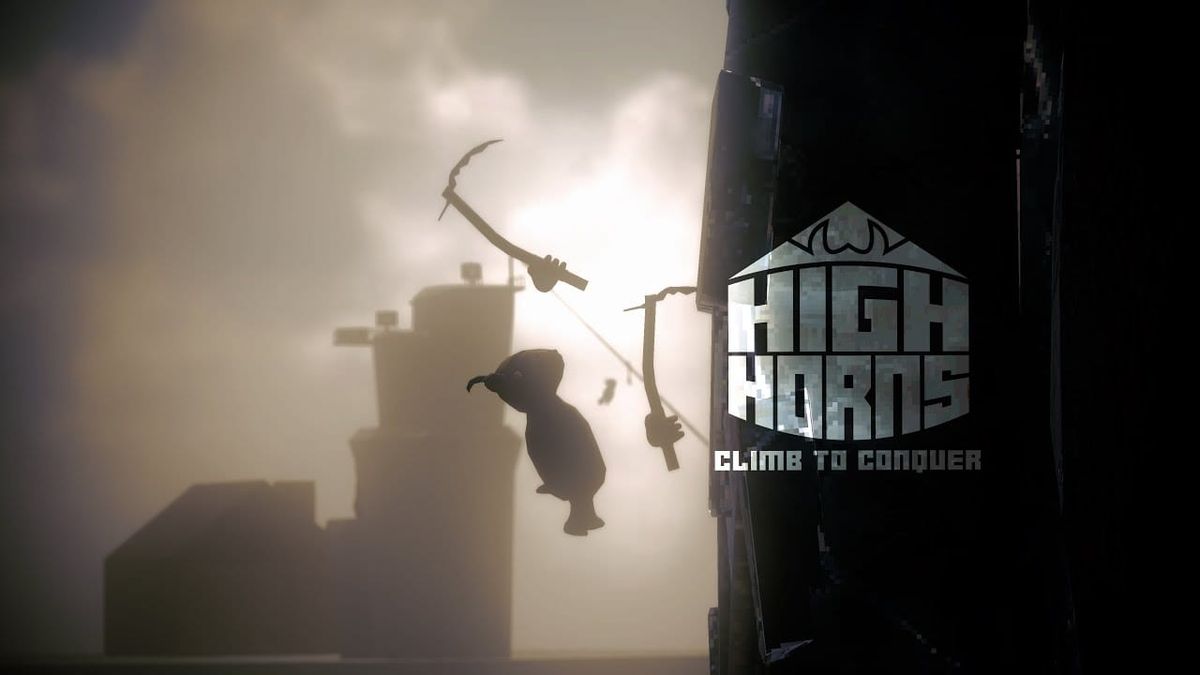
The core mechanics of High Horns center on arm-based locomotion, a movement system popularized by the aforementioned Gorilla Tag. Players navigate a vertical world by physically "pulling" and "pushing" themselves through the environment. During a twenty-minute hands-on demo at AWE, the game presented a social-hangout atmosphere where climbing and environmental interaction are the primary modes of engagement.
However, the experience also highlighted the technical hurdles facing small teams in this space. Two primary issues were noted:
- "Sticky Hands" Glitch: A latency or logic error where virtual hands remained attached to grab points longer than intended, resulting in jarring, immersion-breaking movements.
- Environmental Clarity: A lack of visual signposting, where climbable surfaces were indistinguishable from decorative geometry, leading to player frustration.
Despite these teething problems, High Horns is slated for a Fall 2024 release on the Meta Quest platform, joining a crowded field of competitors all vying for the same demographic of younger, social-centric VR users.
Chronology: From Premium Ambitions to the F2P Pivot
To understand why a studio like XORWire is releasing five games in eighteen months, one must look at the broader timeline of the VR industry over the last two years.
- Late 2023 – Early 2024: The "Premium Winter" begins. Despite the launch of the Meta Quest 3, several high-profile VR studios began reporting softer-than-expected sales for $30–$40 "premium" titles. This led to a wave of restructuring across the industry.
- December 2024: XORWire begins its rapid-fire release schedule, starting with BreakoutVR. This marks a shift toward leaner development cycles focused on replayable, social mechanics rather than narrative-driven content.
- May 29, 2024: XORWire launches Munkie All-Stars, less than a month before showcasing High Horns at AWE.
- June 2024: The industry sees a flurry of F2P announcements. During the Ruff Talk VR Showcase and the UploadVR Summer Showcase, titles like OogaBonk and Jetpack Clankers are revealed. These games share a common DNA: social sandboxes, physics-based movement, and F2P monetization.
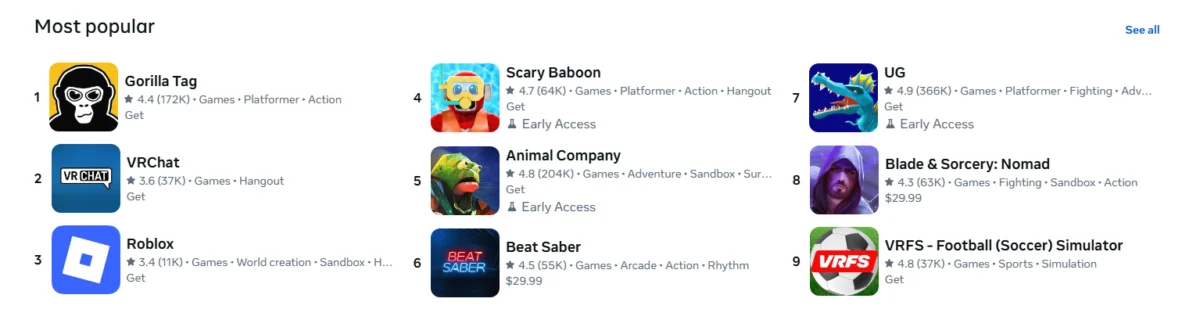
- Current State: The Meta Horizon Store’s "Most Popular" charts are now dominated by F2P titles, with only a handful of "legacy" premium titles like Beat Saber and Blade & Sorcery: Nomad maintaining their positions.
Supporting Data: The Economics of the Meta Horizon Store
The shift toward F2P isn’t just a trend; it is a survival tactic backed by stark data. A recent analysis of the Meta Horizon Store’s "Most Popular" rankings revealed that 80% of the top ten titles are free-to-download.
The Power of the "Unicorns"
The primary motivator for developers is the staggering success of the market leaders:
- Gorilla Tag: Reportedly reached over one million daily active users (DAU) and has generated over $100 million in revenue primarily through cosmetic in-app purchases.
- Animal Company: Claims a user base of half a million players.
These numbers are anomalous in the VR world. For comparison, many high-quality, paid VR titles struggle to maintain a daily player count in the low thousands. The allure of "Gorilla Tag money" is driving studios to abandon the traditional "buy-to-play" model.
The Conversion Trap
However, the data also reveals a darker side to the F2P model. The industry standard for "conversion"—the percentage of free players who actually spend money—typically hovers between 1% and 5%.
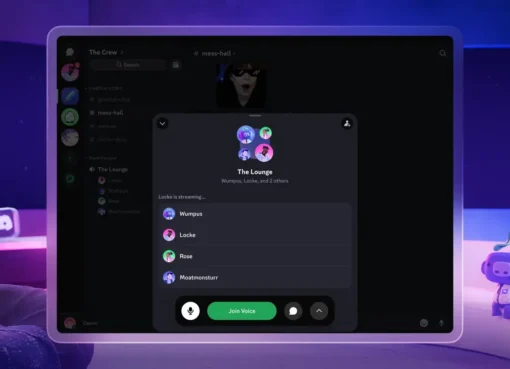
A representative from XORWire noted that they currently maintain a Discord community of approximately 5,000 users. While a "respectable" number for a hobbyist or a solo developer, the math for a sustainable studio is daunting. If 2% of those 5,000 users spend $10 a month, the resulting $1,000 in monthly revenue is insufficient to cover the overhead of even a three-person team, let alone the costs of server maintenance and ongoing content updates. In the F2P world, success is a game of massive volume—volume that the current VR install base may not be able to provide to dozens of concurrent "social hangout" clones.
Official Responses and Industry Context
The move toward F2P social VR is often framed as "giving the players what they want," but internal industry actions suggest it is also a response to a shrinking path for premium software.
The Developer Perspective
During the AWE demo, the marketing team for High Horns emphasized the importance of community feedback. By releasing titles rapidly, they can "stress test" mechanics and see which ones resonate with the "Quest-age" demographic. This "fail fast" mentality is a hallmark of modern live-service development, though it risks alienating early adopters if the products feel unpolished.
The Platform Holder’s Pivot
Meta’s own strategy provides a telling glimpse into the market’s health. The company recently made waves by signaling a shift for Horizon Worlds, its flagship social VR app. After years of positioning it as a VR-first experience, Meta pivoted to include "flatscreen" (mobile and web) support. Industry analysts interpret this as an admission that the VR-only audience is not yet large enough to sustain the kind of massive, multi-user social ecosystem Meta envisions.
The "Premium" Fallout
In contrast to the F2P boom, premium studios are sounding the alarm. Recent months have seen layoffs at nDreams and the total closure of several smaller VR-focused studios. Many of these developers cited a "softer-than-expected" market for paid apps. Some, such as the creators of the tower defense game Iron Guard, have openly announced a pivot back to flatscreen development to recoup losses.

Implications: A "Concord" Moment for Virtual Reality?
The current state of VR development mirrors a recent trend in the traditional "flatscreen" gaming industry: the ill-fated pursuit of the "Live Service" dream.
The Saturation Risk
In the PC and console space, we have seen massive, big-budget failures like Concord and Redfall—games designed to be "forever titles" that failed because the market was already saturated with Fortnite, Apex Legends, and Destiny 2. Players only have so much time and social capital; they can usually only commit to one or two "hangout" games.
VR is facing a similar bottleneck. If a player is already invested in their Gorilla Tag community, what incentive do they have to move to High Horns, OogaBonk, or Munkie All-Stars? Unless a new title offers a revolutionary mechanical hook or a significantly higher level of polish, it is likely to be ignored.
The Quality vs. Quantity Dilemma
The rapid-fire release strategy of XORWire and others raises concerns about the long-term reputation of the Meta Horizon Store. If the store becomes flooded with low-poly "slop" (to use a term ironically adopted by the developers themselves in titles like Stupid Chimp Slop), it may become harder for high-effort, innovative projects to find an audience.
The Path Forward
The survival of games like High Horns will depend on their ability to move beyond being mere clones of existing successes. To avoid the point of diminishing returns, developers must solve the technical issues—like the "sticky hands" and environmental clarity problems found in the High Horns demo—and offer a social value proposition that isn’t currently met by the market leaders.
As the VR market matures, the "lightning in a bottle" that Gorilla Tag captured becomes harder to replicate. The gold rush is still on, but the ground is getting crowded, and the nuggets of gold are becoming harder to find. For now, the industry watches as High Horns prepares for its fall release, serving as a litmus test for whether there is still room at the top for another social climber.