Discord Arrives on Meta Horizon OS: A Milestone for VR Social Integration Marred by Technical Hurdles
The landscape of virtual reality (VR) has long been characterized by a certain degree of social isolation. While multiplayer games and social hubs like VRChat and Horizon Worlds have attempted to bridge the gap, the "outside world"—specifically the primary communication hubs used by gamers globally—has remained largely out of reach for standalone headset users. That barrier has officially begun to crumble with the launch of the native Discord 2D application on the Meta Horizon Store.
This release represents a pivotal moment in Meta’s strategy to transform the Quest from a specialized gaming peripheral into a general-purpose "spatial computer." However, as early adopters are discovering, the marriage between Discord’s resource-heavy communication suite and the Quest’s mobile-chipset architecture is currently a turbulent one.
Main Facts: The Feature Set and the Friction
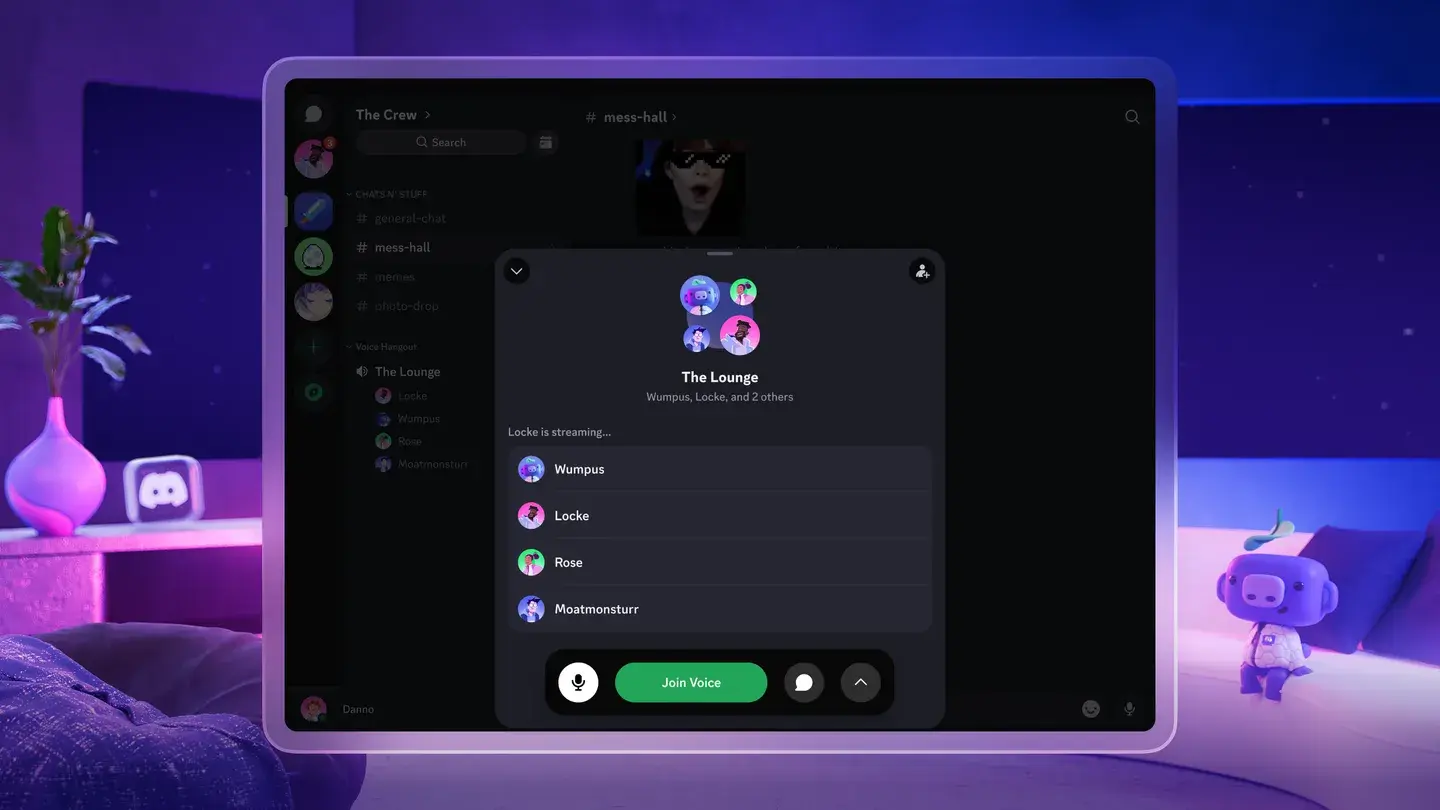
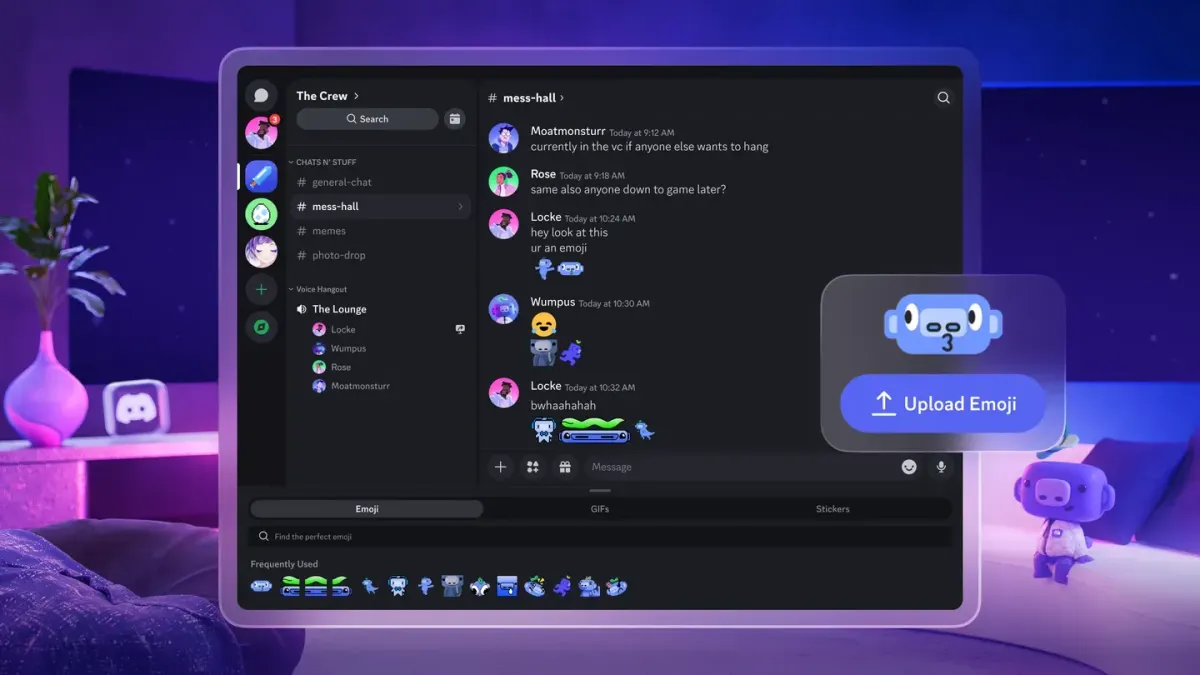
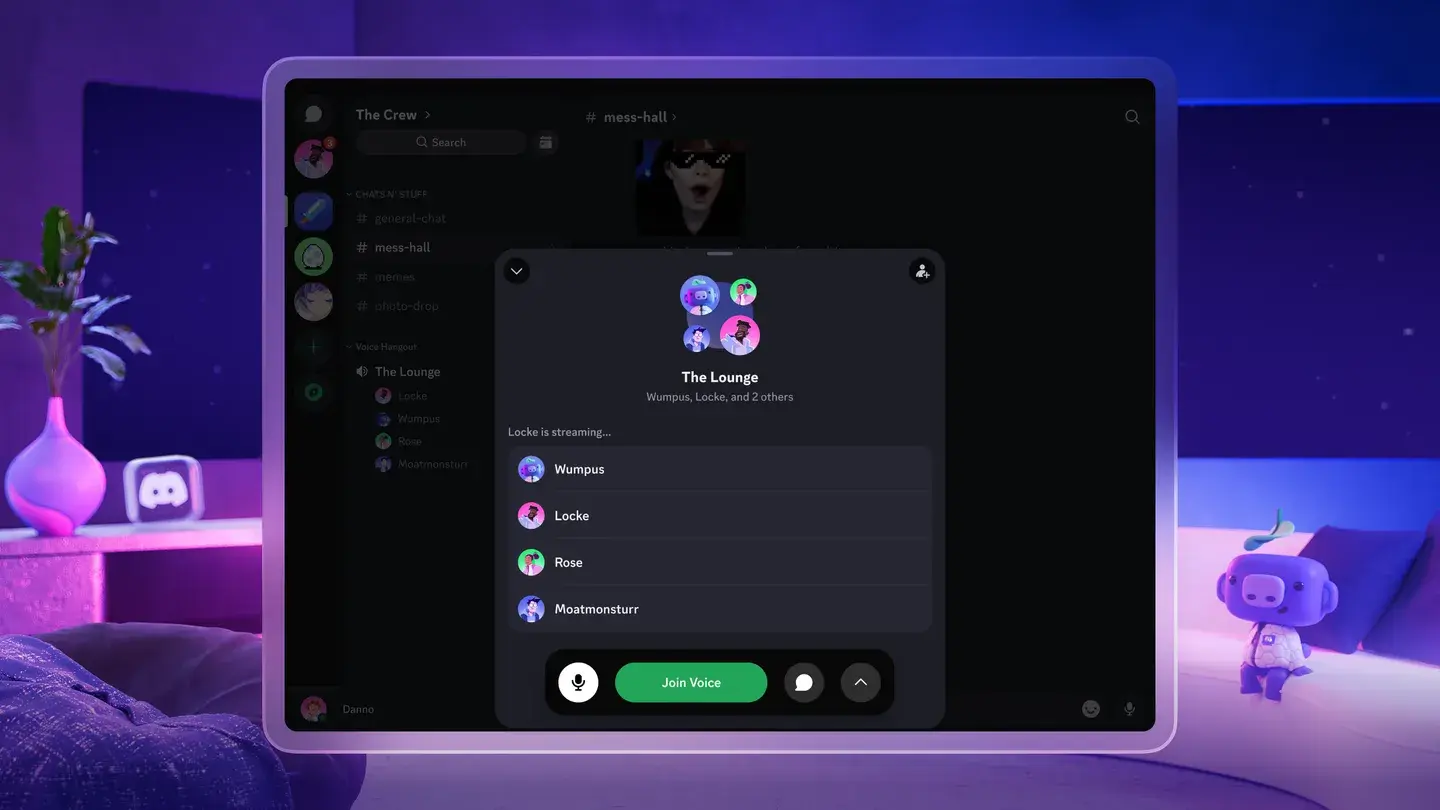
The Discord app for Meta Quest is a 2D "flat" application that runs within the Horizon OS environment. It allows users to access the full suite of Discord’s core features without leaving their VR environment. This includes text-based chat, voice channels, and the ability to view friends’ livestreams.
The most significant addition, and the one most requested by the community, is the ability to stream a first-person VR perspective directly to Discord. Previously, Quest users wanting to share their gameplay with friends on Discord had to rely on a cumbersome multi-step process: casting the Quest feed to a PC web browser, capturing that browser window via the Discord desktop client, and managing audio through separate third-party patches. The new native app promises a "one-click" solution, allowing users to broadcast their VR sessions directly from the headset’s internal hardware.
To incentivize adoption, Meta and Discord have introduced a promotional offer: users who download the app and sign in via their Quest headset before September 30 are eligible for one month of Discord Nitro. This premium tier includes high-definition streaming, increased file upload limits, and enhanced profile customization. However, early feedback suggests that this promotion is restricted to new or returning subscribers; current Nitro members have reported that the offer does not stack or extend their existing subscriptions.
Despite the excitement surrounding these features, the initial release has been plagued by technical instability. The app currently holds a 3-star rating on the Meta Horizon Store, with a significant volume of user reviews citing performance degradation, system-wide crashes, and "Out of Memory" (OOM) errors.
Chronology: The Road to Integration
The path toward a native Discord app has been a multi-year journey, reflecting the deepening partnership between Meta and Discord as they seek to unify the gaming ecosystem.
September 2025: The Announcement
During the Meta Connect 2025 conference, Meta CEO Mark Zuckerberg and leadership from Discord first officially announced that a native application was in development. This was framed as a core component of Meta’s "Horizon OS" rebranding, signaling an opening of the platform to more traditional Android-based applications that could run in a multitasking "spatial" environment.
December 2025: Account Linking and Rich Presence
Before the full app arrived, the two companies rolled out a "Rich Presence" integration. This allowed users to link their Meta and Discord accounts, enabling their Discord status to automatically update with the specific Quest app or game they were currently playing. This was a crucial first step in visibility, allowing Discord communities to see when their members were active in VR, thereby driving more organic "hop-in" play sessions.
July 2026: The Public Launch
The official 2D app arrived on the Meta Horizon Store in July 2026. This release moved beyond mere status updates to full interactivity. However, the launch was "soft" in nature, appearing on the store with little fanfare, likely due to the known technical hurdles the development teams were still racing to resolve.

Supporting Data: Technical Performance and RAM Constraints
The primary criticism of the Discord app on Quest centers on its heavy resource footprint. Unlike a PC, where 16GB or 32GB of RAM is standard, the Meta Quest 3—currently the flagship consumer headset—operates with 8GB of LPDDR5 RAM. While this is a significant step up from the Quest 2’s 6GB, it must power the operating system, the VR tracking systems, the high-resolution display rendering, and the game itself simultaneously.
The Streaming Impact
Testing conducted by industry analysts and outlets like UploadVR highlights a recurring pattern of failure. In "light" applications or simple social interactions, the Discord app functions adequately. However, when paired with high-fidelity VR titles, the system reaches a breaking point.
- Asgard’s Wrath 2: Users reported that while the stream quality remained stable for viewers, the game would frequently crash during "loading transitions" or when entering resource-intensive environments.
- Deadpool VR: Heavy combat sequences involving multiple NPCs and particle effects often triggered a full system reboot or forced the Discord app to close unexpectedly.
- TMNT: Empire City: Similar to other titles, the transition between game zones proved to be the "kill switch" for the background Discord process.
Browser vs. Native App
Prior to this release, users often accessed Discord via the Meta Quest Browser. While the browser version allowed for background audio, it lacked system-level microphone priority, often leading to "robotic" voice quality or the microphone cutting out entirely when a game was launched. The native app addresses the microphone stability issues and provides proper system-level notifications, but the RAM overhead of the native Android-based wrapper appears to be higher than the optimized web browser, leading to the current stability crisis.
Official Responses and Developer Outlook
While Meta and Discord have not issued a formal "patch notes" roadmap to address the 3-star reviews, internal movements suggest that the current version of the app is merely the foundation for a much deeper integration.
Data mining and reports from XR enthusiasts, most notably the well-known leaker Luna, have uncovered permissions within the app’s code that point to a "Joinable State" feature. This would allow a user on a PC or mobile phone to see a "Join" button on their friend’s Discord profile, which, when clicked, would launch the corresponding game on the friend’s Quest headset (or prompt them to put it on).
This level of deep-linking is common in the PC gaming world via Steam but has been a significant friction point for VR. The presence of these code snippets suggests that Meta and Discord are working on a system-level API that will allow Discord to communicate directly with the Quest’s invitation system.
Regarding the performance issues, developers close to the project have hinted that the "2D app" architecture—which essentially runs an Android APK within a virtualized window—is being further optimized to reduce the "leakage" of resources. The goal is to ensure that the Quest’s "Game Mode" (which prioritizes CPU/GPU cycles for the active VR title) can coexist more peacefully with the Discord background process.
Implications: The Future of Social VR and Horizon OS
The arrival of Discord on Quest, despite its rocky start, has profound implications for the VR industry and the broader concept of the Metaverse.
1. The End of the "Walled Garden"
For years, Meta’s social strategy was built around its own platforms: Facebook and Horizon. By allowing Discord—a direct competitor to Meta’s own social layers—onto the Quest, Meta is admitting that for VR to succeed, it must integrate with the tools gamers already use. This "open-ish" approach is essential for the Quest to compete with the Apple Vision Pro, which relies on the existing iOS/iPadOS ecosystem for its social utility.
2. Horizon OS as a Universal Platform
Meta’s recent decision to open "Horizon OS" to third-party hardware manufacturers (like ASUS and Lenovo) makes the stability of apps like Discord even more critical. If Discord cannot run reliably on Meta’s own hardware, it bodes poorly for third-party headsets that may have different RAM configurations or cooling solutions. Solving the Discord "optimization puzzle" is, in many ways, a test case for whether Horizon OS can truly function as the "Android of XR."
3. The "Second Screen" in VR
The ability to have a 2D Discord window pinned to the side while playing a VR game effectively brings the "second monitor" experience to a mobile headset. This is a game-changer for streamers and community managers who previously had to "peek" under their headsets to read chat. If the crashing issues are resolved, the Quest becomes a viable standalone tool for content creators, further decoupling the VR experience from the expensive gaming PC.
Conclusion
The Discord app for Meta Quest is currently a "diamond in the rough." Its feature set—particularly standalone streaming and Rich Presence—fulfills a long-standing demand from the VR community. However, the current technical state serves as a stark reminder of the hardware limitations inherent in mobile XR. Until Meta and Discord can optimize the RAM usage and prevent system-level crashes, the app remains a promising tool that most power users will approach with caution. For now, the "one month of Nitro" may be the most stable feature the app has to offer, but the roadmap suggests a future where the line between VR and the global gaming community is permanently erased.