Sailing Toward the Future: Fan-Made Unreal Engine 5 Reimagining Breathes New Life Into The Legend of Zelda: The Wind Waker
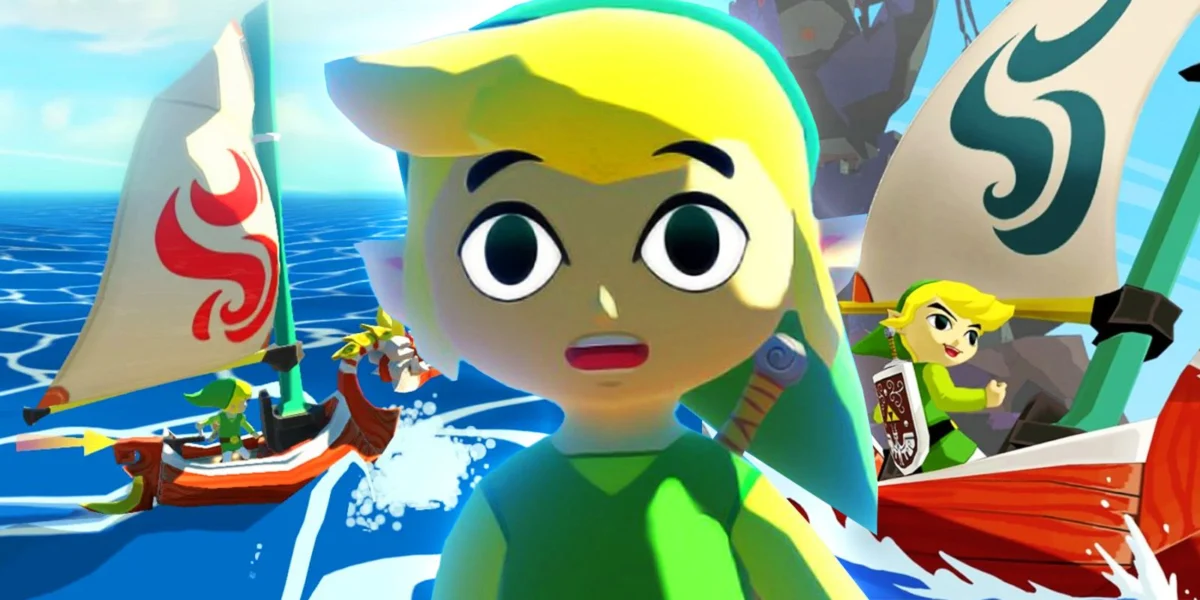
The high seas of Hyrule have never looked more inviting. In the decades since its debut, The Legend of Zelda: The Wind Waker has transitioned from a controversial experimental title to one of the most cherished entries in Nintendo’s storied franchise. As the series approaches its landmark 40th anniversary, the hunger for a modern return to the Great Sea has reached a fever pitch. While Nintendo remains tight-lipped about official ports for its latest hardware, the community has taken matters into its own hands.
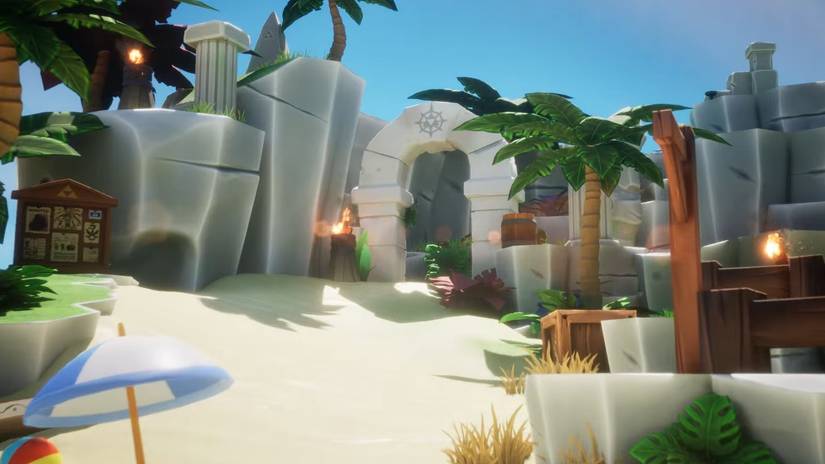
A breathtaking new project by digital artist and developer Manza 3D has recently surfaced, offering a glimpse into what a ground-up remake of The Wind Waker could look like using the power of Unreal Engine 5. Entitled "A Day in Outset Island," the project has ignited a fresh conversation about the technical potential of stylized aesthetics in the modern gaming era.
The Core Revelation: Outset Island Reborn
The centerpiece of this resurgence is a meticulously crafted video showcase that reimagines Link’s humble beginnings on Outset Island. Utilizing Unreal Engine 5, Manza 3D has moved beyond a simple resolution upscale, instead opting for a total environmental overhaul that respects the original’s iconic "Toon Link" aesthetic while introducing modern fidelity.
The project is the result of several months of intensive labor. According to the creator, the workflow involved a sophisticated pipeline of industry-standard tools: modeling was handled in Blender and Maya, while texturing was executed through Substance 3D Painter and Quixel Mixer. The final assembly within Unreal Engine 5 allowed for the implementation of advanced lighting and particle effects that the original GameCube hardware could only dream of.
In a statement regarding the project’s philosophy, Manza 3D noted: "This is my personal reinterpretation… I reimagined the island—redesigning the assets, and adding new props, vegetation, ruins, and beach details to create a fresh, stylized version of this beloved location." The result is a vibrant, living world where the wind actually seems to rustle through high-fidelity foliage and the water of the Great Sea features realistic refraction while maintaining its whimsical blue hue.
A Chronology of Controversy and Celebration
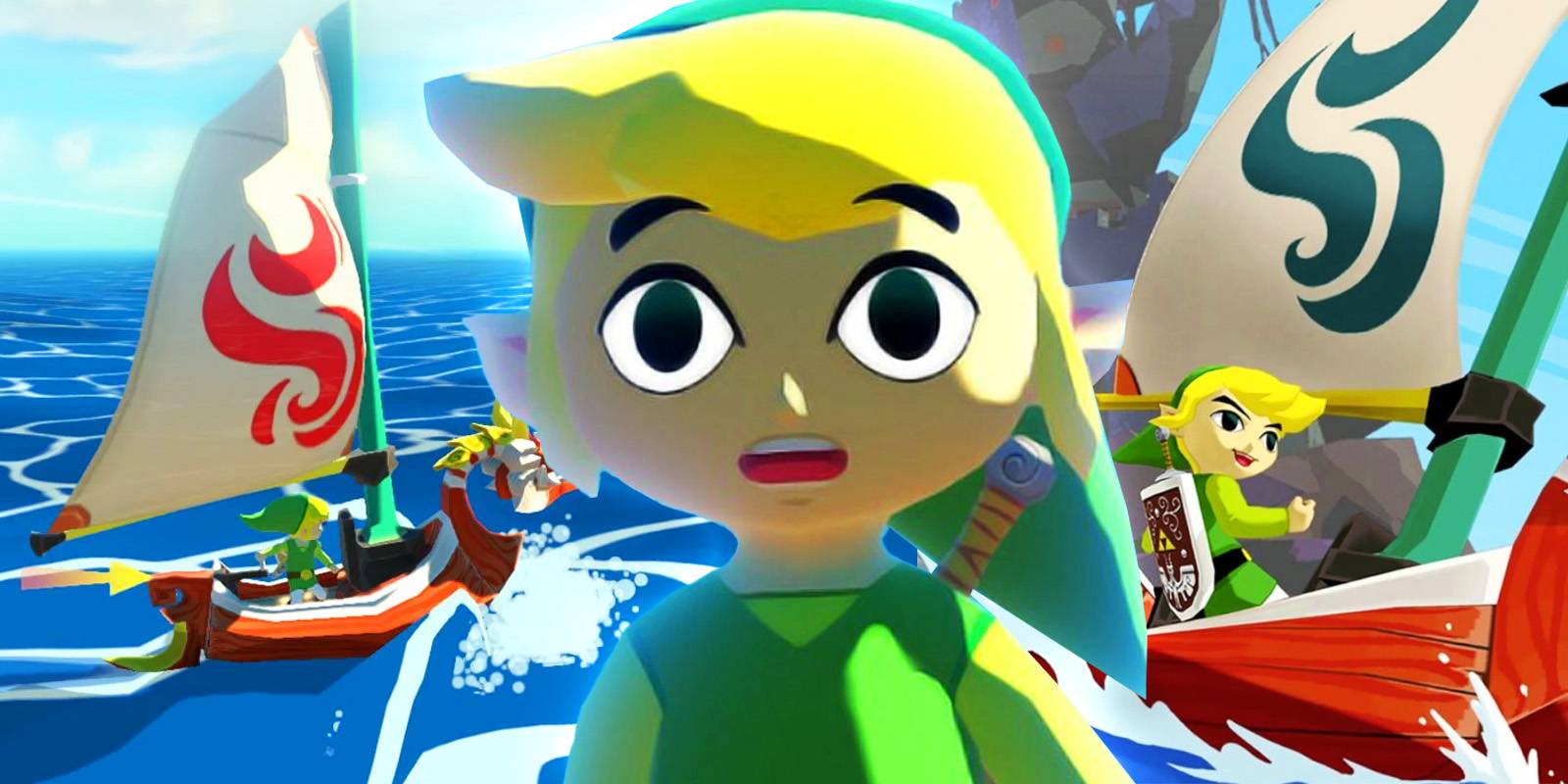
To understand why this fan project has resonated so deeply with the "Zelda" community, one must look back at the tumultuous history of The Wind Waker. The game’s journey is perhaps the most dramatic "redemption arc" in software history.
The Spaceworld Shock (2000)
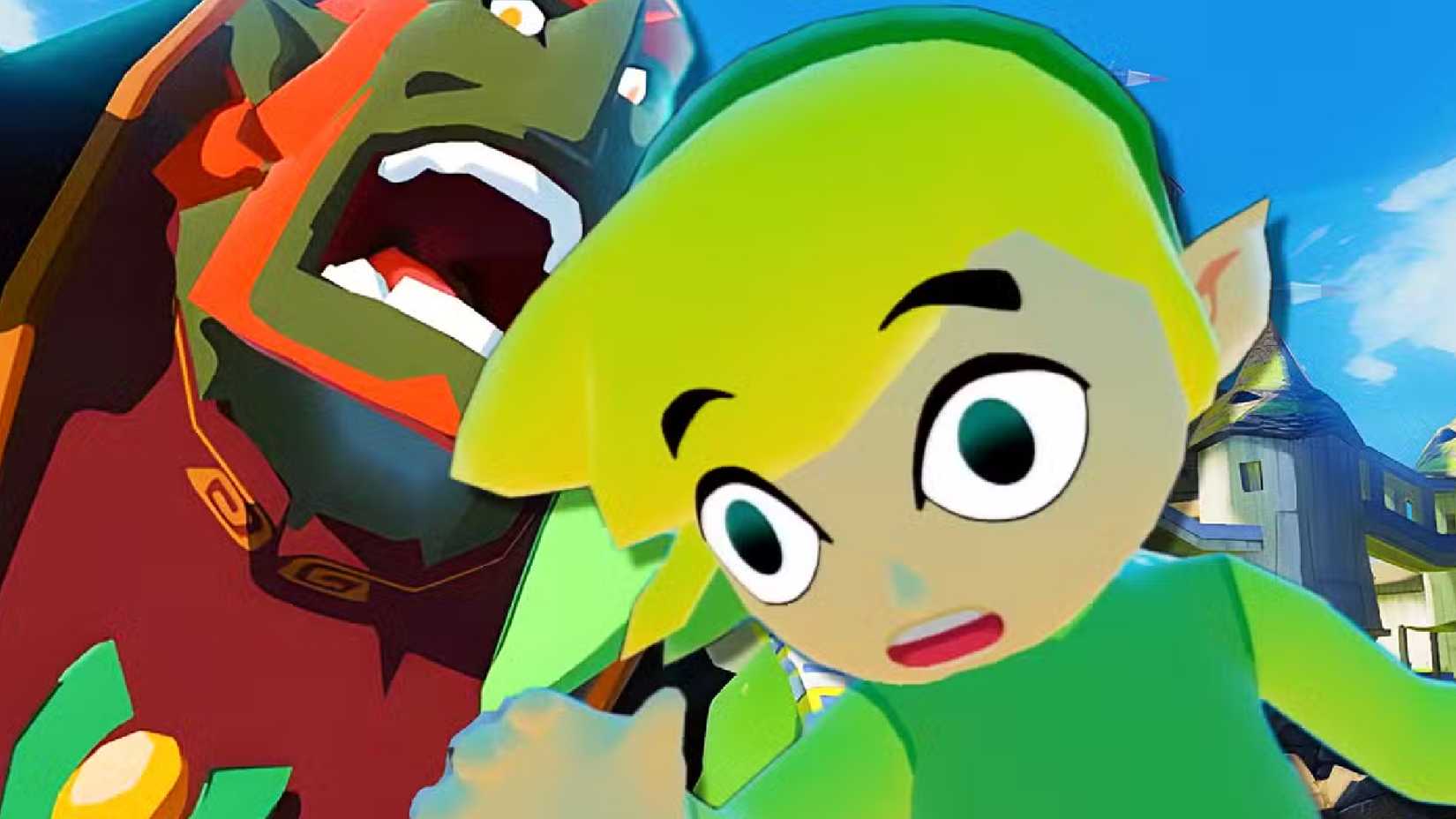
At Nintendo’s Spaceworld 2000 event, a technical demonstration for the then-upcoming GameCube featured a high-fidelity, realistic duel between Link and Ganondorf. Fans were ecstatic, believing this "dark and gritty" tone would be the future of the series following Ocarina of Time.
The "Celda" Backlash (2001–2002)
When Nintendo finally unveiled the actual GameCube Zelda title, The Wind Waker, the reaction was polarized, to put it mildly. The bright, cel-shaded, cartoonish art style was mocked by some as "Celda" or "Baby Zelda." Critics at the time were skeptical that the aesthetic could carry the emotional weight of a traditional Zelda epic.
Critical Vindication (2003–2012)
Upon release in early 2003, the game silenced many doubters. Its expressive character animations, vast oceanic exploration, and tight combat earned it perfect scores from major publications. Over the next decade, the art style proved to be timeless, aging far better than the "realistic" games of the same era.
The HD Revival (2013)
Nintendo acknowledged the game’s legendary status by releasing The Wind Waker HD on the Wii U. This version introduced a "Swift Sail" to speed up travel and utilized a new lighting engine that added depth to the cel-shaded world. However, because the Wii U suffered from low hardware sales, a vast portion of the modern gaming audience has never had the chance to play this definitive version.

The 40th Anniversary Context (2026)
As we stand in 2026, the 40th anniversary of the franchise has brought these legacy titles back into the spotlight. With rumors of an Ocarina of Time remake circulating and the "Switch 2" (or Nintendo’s successor console) demanding high-fidelity content, the demand for The Wind Waker to leave the "Wii U prison" has never been higher.
Technical Breakdown: Why Unreal Engine 5 Matters
The fan project by Manza 3D is more than just "pretty pictures"; it serves as a technical proof of concept for the future of stylized gaming. Historically, cel-shading was used to mask hardware limitations. In 2002, the GameCube couldn’t handle complex textures, so flat colors and bold silhouettes were a brilliant workaround.
However, Unreal Engine 5 introduces technologies like Lumen (dynamic global illumination) and Nanite (virtualized geometry). When applied to a stylized world like Outset Island:
- Lumen allows the sun’s light to bounce off the bright green grass and cast soft, colored shadows into the interiors of Grandma’s house, creating a sense of warmth and "presence" that flat cel-shading lacks.
- Nanite enables the creator to add immense detail to the island’s rock formations and ruins without sacrificing performance, making the world feel ancient and tangible.
- Stylized Fidelity: The project proves that "stylized" does not mean "low detail." By using Substance 3D Painter, the artist added subtle "hand-painted" textures to the wood of the lookout tower and the sand on the beach, providing a tactile quality that respects the original vision while meeting 2026’s 4K standards.
Official Responses and the Nintendo Strategy
As is typical with high-profile fan projects, Nintendo has not issued an official comment. The company famously maintains a protective stance over its Intellectual Property (IP), often issuing "Cease and Desist" orders to fan-made games. However, Manza 3D’s work exists as an "artistic showcase" rather than a downloadable, playable game, which generally places it in a safer legal gray area of "fan art."
Historically, Nintendo uses fan fervor as a barometer for market demand. The persistent calls for a Wind Waker and Twilight Princess double-pack on modern hardware have been ignored for years, leading some analysts to believe Nintendo is saving these "heavy hitters" for a significant milestone or to bolster the launch lineup of a new console generation.
With the Ocarina of Time remake reportedly in development, the precedent for ground-up "re-imaginings" rather than simple HD ports has been set. Fans are hopeful that if Nintendo does revisit the Great Sea, they will take a page from the Manza 3D playbook—rebuilding the world with modern lighting while preserving the soul of the character designs.
Implications for the Future of Zelda
The success and viral nature of this Unreal Engine 5 project point toward several key implications for the gaming industry and the Zelda franchise specifically:
1. The "Wii U Port" Era is Ending
For the last decade, Nintendo’s strategy has been porting Wii U titles to the Switch. With almost every major title now moved over, The Wind Waker HD and Twilight Princess HD are the final "holdouts." The community’s decision to build their own versions suggests that "simple ports" may no longer be enough to satisfy a fanbase that has seen the power of next-gen hardware.
2. Stylization is the New Realism
As "hyper-realistic" games become increasingly expensive and time-consuming to produce, the industry is seeing a shift back toward unique art styles. Projects like this show that a 24-year-old art style can look more "next-gen" than a standard military shooter if the lighting and environmental effects are handled with care.
3. Community-Driven Development
The fact that a single artist using off-the-shelf tools (Blender, UE5) can produce visuals that rival professional studios is a testament to the democratization of game development. It puts pressure on major publishers like Nintendo to ensure their official remakes offer something truly transformative.
Conclusion: A Sea Still Worth Crossing
The Legend of Zelda: The Wind Waker remains a masterpiece of game design, emphasizing the joy of discovery and the bittersweet nature of growing up. Whether it is through the lens of a fan’s Unreal Engine 5 showcase or an eventual official 40th-anniversary release, the world of Outset Island continues to capture the imagination.
While we wait for Nintendo to officially announce the next chapter for Toon Link, projects like "A Day in Outset Island" serve as a beautiful reminder of why we fell in love with the Great Sea in the first place. They bridge the gap between nostalgia and the future, proving that even after four decades, the legend is just beginning. As the sun sets over a reimagined Outset Island, one thing is clear: the wind is still blowing, and fans are more than ready to set sail once again.