The Underworld Ascendant: How ‘Hadestown’ Rewrote the Playbook for Event Cinema
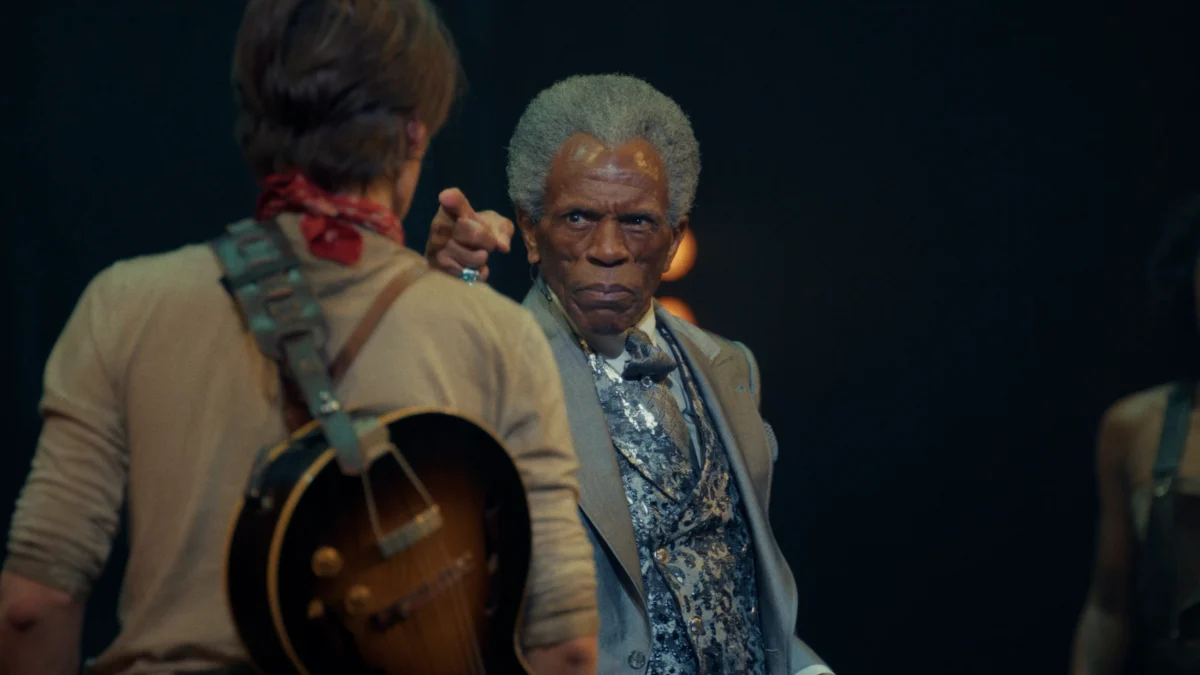
In a cinematic landscape often dominated by superhero sequels and massive studio tentpoles, an unlikely contender has emerged to claim a historic throne. Hadestown: The Musical, the filmed capture of Anaïs Mitchell’s Tony-winning Broadway sensation, has officially become an indie blockbuster, shattering records and redefining the commercial potential of live theater on the silver screen.
Originally billed as a limited "five-night-only" engagement, the production’s theatrical run was extended to four weeks following an overwhelming surge in ticket demand. As of late August 2026, the film has grossed a staggering $20.7 million domestically. In doing so, it has comfortably surpassed the theatrical earnings of Hamilton, which netted just under $17 million during its 2025 big-screen release. While Hamilton had the benefit of a long-standing residency on Disney+, Hadestown’s success represents a triumph for the "event cinema" model—a strategy that prioritizes the communal, big-screen experience as a premium cultural event.
Main Facts: A Record-Breaking Descent
The success of Hadestown in cinemas is not merely a win for fans of musical theater; it is a significant data point for the film distribution industry. The $20.7 million haul places Hadestown as the highest-grossing live theater capture in history, a feat many analysts thought impossible for an independent release.
Distributed by Bleecker Street under its newly minted "Crosswalk" label, the film benefited from a calculated scarcity. By initially offering a very narrow window for viewing, the distributors created a "must-see" urgency that galvanized the "Hadeheads"—the show’s dedicated fan base. This momentum allowed the film to survive, and eventually thrive, in a summer season crowded with high-budget blockbusters.
For Mara Isaacs, the creative producer of Hadestown, the film’s performance is the latest chapter in a long-running narrative of exceeding expectations. "I’m not really surprised by the success, but only because Hadestown has exceeded expectations everywhere it has performed," Isaacs noted. From its humble beginnings as a DIY concept album to its current status as a cinematic record-breaker, the production has consistently proven that its soulful, folk-inflected retelling of Greek mythology resonates across all mediums.
Chronology: From a Vermont School Bus to the Silver Screen
To understand the magnitude of the film’s success, one must look at the unconventional path Hadestown took to reach the Lyric Theatre in London, where the film was captured.
2006–2010: The Folk Roots
The project began as a "folk opera" written by singer-songwriter Anaïs Mitchell. In its earliest iteration, Mitchell and a small group of musicians toured Vermont in a painted school bus, performing the songs in community centers and small theaters. In 2010, Mitchell released the Hadestown concept album, featuring guest vocals from indie icons like Justin Vernon (Bon Iver) and Ani DiFranco. This album laid the musical foundation for what would eventually become a Broadway staple.
2012–2019: The Creative Evolution
The transition from album to stage was guided by director Rachel Chavkin, who helped Mitchell flesh out the narrative of Orpheus and Eurydice against the backdrop of a Great Depression-era industrial underworld. The show underwent rigorous development through regional workshops at the New York Theatre Workshop, the Citadel Theatre in Edmonton, and the National Theatre in London.
By the time it opened at the Walter Kerr Theatre on Broadway in April 2019, Hadestown was a polished, atmospheric powerhouse. It went on to win eight Tony Awards, including Best Musical and Best Original Score.
2024–2026: Capturing the Magic
The decision to film the production was made during its highly successful run at London’s West End. Captured at the Lyric Theatre by the specialized production company Steam Motion and Sound, the filming process was designed to be "cinematic" rather than merely a static recording. This set the stage for the July 24, 2026, theatrical debut that would ultimately rewrite the record books.
Supporting Data: The "Sandwich" Strategy and Market Performance
The timing of the Hadestown release was a subject of much debate within the industry. Bleecker Street chose to launch the film on July 24, 2026—a date that placed it directly between two of the year’s most anticipated releases: The Odyssey (released July 17) and Spider-Man: Brand New Day (released July 31).
Competitive Analysis
While most independent films avoid the "dead zone" between massive franchise releases, Bleecker Street CEO Kent Sanderson argued that Hadestown occupied a unique lane.
- The Odyssey: While also based on Greek mythology, it was a high-octane action epic targeting a broad demographic.
- Spider-Man: A classic four-quadrant superhero film.
- Hadestown: Offered a sophisticated, emotional, and musically driven alternative that appealed specifically to theater lovers and older demographics who might have felt "blockbuster fatigue."
Marketing and Presales
The "event cinema" model relied heavily on advanced data. Bleecker Street put tickets on sale six weeks before the premiere, accompanying the launch with a trailer that emphasized the limited nature of the engagement. This resulted in a high conversion rate of "intent to buy."

The strategy also paid dividends in the home entertainment market. Even before the theatrical run concluded, pre-sales for the DVD and Blu-ray release (scheduled for October 20) skyrocketed. Within hours of being listed, the film became the number-three physical media product on Amazon, proving that a theatrical release enhances the perceived "premium" value of a title for collectors.
Official Responses: Validation of a Vision
The leadership behind the film views this success as a validation of both the art and the business model.
Mara Isaacs highlighted the technical rigor that went into the production. "Every decision that was made was in order to make this truly cinematic," she explained. "It was: how do we capture the magic of what happens on stage so that it translates to a screen? A lot of time and thought went into that before the team even set foot in a theater." By using multiple camera angles, sweeping crane shots, and a sound mix that preserved the intimacy of the Lyric Theatre, the team created a product that felt like a film in its own right, rather than a "bootleg" or a distant recording.
Kent Sanderson pointed to the launch of "Crosswalk," Bleecker Street’s specialized division, as the key to this victory. The division was created specifically to handle "event cinema"—a category that includes filmed theater, concert films, and niche cultural events. Following the success of Waitress: The Musical and the Stray Kids concert film, Hadestown has cemented Crosswalk as a leader in this burgeoning market. Sanderson noted that the theatrical release "allows people to justify renting or buying the film later in a way they wouldn’t if it were a straight-to-streaming release."
Implications: The Future of the Stage-to-Screen Pipeline
The record-breaking performance of Hadestown carries several long-term implications for the theater and film industries.
1. The Myth of Cannibalization
For decades, Broadway producers feared that releasing a filmed version of a show would "cannibalize" the ticket sales of the live production. The logic was that if a fan could see the show for $20 in a movie theater, they wouldn’t pay $200 for a mezzanine seat. Hadestown has effectively debunked this myth.
Since the film’s release, ticket sales for the Broadway and West End stage productions have seen a measurable surge. Furthermore, streams of the original Broadway cast recording have spiked. "For a lot of people, the film has been a portal into the world of Hadestown," Isaacs said. "It has made them even more engaged with the material."
2. A New Revenue Stream for "Mid-Sized" Musicals
While Hamilton and Wicked have the brand recognition to secure massive streaming deals, Hadestown has shown that mid-sized, "indie" musicals can find a highly profitable life in theaters. This opens the door for other Tony-winning productions—such as A Strange Loop or Kimberly Akimbo—to pursue high-quality captures as a way to reach global audiences and recoup investment.
3. The Rise of the "Cinematic Capture"
The success of Hadestown (and the work of Steam Motion and Sound) sets a new technical standard. Audiences are no longer satisfied with a simple archival recording. To succeed at the box office, these films must employ high-level cinematography, color grading, and sound design. This creates a new sub-genre of filmmaking that sits halfway between traditional cinema and live performance.
4. Expansion of the Crosswalk Model
Bleecker Street is already looking toward the future. The success of Hadestown provides a massive lead-in for their next project, George Michael: The Faith Tour. By proving they can mobilize fan communities and navigate crowded release windows, Crosswalk has positioned itself as the go-to distributor for artists looking to immortalize their live work.
Conclusion: A Song That Lasts Forever
As Hadestown: The Musical prepares to move from theaters to on-demand platforms on August 25, its legacy is already secure. It has proven that there is a deep, visceral hunger for high-quality storytelling that transcends the boundaries of the stage.
The story of Orpheus and Eurydice is one of hope in the face of tragedy, of a "song that was started long ago" that people keep singing anyway. By bringing this song to the cinema, Bleecker Street and the Hadestown creative team have ensured that the myth will reach a wider audience than ever before. In the process, they have built a new "road to Hell" that leads, quite unexpectedly, to a box-office heaven.