Beyond the Island: The Prolific Legacy and Versatile Career of Alan Hale Jr.
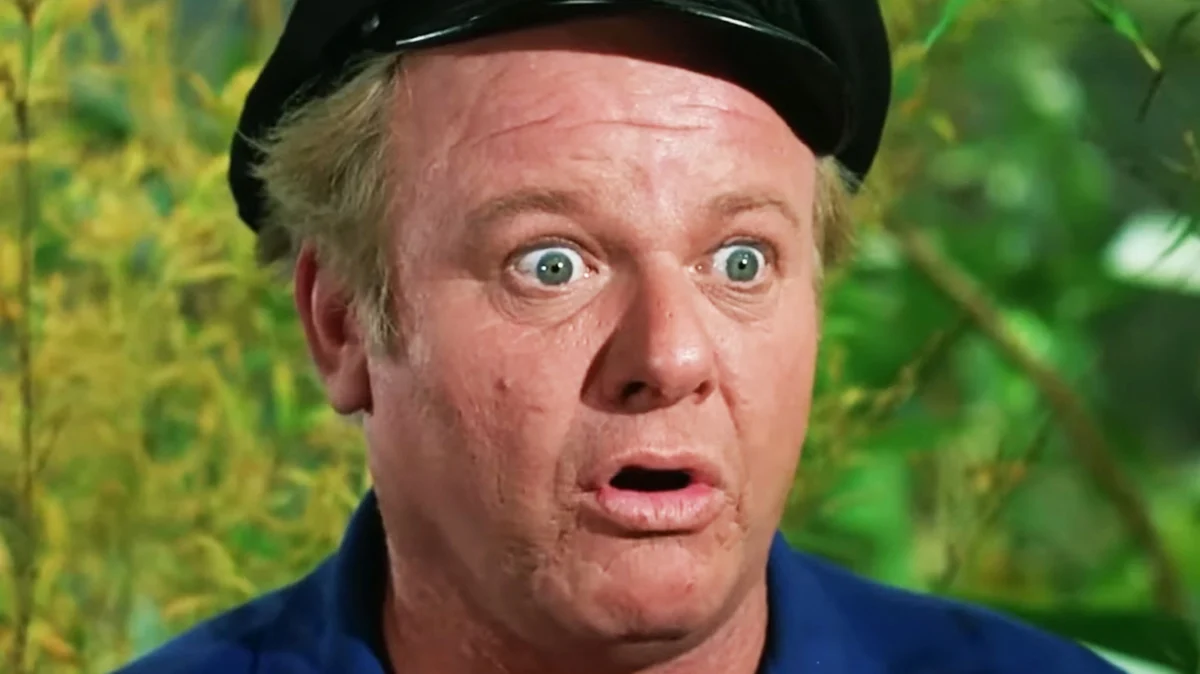
To the casual television viewer of the mid-to-late 20th century, Alan Hale Jr. was—and perhaps always will be—the Skipper. As Captain Jonas Grumby, the perpetually exasperated but ultimately warm-hearted leader of the S.S. Minnow’s castaways, Hale became an indelible fixture of American pop culture. However, to categorize him solely by his three-season stint on Sherwood Schwartz’s Gilligan’s Island is to overlook one of the most industrious and varied careers in the history of the Hollywood studio system and the Golden Age of Television.
Hale was a second-generation performer who viewed acting not as a pursuit of stardom, but as a craft and a "way of life." With over 200 credits to his name, spanning from gritty Westerns and swashbuckling adventures to international espionage dramas, his filmography serves as a roadmap through the evolution of American entertainment.
The Professional Ethos: A Legacy of the Journeyman
The foundation of Alan Hale Jr.’s career was built upon the shadow and the guidance of his father, Alan Hale Sr. The elder Hale was a legendary character actor of the Golden Age, perhaps best known for playing Little John alongside Errol Flynn in The Adventures of Robin Hood (1938).
In an archival interview with the Paducah Sun, Hale Jr. reflected on his professional philosophy, stating, "I love acting. With me, it’s a way of life, but I couldn’t care less whether I become an actor’s actor." He noted that his father was "not in the least star-conscious," a trait the son adopted with pride. This lack of ego allowed Hale Jr. to transition seamlessly between leading roles in B-movies and supporting turns alongside titans like Gregory Peck, Kirk Douglas, John Wayne, and Clint Eastwood.
Chronology of a Career: From the Frontier to the Sitcom
Hale’s career began in the early 1940s, but it was the 1950s that saw him emerge as a reliable presence in the Western genre. During this decade, he appeared in dozens of films and nascent television programs, often cast as "the heavy" or the robust, reliable sidekick. His physical stature—imposing yet capable of great gentleness—made him a natural fit for the rugged landscapes of the American frontier.
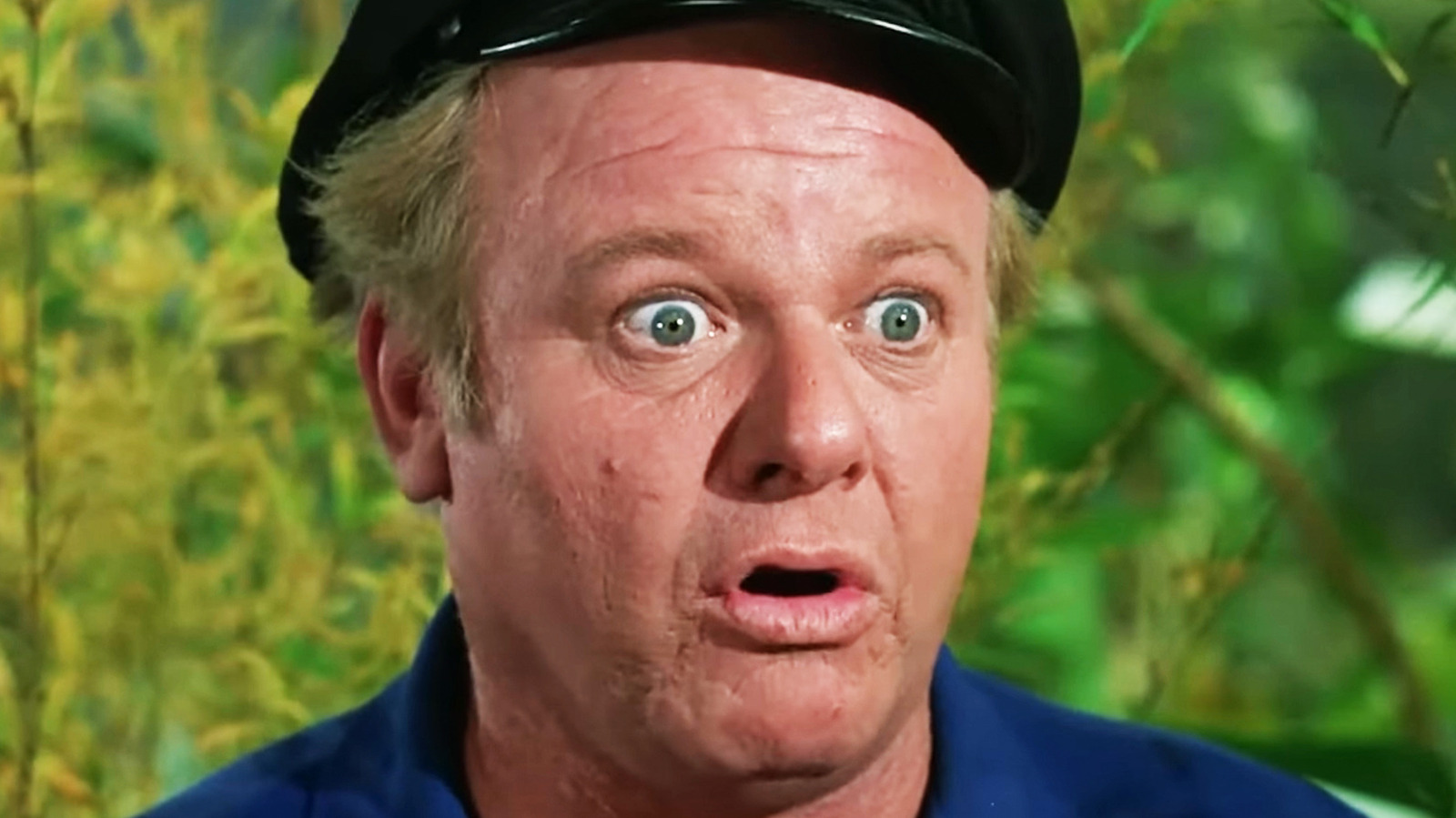
By the early 1960s, the television landscape began to shift toward ensemble comedies. When Gilligan’s Island premiered in 1964, Hale was already a seasoned veteran with twenty years of experience. While the show made him a household name, it also marked a pivot point where his public persona became inextricably linked to the "Skipper" archetype. Unlike many of his contemporaries who chafed at typecasting, Hale embraced the role until his passing in 1990, frequently appearing in public wearing his trademark skipper’s hat.
Supporting Data: Ranking the 5 Best Alan Hale Jr. Projects
To understand the breadth of Hale’s talent, one must look at the roles that challenged his range or brought his career full circle. Here are five of his most significant works, ranked by their impact on his legacy and the quality of his performance.
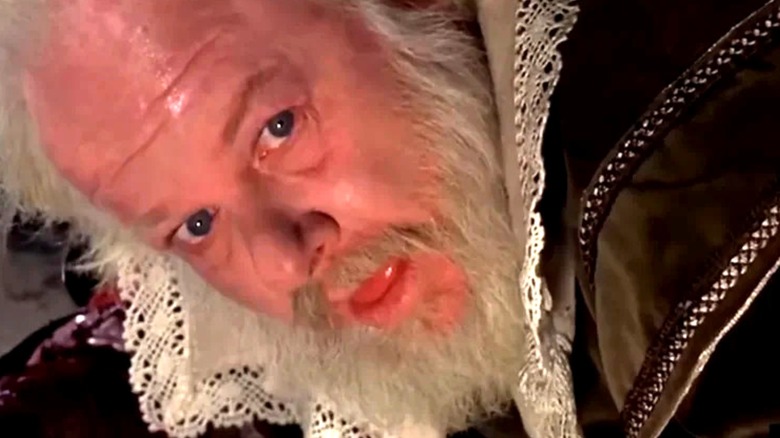
5. The Fifth Musketeer (1979)
Directed by Ken Annakin, this late-career swashbuckler is significant for its sentimental value. Hale played Porthos, the boisterous and physically powerful member of the Musketeers. The role was a direct homage to his father, who had played the same character in the 1939 film Man in the Iron Mask.
In The Fifth Musketeer, Hale starred alongside Lloyd Bridges and José Ferrer. While the film was not a massive critical success, Hale’s performance provided a rare moment of "full circle" Hollywood history. He brought a sense of pathos to the aging warrior, balancing his signature joviality with the gravity of a character facing the twilight of his life. It remains a testament to his ability to carry the mantle of his father’s legacy while maintaining his own distinct screen presence.
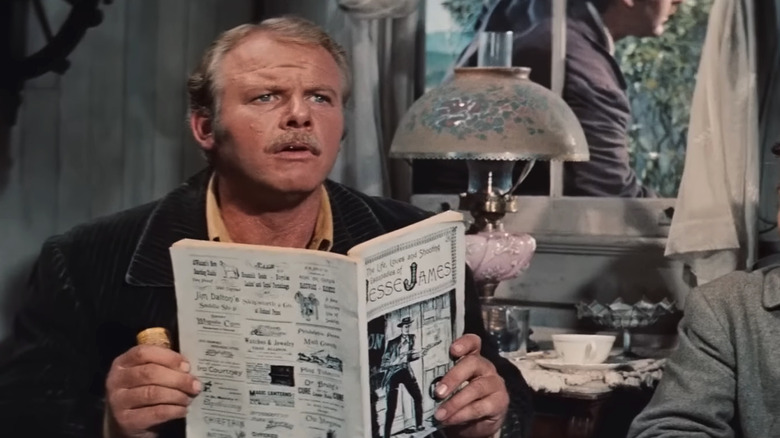
4. The True Story of Jesse James (1957)
Directed by the legendary Nicholas Ray (Rebel Without a Cause), this film offered Hale a departure from his more lighthearted roles. Playing the real-life outlaw Cole Younger, Hale delivered a performance characterized by self-possession and quiet confidence.
Unlike the bumbling or comedic characters he would later inhabit, his Cole Younger was a serious, rugged Confederate guerrilla-turned-outlaw. Working alongside Robert Wagner (as Jesse James) and Jeffrey Hunter (as Frank James), Hale often stole the scenes he was in, grounding the stylized Western with a sense of authentic grit. This film serves as a reminder that Hale possessed the dramatic "chops" to compete with Hollywood’s most refined leading men.
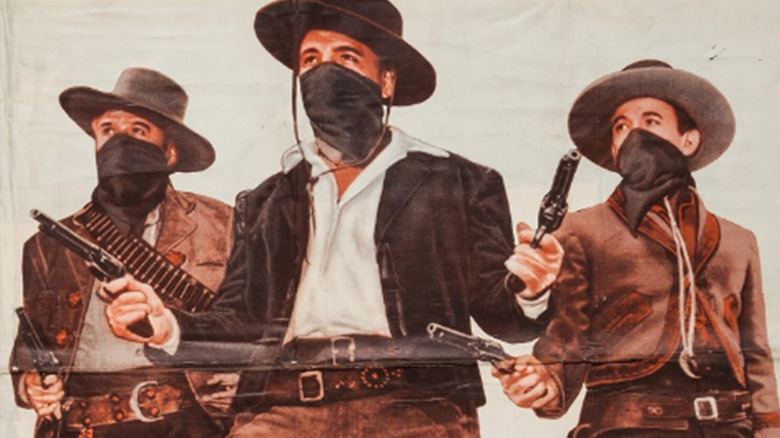
3. The Three Outlaws (1956)
While Hale was frequently a supporting player, The Three Outlaws saw him topline a feature film as the Sundance Kid. Directed by Sam Newfield, this B-Western focused on the exploits of Butch Cassidy (Neville Brand) and Sundance as they fled to Mexico.
Though produced on a modest budget, the film allowed Hale to showcase his ability to carry a narrative. He played Sundance not as a brooding loner, but as a charismatic, smooth-talking rogue. His chemistry with Neville Brand elevated the film above standard matinee fare, proving that Hale had the "star quality" necessary to lead a production, even if he often chose the stability of character work over the volatility of stardom.
2. Biff Baker, U.S.A. (1952–1953)
A decade before Gilligan’s Island, Hale was the star of his own CBS series, Biff Baker, U.S.A. In this espionage-themed drama, Hale played an American import-export businessman who, along with his wife Louise (Randy Stuart), became embroiled in Cold War intrigue while traveling abroad.
The show was a significant milestone, representing Hale’s first major transition from bit parts to a leading television man. As Biff Baker, Hale was a "jovial everyman" thrust into extraordinary circumstances—thwarting terrorists, smugglers, and spies from Paris to Cairo. Though it only lasted one season, the series established Hale as a relatable, dependable hero for the television medium.
1. Gilligan’s Island (1964–1967)
It is impossible to rank Hale’s work without placing Gilligan’s Island at the summit. As Captain Jonas Grumby, Hale created a character that transcended the screen. His "slow burn" takes to the camera, his physical comedy with Bob Denver, and his signature catchphrase—calling Gilligan "Little Buddy"—became part of the American vernacular.
The show’s enduring success in syndication ensured that Hale remained relevant to every subsequent generation. While other cast members, such as Russell Johnson (The Professor), occasionally expressed frustration with the show’s legacy, Hale remained its most vocal champion. He understood that the joy the show brought to audiences was a rare and valuable commodity in the entertainment industry.
Official Responses and Philosophy
The industry’s view of Alan Hale Jr. was one of universal respect for his work ethic. He was known as a "one-take actor" who understood the technical requirements of the set as well as the emotional requirements of the script.
Hale’s own response to his fame was famously grounded. He often told reporters that he never felt "stuck" on the island. Speaking to MeTV archives, he noted that being recognized as the Skipper was a source of constant gratification. "It delights me to know that I will never be alone in the world," he said. "The delight that shows on people’s faces is a very gratifying thing."
This perspective was rare in an era where many actors sought to distance themselves from their most famous television roles in pursuit of "prestige" cinema. Hale’s commitment to his fans—which included visiting children in hospitals while dressed as the Skipper—solidified his reputation as one of the kindest men in show business.
Implications and Lasting Impact
The career of Alan Hale Jr. serves as a masterclass in the longevity of the character actor. In a modern industry often obsessed with "branding" and "pivoting," Hale’s career reminds us of the value of consistency and the dignity of being a "working actor."
His impact is visible in three distinct areas:
- The Archetype of the Sidekick: Hale perfected the role of the "strong, loyal friend," a trope that continues to be a staple in ensemble storytelling.
- The Power of Syndication: Gilligan’s Island was one of the first shows to demonstrate the immortal life a series can have through reruns, largely due to the timeless, physical performances of actors like Hale.
- The Multi-Genre Transition: Hale was one of the few actors of his era to successfully navigate the transition from the "Serious Western" era of the 1950s to the "High Concept Sitcom" era of the 1960s without losing his credibility.
When Alan Hale Jr. passed away in 1990, he left behind a body of work that reflected the heart of 20th-century American media. Whether he was facing down outlaws in the dusty streets of a 19th-century frontier or trying to build a raft out of bamboo and coconuts, he did so with a sincerity and a boisterous energy that remains unmatched. He was more than just a Skipper; he was a stalwart of the screen who proved that a career built on service to the craft is the most enduring legacy of all.