Uncertainty in Tamriel: Analyzing the Massive Xbox Layoffs and the Future of The Elder Scrolls Online
The landscape of the gaming industry was irrevocably altered on July 6, 2026, as Microsoft’s Xbox division announced a staggering wave of redundancies totaling approximately 1,600 positions. While the ripples of this contraction have been felt across the entirety of the Microsoft Gaming umbrella, few corners of the ecosystem have been as deeply impacted as Zenimax Online Studios (ZOS), the architects behind the long-running and critically acclaimed MMORPG, The Elder Scrolls Online (ESO).
As the dust begins to settle on what many are calling "Black July" for the industry, the community is grappling with the departure of veteran leadership and a vague, shifting roadmap for one of the most successful live-service games of the last decade. With the game’s "Season One" update scheduled to launch just 48 hours after the layoffs were announced, the contrast between the studio’s public-facing marketing and its internal reality has never been more stark.
Main Facts: A Studio in Transition
The core of the current crisis lies in the scale and seniority of the staff let go from Zenimax Online Studios. On July 6, 2026, reports began to surface that the 1,600 layoffs at Xbox were disproportionately affecting the Bethesda and ZeniMax branches. By the morning of July 7, high-profile veterans began confirming their exits on professional networks like LinkedIn and Bluesky.
Among the most significant departures are Mike Finnigan, the game’s Associate Design Director, and Gina Bruno, the Principal Creator Engagement Manager. Finnigan had been a cornerstone of the ZOS development team for nearly 15 years, overseeing the mechanical and narrative evolution of Tamriel since the game’s pre-launch era. Bruno, a veteran of 19 years, was instrumental in bridge-building between the developers and the community, having served in various community management and engagement roles throughout the game’s lifespan.

The immediate fallout resulted in an official statement from Community Manager Jessica Folsom on the ESO forums. While the post attempted to "reaffirm" the studio’s commitment to the title, it also delivered a sobering admission: the long-term roadmaps previously promised to the player base are now "shifting." This euphemism for delay or cancellation has sent shockwaves through a community that has grown accustomed to a predictable, quarterly content cadence.
Chronology: From Announcement to "Season One"
The timeline of events reveals a studio attempting to manage a public relations crisis while simultaneously preparing for a major content milestone.
- July 6, 2026: Bloomberg and other major outlets report that Microsoft is cutting 1,600 jobs within its Xbox division as part of a broader overhaul. Internal emails suggest a shift in focus toward "core franchises" and a divestment from certain experimental projects.
- July 7, 2026 (Early Morning): Former ZOS employees begin posting "Open to Work" status updates. It becomes clear that the Design and Community departments have been hit particularly hard. Reports from Kotaku suggest that the ESO team may have been reduced by as much as 50%.
- July 7, 2026 (Mid-Day): Jessica Folsom posts ‘An update from the ESO team’ on the official forums. She clarifies that while "Season One" remains the immediate focus, the studio is "stepping back" to re-evaluate future timelines.
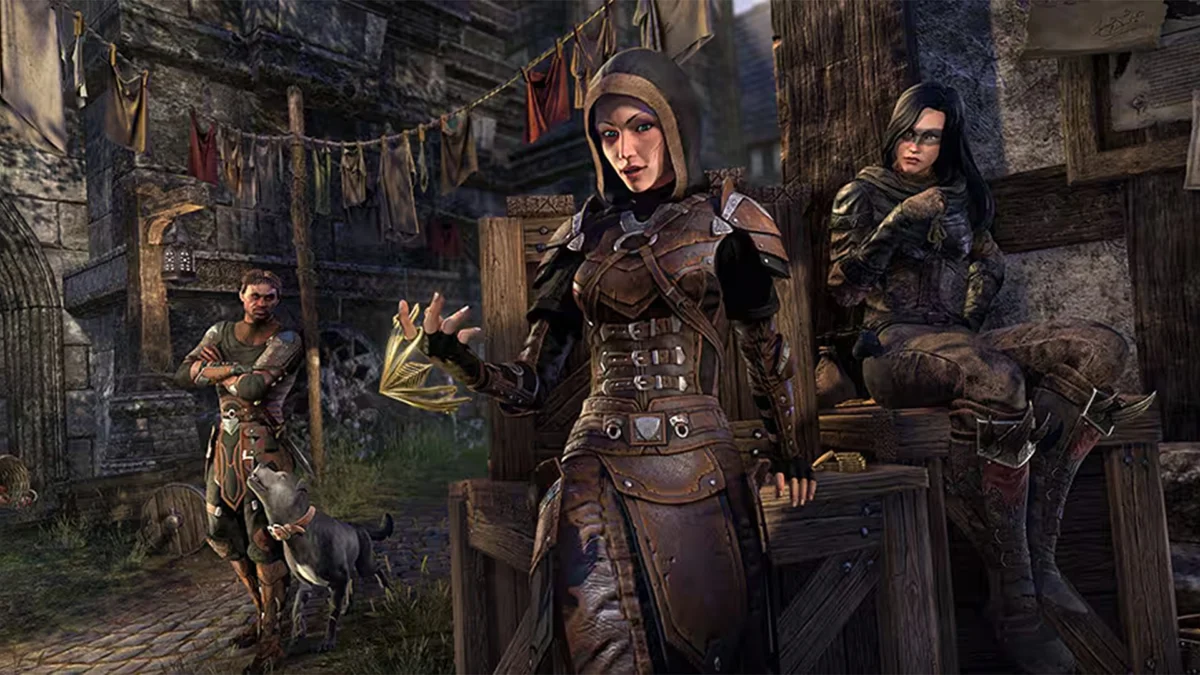
- July 8, 2026: The scheduled launch of Season One. This update, which features a free questline involving the return of the Thieves Guild, is intended to be a celebratory moment for the game but is now overshadowed by the studio’s internal upheaval.
Supporting Data: The Erosion of Institutional Knowledge
The loss of staff at Zenimax Online Studios is not merely a reduction in headcount; it is a significant erosion of institutional knowledge. To understand the gravity of these layoffs, one must look at the tenure of the individuals involved.
| Name | Role | Tenure | Impact Area |
|---|---|---|---|
| Mike Finnigan | Associate Design Director | 15 Years | Content Pipeline, Quest Design, Combat Systems |
| Gina Bruno | Principal Creator Engagement Manager | 19 Years | Influencer Relations, Community Trust, Event Planning |
| Unnamed Staff | Mid-to-Senior Level Developers | 5-10 Years | Engine Maintenance, Art Assets, Live Ops |
According to reports from Bloomberg, this restructuring is part of a larger Microsoft strategy to cut a total of 3,200 jobs across its various tech sectors, with five smaller studios under the Xbox umbrella being divested or closed entirely. While ZOS remains intact, the "halving" of the team—as suggested by internal sources speaking to Kotaku—raises fundamental questions about the technical feasibility of maintaining a massive MMO.

ESO is built on a bespoke engine that requires highly specialized knowledge to maintain. The departure of designers who have been with the project for over a decade suggests that future updates may face significant technical hurdles, as the remaining staff must pick up the pieces of complex systems they did not originally build.
Official Responses: Shifting Roadmaps and Strategic Silences
The official communication from Zenimax Online Studios has been characterized by a blend of corporate reassurance and cautious hedging. Jessica Folsom’s forum post is the primary document through which the studio has addressed the situation.
"We want to reaffirm our commitment to The Elder Scrolls Online," Folsom wrote, addressing the growing anxiety among the player base. However, the most telling part of her statement followed: "The roadmaps we previously shared will be shifting. Stepping back to get our plans straight will let us come back to you with a clear timeline."
This statement confirms that the multi-year plan for ESO—which fans expected to include new regions of Tamriel and potentially new gameplay systems—is currently in flux. Furthermore, internal emails obtained by Kotaku indicate that while the "Season One" update, Doom’s DLC, and the studio’s presence at QuakeCon will proceed as planned, there is "no information on future updates or iterations" beyond those immediate milestones.

Microsoft and Bethesda have remained largely silent regarding the specific future of the MMO. Bloomberg’s reporting notes that Bethesda will focus on its "largest franchises," specifically mentioning the mainline Elder Scrolls and Fallout series. Notably absent from these high-level strategic briefings was any specific mention of the long-term sustainability of the Elder Scrolls Online as a live-service pillar.
Implications: The Future of Tamriel
The implications of these layoffs for The Elder Scrolls Online are profound and multifaceted, affecting the game’s development, its community, and its place in the broader MMO market.
1. The Content "Drought" and Quality Concerns
With a significantly reduced workforce, ZOS will likely struggle to maintain the "Chapter" and "DLC" cycle that has defined the game for years. Fans can expect longer gaps between updates and potentially smaller, less ambitious content drops. The "shifting roadmap" mentioned by Folsom likely points to a transition away from the "Year-Long Adventure" model toward a more sustainable, albeit slower, release schedule.
2. Community Trust and Engagement
The loss of Gina Bruno and other community-facing staff is a blow to the "cozy" and inclusive atmosphere ZOS has cultivated. ESO has long been praised for its relationship with its players. Without the veteran hands who managed these relationships, there is a risk of a "communication vacuum," where players feel disconnected from the developers. This is particularly dangerous for an MMO, where player retention is built on trust and the feeling of a "living" world.

3. The "Maintenance Mode" Fear
In the MMO world, "maintenance mode" is the term used for games that receive bug fixes and server support but no significant new content. While ZOS insists they are committed to the game, the halving of the staff and the lack of a future roadmap beyond the current season has sparked fears that ESO is being positioned for a slow wind-down. If Microsoft’s priority is The Elder Scrolls VI, they may view the MMO as a secondary asset that no longer requires a massive, dedicated development team.
4. The Industry-Wide Shift
These layoffs are symptomatic of a broader trend in the 2024-2026 period of the gaming industry: the "Age of Efficiency." After the massive expansion seen during the early 2020s, parent companies like Microsoft are now aggressively cutting costs to satisfy shareholders. For players, this means the era of "endless content" may be coming to an end, replaced by a more conservative approach to live-service management.
Conclusion: A Bitter-Sweet Launch
As The Elder Scrolls Online launches its Season One update tomorrow, July 8, the mood within the community is one of mourning rather than celebration. The return of the Thieves Guild—a fan-favorite faction—should have been a high point for the year. Instead, players will be logging in to a world whose creators are no longer at the helm.
The quest to "unite three gangs and overcome a dangerous new group" within the game’s narrative feels strangely prophetic of the studio’s own internal struggle. Whether Zenimax Online Studios can overcome its own "dangerous new group" of corporate restructuring and emerge with a clear vision for the future remains to be seen. For now, the gates of Oblivion remain open, but the path forward through Tamriel has never been more obscured.