Ryan Cahill’s "The Fall": A Masterclass in Prequel Storytelling, Setting the Emotional Foundation for a Modern Fantasy Epic
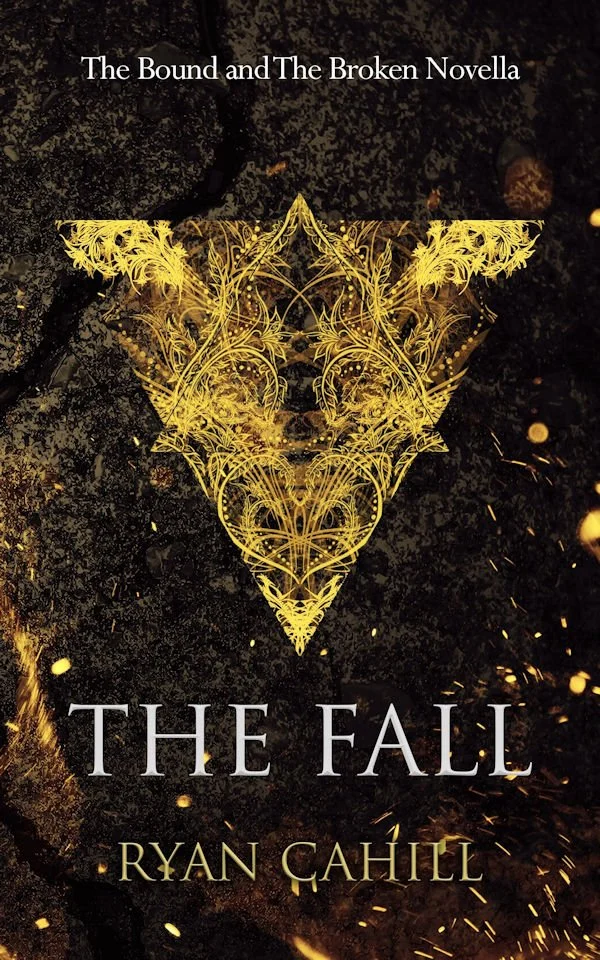
LONDON, UK – In the vast and ever-expanding landscape of contemporary fantasy literature, prequels often face the daunting challenge of justifying their existence. Many succumb to the temptation of overwhelming spectacle, over-explaining established lore, or simply serving as a chronological footnote rather than a substantive addition. However, Ryan Cahill’s novella, The Fall, a crucial entry in his acclaimed The Bound and the Broken series, defies these common pitfalls. Instead, it emerges as a meticulously crafted narrative that recontextualizes foundational truths and deepens the emotional resonance of the wider saga, earning widespread critical praise for its nuanced approach.
This concise yet impactful work, reviewed by Tom Joyce for Fantasy-Faction.com, has been lauded for its deliberate restraint and profound emotional weight, eschewing bombast for a more intimate exploration of loss and inevitability. Set before the events of the series’ first novel, Of Blood and Fire, The Fall positions itself not as a crescendo building to a grand reveal, but as a poignant observation of the aftermath of an unfolding tragedy, a world teetering on the brink.
Main Facts: The Unraveling of Epheria
The Fall plunges readers into a pivotal moment in the history of Epheria, a continent long overseen by the ancient and seemingly incorruptible organization known as The Order. For millennia, The Order has been the bedrock of stability, its authority unquestioned. Yet, as the novella opens, this long-held reverence is eroding. Whispers of corruption, indulgence, and deceit within its ranks have metastasized into outright rebellion, and the very foundation of Epheria is poised to crumble.
The narrative thrust is immediate and stark: "The City of Ilnaen is on fire. Dragons fill the skies. Traitors fill the streets." These evocative lines encapsulate the novella’s core conflict – a world descending into chaos, both external and internal. It is a tale of a revered institution collapsing under the weight of its own perceived moral failings, exacerbated by external threats and insidious internal betrayal. Cahill, through this prequel, provides a vital lens into the origins of this monumental upheaval, offering not just backstory, but a profound sense of the human cost involved.
Tom Joyce’s review highlights that The Fall distinguishes itself by focusing on the "fallout rather than the build-up" to one of Epheria’s most significant events. This subtle shift in perspective is critical. Rather than merely detailing how things came to be, the novella immerses the reader in the experience of collapse, allowing the weight of inevitable loss to settle in long before characters fully grasp the magnitude of their predicament. This approach allows Cahill to explore themes of memory, legacy, and the intricate bonds between individuals against a backdrop of cataclysmic change, creating a story that resonates with a quiet, yet powerful, emotional gravitas.
Chronology: A Precursor to an Epic
The Fall strategically precedes Of Blood and Fire, the inaugural novel of The Bound and the Broken series, establishing a critical historical context without spoiling future developments. Its release as a novella likely served multiple purposes: to bridge gaps between main installments, to provide a deeper dive into pivotal historical events alluded to in the primary series, and to offer existing fans a richer understanding of the world’s origins. For new readers, it functions as an accessible, albeit emotionally charged, introduction to Cahill’s storytelling prowess and the thematic depth of Epheria.
The placement of The Fall in the narrative timeline is particularly astute. By setting the stage for the destruction of a powerful entity like The Order, Cahill provides a foundation for the struggles and motivations of characters encountered later in the series. It explains why the world of The Bound and the Broken is the way it is – scarred, fragmented, and haunted by a profound past. This chronological positioning allows the main series to then explore the consequences of this historical cataclysm, making the events of Of Blood and Fire and subsequent novels feel more earned and impactful.
The novella’s relatively short length, under 30,000 words, is also a deliberate chronological choice. It allows for a focused, intense narrative burst that delivers maximum emotional impact without demanding a significant time commitment from readers. This makes it an ideal companion piece, something that can be consumed between larger volumes or as a quick, yet potent, dive into the series’ lore.
Supporting Data: Nuance Over Noise
The critical success of The Fall largely stems from Cahill’s masterful execution of difficult prequel tropes. As Tom Joyce eloquently notes, many prequels "try too hard to justify themselves by reaching for scale and spectacle," resulting in narratives that "explain way too much and shout way too loud." The Fall, however, opts for a more sophisticated path: it "recontextualises established truths to reshape what will come after." This discerning approach is central to its effectiveness.
The Power of Inevitability and Quiet Tension: Instead of building tension towards a shocking twist, Cahill leans into the inherent inevitability of the unfolding disaster. The reader, armed with the knowledge of future events (if they’ve read the main series), watches characters grapple with a fate they cannot yet fully comprehend. This creates a different kind of tension – a quiet, melancholic dread that permeates every interaction and decision. It’s the tragedy of watching a slow-motion catastrophe, where the power lies in "watching the realisation settle and deepen" within the characters. This allows for a more profound emotional connection, as readers witness the human struggle against an overwhelming, predetermined tide.
Intimate Character Work Amidst Epic Carnage: A cornerstone of The Fall‘s brilliance is its focus on "connection." Cahill deliberately keeps the character work "low-key and intimate, built around relationships, memory, and legacy." While dragons fill the skies and cities burn, the true drama unfolds in the quiet moments between individuals, in their shared memories and the burdens they carry. The "epic carnage happens on the fringes," serving as a backdrop that amplifies the personal stakes rather than overshadowing them. This balance ensures that the novella’s conclusion, while not explosively dramatic, resonates with a "quiet emotional weight," leaving a lasting impression on the reader.
Strategic Pacing and Scope: The novella’s brevity is not a weakness but a strength. At under 30,000 words, it is designed for precision. Joyce acknowledges that "there are moments where you feel the edges of what could have been expanded further," and that the world is "sketched rather than deeply explored." However, this concise nature is precisely what makes it so effective. Cahill’s objective appears to be: "Get in, make us care, and then creep out quietly." This focused approach prevents the narrative from becoming bogged down in excessive detail, allowing the core emotional beats to shine through unencumbered. It serves its purpose as a potent, concentrated dose of narrative, leaving the deeper world-building to the "weighty main novels."
Embracing and Elevating Fantasy Tropes: While The Fall doesn’t aim for radical reinvention, it masterfully utilizes familiar fantasy DNA. Elements like "fallen kingdoms, betrayal, lingering magic, the long shadow of history, and really big dragons" are present. However, Cahill approaches these tropes with a "confidence in owning these influences." He doesn’t shy away from them but leans into them "with clarity and purpose," resulting in a story that feels "grounded, sincere, and very human." This demonstrates that originality in fantasy doesn’t always necessitate discarding established elements but often lies in their thoughtful and heartfelt execution.
Retrospective Enrichment: Perhaps the most compelling aspect highlighted by the review is how The Fall "seems to grow in retrospect." While it stands as a "solid, emotionally resonant introduction" on its own, its true power blossoms within the context of the wider series. Details that might seem minor initially gain profound significance, emotional beats deepen, and the contained story begins to "echo outward." This ability to both stand alone and "reshape the story that is to follow, and making it feel heavier," is the hallmark of a truly successful prequel. It enriches the reader’s understanding of the main series, adding layers of tragedy and meaning to subsequent events and character arcs.
Official Responses: Authorial Intent and Publisher Strategy
While direct official statements from Ryan Cahill or his publisher regarding The Fall were not included in the provided review, we can infer their strategic intent based on the novella’s content and reception.
Ryan Cahill’s decision to craft The Fall as a prequel novella rather than a full-length novel suggests a deliberate focus on a specific narrative purpose. It is highly probable that Cahill intended for this story to serve as an emotional anchor for the entire Bound and the Broken series. His goal was likely not just to provide historical context but to establish the deep-seated sorrow and the profound sense of loss that permeates the later books. By exploring the intimate human experience of a world-altering catastrophe, he grounds the epic scale of his main series in relatable, poignant emotions. This approach allows him to explore themes of betrayal, the burden of legacy, and the fragility of even the most ancient institutions without the pressure of advancing the primary plotline. It’s a testament to an author confident in his world and characters, choosing to deepen the narrative tapestry rather than simply expand it.
From a publisher’s perspective, the release of The Fall would likely be viewed as a shrewd move to cultivate and retain readership. It offers a low-barrier entry point for potential new readers, showcasing Cahill’s writing style and thematic concerns without the commitment of a sprawling epic. For existing fans, it provides a highly anticipated return to Epheria, offering vital lore and character insights that enrich their ongoing experience with the series. Marketing efforts would undoubtedly highlight its role in illuminating the origins of the main series’ conflicts and its capacity to deepen understanding of beloved characters or pivotal events. It functions as both a standalone narrative and an essential supplement, bolstering the overall appeal and longevity of The Bound and the Broken franchise.
Implications: Reshaping a Series and Redefining Prequels
The impact of The Fall extends far beyond its compact page count, carrying significant implications for both The Bound and the Broken series and the broader fantasy genre.
Deepening the Series’ Emotional Core: For readers of The Bound and the Broken, The Fall is more than just backstory; it’s an emotional crucible. It transforms abstract historical references into tangible, heart-wrenching realities. The subsequent struggles of characters in the main series – their motivations, their grief, their desperate fight against lingering shadows – are imbued with a new layer of poignancy and understanding. The weight of what was lost becomes palpable, making every sacrifice and every victory in the main narrative resonate more deeply. It creates a richer, more immersive reading experience, demonstrating how a well-placed prequel can elevate an entire saga.
A Model for Effective Prequel Storytelling: The Fall stands as a compelling example for other fantasy authors grappling with the challenges of writing prequels. It illustrates that true impact doesn’t always come from bigger explosions or more detailed explanations. Instead, focusing on emotional resonance, character connection, and the recontextualization of established truths can yield far more powerful results. Cahill’s novella champions the idea that prequels should enrich, not merely explain, and that sometimes, a quieter, more intimate approach can be more devastatingly effective than grand spectacle. It suggests a shift in focus from "what happened" to "how it felt" and "what it means for what comes next."
Reinforcing Cahill’s Authorial Vision: The success of The Fall further solidifies Ryan Cahill’s reputation as a master storyteller with a keen understanding of character-driven narratives and the human element within epic fantasy. It underscores his ability to weave intricate plots with profound emotional depth, showcasing a maturity in craft that belies the relative newness of his series. This novella confirms that The Bound and the Broken is not just a series of exciting adventures but a carefully constructed world steeped in history and emotional complexity, promising even greater depth in future installments.
In conclusion, The Fall may not strive to be a "groundbreaking work of fantasy" in terms of radical innovation, but its ambitions are "controlled and precise," achieving its goals with remarkable efficacy. It sets a crucial tone, establishes an undeniable emotional foundation, and invites the reader into the profound aftermath of a world irrevocably changed. As Tom Joyce aptly summarizes, The Bound and the Broken stands as "one of the most remarkable fantasy series for many years," and The Fall is undoubtedly "an important stepping stone on that epic journey," cementing its place as an indispensable and deeply affecting contribution to a modern fantasy masterpiece.