The Prestige Paradox: Analyzing the 2026 Emmy Snub of HBO’s ‘Industry’
The announcement of the 78th Primetime Emmy Award nominations usually serves as a coronation for the year’s most impactful television. However, the 2026 nominations, revealed by former winners Jeff Hillier (Somebody Somewhere) and Liza Colón-Zayas (The Bear), have instead sparked a firestorm of critical dissent. Despite a fourth season that many critics hailed as a masterclass in tension, character development, and social commentary, HBO’s financial drama Industry was entirely shut out of the major categories.
The lack of recognition for Industry—a series that has steadily climbed from a "cult favorite" to a critical juggernaut—represents one of the most significant "snubs" in recent Academy history. As the television landscape becomes increasingly crowded with IP-driven content and safe procedural bets, the exclusion of a daring, complex, and high-stakes drama like Industry raises fundamental questions about the Television Academy’s voting criteria and its ability to recognize excellence outside of a few established "prestige" circles.
Main Facts: A Total Shutout for a Critical Darling
The 2026 Emmy nominations were expected to be a turning point for Industry. Created by former investment bankers Mickey Down and Konrad Kay, the series follows a group of young traders and bankers navigating the cutthroat environment of Pierpoint & Co., a fictional international investment bank in London. While the show’s first two seasons established a loyal following, Season 3 and the most recent Season 4 saw a massive surge in critical acclaim, with reviewers noting the show’s transition from a workplace drama into a profound character study of corruption and class.
Despite this momentum, the Television Academy failed to grant the series a single nomination in the 2026 cycle. The shutout was total, affecting the following key areas:
- Best Drama Series: A category many expected Industry to crack, given the conclusion of other major HBO staples.
- Lead Actress in a Drama Series: Myha’la, who portrays the increasingly Machiavellian Harper Stern, was widely considered a frontrunner.
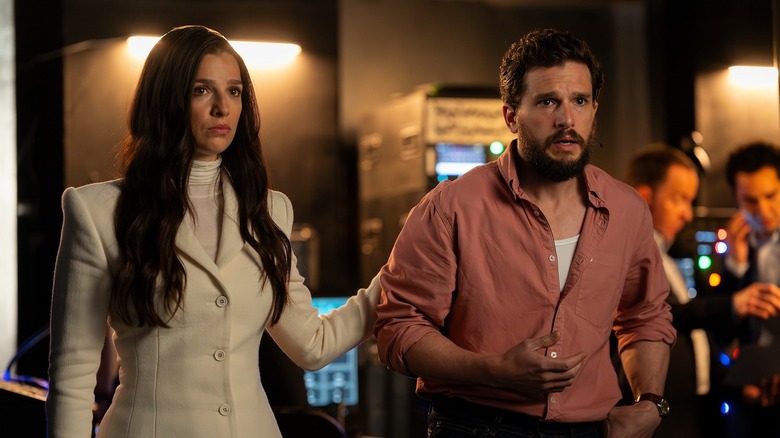
- Supporting Actor/Actress: Marisa Abela (Yasmin Kara-Hanani), Ken Leung (Eric Tao), and Kit Harington (Sir Henry Muck) all delivered performances that dominated the cultural conversation during the season’s airing.
- Writing and Directing: The technical precision of the show’s "money shouting"—the high-speed, jargon-heavy dialogue—and its claustrophobic cinematography were also ignored.
Chronology: The Evolution of ‘Industry’ from Niche to Essential
To understand the weight of the 2026 snub, one must look at the trajectory of the series. Industry debuted in 2020, initially drawing comparisons to a younger, more nihilistic Succession. However, as the series progressed, it carved out its own distinct identity.
Seasons 1 & 2: The Foundation of Friction
The early seasons focused on the "graduates"—Harper Stern, Yasmin Kara-Hanani, and Robert Spearing—as they fought for permanent positions at Pierpoint. These episodes were characterized by their unflinching look at drug use, sexual politics in the workplace, and the sheer adrenaline of the trading floor. While it received modest awards attention, it was largely viewed as a niche "genre" show.
Season 3: The Critical Leap
In its third outing, Industry expanded its scope. It moved away from the simple "will they get fired?" stakes and into the broader implications of global finance. The introduction of characters like Kit Harington’s Sir Henry Muck signaled HBO’s increased investment in the series, and the writing became sharper, focusing on the intersection of old-world aristocracy and new-world tech scams.
Season 4: The Masterpiece
The most recent season, which was the subject of the 2026 Emmy consideration, is widely regarded as the show’s peak. The narrative followed Harper Stern’s descent into moral ambiguity as she partnered with her former mentor, Eric Tao, to launch a rival firm. Simultaneously, Yasmin Kara-Hanani’s storyline took a dark, psychological turn as she grappled with the legacy of her father’s financial and personal crimes. Season 4 culminated in a series of episodes that mirrored real-world scandals, specifically the "Tender" scam—a fraudulent business venture designed to enrich elite investors at the expense of the public.
Supporting Data: The Case for the Cast
The snub is particularly baffling when examining the caliber of the performances. The 2026 television season featured several high-profile returns, but few actors underwent the transformative arcs seen in Industry.
The Case for Marisa Abela and Myha’la
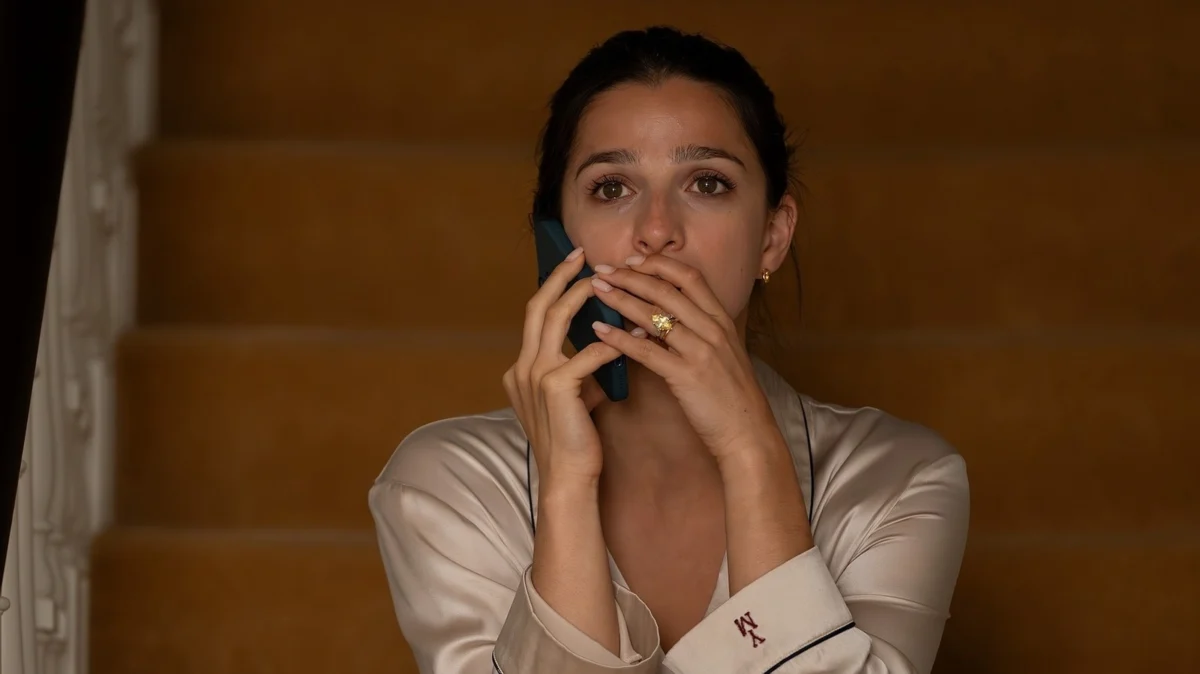
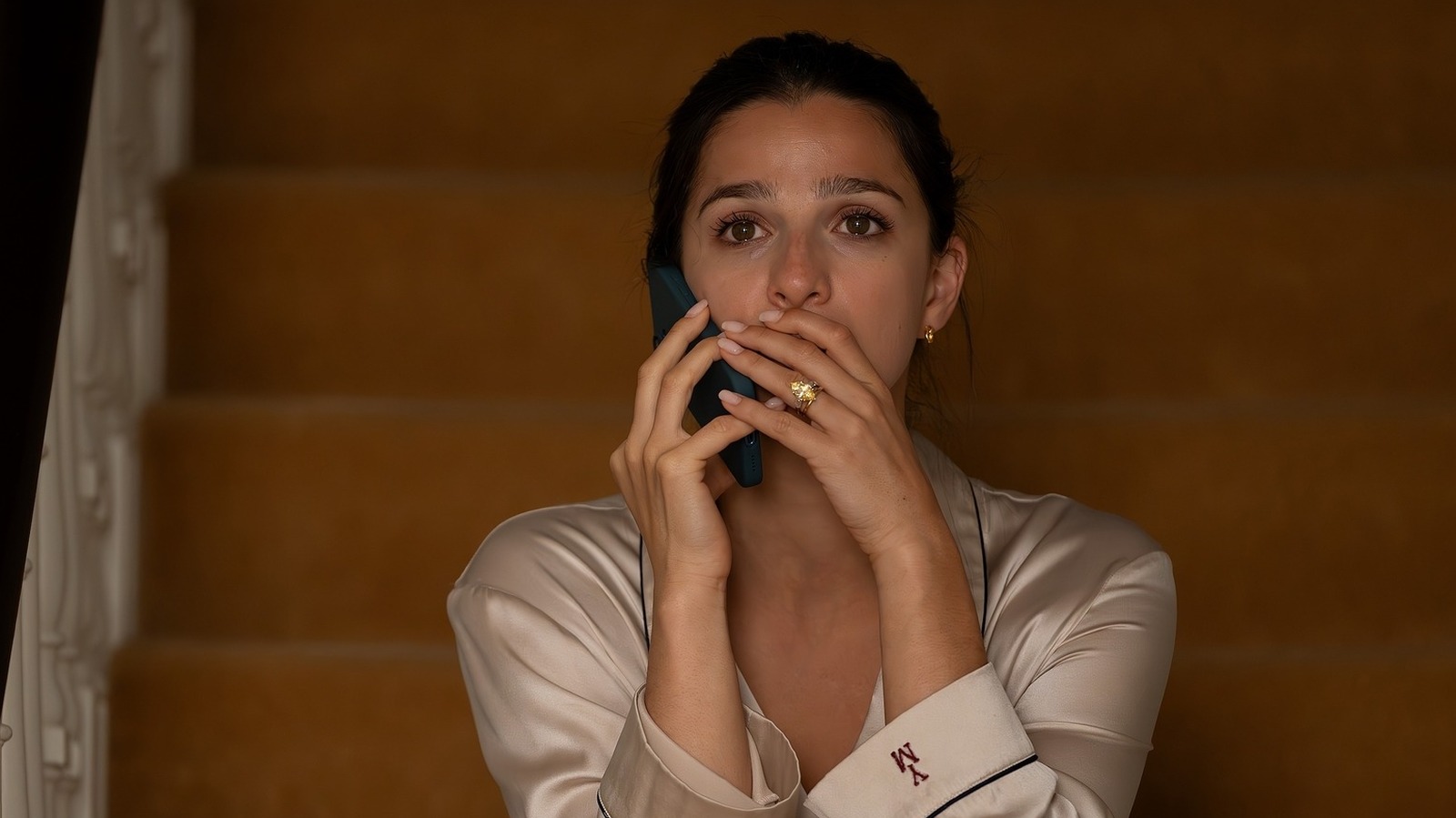
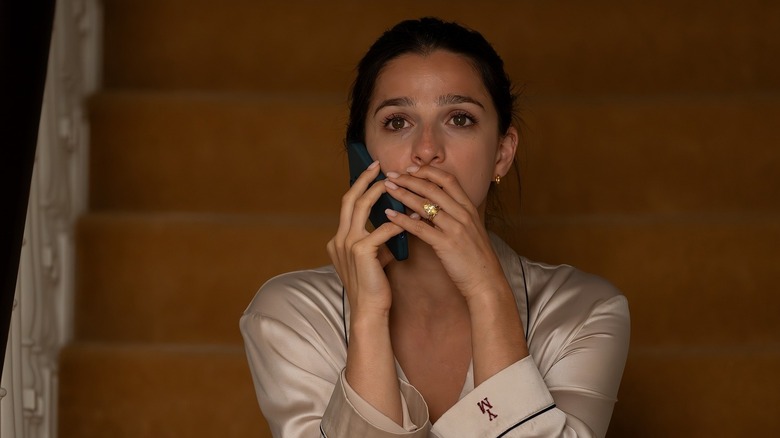
Marisa Abela’s portrayal of Yasmin Kara-Hanani has been a slow-burn masterclass. In Season 4, Abela navigated a complex "villain origin story," as Yasmin evolved into a figure reminiscent of Ghislaine Maxwell, leveraging her social standing to facilitate the whims of the ultra-wealthy. Critics pointed to the "Henry’s Birthday" episode as a pinnacle of acting, where Abela displayed a haunting mixture of misery and calculated performance.
Myha’la’s Harper Stern remains one of the most compelling anti-heroes on television. Her ability to portray a character who is simultaneously brilliant, desperate, and utterly craven has been the show’s engine. The 2026 snub marks the fourth time the Academy has overlooked a performance that many believe rivals the best work of the "Prestige TV" era.
The Kit Harington Factor
Perhaps the most "egregious" omission, as noted by industry analysts, was Kit Harington. Having spent a decade as the face of Game of Thrones—a show that holds records for Emmy wins—Harington possessed the "goodwill" typically required for a nomination. His turn as Sir Henry Muck was a complete departure from Jon Snow; he played a spoiled, petulant, and ultimately dim-witted aristocrat with a terrifying lack of self-awareness. That the Academy ignored a veteran of their most-decorated show in a career-best role suggests a deeper disconnect between the voters and the material.
Official Responses and Critical Sentiment
While the Television Academy does not issue statements regarding specific snubs, the reaction from the critical community has been one of uniform disappointment. Television critics from major outlets have characterized the 2026 nominations as "safe" and "out of touch."
"The Emmys have a history of being late to the party," says media analyst Elena Rodriguez. "They often reward a show’s final season as a ‘legacy win’ rather than recognizing a show when it is actually at its creative zenith. With Industry heading into its fifth and final season, the Academy may be waiting to give them a ‘parting gift,’ but that does a disservice to the specific brilliance of Season 4."
Showrunners Mickey Down and Konrad Kay have historically remained humble regarding awards, often joking in interviews about being the "underdogs" of the HBO Sunday night lineup. However, the sentiment among the show’s production staff is reportedly one of frustration, particularly given the high production values and the intensive research required to make the show’s financial jargon feel authentic and high-stakes.
Implications: What This Means for the Future of TV
The 2026 snubs carry broader implications for the television industry. Industry is a show that demands a high level of engagement from its audience; it does not "pander" or simplify its complex financial plots. The Academy’s refusal to acknowledge it may signal a worrying trend toward rewarding "comfort viewing" or established brands over challenging, contemporary drama.
The "Too Close to Home" Theory
Some analysts suggest that Industry may be too relevant for the current voting body. The show’s focus on corrupt businesses, fraud, and the moral vacuum of the 1% mirrors modern headlines with uncomfortable accuracy. In an era of economic volatility, a show that highlights the systemic rot within global financial institutions may be a difficult "sell" for an Academy that often leans toward aspirational or historical drama.
The Final Opportunity
With the news that Season 5 will be the show’s last, the pressure is now on the Television Academy to rectify this oversight in 2027. If Industry concludes its run without a single major Emmy win, it will join the ranks of The Wire and The Leftovers—masterpieces that were famously ignored by the Academy during their initial runs, only to be recognized as all-time greats years after the fact.
For now, Industry remains a "critic’s choice" that has yet to become an "Academy choice." While the 2026 Emmys may have snubbed the best drama on television, the show’s cultural footprint continues to grow, fueled by a dedicated audience that values its sharp edges, its cynicism, and its uncompromising look at the price of ambition. As the series heads toward its final act, the question remains: will the Emmys finally catch up to the smartest show on the air, or will they continue to be "Boo Boo the Fool"?